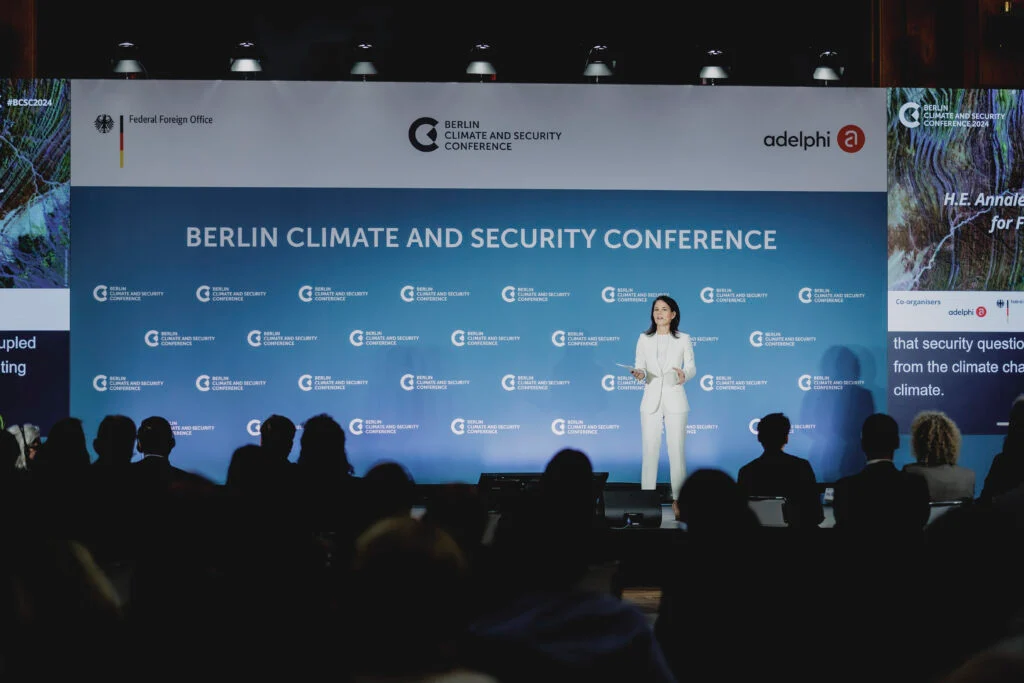
Germany has unveiled its long-awaited 2026 Climate Action Programme, a comprehensive package designed to accelerate the country’s transition to renewable energy and decarbonize key sectors. The plan, presented by Environment Minister Carsten Schneider, encompasses 90 measures across energy, industry, transport, buildings, and land use, with the government estimating a total reduction of 27 million tonnes of CO2 equivalent (CO2e) by 2030.
However, while ambitious on paper, experts, environmental groups, and industry stakeholders have raised concerns that the programme may fall short of legally binding climate targets, especially given outdated projections and limited incentives in some sectors.
Markets move fast; don’t get left behind. We’ve paired the Serrari Group Market Index with a curated Marketplace and a comprehensive Wealth Builder Course to ensure you have the data—and the skills—to act on it.
A Strong Push for Renewable Energy and Industrial Electrification
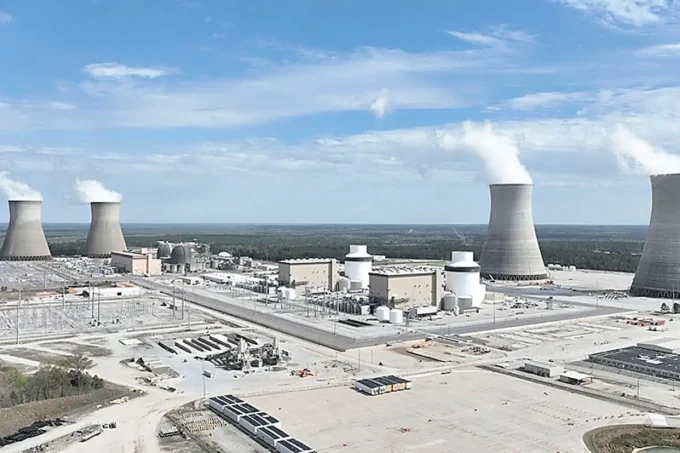
At the heart of the programme is Germany’s commitment to renewable energy expansion, particularly onshore wind. The government plans to tender an additional 12 gigawatts of wind capacity, equivalent to roughly 2,000 new turbines, mostly in the energy-hungry southern regions and priority areas less affected by potential future grid restrictions.
Minister Schneider highlighted that the wind expansion could reduce wholesale electricity prices by €6/MWh and lead to 6.5 million tonnes of CO2e savings in 2030. At the same time, the government is allocating €2.9 billion in subsidies to support industrial electrification projects, expected to cut 4.3 million tonnes of CO2e by the end of the decade.
“These measures aim to strengthen Germany’s energy independence while supporting our industries in transitioning to low-carbon processes,” Schneider said. “Renewables such as wind and solar are domestic, secure energy sources that reduce reliance on oil and gas imports.”
Transport and Buildings: Lagging Sectors Get Attention
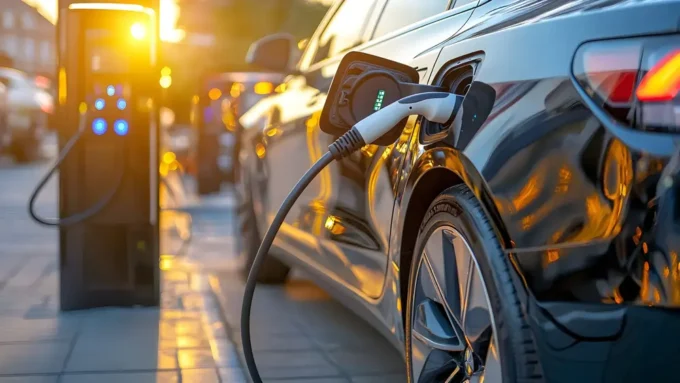
Germany’s transport and buildings sectors have consistently lagged in emissions reductions. The 2026 programme includes a €3 billion income-based subsidy scheme for electric vehicles (EVs), designed to enable the purchase of approximately 800,000 EVs, which could save 1 million tonnes of CO2e by 2030.
The plan also introduces a road transport greenhouse gas reduction quota under parliamentary review, expected to yield 6.3 million tonnes of CO2e savings, and funding for new heat grids, projected to save 2.3 million tonnes of CO2e.
While these measures represent progress, critics argue they rely heavily on voluntary incentives and may not provide the strong regulatory push needed to accelerate decarbonization in these stubborn sectors.
Land Use, Forestry, and Agriculture: Long-Term Investments
The Land Use, Land Use Change, and Forestry (LULUCF) sector is slated to receive €4.7 billion across 23 measures, including the rewetting of peatlands and forest conversions. However, Schneider warned that the full effects of these measures will largely be felt after 2030, reflecting the long-term nature of land management initiatives.
Industry stakeholders, such as the German wood industry association (HDH), cautioned that restrictions on forestry could limit raw materials for sustainable timber construction. Meanwhile, environmental groups like DUH have indicated they may pursue legal action unless the government strengthens the transport sector measures and addresses gaps in other sectors.
Financing the Programme
Funding for the Climate Action Programme will primarily come from the Climate and Transformation Fund, with €7.6 billion allocated between 2027 and 2030, and an additional €400 million from the Special Infrastructure and Climate Neutrality Fund. The government estimates that these measures will also reduce natural gas consumption by nearly 7 billion cubic meters and cut petrol usage by about 4 billion litres by 2030.
Despite the ambitious budget, critics argue that financial incentives alone are insufficient. According to Ottmar Edenhofer, chief economist at the Potsdam Institute for Climate Impact Research, “It is questionable whether these measures go far enough to address the fundamental challenge of transforming our fossil-fuel-dependent capital stock.”
Expert and NGO Reactions
Germany’s key climate advisors, including the Expert Council on Climate Change (ERK), warned that the programme lacks novelty and ambition. They highlighted that the government’s focus on the energy sector ignores the social implications for low- and middle-income households, particularly regarding heating.
Environmental groups such as Greenpeace Germany and DUH criticized the reliance on outdated UBA data and optimistic projections, while Germanwatch warned that the plan only “barely manages” to meet the 2030 climate target on paper.
Advocates for renewable energy, however, welcomed the additional onshore wind tenders, noting that this step is essential for achieving Germany’s emission reduction goals. The German Renewable Energy Federation (BEE) emphasized that policy coordination between ministries is crucial, otherwise the measures risk having minimal impact.
Context is everything. While you follow today’s updates, use the Serrari Group Market Index and Marketplace to spot emerging shifts. Need to sharpen your edge? Our Wealth Builder Course turns these insights into a professional-grade strategy.
Transport and Heating Policies Under Scrutiny
The programme has faced particular criticism for the transport sector, which has historically failed to meet emissions reductions. VCD, an environmental transport association, called for speed limits on motorways to reduce emissions and improve safety, while also criticizing the government for a lack of clear incentives to adopt EVs.
In the buildings sector, some of the previous government’s heating decarbonization rules have been scaled back, raising concerns over long-term climate commitments. DUH described the new measures as “climate policy arson,” warning that global crises demonstrate the urgency of phasing out fossil fuel dependence in homes.
Policy Gaps and Legal Risks
Germany’s climate policies face legal challenges. Courts have previously ruled that earlier programmes were inadequate to meet climate targets, and similar litigation may occur if the 2026 plan fails to deliver measurable reductions. Additionally, EU-mandated targets for transport and buildings are not fully addressed, potentially forcing Germany to purchase emissions allocations from other EU countries, adding financial strain.
The government also faces the challenge of addressing a growing emissions gap. According to the Federal Environment Agency (UBA), current policies may reduce emissions by 62.6 percent by 2030, leaving a gap of around 30 million tonnes of CO2e compared with the legally required 65 percent reduction. By 2040, the shortfall could be even larger.
Economic Context and Political Debate
The programme emerges amid soaring oil and gas prices, ongoing geopolitical tensions, and efforts to boost economic growth in Europe’s largest economy. Chancellor Friedrich Merz has supported relaxing EU-wide car emission rules and promoting gas-fired power plants, creating a tension between climate ambition and industrial growth.
While Schneider emphasized the need for climate action to stimulate the economy and reduce social polarization, opposition figures like Green party MP Katharina Droege criticized the plan as “blatant deception,” claiming that policies from the Economy Ministry undermine climate goals.
Renewables as a Tool for Energy Security
Despite criticisms, renewable energy expansion remains a cornerstone of Germany’s strategy to achieve energy independence and long-term resilience. Schneider reiterated that wind and solar power are domestic, secure, and reliable energy sources, capable of significantly reducing the country’s reliance on foreign oil and gas while helping stabilize energy prices for households and businesses alike.
Industry groups and investors have largely welcomed this direction, seeing it as a signal of policy commitment to the energy transition. Executives from E.ON, EDF, Centrica, and other major energy players emphasized that clearer building standards, coordinated renewable incentives, and supportive regulatory frameworks could accelerate electrification across industries, expand the market for clean technologies, and attract substantial private investment. By promoting renewables as a strategic pillar, the government aims to strengthen national energy security, support economic growth, and complement efforts in industrial electrification and electric vehicle adoption.
Social Equity and Household Impacts
Experts have stressed the importance of ensuring that low- and middle-income households can benefit from climate policies. Income-based subsidies for EVs and public transport incentives aim to mitigate costs, but critics argue that more targeted measures are needed, particularly in the heating sector. Some analysts say additional support for home insulation, heat pumps, and energy-efficient appliances could help reduce long-term energy costs for vulnerable families. Others have also called for expanded financial assistance and clearer guidance to help households transition away from fossil-fuel heating systems.
Energy prices, especially for gas and petrol, continue to disproportionately affect vulnerable households, meaning that Germany’s climate strategy must balance emissions reductions with social equity. Policymakers therefore face the challenge of ensuring that the clean energy transition does not deepen economic inequalities, while still maintaining momentum toward national climate targets.
Outlook: Germany’s Climate Path Ahead
Germany’s 2026 Climate Action Programme sets an ambitious agenda for the country’s energy transition, yet its success hinges on careful execution, coordinated policies, and public engagement. The expansion of renewable energy, electrification of industry, and support for electric vehicles represent critical steps toward decarbonization, but experts warn that emissions reductions could fall short without additional regulatory measures and stronger incentives.
Looking ahead, Germany faces multiple challenges: aligning federal and state policies, ensuring grid stability amid renewable expansion, and providing equitable access to low-carbon technologies for households and businesses. Legal pressures from NGOs like DUH may force adjustments, while EU climate obligations will demand continued scrutiny and compliance.
Despite these challenges, the programme could redefine Germany’s energy landscape, making households, businesses, and communities active participants in the transition. By fostering innovation, improving energy efficiency, and expanding domestic renewable production, Germany has the potential to reduce energy costs, enhance energy security, and position itself as a global leader in climate action.
The coming years will reveal whether the measures are enough to meet the 2030 and 2045 targets, or if Germany will need to accelerate its policies, strengthen incentives, and innovate further to close the growing gap between aspiration and reality.
Your financial future isn’t something you wait for—it’s something you build.
The real question is: when do you begin?
Move beyond simply staying informed.
Navigate the markets with clarity—track trends through the Serrari Group Market Index, uncover opportunities in the Serrari Marketplace, and build practical knowledge with our Curated Wealth Builder Course.
Stay connected to what truly matters.
Get daily insights on macro trends and financial movements across Kenya, Africa, and global markets—delivered through the Serrari Newsletter.
Growth opens doors.
Advance your career through professional programs including ACCA, HESI A2, ATI TEAS 7 , HESI EXIT , NCLEX – RN and NCLEX – PN, Financial Literacy!🌟—designed to move you forward with confidence.
See where money is flowing—clearly and in real time.
Track Money Market Funds, Treasury Bills, Treasury Bonds, Green Bonds, and Fixed Deposits, alongside global and African indexes, key economic indicators, and the evolving Crypto and stablecoin landscape—all within Serrari’s Market Index.