The insurance industry is undergoing a quiet but significant transformation as traditional models struggle to keep pace with the increasing frequency and severity of climate-related events. Among the most affected risks is hail damage—often sudden, localized, and costly—particularly for sectors such as solar energy, agriculture, and logistics.
In response to this growing challenge, Vortex Weather Insurance has introduced HailSafe, a parametric hail insurance product designed to provide faster, more predictable payouts compared to conventional insurance policies. Previously accessible only through third-party vendors, HailSafe can now be purchased directly from Vortex, expanding access for brokers and businesses that are directly exposed to weather-related risks.
This development is not just about a new product launch. It reflects a broader shift in how risk is understood, priced, and transferred in a world where climate uncertainty is becoming the norm.
Markets move fast; don’t get left behind. We’ve paired the Serrari Group Market Index with a curated Marketplace and a comprehensive Wealth Builder Course to ensure you have the data—and the skills—to act on it.
What HailSafe Is and How It Works
At its core, HailSafe is a parametric insurance product. Unlike traditional insurance, which requires claims assessment and loss verification, parametric insurance pays out automatically when predefined conditions are met.
In this case, the trigger is straightforward: if hail of a specified size is recorded at a covered location, the policy pays out.
The structure of HailSafe is designed to be both simple and flexible. It is offered as a 12-month policy, providing year-round coverage against hail events. Standard policies can trigger when hailstones reach a diameter of 1.0 inches, though clients can customize these thresholds depending on their risk exposure and strategic needs.
Rather than relying on claims adjusters, the policy uses an independent third-party measurement system that combines multiple data sources. These include radar technology, National Weather Service data, storm reports, and input from expert meteorologists. This multi-layered verification approach is intended to reduce disputes and ensure accuracy.
One of the defining features of the product is the speed of payouts. Once a triggering event is confirmed, compensation is typically issued within about a week, providing immediate liquidity to affected businesses.
Why Parametric Insurance Is Gaining Attention
To understand the significance of HailSafe, it is important to look at the broader evolution of insurance models.
Traditional insurance operates on a principle of indemnity. After an event occurs, the insurer assesses the damage, verifies the claim, and then compensates the policyholder based on actual losses. While this approach is comprehensive, it can be slow, complex, and subject to disputes.
Parametric insurance takes a different approach. Instead of measuring losses, it relies on predefined triggers—such as rainfall levels, wind speeds, or hail size. If the trigger is met, the payout is automatic.
This shift offers several advantages.
First, it reduces the time between event and payment. In industries where downtime or damage can disrupt operations, speed is critical.
Second, it eliminates ambiguity. Because payouts are based on objective data rather than subjective assessments, disputes are minimized.
Third, it provides predictability. Businesses know in advance what conditions will trigger a payout and how much they will receive.
These characteristics make parametric insurance particularly attractive in environments where risks are increasing but traditional models struggle to respond efficiently.
The Growing Risk of Hail Damage
Hailstorms have become an increasingly significant risk, particularly in regions where climate variability is intensifying.
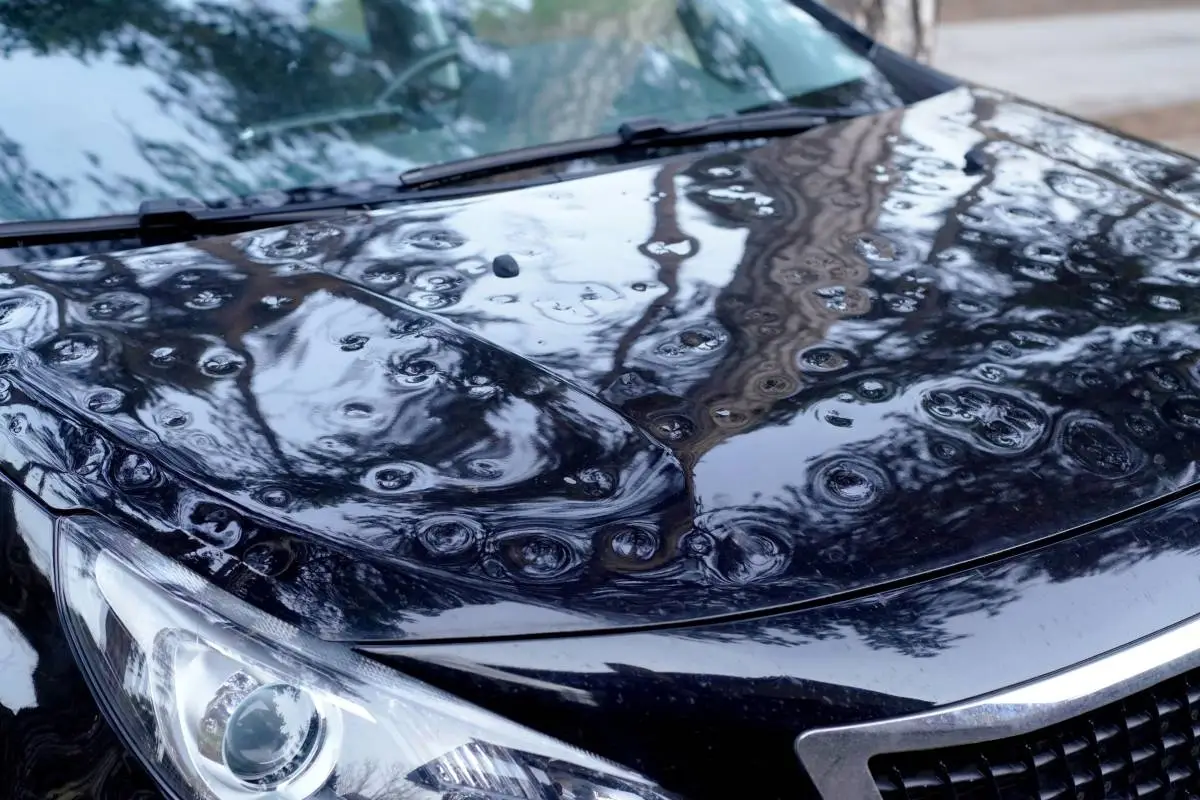
Unlike other weather events, hail can cause concentrated damage in a very short period of time. A single storm can destroy crops, shatter solar panels, damage rooftops, and impact inventory such as vehicles stored in open lots.
For industries that rely on exposed physical assets, this creates a unique challenge. Traditional insurance may cover the damage, but delays in claims processing can disrupt operations and create financial strain.
HailSafe is positioned as a solution to this problem, offering immediate financial support when it is needed most.
Key Use Cases: Who Benefits Most
The design of HailSafe reflects the specific needs of industries that are particularly vulnerable to hail events.
In the solar energy sector, hail damage can significantly impact energy generation capacity. Solar panels are exposed by nature, and even minor damage can reduce efficiency or require costly replacements.
In agriculture, hailstorms can destroy crops within minutes, wiping out an entire season’s yield. Farmers often face not only financial losses but also the challenge of replanting or adjusting production plans.
For property owners, hail can damage roofs and structures, leading to repair costs and potential business interruptions.
Similarly, businesses with open-lot inventory—such as vehicle dealerships—face exposure to sudden losses that can affect both assets and revenue.
By offering rapid payouts, parametric insurance provides these sectors with a way to manage risk more effectively.
Context is everything. While you follow today’s updates, use the Serrari Group Market Index and Marketplace to spot emerging shifts. Need to sharpen your edge? Our Wealth Builder Course turns these insights into a professional-grade strategy.
Historical Context: The Evolution of Parametric Insurance
Parametric insurance is not entirely new, but its adoption has accelerated in recent years.
The concept emerged in response to challenges faced by traditional insurance models, particularly in areas such as natural disasters and climate-related risks. Early applications were often linked to large-scale events like hurricanes and earthquakes, where rapid payouts were essential for recovery.
Over time, advances in data analytics, satellite technology, and meteorological modeling have made it possible to apply parametric approaches to more localized risks, including hail.
This evolution reflects a broader trend in the insurance industry: the move toward data-driven, technology-enabled solutions that prioritize speed and transparency.
The Strategy Behind HailSafe
HailSafe’s structure is designed to balance flexibility with precision.
The ability to customize trigger thresholds allows businesses to align coverage with their specific risk profiles. For example, a solar operator may choose a lower trigger threshold to protect against minor damage, while a different business may opt for higher thresholds to focus on severe events.
The reliance on independent third-party data is also a strategic choice. By removing direct control over measurements, Vortex reduces the risk of conflicts of interest and enhances credibility.
At the same time, the 12-month policy structure ensures continuous coverage, reflecting the unpredictable nature of weather risks.
Why This Matters
The launch of HailSafe highlights several important trends in the financial and insurance sectors.
First, it underscores the growing importance of climate risk management. As weather patterns become more volatile, businesses are increasingly seeking tools that can help them manage uncertainty.
Second, it reflects a shift toward speed and efficiency in financial products. In many industries, the ability to respond quickly to disruptions is as important as the coverage itself.
Third, it demonstrates how technology is reshaping traditional industries. By leveraging data and automation, parametric insurance offers a fundamentally different approach to risk transfer.
Risks and Challenges
Despite its advantages, parametric insurance is not without limitations.
One of the most important risks is basis risk. This occurs when the trigger event does not perfectly match the actual loss experienced by the policyholder. For example, a business may suffer damage from hail that falls just below the trigger threshold, resulting in no payout.
There is also a reliance on data accuracy. While the use of multiple data sources improves reliability, errors or discrepancies in measurement could impact payouts.
Another challenge is market understanding. Parametric insurance is still relatively new to many businesses, and there may be a learning curve in understanding how these products work and how they fit into broader risk management strategies.
Additionally, regulatory frameworks for parametric insurance are still evolving. As adoption grows, regulators may introduce new guidelines that could influence product design and availability.
Broader Industry Challenges
The insurance industry as a whole faces structural pressures that make innovations like HailSafe both necessary and challenging.
Climate change is increasing the frequency and severity of extreme weather events, putting pressure on traditional underwriting models. At the same time, customers are demanding faster, more transparent solutions.
Balancing these demands requires insurers to rethink how they assess risk, price products, and deliver value.
Parametric insurance offers one possible path forward—but it is not a complete replacement for traditional models. Instead, it is likely to complement them, creating hybrid approaches that combine the strengths of both systems.
Looking Ahead: The Future of Weather Insurance
The introduction of HailSafe is part of a broader shift toward more adaptive and responsive insurance solutions.
As data capabilities continue to improve, parametric products are likely to become more precise and widely adopted. This could lead to:
- Greater customization of coverage
- Faster and more automated payouts
- Increased integration with digital platforms
At the same time, the role of insurance itself may evolve. Rather than simply compensating for losses, insurers may increasingly focus on helping clients anticipate and manage risks before they occur.
Conclusion
Vortex Weather Insurance’s launch of HailSafe represents a significant step in the evolution of risk management. By offering a product that prioritizes speed, transparency, and predictability, the company is addressing a growing need in industries exposed to weather-related risks.
At the same time, the product highlights both the opportunities and challenges of parametric insurance. While it offers clear advantages over traditional models, it also introduces new considerations that businesses must understand.
As climate risks continue to reshape the global economy, the demand for innovative insurance solutions is likely to grow. Whether parametric insurance becomes a dominant model or remains a complementary tool will depend on how effectively it can balance precision, reliability, and user trust.
Your financial future isn’t something you wait for, it’s something you build.
The real question is: when do you begin?
Move beyond simply staying informed.
Navigate the markets with clarity—track trends through the Serrari Group Market Index, uncover opportunities in the Serrari Marketplace, and build practical knowledge with our Curated Wealth Builder Course.
Stay connected to what truly matters.
Get daily insights on macro trends and financial movements across Kenya, Africa, and global markets—delivered through the Serrari Newsletter.
Growth opens doors.
Advance your career through professional programs including ACCA, HESI A2, ATI TEAS 7 , HESI EXIT , NCLEX – RN and NCLEX – PN, Financial Literacy!🌟—designed to move you forward with confidence.
See where money is flowing—clearly and in real time.
Track Money Market Funds, Treasury Bills, Treasury Bonds, Green Bonds, and Fixed Deposits, alongside global and African indexes, key economic indicators, and the evolving Crypto and stablecoin landscape—all within Serrari’s Market Index.