Global building materials producer Cemex has reached a major milestone in its sustainability journey after securing the highest possible rating in the widely followed MSCI ESG Ratings assessment.
The company announced that its ESG rating has been upgraded to AAA from A, placing it among the strongest sustainability performers in the global building materials industry. The rating represents the top tier in MSCI’s ESG evaluation system and is achieved by only a small fraction of companies worldwide.
According to MSCI data, just 15 companies within the global building materials sector currently hold an AAA ESG rating, making Cemex’s upgrade both rare and significant.
For investors increasingly focused on environmental, social, and governance performance, such recognition signals that a company is effectively managing sustainability-related risks that could materially affect its long-term financial performance.
For Cemex, the upgrade underscores a broader transformation taking place within the construction materials sector—one that is being shaped by decarbonization targets, resource efficiency pressures, and rising expectations from investors, regulators, and customers alike.
Markets move fast; don’t get left behind. We’ve paired the Serrari Group Market Index with a curated Marketplace and a comprehensive Wealth Builder Course to ensure you have the data—and the skills—to act on it.
Why MSCI ESG Ratings Matter to Investors
To understand the significance of the upgrade, it is important to examine how MSCI ESG ratings function within global financial markets.
MSCI evaluates companies based on their exposure to financially relevant sustainability risks and their ability to manage those risks effectively compared with industry peers.
The ratings range from CCC at the lowest level to AAA at the highest, providing investors with a standardized way to evaluate corporate sustainability performance across sectors.
The framework examines several core areas including:
- Climate strategy and emissions management
- Resource efficiency and waste management
- Corporate governance and transparency
- Labor and supply-chain practices
- Product sustainability and environmental impact
Because the evaluation focuses on financially material risks rather than purely ethical considerations, the ratings have become a widely used tool among institutional investors.
Large asset managers rely on MSCI’s ESG scores when building portfolios, assessing risk exposure, and identifying companies that are likely to remain resilient in a world increasingly shaped by climate policy and sustainability regulation.
In this context, Cemex’s move into the top tier signals to investors that the company is managing some of the most critical risks facing the construction materials industry.
Sustainability Becomes Central to Cemex’s Strategy
For Cemex, the upgrade reflects several years of efforts to embed sustainability into its operational and investment decisions.
Instead, it is increasingly integrated into the firm’s financial and strategic planning.
“Sustainability remains firmly embedded across our organization and is increasingly linked to disciplined investment, operational performance, and long-term value creation,” Muguiro said in a statement announcing the rating upgrade.
He added that the company will continue advancing its decarbonization strategy while focusing on initiatives that are financially viable and aligned with regulatory expectations in key markets.
This approach reflects a growing trend across heavy industries where companies are balancing climate commitments with the economic realities of large-scale industrial operations.
Decarbonizing One of the World’s Hardest-to-Abate Industries
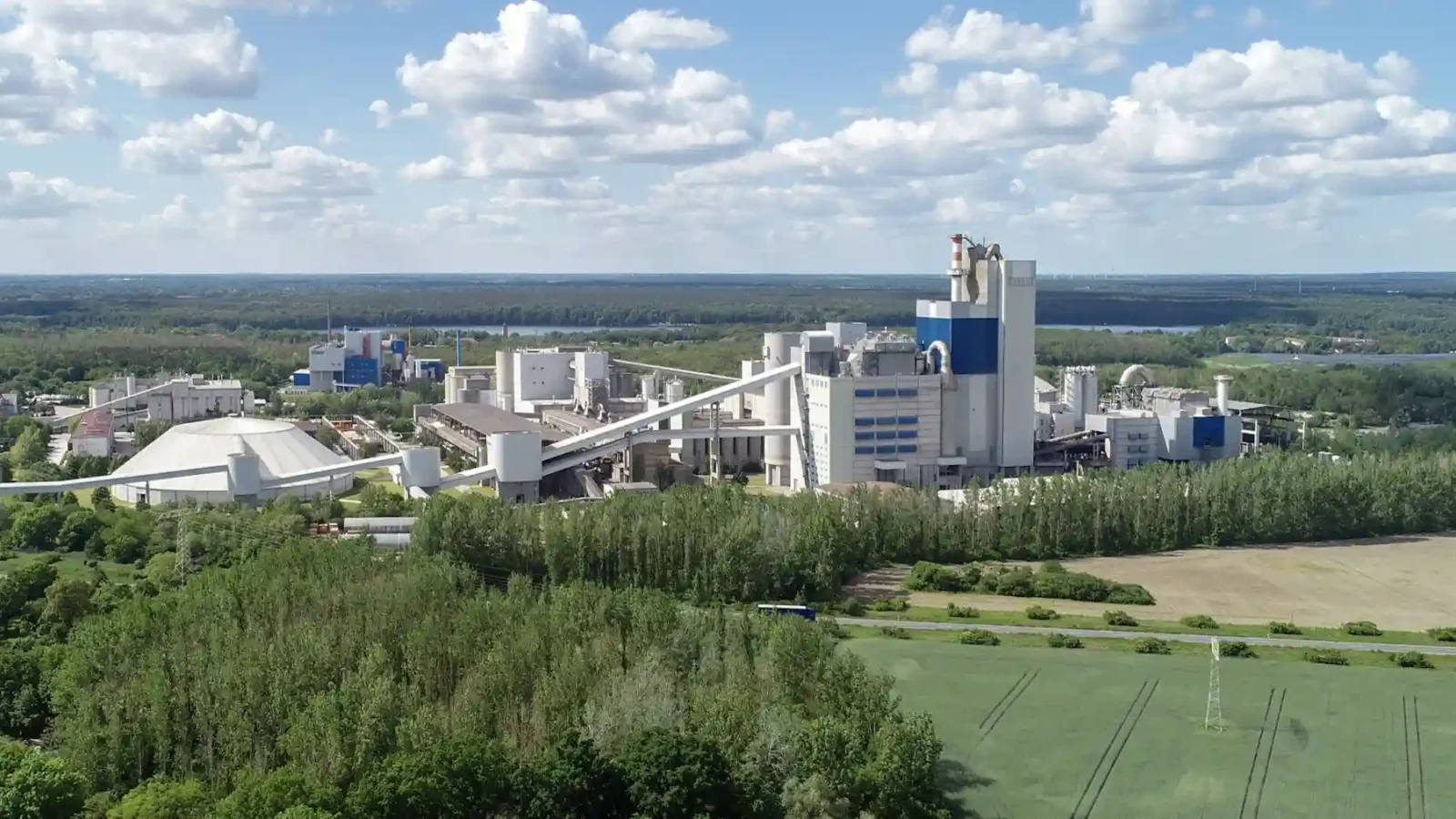
The building materials industry is among the most carbon-intensive sectors in the global economy.
Cement production generated 1.6 billion metric tonnes of CO₂ in 2022 , responsible — more than double the emissions recorded at the turn of the century — making it one of the largest single industrial sources of carbon dioxide in the world.
As a result, companies in this sector face mounting pressure to reduce emissions while continuing to meet the growing global demand for infrastructure and construction materials.
Cemex has responded by accelerating investment in technologies designed to lower emissions across its operations.
These initiatives include:
- Increasing the use of alternative fuels derived from waste materials
- Expanding low-carbon cement products
- Investing in carbon capture technologies
- Improving energy efficiency in production facilities
The company has also focused on advancing circular economy practices, including the reuse of industrial by-products as raw materials in cement manufacturing.
Such measures not only reduce emissions but also improve resource efficiency—an increasingly important factor as environmental regulations tighten around the world.
Strengthening Transparency and Governance
Beyond environmental performance, the ESG upgrade also reflects progress in governance and corporate transparency.
Institutional investors increasingly expect companies to demonstrate robust oversight structures, clear sustainability disclosures, and measurable targets for environmental and social performance.
Cemex has expanded its sustainability reporting framework in recent years, providing more detailed disclosures on emissions, resource consumption, and climate-related risks.
These improvements help investors better understand how the company is navigating the transition to a lower-carbon economy.
They also allow external analysts to evaluate whether Cemex’s strategy aligns with long-term global climate objectives.
In the context of MSCI’s rating methodology, stronger governance and disclosure practices contribute significantly to higher ESG scores.
A Competitive Advantage in a Changing Construction Market
The upgrade could also enhance Cemex’s competitive positioning within the construction materials sector.
Demand for lower-carbon building materials is rising rapidly as governments, developers, and infrastructure investors seek to reduce the environmental footprint of construction projects.
Public procurement policies in many countries now include sustainability requirements that favor suppliers with strong ESG credentials.
Private developers are also increasingly prioritizing environmentally responsible materials in response to investor pressure and green building standards.
In this environment, companies with strong sustainability performance may gain an advantage when competing for major infrastructure and construction contracts.
For Cemex, achieving an AAA ESG rating provides independent validation of its sustainability credentials—something that can strengthen its position in markets where environmental performance is becoming a key purchasing criterion.
Context is everything. While you follow today’s updates, use the Serrari Group Market Index and Marketplace to spot emerging shifts. Need to sharpen your edge? Our Wealth Builder Course turns these insights into a professional-grade strategy.
The Market Impact of ESG Rating Upgrades
While the reputational benefits of a top-tier ESG rating are clear, the financial implications often unfold more gradually.
Research suggests that stock prices tend to adjust slowly to changes in ESG ratings.
Instead of reacting immediately, markets often take several months to fully incorporate new sustainability information into company valuations.
This delayed reaction occurs because many institutional investors periodically rebalance their portfolios based on ESG criteria.
When a company’s rating improves, it may become eligible for inclusion in new sustainability-focused investment funds or indices.
These adjustments can lead to gradual capital inflows as portfolio managers update their holdings.
For Cemex, this means the impact of the rating upgrade may continue to play out over the coming quarters rather than being fully reflected in the market immediately.
Institutional Investors Drive ESG Capital Flows
Institutional investors play a central role in translating ESG ratings into financial outcomes.
Large asset managers increasingly integrate sustainability metrics into their investment processes.
When a company achieves a higher ESG rating, it signals to these investors that the firm may be better prepared to manage risks related to climate change, regulation, and resource scarcity.
Academic research supports this link between ESG ratings and financial performance.
Studies have found that downgrades in MSCI ESG ratings can lead to negative abnormal stock returns of around 3 percent over a six-month period.
The inverse effect—positive market performance following an upgrade—is therefore often expected, although the magnitude can vary.
In many cases, institutional portfolio adjustments are the primary mechanism driving these price movements.
If investors shift capital away from companies with weaker ESG profiles toward higher-rated peers, the resulting demand for shares can create a measurable tailwind for companies like Cemex.
Lower Financing Costs for Sustainable Projects
The ESG upgrade could also benefit Cemex by improving access to sustainable finance.
Financial institutions and green bond investors increasingly favor companies with strong environmental and governance credentials.
An AAA ESG rating signals that a company is effectively managing sustainability risks, which can reduce perceived investment risk.
As a result, companies with high ESG ratings may be able to secure financing at more favorable terms.
For Cemex, this could translate into lower borrowing costs for projects related to decarbonization and circular economy initiatives.
Such projects often require significant capital investment, including new technologies, facility upgrades, and research and development.
Lower financing costs can make these investments more economically viable while supporting the company’s broader sustainability goals.
Circular Economy Innovation in Construction
Cemex has positioned itself as a pioneer in applying circular economy principles to the construction industry.
Traditional construction materials production generates significant waste and relies heavily on virgin raw materials.
By contrast, circular economy approaches aim to reuse waste products, extend material lifecycles, and reduce environmental impacts.
Cemex has increased its use of waste and residues as alternative fuels and raw materials in cement production.
These materials include industrial by-products that would otherwise be sent to landfills.
The company has also invested in technologies designed to improve material efficiency and reduce the environmental footprint of its products.
Such initiatives are becoming increasingly important as governments introduce policies aimed at promoting circular economy practices.
Global Construction Demand Meets Climate Pressure
The recognition of Cemex’s sustainability progress comes at a time when the global construction industry faces a complex balancing act.
On one hand, demand for infrastructure and urban development continues to grow rapidly, particularly in emerging markets.
On the other hand, governments and investors are demanding lower-carbon solutions across the entire construction value chain.
This tension has placed building materials producers under increasing scrutiny.
Companies must find ways to reduce emissions while maintaining the scale and efficiency required to supply large construction projects.
Cemex’s ESG upgrade suggests that investors believe the company is moving in the right direction.
By integrating sustainability into its core strategy, the firm is positioning itself to navigate the evolving regulatory and economic landscape facing the construction sector.
ESG Leadership and Long-Term Value Creation
Ultimately, the significance of the AAA rating extends beyond immediate financial implications.
It reflects the growing importance of sustainability leadership in shaping corporate value.
Investors are increasingly evaluating companies not only on their current financial performance but also on their ability to manage long-term environmental and social risks.
For industries with high carbon footprints, this evaluation is becoming particularly critical.
Companies that fail to adapt may face regulatory penalties, rising costs, or declining demand for their products.
By contrast, firms that successfully integrate sustainability into their operations may gain access to new markets, attract long-term investors, and build stronger relationships with customers.
Outlook: A Sustainability Milestone With Long-Term Implications
Cemex’s elevation to the highest tier of MSCI ESG ratings marks an important milestone in the company’s sustainability journey.
It provides independent validation of the progress the company has made in managing environmental risks, improving governance, and embedding sustainability into its strategic decision-making.
However, the rating is also a signal of expectations.
Maintaining an AAA rating requires continuous improvement and sustained progress in addressing the environmental challenges facing the construction industry.
For investors, the upgrade offers reassurance that Cemex is positioning itself to remain competitive in a world increasingly defined by climate policy and sustainability considerations.
And for the broader construction sector, the development highlights a growing reality: sustainability performance is no longer just a reputational issue—it is becoming a central factor in determining long-term corporate value.
Your financial future isn’t something you wait for—it’s something you build.
The real question is: when do you begin?
Move beyond simply staying informed.
Navigate the markets with clarity—track trends through the Serrari Group Market Index, uncover opportunities in the Serrari Marketplace, and build practical knowledge with our Curated Wealth Builder Course.
Stay connected to what truly matters.
Get daily insights on macro trends and financial movements across Kenya, Africa, and global markets—delivered through the Serrari Newsletter.
Growth opens doors.
Advance your career through professional programs including ACCA, HESI A2, ATI TEAS 7 , HESI EXIT , NCLEX – RN and NCLEX – PN, Financial Literacy!🌟—designed to move you forward with confidence.
See where money is flowing—clearly and in real time.Track Money Market Funds, Treasury Bills, Treasury Bonds, Green Bonds, and Fixed Deposits, alongside global and African indexes, key economic indicators, and the evolving Crypto and stablecoin landscape—all withinSerrari’s Market Index.