The United States Department of Energy (DOE) has unveiled a $1.9 billion funding opportunity aimed at accelerating upgrades to the country’s aging electricity transmission network, marking one of the largest recent federal efforts to expand grid capacity and improve energy reliability.
Announced by the DOE’s Office of Electricity (OE), the initiative seeks to support projects that can rapidly modernize the national power grid to meet rising electricity demand while strengthening system resilience and lowering costs for consumers.
The funding will be distributed through the Speed to Power through Accelerated Reconductoring and other Key Advanced Transmission Technology Upgrades (SPARK) program, which focuses on deploying modern transmission technologies capable of increasing electricity capacity without requiring entirely new transmission corridors.
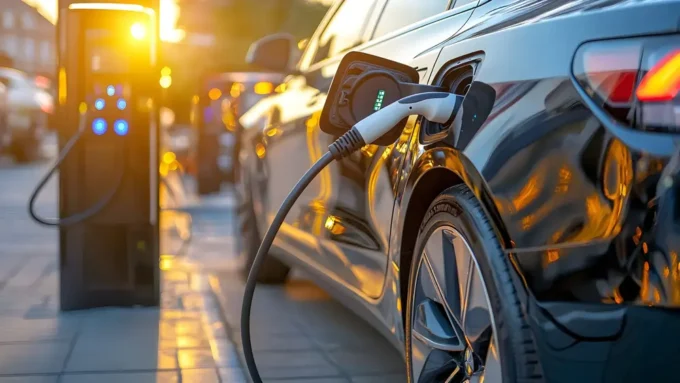
Federal officials say the program is designed to deliver fast, practical and scalable upgrades that address the growing pressure on the U.S. electricity system as energy demand rises across industries, households and emerging technologies such as data centers and electric vehicles.
Markets move fast; don’t get left behind. We’ve paired the Serrari Group Market Index with a curated Marketplace and a comprehensive Financial Literacy Course to ensure you have the data—and the skills—to act on it.
Rising Electricity Demand Driving Urgency
Electricity demand in the United States is increasing after years of relatively stable consumption.
The rapid expansion of data centers, artificial intelligence computing infrastructure, electrified transportation and industrial electrification is placing new demands on the nation’s grid.
Energy analysts warn that without significant upgrades to transmission infrastructure, the power system could face challenges in delivering reliable electricity during periods of peak demand.
Many of the country’s transmission lines were built decades ago and were designed for a different energy landscape—one dominated by centralized fossil-fuel power plants rather than modern distributed and renewable energy sources.
As a result, policymakers and energy experts increasingly view grid modernization as a critical national priority.
The SPARK program is intended to help utilities and grid operators respond more quickly to these pressures by deploying technologies that boost the capacity of existing infrastructure.
Reconductoring: A Faster Way to Expand Grid Capacity
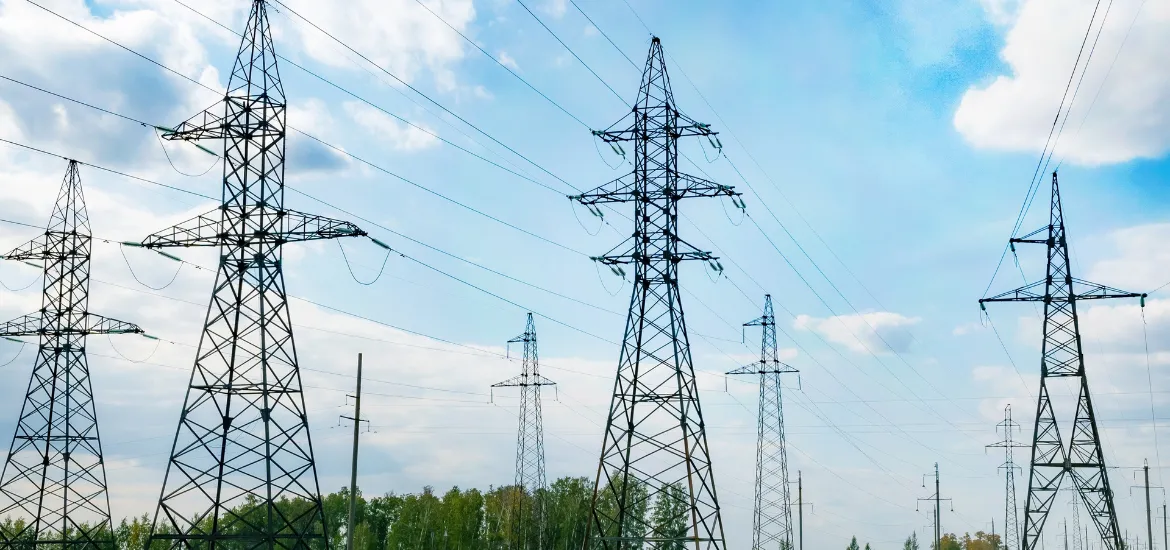
At the center of the new program is a strategy known as reconductoring, which involves replacing existing transmission lines with higher-capacity conductors capable of carrying more electricity.
Unlike building entirely new transmission corridors—which can take years or even decades due to permitting and regulatory hurdles—reconductoring allows utilities to upgrade existing infrastructure more quickly.
Because the upgrades take place along already established rights-of-way, projects can often move forward with fewer environmental and permitting challenges.
According to the Department of Energy, reconductoring can significantly increase transmission capacity while also improving efficiency and reliability.
When paired with Advanced Transmission Technologies (ATTs), such as grid monitoring systems, dynamic line ratings and advanced power flow controls, these upgrades can help utilities optimize how electricity moves across the network.
Federal officials say these technologies allow grid operators to maximize the use of existing infrastructure, improving operational flexibility and enabling more electricity to reach areas where demand is growing.
Supporting President Trump’s Energy Strategy
The SPARK funding initiative aligns with President Donald Trump’s Executive Order titled “Unleashing American Energy,” which emphasizes expanding domestic energy production and strengthening infrastructure to support economic growth.
The administration has argued that modernizing the nation’s electricity grid is essential for maintaining U.S. competitiveness and ensuring affordable energy for consumers.
“For too long, important grid modernization and energy addition efforts were not prioritized by past leaders,” said U.S. Secretary of Energy Chris Wright.
“Thanks to President Trump, we are doing the important work of modernizing our grid so electricity costs will be lowered for American families and businesses.”
The administration believes that strengthening the grid will help unlock new energy production while preventing bottlenecks that can drive up electricity prices.
Strengthening Reliability and Energy Security
Another key goal of the SPARK program is improving the reliability and resilience of the U.S. power grid.
Extreme weather events—including hurricanes, wildfires and winter storms—have exposed vulnerabilities in the country’s electricity infrastructure in recent years.
Grid failures during these events have highlighted the importance of modernizing transmission networks to ensure reliable electricity supply.
By increasing transmission capacity and improving operational efficiency, the new funding program aims to reduce the risk of outages and improve the grid’s ability to respond to sudden changes in demand or supply.
Katie Jereza, Assistant Secretary for the DOE’s Office of Electricity, said the program is designed to ensure the grid can support long-term economic growth.
“The United States must increase grid capacity to meet demand and ensure the grid provides reliable power—day in and day out,” she said.
“Through this SPARK funding opportunity, we will stabilize and optimize grid operations to strengthen it for rapid growth.”
Context is everything. While you follow today’s updates, use the Serrari Market Index and Marketplace to spot emerging shifts. Need to sharpen your edge? Our Financial Literacy Course turns these insights into a professional-grade strategy.
Building on the GRIP Program
The SPARK initiative builds on previous federal efforts to strengthen the U.S. electricity system.
In particular, it continues the mission of the Grid Resilience and Innovation Partnerships (GRIP) Program, which was launched to support grid modernization and infrastructure improvements across the country.
The GRIP program provided up to $10.5 billion in competitive funding over five years to support projects that improve grid resilience and innovation.
Funding from the program was made available to states, tribal governments, electric utilities and other eligible entities, helping accelerate investments in grid infrastructure.
The first two rounds of GRIP funding covered fiscal years 2022–2023 and 2023–2024, supporting a wide range of projects focused on improving grid reliability and integrating new energy resources.
The new SPARK funding opportunity continues this broader mission but places a stronger emphasis on rapid deployment of transmission upgrades using reconductoring and advanced technologies.
Making Better Use of Existing Infrastructure
One of the key advantages of reconductoring and advanced transmission technologies is their ability to increase grid capacity without requiring entirely new transmission corridors.
Building new transmission lines often faces lengthy permitting processes, land-use conflicts and environmental reviews that can delay projects for many years.
By upgrading existing infrastructure instead, utilities can deliver faster results while minimizing disruption to communities and ecosystems.
The Department of Energy says these upgrades can significantly expand the grid’s ability to move electricity across regions, helping balance supply and demand more effectively.
Improved transmission capacity also allows electricity generated in one region—such as renewable energy from wind or solar—to be delivered more efficiently to areas where demand is highest.
This flexibility is becoming increasingly important as the energy system evolves.
Lowering Electricity Costs for Consumers
Federal officials say the SPARK program is expected to help reduce electricity costs for households and businesses across the United States.
Transmission bottlenecks can increase electricity prices by limiting the flow of power between regions and forcing utilities to rely on more expensive local generation sources when demand rises. When electricity cannot move freely across the grid, wholesale energy markets become less efficient, often leading to higher costs that are eventually passed on to consumers.
By expanding transmission capacity, the grid can move electricity more efficiently across regions, reducing congestion and lowering wholesale energy costs. This improved power flow allows cheaper electricity generated in one region to reach areas where demand is higher, creating a more balanced and competitive energy market.
These savings can eventually translate into lower electricity bills for consumers, particularly during periods of peak demand when electricity prices typically spike.
Improved transmission efficiency can also reduce energy losses during electricity transport, further improving the overall cost-effectiveness of the power system and helping utilities deliver electricity more efficiently.
According to energy experts, modernizing the grid is one of the most effective ways to control long-term energy costs while ensuring that the electricity system remains reliable as demand continues to grow.
Preparing the Grid for Rapid Growth
The United States electricity system is entering a period of rapid transformation as new technologies and industries increase the need for reliable and continuous power supply.
New technologies such as electric vehicles, artificial intelligence computing centers, advanced manufacturing facilities and large-scale data centers are significantly increasing demand for electricity across many regions of the country.
At the same time, the country is integrating growing volumes of renewable energy, including wind and solar power, into the electricity grid. While these energy sources help diversify the energy mix, they also require a more flexible transmission network capable of balancing variable electricity generation across different regions.
These changes require a more flexible and modern transmission network capable of handling larger and more complex power flows than the grid was originally designed for decades ago.
Programs like SPARK aim to ensure that grid infrastructure keeps pace with these evolving demands by accelerating upgrades that expand transmission capacity and improve system efficiency.
By investing in advanced transmission technologies, the federal government hopes to prepare the power system for future growth while maintaining reliability and ensuring that electricity remains accessible and affordable for both households and industries.
Outlook: A Critical Moment for U.S. Grid Infrastructure
The launch of the SPARK program signals a broader recognition among policymakers that modernizing the power grid is essential for the future stability and competitiveness of the U.S. energy system.
As electricity demand rises and energy systems become more complex, transmission infrastructure will play an increasingly important role in ensuring reliable and affordable power across the country.
A stronger grid will also be critical for supporting economic growth, enabling new industries and technologies that depend heavily on stable electricity supply.
While the $1.9 billion program represents a significant federal investment, energy analysts say continued funding, regulatory reforms and coordinated planning will be necessary to fully address the country’s long-term grid modernization needs.
For now, the initiative marks an important step toward strengthening the nation’s electricity infrastructure and preparing the grid for a rapidly changing energy landscape.
If successful, the projects funded through the SPARK program could demonstrate how advanced transmission technologies can deliver faster upgrades, improve system resilience and help meet the growing electricity needs of the U.S. economy while keeping electricity systems stable and efficient.
Don’t just read the news—navigate it. Track trends with the Serrari Group Market Index, discover your next move in the Serrari Marketplace, and master the “how” with our Financial Literacy Course.
Photo Source: Google
By: Rosemary Wambui
16th March 2026