The government of the United Kingdom is stepping up efforts to expand clean energy access by promoting plug-in solar panels and new low-carbon housing standards, aiming to help households cut energy bills while strengthening national energy security.
The policy push comes as geopolitical tensions in the Middle East continue to highlight the vulnerability of global fossil-fuel markets. Officials say the ongoing instability is another reminder that reducing dependence on imported oil and gas is essential for long-term energy stability.
By accelerating renewable energy adoption and improving the energy efficiency of homes, the government hopes to build a system based on domestic, low-carbon energy sources that is less exposed to international price shocks and supply disruptions.
The measures form part of a wider strategy to expand renewable energy generation, modernize the electricity system, and give households greater control over how they produce and use energy. Ministers argue that enabling households to generate their own electricity could transform how energy is consumed in the future, making homes active participants in the national energy system.
Plug-In Solar Panels Could Soon Hit UK High Streets
A central element of the new plan is the introduction of plug-in solar panels, a relatively low-cost technology designed to make solar energy accessible to a broader range of households.
Unlike traditional rooftop installations, plug-in solar systems can be mounted on balconies, small gardens, or outdoor spaces, with electricity fed directly into a home through a standard power socket.
Because the systems do not require complex installation or professional fitting, they significantly reduce the upfront costs associated with residential solar energy. This simplicity could make solar power viable for households that have previously been unable to install conventional systems due to cost or building restrictions.
Retailers such as Lidl and Iceland are already working with the government to bring the devices to the UK market within months. Manufacturers including EcoFlow are also involved in preparing the rollout and adapting their products to meet UK safety standards.
Officials say the technology could provide a simple way for households—especially those living in apartments or rental properties—to participate in the clean energy transition.
Electricity generated by the panels can be used directly inside the home, reducing the amount of power drawn from the grid and helping to lower energy bills. Over time, widespread adoption could also reduce strain on the national electricity system by spreading energy generation across thousands of households.
Technology Already Proven Across Europe
Plug-in solar panels are already widely used across Europe, particularly in Germany, where demand for small-scale solar systems has surged in recent years.
German households install around half a million plug-in solar units annually, and more than 1.5 million homes are estimated to use the systems.
Supporters argue that the technology can play an important role in decentralizing energy systems by allowing individuals to generate electricity from their own homes. This decentralized model is increasingly seen as a key component of modern energy systems, especially as renewable power becomes more widespread.
Advocates also say the devices could accelerate the shift toward distributed energy generation, where households and communities become active participants in electricity production rather than passive consumers.
However, the systems are not currently available in the UK due to safety regulations governing electrical installations. The government says it is reviewing these rules to ensure the devices can be introduced safely without creating risks for homeowners.
Experts caution that because of the UK’s ageing housing stock and sometimes outdated electrical wiring, homes may require professional checks before installing plug-in solar systems. Ensuring electrical safety will therefore be a critical step before the technology becomes widely available.
Future Homes Standard to Transform New-Build Housing
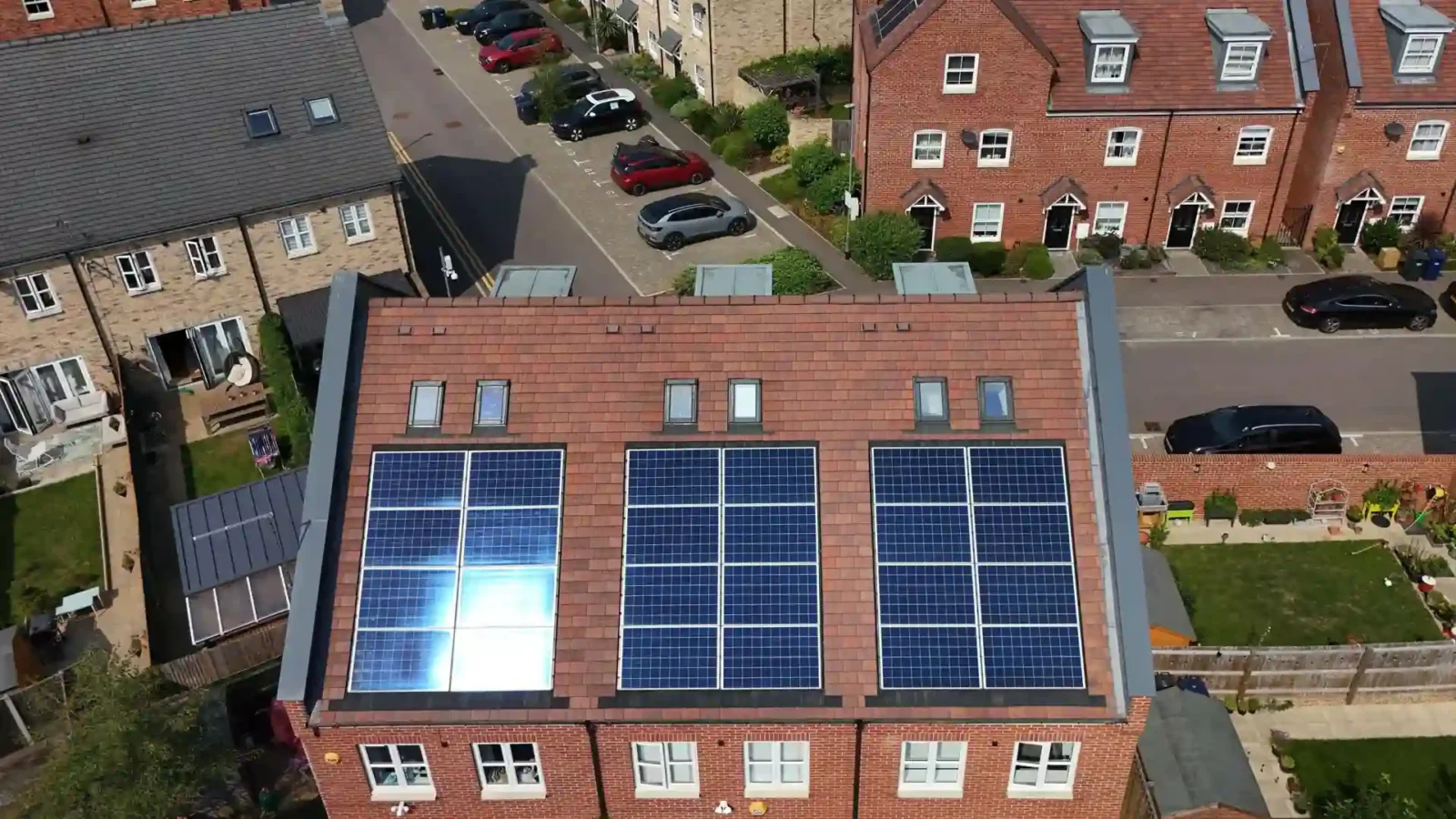
Alongside the push for household solar technology, the government has introduced new regulations under the Future Homes Standard, designed to ensure new houses are significantly more energy-efficient.
The rules will require most new homes to include solar panels and low-carbon heating systems, such as heat pumps, as standard features.
According to officials, the policy could save families up to £830 per year in energy costs compared with typical homes that meet the current minimum efficiency rating.
Homes built under the standard are also expected to produce at least 75 percent fewer carbon emissions than properties constructed under building regulations introduced in 2013.
Housing Secretary Steve Reed said the goal is to ensure that the government’s plan to build 1.5 million new homes also delivers properties that are warmer, cheaper to run, and better aligned with the country’s climate targets.
The new regulations are expected to come fully into force by 2028, giving developers time to adapt their building designs, update construction methods, and strengthen supply chains for low-carbon technologies.
Context is everything. While you follow today’s updates, use the Serrari Group Market Index and Marketplace to spot emerging shifts. Need to sharpen your edge? Our Wealth Builder Course turns these insights into a professional-grade strategy.
Clean Energy as a Strategy for Energy Security
Energy Secretary Ed Miliband said the current geopolitical situation reinforces the need to accelerate the transition to clean power.
According to Miliband, relying heavily on fossil-fuel markets leaves countries exposed to price volatility and supply disruptions beyond their control.
Expanding renewable energy sources such as solar and wind can help nations reduce these risks by producing more energy domestically.
Miliband also emphasized that the government’s clean energy strategy is intended not only to address climate change but also to protect households from future energy price shocks.
He said initiatives such as rooftop solar panels on new homes and plug-in solar systems for existing properties are part of a broader effort to give the country greater energy sovereignty and long-term energy stability.
Discounted Electricity on Windy Days
The government is also launching a new pilot program designed to tackle a long-standing inefficiency in the electricity system.
Currently, wind farms are sometimes paid to shut down turbines on particularly windy days because the electricity grid cannot transport all the power generated.
These payments—known as constraint payments—are necessary because parts of the network lack the infrastructure needed to move large amounts of renewable energy from where it is produced to where it is needed.
To address this issue, the government plans to trial a system allowing energy companies to offer discounted electricity to households and businesses when renewable generation exceeds grid capacity.
The trial will primarily focus on areas such as Scotland and the East of England, where wind power generation is high but grid constraints are common.
Instead of paying wind farms to stop producing electricity, the policy aims to encourage consumers to use the surplus power at lower prices.
Officials believe the approach could help reduce wasted renewable energy while lowering electricity bills for consumers and improving the efficiency of the energy system.
Energy Industry and Investors Welcome Reforms
Energy companies and industry groups have broadly welcomed the government’s new policies, viewing them as a significant step toward a more flexible and decentralized energy system.
Executives from companies including Octopus Energy, E.ON, EDF, and Centrica say the measures could accelerate electrification and encourage investment in clean technologies.
They also note that clearer building standards and government policies provide greater certainty for companies investing in renewable technologies and energy infrastructure.
Investor groups have likewise highlighted the potential for new building regulations and renewable energy incentives to attract private capital into the UK’s clean energy sector.
Debate Continues Over Energy Policy
Despite broad support from many energy and environmental groups, the policies have also sparked debate within the UK’s political landscape.
Some opposition figures argue that the government should prioritize expanding domestic fossil-fuel production, including issuing new oil and gas licences in the North Sea.
Critics of the net-zero strategy claim that reducing reliance on fossil fuels too quickly could increase costs for taxpayers and consumers.
However, government officials maintain that long-term energy security depends on expanding renewable energy and electrification rather than continuing reliance on declining fossil-fuel reserves.
Energy Minister Michael Shanks said that while the North Sea will remain important in the short term, the country’s long-term energy future lies in cleaner technologies and domestically generated electricity.
Outlook: Toward a More Decentralized Energy System
The UK’s latest energy initiatives highlight a broader shift toward a decentralized and consumer-driven energy system.
Technologies such as rooftop solar panels, plug-in solar systems, battery storage, and electric heating are increasingly allowing households to become both energy consumers and producers.
At the same time, new housing standards and electricity market reforms aim to ensure that renewable energy can be integrated more efficiently into the national grid.
If successfully implemented, these policies could reduce household energy bills, strengthen the country’s energy security, and accelerate progress toward climate goals.
However, the transition will require continued investment in electricity networks, energy storage systems, and renewable generation capacity.
For policymakers, the challenge will be balancing rapid deployment of clean energy technologies with the need to maintain reliability, affordability, and public confidence in the evolving energy system.
Your financial future isn’t something you wait for—it’s something you build.
The real question is: when do you begin?
Move beyond simply staying informed.
Navigate the markets with clarity—track trends through the Serrari Group Market Index, uncover opportunities in the Serrari Marketplace, and build practical knowledge with our Curated Wealth Builder Course.
Stay connected to what truly matters.
Get daily insights on macro trends and financial movements across Kenya, Africa, and global markets—delivered through the Serrari Newsletter.
Growth opens doors.
Advance your career through professional programs including ACCA, HESI A2, ATI TEAS 7 , HESI EXIT , NCLEX – RN and NCLEX – PN, Financial Literacy!🌟—designed to move you forward with confidence.
See where money is flowing—clearly and in real time.
Track Money Market Funds, Treasury Bills, Treasury Bonds, Green Bonds, and Fixed Deposits, alongside global and African indexes, key economic indicators, and the evolving Crypto and stablecoin landscape—all within Serrari’s Market Index.