Introduction
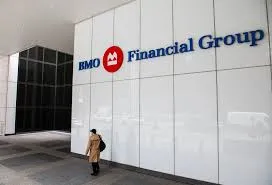
Sustainable finance continues to gain traction as investors and institutions increasingly prioritize environmental and social outcomes alongside financial returns. In this context, Bank of Montreal (BMO) has launched a €500 million green bond, equivalent to approximately $540 million, aimed at supporting projects in renewable energy, sustainable agriculture, and green building development.
The issuance forms part of BMO’s broader multi-year sustainable financing strategy, reflecting both rising investor demand for environmentally aligned investments and the bank’s commitment to supporting the global transition toward a low-carbon economy.
As green bonds become a central instrument in climate finance, this development highlights key trends shaping the fixed income market, including increased scrutiny over sustainability claims, the importance of transparent frameworks, and the growing role of financial institutions in driving environmental change.
Markets move fast; don’t get left behind. We’ve paired the Serrari Group Market Index with a curated Marketplace and a comprehensive Wealth Builder Course to ensure you have the data—and the skills—to act on it.
Understanding Green Bonds
Green bonds are fixed-income instruments specifically designed to raise capital for projects that deliver environmental benefits.
Unlike traditional bonds, where proceeds can be used for general purposes, green bonds are tied to clearly defined categories such as:
- Renewable energy
- Energy efficiency
- Sustainable agriculture
- Clean transportation
- Green buildings
Investors in green bonds receive regular interest payments and the return of principal at maturity, similar to conventional bonds. However, they also gain exposure to projects that contribute to environmental sustainability.
The global green bond market has grown significantly over the past decade, driven by climate commitments, regulatory initiatives, and increasing investor awareness.
Details of the BMO Green Bond Issuance
The €500 million issuance by Bank of Montreal is structured to finance and refinance projects aligned with sustainability goals.
Key Features
- Size: €500 million (~$540 million)
- Focus Areas:
- Renewable energy
- Sustainable agriculture
- Green buildings
- Renewable energy
- Settlement Date: Expected March 24, 2026
- Lead Manager: BMO Capital Markets
The bond proceeds are intended to support clients undertaking environmentally focused initiatives, particularly in sectors that are critical to reducing carbon emissions and improving resource efficiency.
The Role of Sustainable Bond Frameworks
A defining aspect of this issuance is its alignment with BMO’s Sustainable Bond Framework.
Such frameworks are essential in today’s green finance market because they:
- Define eligible categories for investment
- Ensure transparency in the use of proceeds
- Align with international standards such as the Green Bond Principles
- Provide accountability to investors
As investor scrutiny increases, frameworks have become a critical tool for mitigating concerns around greenwashing—the practice of overstating or misrepresenting environmental benefits.
By adhering to recognized standards, issuers can enhance credibility and attract a broader base of environmentally conscious investors.
Historical Context: The Rise of Green Bonds
Early Development
The green bond market began in 2007 when multilateral institutions such as the World Bank issued the first climate-focused bonds.
Initially, the market was relatively niche, with limited participation from private sector issuers.
Expansion in the 2010s
The 2010s saw rapid growth in green bond issuance, driven by:
- Increased awareness of climate change
- Government policies promoting sustainability
- The Paris Agreement in 2015
Financial institutions, corporations, and governments began issuing green bonds to fund environmental projects.
Mainstream Adoption
Today, green bonds are a mainstream component of global fixed income markets.
Large banks, including Bank of Montreal, play a central role in underwriting and issuing these instruments.
Why This Development Matters
The BMO green bond issuance carries several important implications.
Scaling Climate Finance
Achieving global climate targets requires trillions of dollars in investment.
Green bonds provide a mechanism for mobilizing capital at scale, enabling financial institutions to channel funds into environmentally beneficial projects.
Supporting Key Sectors
The focus on renewable energy, agriculture, and green buildings addresses some of the most critical areas in the transition to a sustainable economy.
- Renewable energy reduces reliance on fossil fuels
- Sustainable agriculture promotes efficient resource use
- Green buildings improve energy efficiency
Meeting Investor Demand
Investor interest in environmental, social, and governance (ESG) products has surged in recent years.
Green bonds offer a way for investors to align their portfolios with sustainability goals while maintaining exposure to fixed income assets.
Context is everything. While you follow today’s updates, use the Serrari Market Index and Marketplace to spot emerging shifts. Need to sharpen your edge? Our Wealth Builder Course turns these insights into a professional-grade strategy.
Risks and Challenges in the Green Bond Market
Despite their growth, green bonds face several challenges.
Greenwashing Concerns
One of the biggest risks is the potential for greenwashing.
Investors increasingly demand transparency to ensure that funds are genuinely used for environmentally beneficial purposes.
Standardization Issues
While frameworks exist, there is still no single global standard for green bonds.
Differences in definitions and reporting practices can create confusion.
Performance Trade-Offs
Some investors question whether green bonds offer competitive returns compared to traditional bonds.
Although yields are often similar, perceptions of trade-offs can influence demand.
Regulatory Evolution
As governments introduce stricter sustainability regulations, issuers may face increased compliance requirements.
Challenges for Financial Institutions
Banks and issuers face additional challenges in scaling sustainable finance.
Project Identification
Identifying eligible projects that meet sustainability criteria can be complex.
Reporting and Transparency
Issuers must provide detailed reporting on how funds are used and the environmental impact achieved.
Balancing Profitability and Sustainability
Financial institutions must balance commercial objectives with environmental commitments.
Looking Ahead: The Future of Green Bonds
The outlook for the green bond market remains strong.
Growth in Issuance
Global green bond issuance is expected to continue rising as governments and corporations pursue climate goals.
Increased Regulation
Stricter regulations may enhance transparency and reduce greenwashing risks.
Innovation in Sustainable Finance
New instruments, such as transition bonds and sustainability-linked bonds, are emerging alongside traditional green bonds.
Greater Investor Participation
As ESG investing becomes more mainstream, demand for green bonds is likely to increase further.
Conclusion
The €500 million green bond issued by Bank of Montreal represents another step forward in the evolution of sustainable finance.
By targeting renewable energy, sustainable agriculture, and green building projects, the bond supports critical sectors in the global transition to a low-carbon economy.
At the same time, the issuance highlights the importance of transparency, credible frameworks, and investor trust in the growing green bond market.
While challenges such as greenwashing and regulatory complexity remain, the continued expansion of green finance suggests that such instruments will play an increasingly central role in shaping the future of global capital markets.
As financial institutions, investors, and policymakers work together to address environmental challenges, green bonds are likely to remain a key tool in mobilizing the capital needed to drive meaningful change.
Your financial future isn’t something you wait for, it’s something you build.
The real question is: when do you begin?
Move beyond simply staying informed.
Navigate the markets with clarity—track trends through the Serrari Group Market Index, uncover opportunities in the Serrari Marketplace, and build practical knowledge with our Curated Wealth Builder Course.
Stay connected to what truly matters.
Get daily insights on macro trends and financial movements across Kenya, Africa, and global markets—delivered through the Serrari Newsletter.
Growth opens doors.
Advance your career through professional programs including ACCA, HESI A2, ATI TEAS 7 , HESI EXIT , NCLEX – RN and NCLEX – PN, Financial Literacy!🌟—designed to move you forward with confidence.
See where money is flowing—clearly and in real time.
Track Money Market Funds, Treasury Bills, Treasury Bonds, Green Bonds, and Fixed Deposits, alongside global and African indexes, key economic indicators, and the evolving Crypto and stablecoin landscape—all within Serrari’s Market Index.