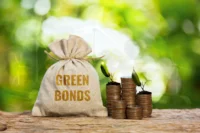
Kochi Corporation has proposed issuing a municipal green bond to finance a new generation of climate-resilient infrastructure projects, marking a significant step in the coastal city’s transition toward environmentally aligned urban development.
The proposal, announced in the city’s latest municipal budget, aims to mobilise long-term capital for projects integrating ecological restoration, water management and sustainable transport within a unified “green-blue-grey” infrastructure framework. The approach reflects a growing recognition among Indian cities that climate adaptation and urban growth must be planned together rather than separately.
By linking municipal finance to environmental outcomes, Kochi is positioning itself among a small but expanding group of Indian urban bodies exploring green bonds as a tool to support sustainable infrastructure investment.
Build the future you deserve. Get started with our top-tier Online courses: ACCA, HESI A2, ATI TEAS 7, HESI EXIT, NCLEX-RN, NCLEX-PN, and Financial Literacy. Let Serrari Ed guide your path to success. Enroll today.
Green-Blue-Grey Model Anchors Development Vision
At the core of Kochi’s strategy is the adoption of a green-blue-grey development model, which combines ecological assets, water systems and built infrastructure into a single urban planning framework.
For a city defined by backwaters, canals and coastal ecosystems, such an approach is considered particularly relevant. Officials said the proposed green bond will fund projects that enhance natural drainage systems, restore waterways and expand green corridors while integrating them with transport and public space networks.
Planned initiatives include canal modernisation, creation of new blue-green public spaces, rejuvenation of degraded water bodies and development of interconnected green corridors across the city. Eco-friendly freight and mobility infrastructure is also expected to form part of the investment pipeline.
Urban planners view such projects as nature-based solutions capable of reducing flood risk, improving biodiversity and enhancing urban livability while supporting economic growth.
Municipal Green Bond Proposed Under National Guidelines
The proposed Kochi green bond will be structured in accordance with regulatory guidance issued by the Reserve Bank of India (RBI), the Securities and Exchange Board of India (SEBI) and provisions outlined in India’s Union Budget for 2026–27.
Municipal authorities indicated that funds raised through the bond would be ring-fenced for designated environmental and climate-aligned infrastructure projects. Oversight and monitoring mechanisms led by the Corporation Secretary are expected to ensure compliance with green finance standards and reporting requirements.
The corporation also plans to pursue a broader municipal bond programme after securing the necessary credit ratings and regulatory approvals. Green bonds would form part of this wider municipal finance strategy aimed at diversifying funding sources beyond traditional budgetary allocations and state transfers.
Public-Private Partnerships to Support Implementation
PPP structures are increasingly used in Indian urban infrastructure projects to mobilise private capital and technical expertise while retaining public oversight. Officials said this approach would help ensure timely implementation of canal restoration, green space development and eco-mobility initiatives funded through the green bond.
The PPP framework also reflects the scale of investment required for climate-resilient infrastructure in coastal cities, where adaptation projects often exceed the fiscal capacity of municipal budgets alone.
Budget Surplus Supports Sustainable Finance Pivot
The Kochi municipal budget outlined projected revenue of ₹1,388 crore against estimated expenditure of ₹1,255 crore, indicating a modest surplus on paper. Part of future capital expenditure is expected to be supported through green bond issuance.
Urban finance specialists note that municipal green bonds can provide access to long-term capital for infrastructure projects delivering measurable environmental benefits. Such instruments allow cities to align financing with sustainability goals while potentially attracting investors seeking climate-aligned assets.
For Kochi, the shift toward green bond financing signals an effort to integrate environmental planning into fiscal strategy rather than treating climate projects as isolated initiatives.
Canal Restoration and Green Corridors Prioritised
Among the flagship initiatives proposed under the green-blue-grey framework is large-scale canal modernisation and restoration.
Kochi’s historic canal network has long served as both drainage and transport infrastructure but has deteriorated over decades due to urbanisation and neglect. Reviving these waterways is seen as essential to flood mitigation, water quality improvement and ecological restoration.
The green bond programme also envisages expanding interconnected green corridors linking public spaces, waterfronts and neighbourhoods. Such corridors can support biodiversity, reduce urban heat and improve mobility for pedestrians and cyclists while enhancing the city’s environmental character.
Eco-Friendly Mobility and Water Integration Planned
The infrastructure plan also includes eco-friendly freight and transport facilities integrated with water systems and green spaces.
Officials indicated that improved waterways, sustainable transport links and green corridors could form a multi-modal urban network that reduces congestion and emissions while enhancing resilience to flooding and climate stress.
Integrated water management — including drainage upgrades and restoration of natural hydrological systems — is another key component. Urban planners emphasise that coastal cities such as Kochi must manage water flows holistically to address both flooding and ecological health.
One decision can change your entire career. Take that step with our Online courses in ACCA, HESI A2, ATI TEAS 7, HESI EXIT, NCLEX-RN, NCLEX-PN, and Financial Literacy. Join Serrari Ed and start building your brighter future today.
Municipal Green Bonds Offer New Financing Pathways
Urban finance experts say municipal green bonds can broaden funding access for cities undertaking climate-aligned infrastructure projects.
Unlike traditional municipal borrowing, green bonds tie financing to specific environmental outcomes, potentially attracting institutional investors focused on sustainable assets. Internationally, cities such as Paris, Johannesburg and Mexico City have used green bonds to fund urban climate and infrastructure initiatives.
In India, municipal bond markets remain relatively underdeveloped, though several cities have issued bonds in recent years. Kochi’s proposed green bond therefore represents part of a gradual expansion of municipal sustainable finance tools within the country.
Investor Confidence Depends on Transparency and Metrics
Experts caution that successful green bond issuance depends on strong governance, credible project pipelines and transparent reporting frameworks.
Investors increasingly expect measurable indicators such as emissions reduction, flood mitigation benefits, biodiversity outcomes and climate resilience gains. Without clear benchmarks and monitoring systems, green bonds may struggle to achieve favourable pricing or investor demand.
Many Indian municipalities are still building capacity in these areas, particularly in environmental data collection and financial disclosure. Kochi’s planned digital budget dashboard — designed to track project implementation in real time — could help strengthen transparency and investor confidence if implemented effectively.
Kochi Could Offer Model for Mid-Sized Cities
If executed successfully, Kochi’s green bond initiative may provide a template for other mid-sized Indian cities seeking to balance fiscal constraints with climate-ready urban growth.
Urban areas across India face mounting infrastructure demands alongside increasing climate risks, especially flooding and heat stress. Traditional financing channels often fall short of funding required adaptation projects.
Municipal green bonds offer one pathway for cities to mobilise capital aligned with sustainability goals while improving accountability and project discipline. Kochi’s experience may therefore be closely watched by other municipalities considering similar financing strategies.
Broader Budget Includes Social and Urban Projects
Alongside the green bond proposal, the Kochi budget also outlined allocations for social, environmental and urban initiatives.
Infrastructure proposals include a second bridge connecting the corporation office and Bolgatty, highlighting the continued need to balance sustainability investments with conventional urban infrastructure.
Coastal Climate Risks Increase Infrastructure Urgency
Kochi’s push toward climate-aligned infrastructure financing reflects growing awareness of coastal vulnerability.
As a low-lying city interlaced with waterways, Kochi faces heightened exposure to flooding, sea-level rise and extreme rainfall events. Urbanisation has intensified drainage challenges, while ecological degradation has reduced natural buffering capacity.
Green-blue-grey infrastructure — integrating natural and engineered systems — is increasingly viewed as essential for coastal resilience. Financing such projects through green bonds allows cities to align adaptation needs with long-term investment frameworks.
Delivery Will Determine Credibility of Green Finance
Urban planners emphasise that the success of Kochi’s green bond strategy will depend less on policy announcements and more on implementation outcomes.
Global investors increasingly assess municipal green bonds based on both environmental and financial performance over time. Demonstrated delivery of measurable climate and ecological benefits is essential to sustaining investor confidence and market credibility.
For Kochi, the coming fiscal cycle will therefore test whether municipal sustainable finance tools can translate planning ambition into operational infrastructure.
Outlook:
Kochi’s proposed green bond reflects a broader shift toward sustainable municipal finance as cities confront escalating climate risks and infrastructure demands.
As urban areas seek to modernise water systems, restore ecosystems and build climate-resilient transport networks, traditional public funding alone is unlikely to meet investment needs. Municipal green bonds offer a mechanism to align capital markets with environmental urban development.
If Kochi succeeds in issuing and deploying its green bond effectively, it could strengthen confidence in municipal sustainable finance across India and support wider adoption of green-blue-grey infrastructure models in coastal and climate-vulnerable cities.
Ready to take your career to the next level? Join our Online courses: ACCA, HESI A2, ATI TEAS 7 , HESI EXIT , NCLEX – RN and NCLEX – PN, Financial Literacy!🌟 Dive into a world of opportunities and empower yourself for success. Explore more at Serrari Ed and start your exciting journey today! ✨
Track GDP, Inflation and Central Bank rates for top African markets with Serrari’s comparator tool.
See today’s Treasury bonds and Money market funds movement across financial service providers in Kenya, using Serrari’s comparator tools.
photo source: Google
By: Rosemary Wambui
27th February, 2026