Kenya has established an ambitious renewable energy transition agenda aligned with global climate commitments, with the government’s Energy Transition and Investment Plan launched in November 2024 committing the country to achieve net-zero emissions by 2050 while ensuring the power grid remains renewable-driven. The Plan represents a strategic document establishing Kenya’s pathway to climate-aligned economic development, recognizing that the renewable energy transition is not merely an environmental imperative but an economic opportunity enabling Kenya to reduce fossil fuel import dependence, enhance energy security, and position itself as a regional clean energy leader. Green bonds have emerged as critical financing mechanisms enabling Kenya to mobilize both domestic and international capital for renewable energy infrastructure, sustainable transportation, and climate-resilient development. Understanding Kenya’s renewable energy transition requires examining the technical requirements, the financing strategies, and the role that sustainable finance plays in enabling transformation toward clean energy systems.
Build the future you deserve. Get started with our top-tier Online courses: ACCA, HESI A2, ATI TEAS 7, HESI EXIT, NCLEX-RN, NCLEX-PN, and Financial Literacy. Let Serrari Ed guide your path to success. Enroll today.
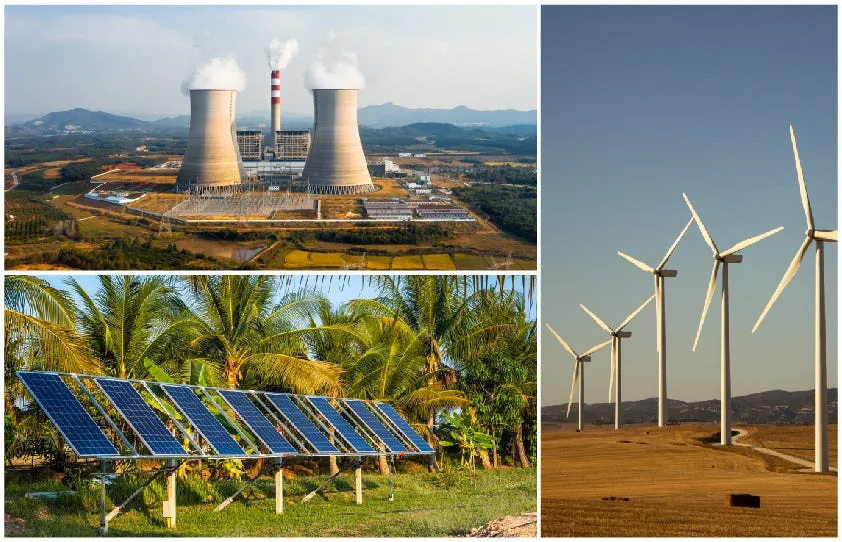
Kenya’s current energy portfolio reflects substantial renewable energy capacity, with geothermal, hydroelectric, and increasingly wind and solar generation representing significant proportions of total electricity supply. The country benefits from extraordinary geothermal resources concentrated in the Rift Valley, with geothermal capacity representing approximately 30-40% of total generation capacity and providing baseload renewable energy. KenGen’s strategic initiatives and the G2G Strategy 2024-2034 have prioritized expansion of renewable generation capacity, with planned investment in geothermal capacity expansion, wind farm development in Marsabit, and solar installations across the country. The ambitious expansion of renewable capacity is essential to meeting growing electricity demand from rapid urbanization and economic development while simultaneously achieving the clean energy objectives embedded in the Energy Transition Plan.
Green bond issuance by both government and private sector entities has become an increasingly important financing mechanism for renewable energy projects. The Kenya Green Bond Guidelines establish standardized definitions and eligibility criteria for projects qualifying for green bond financing. Eligible projects include renewable energy generation including wind, solar, geothermal, and hydroelectric installations; energy efficiency improvements in buildings and industrial facilities; sustainable transportation infrastructure including bus rapid transit and electric vehicle charging networks; water and sanitation infrastructure; sustainable agriculture; and waste management systems. The broad eligibility criteria enable diverse project categories to access green financing, supporting comprehensive climate-aligned investment across Kenya’s economy.
Safaricom’s extraordinary green bond success in 2025 demonstrated that private sector green bonds can attract exceptional investor demand when backed by credible companies with genuine sustainability credentials. The KES 20 billion green bond received bids exceeding KES 41 billion, representing 175% oversubscription, with 2,453 retail investors participating and 59% of applications submitted via USSD. The bond proceeds were directed toward energy-efficient network investments including 5G rollout, site solarization, and replacement of legacy technologies with cleaner alternatives. Safaricom’s ability to raise capital for sustainability objectives at competitive yields demonstrates that the company can finance energy efficiency improvements at lower cost through green bonds than through bank financing or alternative capital sources.
The relationship between green bonds and Kenya’s broader sustainable development agenda has become increasingly central to policymaking. The government recognizes that achieving climate objectives requires financing renewable energy and sustainable infrastructure at scales substantially exceeding available government budget allocations. Green bonds enable mobilization of private capital and international investor funds specifically designated for sustainability objectives, expanding total available financing beyond what government budgets could independently support. The ability to tap into global pools of ESG-focused capital provides Kenya competitive advantage in accessing concessional and favorable-term financing relative to conventional commercial borrowing.
International investor appetite for Kenya’s green bonds reflects the country’s renewable energy potential, policy commitment to clean energy transition, and the attractive risk-adjusted returns available on green projects. Pension funds, endowments, and asset managers with ESG mandates have increasingly evaluated Kenya as an attractive destination for sustainable investment. The country’s stability relative to some African peers, its developed financial markets infrastructure, and the technical quality of renewable energy projects have positioned Kenya favorably within the universe of African green bond opportunities. The international investor engagement has been particularly important to enabling green bonds to serve as a mechanism connecting Kenya’s capital needs to global sustainable finance flows.
Regional leadership in renewable energy within East Africa has positioned Kenya as a hub for clean energy development and technical expertise. The existence of KenGen as a world-class geothermal operator and the development of multiple utility-scale wind and solar projects have created local capacity for renewable energy project development and operation. The technical experience and institutional capacity support both domestic project implementation and potential expansion into neighboring countries seeking to replicate Kenya’s renewable energy success. Kenya’s position as a regional renewable energy leader could translate into economic opportunities for Kenyan companies and workers engaged in regional clean energy development.
The financing requirements for Kenya’s Energy Transition Plan are substantial, with estimated investment needs in the range of billions of dollars over the transition period. Government budgets cannot independently finance the renewable energy expansion required, necessitating private sector investment, international development finance, and innovative financing mechanisms including green bonds. The mobilization of private capital through green bonds, while not addressing the complete financing gap, represents an important mechanism enabling capital deployment aligned with sustainability objectives. The development of green bond markets should accordingly be understood as a critical component of Kenya’s toolkit for financing the energy transition.
Challenges confronting Kenya’s renewable energy transition include infrastructure development required to support renewable generation, grid modernization enabling variable renewable sources, and the financing of transition in fossil-fuel dependent regions including coal mining areas. The grid modernization requirements are substantial, as renewable energy sources including wind and solar are variable and require sophisticated forecasting, energy storage, and grid management capabilities. Investment in battery storage, pumped hydro storage, and smart grid technology will be essential to maintaining grid stability as renewable penetration increases. Green bonds directed toward grid infrastructure modernization represent an important application area with substantial capital requirements.
The just transition considerations inherent in the energy transition require ensuring that workers and communities dependent on fossil fuel industries are supported through the transition to clean energy. Kenya’s coal mining operations, concentrated in specific regions, employ thousands of workers whose livelihoods depend on fossil fuel production. The energy transition plan must contemplate how these workers and regions will transition to alternative economic opportunities, whether through renewable energy projects, economic diversification, or transition support mechanisms. Green bond proceeds dedicated to just transition initiatives—retraining programs, community economic development, regional infrastructure projects—could help ensure that energy transition benefits are broadly shared rather than concentrated among renewable energy companies and investors.
One decision can change your entire career. Take that step with our Online courses in ACCA, HESI A2, ATI TEAS 7, HESI EXIT, NCLEX-RN, NCLEX-PN, and Financial Literacy. Join Serrari Ed and start building your brighter future today.
Technology Innovation and Cost Reduction in Renewable Energy
The continuous decline in renewable energy technology costs, particularly for solar and wind installations, has dramatically improved the economics of renewable energy transition. Cost reductions have made renewable energy competitive with fossil fuel-based generation on a purely economic basis, independent of environmental considerations. The continued advancement of battery storage technology, grid management systems, and renewable forecasting capabilities will further enhance the technical viability and economics of high-penetration renewable energy systems. Kenya’s position to benefit from these cost reductions is favorable, as the country can leverage global technology advances while maintaining domestic renewable resource advantages.
Cross-Border Energy Trade and Regional Renewable Energy Integration
Kenya’s abundant renewable energy resources position the country to become an energy exporter within East Africa, if infrastructure enabling cross-border electricity trade can be developed. The interconnection of East African power grids and establishment of regional electricity markets could enable Kenya to export renewable electricity to neighboring countries, generating foreign exchange revenue while supporting regional energy security. However, the development of regional energy trade requires policy coordination, regulatory harmonization, and substantial infrastructure investment. The potential for Kenya to establish energy export leadership within Africa represents a longer-term opportunity dependent on successful renewable energy transition implementation.
Just Transition and Regional Equity Considerations
The transition from coal-based power generation to renewables carries equity implications for regions dependent on coal mining and coal-fired power generation. The transition must be managed to avoid concentrated costs on vulnerable populations while distributing benefits broadly. Green bond financing dedicated to just transition initiatives could support affected workers and communities, enabling economic participation in the renewable energy transition rather than displacement. The integration of equity considerations into Kenya’s energy transition planning represents important social dimension of the broader environmental transition objectives.
The outlook for Kenya’s green bond market appears constructively anchored to the country’s renewable energy requirements and the global investor appetite for sustainable finance. The successful execution of major green bond issuances by both government and private sector entities has demonstrated market viability and investor confidence. The government’s Energy Transition Plan provides strategic framework and policy certainty supporting long-term green financing. As renewable energy projects generate reliable returns and demonstrate technical success, investor confidence should support continued green bond demand. The development of Kenya’s green bond market should be understood not as peripheral climate finance initiative but as core to Kenya’s economic development strategy, enabling clean energy transition while mobilizing capital for sustainable development. Continued growth in green bond issuance and the expansion of project categories eligible for green financing should support Kenya’s pathway toward the ambitious climate objectives embedded in the Energy Transition Plan and the broader net-zero 2050 commitment.
Ready to take your career to the next level? Join our Online courses: ACCA, HESI A2, ATI TEAS 7 , HESI EXIT , NCLEX-RN and NCLEX-PN, Financial Literacy! 🌟 Dive into a world of opportunities and empower yourself for success. Explore more at Serrari Ed and start your exciting journey today! ✨
Track GDP, Inflation and Central Bank rates for top African markets with Serrari’s comparator tool.
See today’s Treasury bonds and Money market funds movement across financial service providers in Kenya, using Serrari’s comparator tools.
Photo Source: Google
By: Montel Kamau
Serrari Financial Analyst
9th March, 2026