Kenya’s real estate market is experiencing a meaningful rebound following the property price declines of 2023-2024, with residential prices rising 7.8% in the year to June 2025 according to updated market data. This capital appreciation represents a significant reversal from the 14.28% year-on-year price decline recorded in 2024, signaling restored investor confidence and renewed demand from both owner-occupiers and portfolio investors. The recovery reflects improved macroeconomic conditions, stabilizing interest rates following the Central Bank’s easing cycle, and accelerating urbanization trends driving sustained demand for residential properties. However, the resurgence masks persistent affordability challenges, as the absolute price levels of residential properties remain elevated relative to median household incomes, perpetuating the structural housing deficit that characterizes Kenya’s property landscape. Understanding the recovery requires examining both the positive demand drivers and the structural constraints limiting meaningful progress toward housing access objectives.
Build the future you deserve. Get started with our top-tier Online courses: ACCA, HESI A2, ATI TEAS 7, HESI EXIT, NCLEX-RN, NCLEX-PN, and Financial Literacy. Let Serrari Ed guide your path to success. Enroll today.
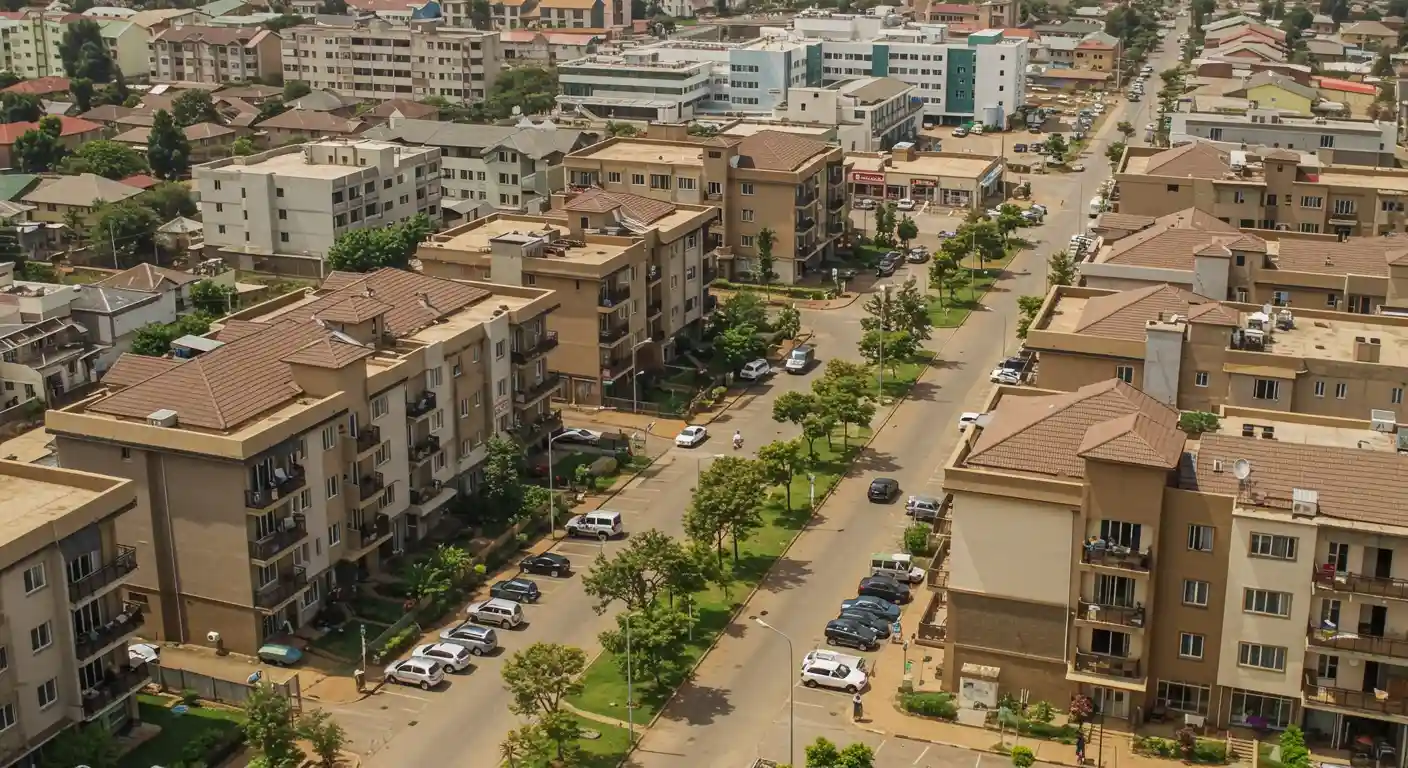
Nairobi and secondary urban centers have experienced the most dramatic property price recoveries, with capital gains reflecting both renormalization following the 2024 decline and underlying supply-demand imbalances driving prices upward. The Nairobi Metropolitan Area represents the primary source of real estate investment activity and price appreciation, with commercial properties in the central business district experiencing renovation and re-leasing activity as confidence improves. Premium residential segments including gated communities in Kilimani, Lavington, and Westlands have experienced particularly strong price appreciation, as high-net-worth individuals and international investors have resumed property acquisitions. These premium segments have recovered 10-15% from their 2024 lows, reflecting the outsized demand from wealthy buyers relatively insensitive to interest rate movements.
Middle-income residential property in Nairobi’s expanding urban periphery including areas such as Kitengela, Kiambu, and Karura has experienced even more robust price appreciation, with land values rising 10%+ year-on-year. The development of infrastructure including the Standard Gauge Railway, expanded highway capacity, and business parks in these peripheral areas has dramatically enhanced accessibility and property attractiveness. Commuting times from central Nairobi to these once-distant peripheral towns have contracted, making them viable for daily commuters seeking more affordable properties than those available in central locations. This infrastructure-driven property appreciation represents a rational market response to enhanced accessibility and reduced transportation costs.
The relationship between interest rate movements and property prices has proven more complex than simple inverse correlations might suggest. During 2024, when Central Bank rates remained in the 11-13% range, property prices declined as the cost of mortgage financing escalated dramatically. Potential homebuyers found 17-18% mortgage rates unaffordable relative to their incomes, reducing effective demand and putting downward pressure on prices. As the CBK has executed its easing cycle and mortgage rates have declined toward 12-13%, housing affordability has improved measurably, supporting renewed demand. Buyers who found mortgage payments consuming 50%+ of household income at 17% rates can now afford to purchase at 12-13% rates, as monthly payments decline proportionally to the interest rate reduction.
Commercial property markets have similarly experienced recovery in 2025, with office space, retail outlets, and hospitality facilities attracting renewed investor interest. The recovery reflects improved economic growth prospects, corporate confidence regarding business expansion, and normalization of office space demand following the pandemic-era remote work transition. Prime office space in Nairobi’s business districts commands rental rates of USD 20-30 per square meter annually, while retail space in established shopping centers generates returns in the 8-12% range. For institutional investors seeking income-generating assets, commercial properties continue to offer attractive yield profiles relative to alternative investments.
The government’s affordable housing program has maintained development momentum despite execution challenges, with 4,888 units reported nearing completion in November 2024 and allocation of 5,000 additional units in early 2025. The program targets residential units priced from KES 600,000 to KES 4 million, spanning social housing for low-income beneficiaries through middle-income housing accessible to salaried workers. Completion and allocation of units in secondary cities including Kisumu, Mombasa, and Kericho has extended the program’s reach beyond Nairobi, distributing affordable housing opportunities more geographically dispersed. However, the annual delivery of approximately 140,000 units to date falls substantially short of the estimated annual housing deficit of 200,000 units, suggesting that supply constraints will persist absent dramatic acceleration in construction activity.
Urbanization trends continue to drive underlying demand for residential property, particularly in secondary cities experiencing rapid population growth and economic expansion. Cities including Kisumu, Mombasa, Nakuru, and Eldoret have attracted significant internal migration as individuals seek economic opportunities and improved service quality relative to rural areas. The urbanization of Kenya’s population has historically driven property prices upward, as limited housing supply confronts expanding urban populations. Infrastructure development including port improvements in Mombasa, expanded airport facilities, and business park development has supported secondary city development and property price appreciation. The continuation of urbanization trends suggests that underlying demand pressures supporting property prices will persist throughout the medium term.
Rental yields have remained relatively stable despite property price appreciation, with commercial properties continuing to deliver 8-12% annual rental returns depending on location and property condition. Residential rental markets have experienced less dramatic yield expansion, with owner-occupier demand rather than rental return considerations driving much residential property investment. The relatively modest residential yields of 5-7% per annum reflect the preference of many property buyers for capital appreciation rather than rental income as the primary return source. This preference for capital appreciation over income returns suggests that property investors believe future price appreciation will exceed available rental yields, reflecting confidence in ongoing property price appreciation.
Environmental and sustainability considerations have become increasingly important in property development and investor decision-making. Growing demand for energy-efficient and eco-friendly residential developments has emerged, reflecting both investor preference for sustainable assets and regulatory developments incentivizing green building practices. Developers incorporating solar power, water harvesting, waste management systems, and other environmental features are reporting strong customer demand and ability to command modest price premiums relative to conventional properties. Government policies supporting green building standards and investor interest in ESG-aligned assets suggest that environmental considerations will become progressively more important to property investment decisions and valuations.
One decision can change your entire career. Take that step with our Online courses in ACCA, HESI A2, ATI TEAS 7, HESI EXIT, NCLEX-RN, NCLEX-PN, and Financial Literacy. Join Serrari Ed and start building your brighter future today.
Technology adoption in real estate transactions and property management has accelerated, improving market efficiency and transparency. Online property listing platforms, virtual tour capabilities, and digital transaction processing have reduced information asymmetries and friction costs in property markets. Institutional investors managing large portfolios have increasingly adopted property management software and data analytics to optimize portfolio performance. Fintech platforms enabling property financing and investment have expanded access to real estate investment opportunities for smaller capital providers. These technological innovations have contributed to market depth and efficiency improvements supporting the recovery trajectory.
Legal and regulatory frameworks governing real estate transactions remain an important constraint on market efficiency, despite improvements in recent years. Property registration processes and title verification continue to involve administrative delays that extend transaction timelines and create transaction cost uncertainty. Dispute resolution mechanisms for property-related conflicts remain slow and expensive, deterring some investors from property market engagement. However, ongoing digitalization of land registries and judicial system improvements are gradually addressing these constraints, supporting enhanced market efficiency and investor confidence.
M-Pesa Integration and Financial Inclusion in Real Estate
The integration of M-Pesa payments and mobile money systems into property transaction processing has enhanced the accessibility and efficiency of real estate transactions for retail buyers. The ability to transmit down payments and deposit funds through M-Pesa has reduced transaction friction and enabled smaller investors to participate in property markets more readily. The development of fintech platforms enabling real estate investment through mobile applications has further democratized property investment access, allowing savers with modest capital to participate in property development and ownership through fractional investment models. The advancement of financial inclusion mechanisms in real estate markets should support expanded property ownership and wealth building among populations previously excluded from property investment.
Infrastructure Investment and Property Valuation Implications
The government’s continuing investment in transportation infrastructure including highway expansions and the Standard Gauge Railway has created substantial positive externalities for adjacent properties through improved accessibility and reduced commuting times. The capitalization of these infrastructure benefits into property prices reflects rational investor assessment of enhanced utility and future property attractiveness. Continued coordination between infrastructure investment planning and property development initiatives could enable more efficient urban expansion and property value creation. However, infrastructure investments also create risks of property speculation and supply-demand mismatches if development patterns fail to coordinate efficiently with population migration and employment center evolution.
The outlook for Kenya’s real estate market appears supportive of continued moderate price appreciation, driven by urbanization, infrastructure development, and improving financing conditions. If the CBK’s easing cycle stabilizes policy rates around 8.5-9%, mortgage rates in the 11-12% range should support sustained housing demand and price appreciation. However, deterioration in economic growth, renewed inflation pressures, or external shocks could reverse the recovery trajectory. Real estate investors should accordingly remain cognizant of broader macroeconomic dynamics while recognizing the long-term structural demand drivers supporting Kenya’s property market fundamentals. For owner-occupiers, the current environment of improving affordability and declining mortgage rates represents a favorable juncture for property acquisition, while investors should carefully evaluate specific property quality and location fundamentals rather than relying on broad market appreciation expectations.
Ready to take your career to the next level? Join our Online courses: ACCA, HESI A2, ATI TEAS 7 , HESI EXIT , NCLEX-RN and NCLEX-PN, Financial Literacy! 🌟 Dive into a world of opportunities and empower yourself for success. Explore more at Serrari Ed and start your exciting journey today! ✨
Track GDP, Inflation and Central Bank rates for top African markets with Serrari’s comparator tool.
See today’s Treasury bonds and Money market funds movement across financial service providers in Kenya, using Serrari’s comparator tools.
Photo Source: Google
By: Montel Kamau
Serrari Financial Analyst
9th March, 2026