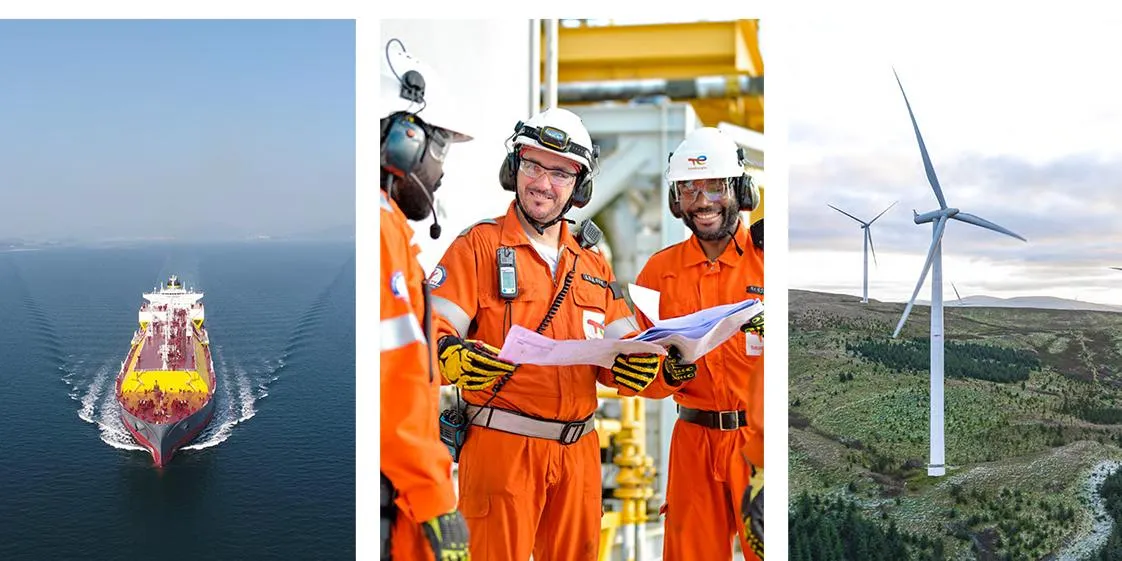
TotalEnergies has reported progress in reducing methane emissions and operational greenhouse gas emissions in its 2026 Climate Progress Report, exceeding several of its targets. The update highlights how the company is advancing a dual strategy of lowering emissions from oil and gas operations while expanding its electricity and renewable energy business. It also reflects broader industry challenges in balancing energy demand, regulatory expectations, and long-term climate commitments.
Key Overview
- TotalEnergies exceeded methane and emissions reduction targets.
- Methane emissions fell 65% vs 2020, surpassing the 60% goal.
- Scope 1 and 2 emissions dropped below target levels.
- Growth in electricity and renewables is improving emissions intensity.
TotalEnergies has released its 2026 Sustainability & Climate Progress Report, providing an update on how the company is advancing its transition strategy while continuing to supply energy globally.
The report highlights progress across several emissions-reduction metrics, including methane management, operational greenhouse gas emissions, and the carbon intensity of the company’s energy products. According to the company, it has exceeded some of its previously stated targets, offering investors and stakeholders additional insight into how its climate commitments are translating into operational outcomes.
For investors who track environmental performance alongside financial results, the update provides new information about how one of the world’s largest integrated energy companies is navigating the balance between maintaining energy supply and reducing emissions.
The report also supplements TotalEnergies’ broader sustainability disclosures, which will be integrated into its Universal Registration Document under the European Union’s Corporate Sustainability Reporting Directive (CSRD).
Overall, the update reflects the company’s continued effort to demonstrate measurable progress in its transition strategy, particularly in reducing emissions associated with its oil and gas operations while expanding its electricity and renewable energy activities.
Markets move fast; don’t get left behind. We’ve paired the Serrari Group Market Index with a curated Marketplace and a comprehensive Wealth Builder Course to ensure you have the data—and the skills—to act on it.
Methane Emissions Reduction Surpasses Target
One of the most notable developments in the report is the company’s progress in reducing methane emissions.
TotalEnergies reported that its operated methane emissions were reduced by 65% in 2025 compared with 2020 levels, exceeding the company’s previous target of a 60% reduction.
Methane is considered one of the most significant short-term drivers of global warming, and reducing emissions from oil and gas operations has become a key focus for regulators, investors, and climate policymakers.
By surpassing its target ahead of schedule, TotalEnergies said it is now continuing along its trajectory toward achieving an 80% reduction in methane emissions by 2030.
The company has also indicated that it plans to reach a 70% reduction by the end of 2026, positioning methane management as a central component of its climate strategy.
For investors focused on environmental, social, and governance (ESG) metrics, methane performance has become an increasingly important indicator of how energy companies manage operational emissions risks.
Operational Emissions Decline Across Oil and Gas Activities
In addition to methane reductions, TotalEnergies reported progress in reducing broader greenhouse gas emissions linked to its operations.
According to the report, Scope 1 and Scope 2 emissions from operated assets totaled 33.1 million tonnes in 2025, down from 46 million tonnes in 2015.
This result exceeded the company’s earlier target of 37 million tonnes for 2025, indicating stronger-than-expected reductions over the past decade.
The company also reported that greenhouse gas emissions from its operated oil and gas facilities fell by 38% compared with 2015 levels.
These reductions reflect operational changes across the company’s portfolio, including improvements in efficiency and emissions management within production facilities.
TotalEnergies noted that it continues to prioritize low-emissions and low breakeven oil and gas projects as part of its approach to maintaining competitive production while lowering the carbon footprint of its operations.
Lower Emissions Intensity from New Projects
Another factor contributing to the company’s emissions progress is the commissioning of new projects designed to operate with lower carbon intensity.
TotalEnergies reported that new projects launched in Brazil and the United States in 2025 helped reduce the average emissions intensity of its operations.
As a result, the company said the average emissions intensity of these projects fell to below 16 kilograms of CO₂ equivalent per barrel of oil equivalent (kg CO₂e/boe).
This compares with the previous benchmark of less than 17 kg CO₂e/boe, which had been the company’s earlier target.
TotalEnergies described this improvement as a new benchmark for future projects, suggesting that upcoming developments could be designed to operate at similarly lower emissions levels.
Reducing emissions intensity has become a key indicator for oil and gas companies seeking to demonstrate progress toward climate goals while continuing to produce energy.
Integrated Power Business Continues to Expand
Beyond oil and gas operations, the report also highlights growth in TotalEnergies’ Integrated Power division, which includes electricity production and renewable energy development.
The company reported that its net electricity production reached 48 terawatt-hours (TWh) in 2025, representing a significant expansion of its power generation activities.
According to the company, this electricity output is now equivalent to approximately 10% of the energy produced through its hydrocarbon operations.
Growth in electricity production contributed to a broader improvement in the company’s emissions profile.
TotalEnergies said the expansion of its power business helped drive an 18.6% reduction in the lifecycle carbon intensity of the energy products it sells, compared with 2015 levels.
This result exceeded the company’s earlier 17% reduction target for 2025.
Lifecycle carbon intensity reflects emissions generated not only from production but also from the use of energy products by customers.
Transition Strategy Focuses on Multiple Energy Sources
TotalEnergies continues to position itself as a multi-energy company, combining traditional oil and gas activities with electricity generation and renewable energy development.
The company’s transition strategy focuses on two main pillars.
The first pillar involves reducing emissions associated with its oil and gas operations, including improvements in methane management and operational efficiency.
The second pillar involves building an integrated electricity portfolio, which includes renewable energy generation and energy storage assets.
By pursuing both strategies simultaneously, TotalEnergies aims to continue supplying energy to global markets while gradually reducing the carbon intensity of its overall energy mix.
The company has stated that this integrated approach allows it to balance energy demand, competitiveness, and emissions reduction.
Context is everything. While you follow today’s updates, use the Serrari Group Market Index and Marketplace to spot emerging shifts. Need to sharpen your edge? Our Wealth Builder Course turns these insights into a professional-grade strategy.
Climate Strategy May Be Reassessed
While the report highlights measurable progress in emissions reductions, it also signals that TotalEnergies may revisit aspects of its long-term climate strategy.
CEO and Chair Patrick Pouyanné noted in the report that the company’s net-zero ambitions must be reassessed in light of the current pace of the global energy transition.
According to Pouyanné, while the transition toward lower-carbon energy sources has begun, the global economy is not yet moving quickly enough to meet the goals of the Paris Agreement.
“Our societies and economies have initiated an energy transition, but the global economy is not yet achieving the pace of change required to meet the Paris Agreement objectives,” he said in the report.
The company therefore indicated that its transition plans may need to adapt over time, depending on factors such as energy demand, technology development, and policy frameworks.
EU Regulations Present Additional Challenges
The report also highlights challenges associated with evolving sustainability reporting regulations in the European Union.
Under the Corporate Sustainability Reporting Directive (CSRD) and the European Sustainability Reporting Standards, companies with net-zero targets must publish transition plans aligned with limiting global warming to 1.5°C.
TotalEnergies said that it cannot adopt a transition plan under these European regulatory standards, because the required alignment with the 1.5°C pathway is increasingly viewed by scientists as unlikely to be achieved.
Aurélien Hamelle, TotalEnergies’ President for Strategy and Sustainability, explained that the company cannot produce a plan that meets the regulatory definition if it must be aligned with that scenario.
Scientists have increasingly suggested that global temperature rise may exceed the 1.5°C threshold, creating additional complexity for companies attempting to align corporate strategies with regulatory expectations.
Continued Commitment to 2030 Climate Targets
Despite these challenges, TotalEnergies reaffirmed several of its existing climate targets.
The company remains committed to achieving three key objectives by 2030:
- Reducing Scope 1 and Scope 2 emissions by 40% compared with 2015 levels
- Reducing operational methane emissions by 80% compared with a 2020 baseline
- Reducing the lifecycle carbon intensity of its energy products by 25% compared with 2015
These targets remain central to the company’s long-term climate roadmap.
TotalEnergies also reaffirmed its goal of reaching carbon neutrality across its operational emissions (Scope 1 and Scope 2) by 2050.
Industry Trends Reflect Similar Strategies
The company’s approach reflects a broader trend across the global energy sector.
Several major energy companies have recently indicated that they will continue investing in oil and gas production while also expanding lower-carbon energy businesses.
Companies across the industry are increasingly emphasizing the need to balance energy transition goals with continued demand for hydrocarbons.
This reflects ongoing uncertainty around how quickly global energy systems can shift toward lower-carbon alternatives while maintaining reliable supply.
Energy Demand Continues to Shape Strategy
TotalEnergies also noted that strong global demand for oil and gas continues to shape its outlook.
While the company is pursuing emissions reductions and expanding its electricity business, it expects to increase its overall energy production by about 4% annually between 2024 and 2030.
This growth strategy reflects the company’s view that energy demand will remain strong during the transition period.
At the same time, TotalEnergies says it is working to reduce the carbon intensity of its operations and energy products as part of its transition strategy.
Outlook
TotalEnergies’ latest sustainability update illustrates the complex balancing act facing major energy companies.
On one hand, the company has demonstrated measurable progress in reducing methane emissions, lowering operational greenhouse gas emissions, and expanding electricity production.
On the other hand, it acknowledges that the pace of the global energy transition may not yet align with the goals outlined in international climate agreements.
For investors and policymakers, the report offers a detailed snapshot of how one major energy company is attempting to navigate these competing pressures.
As the energy transition continues to evolve, future sustainability reports will likely provide further insight into how TotalEnergies adjusts its strategy in response to market demand, regulatory developments, and technological progress.
The company’s ability to reduce emissions while maintaining energy supply will remain a central factor shaping both its climate strategy and its long-term investment outlook.
Your financial future isn’t something you wait for—it’s something you build.
The real question is: when do you begin?
Move beyond simply staying informed.
Navigate the markets with clarity—track trends through the Serrari Group Market Index, uncover opportunities in the Serrari Marketplace, and build practical knowledge with our Curated Wealth Builder Course.
Stay connected to what truly matters.
Get daily insights on macro trends and financial movements across Kenya, Africa, and global markets—delivered through the Serrari Newsletter.
Growth opens doors.
Advance your career through professional programs including ACCA, HESI A2, ATI TEAS 7 , HESI EXIT , NCLEX – RN and NCLEX – PN, Financial Literacy!🌟—designed to move you forward with confidence.
See where money is flowing—clearly and in real time.
Track Money Market Funds, Treasury Bills, Treasury Bonds, Green Bonds, and Fixed Deposits, alongside global and African indexes, key economic indicators, and the evolving Crypto and stablecoin landscape—all within Serrari’s Market Index.