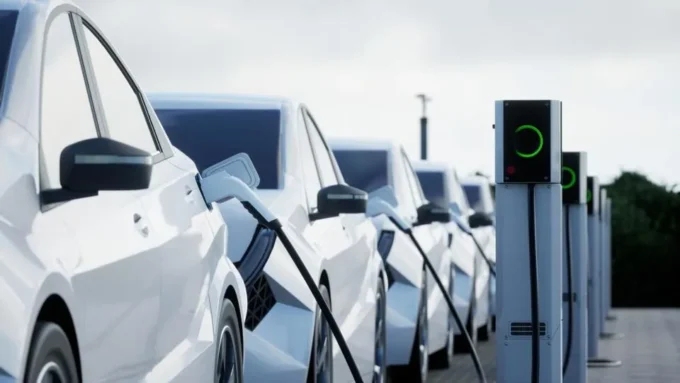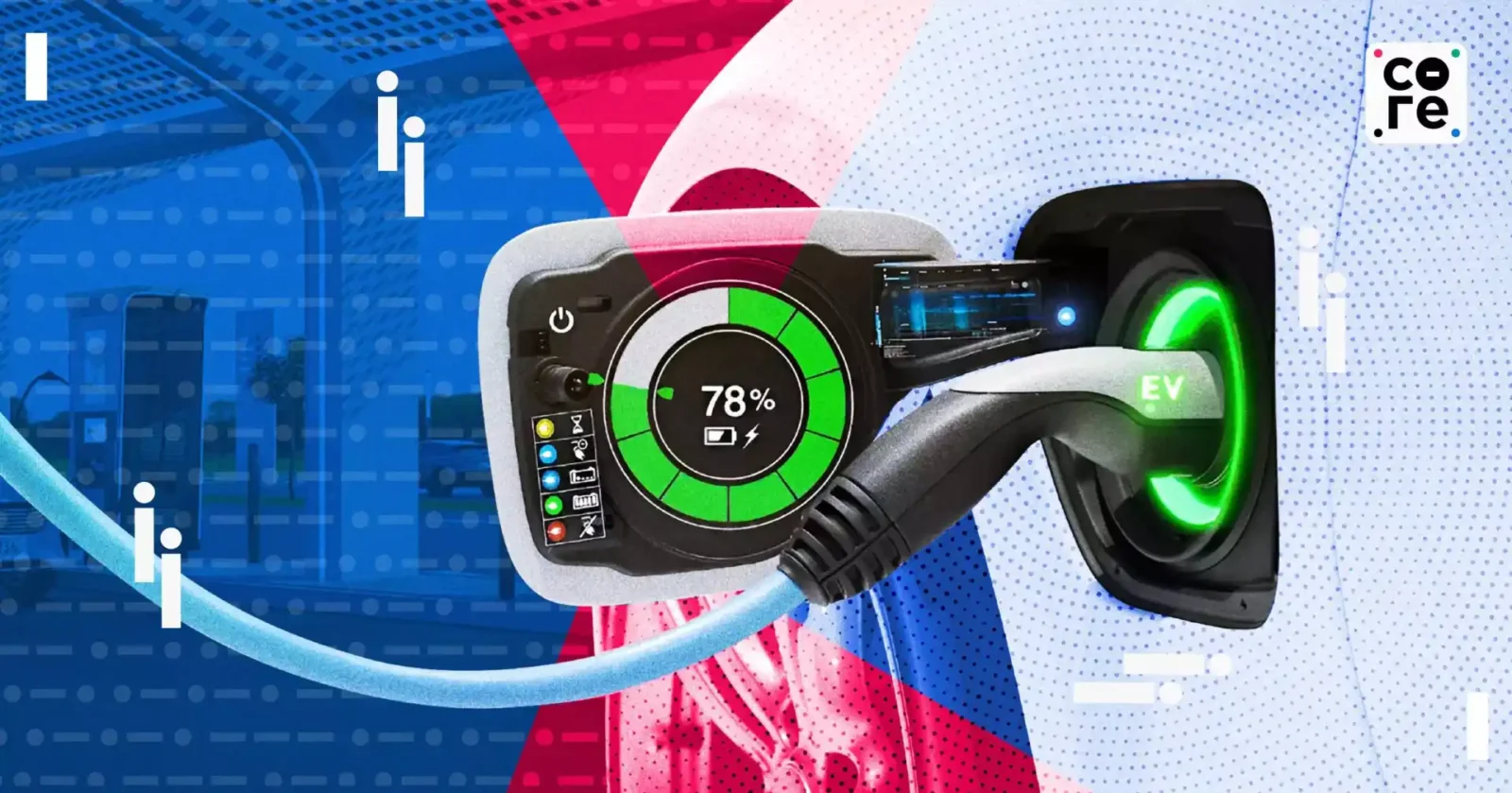
India has launched the Light Electric-Vehicle Acceleration Forum (LEAF), an industry-led consortium aimed at improving EV charging infrastructure for two- and three-wheelers. The initiative focuses on interoperability, standardisation, and collaboration across stakeholders to address charging challenges and support the next phase of electric mobility growth. By aligning industry players with policy goals, LEAF seeks to create a more seamless and scalable charging ecosystem nationwide.
Key Overview
- India launches LEAF consortium to strengthen EV charging ecosystem
- Focus on interoperability, standardisation, and network expansion
- Backed by Hero MotoCorp, Ather Energy, and IPEC India
- Aims to reduce charging anxiety and fragmented user experience
India’s electric mobility journey is entering a new phase—one that is increasingly focused not just on vehicle adoption, but on the infrastructure needed to sustain it. At the center of this shift is the launch of the Light Electric-Vehicle Acceleration Forum (LEAF), a new industry-driven consortium designed to address one of the most persistent challenges in the EV ecosystem: charging.
The forum officially debuted as a collaborative platform aimed at strengthening the electric two- and three-wheeler market, which forms a significant part of India’s broader transport landscape. While EV adoption has grown steadily in recent years, industry players now recognize that future growth will depend heavily on solving structural challenges—particularly those related to charging access, reliability, and user experience.
LEAF represents an effort to move beyond isolated initiatives and instead create a unified approach that brings together multiple stakeholders across the ecosystem.
Markets move fast; don’t get left behind. We’ve paired the Serrari Group Market Index with a curated Marketplace and a comprehensive Wealth Builder Course to ensure you have the data—and the skills—to act on it.
Building a Collaborative Industry Platform
The LEAF consortium has been established as a neutral platform that brings together companies from across the electric mobility value chain. This includes vehicle manufacturers, infrastructure operators, technology providers, suppliers, and software companies.
Inaugurated by Union Heavy Industries Minister H. D. Kumaraswamy, the forum reflects a coordinated push to align industry efforts with national policy goals. Its role is not just to facilitate discussion, but to actively support the development of a more connected and efficient EV charging ecosystem.
By working alongside government departments and regulators, LEAF aims to ensure that infrastructure expansion is aligned with broader policy frameworks. This collaborative approach is intended to reduce fragmentation and accelerate the rollout of charging networks across the country.
At its core, the initiative is designed to act as a bridge—connecting private sector innovation with public sector objectives.
Addressing the Charging Challenge
One of the most significant barriers to EV adoption in India has been the lack of a seamless and reliable charging experience. While the number of electric vehicles on the road has increased, the supporting infrastructure has not always kept pace.
Charging networks remain fragmented, with different providers operating independent systems that are not always compatible with one another. For users, this can translate into confusion, inconvenience, and uncertainty—factors that contribute to what is commonly referred to as “charging anxiety.”
LEAF aims to address this issue directly by focusing on interoperability. The goal is to ensure that EV users can access multiple charging networks without facing compatibility issues or inconsistent experiences.
By improving connectivity across systems, the initiative seeks to create a more user-friendly environment that encourages wider adoption of electric vehicles.
The Role of Interoperability and Standards
A central focus of the LEAF initiative is the development of common standards that can be adopted across the industry. Standardisation is seen as a critical step in simplifying the charging process and ensuring consistency for users.
One of the key developments in this area is the Light Electric Combined Charging System (LECCS). This system has been approved under Indian standards and is designed to support both slow and fast charging through a single connector.
By enabling a unified charging interface, LECCS aims to eliminate compatibility challenges and improve communication between vehicles and charging stations. This, in turn, can make the charging experience more efficient and predictable.
Industry stakeholders view such standardisation efforts as essential for scaling EV adoption. Without common standards, the risk of fragmentation remains high, potentially slowing the transition to electric mobility.
Industry-Led Collaboration at Scale
The creation of LEAF is the result of a partnership between key industry players, including Hero MotoCorp, Ather Energy, and IPEC India. These companies form the initial steering committee of the consortium and are expected to guide its strategic direction.
At launch, the forum brought together more than 20 organisations spanning different segments of the EV ecosystem. This includes manufacturers, charging operators, suppliers, and technology providers.
The diversity of participants reflects the complexity of the EV landscape, where multiple components—from vehicles and infrastructure to software and services—must work together seamlessly.
Membership is expected to expand in the coming months, further strengthening the consortium’s ability to drive industry-wide change.
Context is everything. While you follow today’s updates, use the Serrari Group Market Index and Marketplace to spot emerging shifts. Need to sharpen your edge? Our Wealth Builder Course turns these insights into a professional-grade strategy.
Beyond Infrastructure: Creating a Seamless Experience
While infrastructure expansion is a key priority, LEAF’s ambitions go beyond simply increasing the number of charging stations. The initiative also aims to improve the overall user experience by addressing issues related to reliability, accessibility, and consistency.
A fragmented system not only limits convenience but can also undermine consumer confidence. For many potential EV buyers, concerns about charging remain a major barrier to adoption.
By promoting interoperability and aligning stakeholders around shared standards, LEAF is working to create a more cohesive ecosystem—one in which users can charge their vehicles easily, regardless of location or provider.
This shift toward a more integrated system is expected to play a crucial role in reducing charging anxiety and supporting the next phase of EV growth.
A Critical Moment for EV Adoption
Industry experts believe that India’s EV market has reached an inflection point. Early adoption has been driven by policy support, incentives, and growing environmental awareness. However, sustaining this momentum will require addressing deeper structural challenges.
Charging infrastructure is at the center of this transition. As more consumers consider switching to electric vehicles, the availability and reliability of charging networks will become increasingly important.
Stakeholders within the LEAF consortium have emphasized that solving these challenges will be critical for unlocking the next stage of growth.
Kausalya Nandakumar, Chief Business Officer – Emerging Mobility Business Unit at Hero MotoCorp, highlighted this perspective, noting that delivering a seamless charging experience at scale will require alignment across the industry.
Strengthening the Public Charging Ecosystem
One of LEAF’s key objectives is to support the development of a more scalable and dependable public charging ecosystem. This involves not only expanding infrastructure but also ensuring that it operates efficiently and consistently.
By bringing together stakeholders from across the value chain, the consortium aims to address gaps in the current system and promote a more coordinated approach to infrastructure development.
The focus on collaboration is particularly important in a market as large and diverse as India, where regional variations and differing levels of infrastructure development can create additional challenges.
A more unified system could help ensure that EV users across the country have access to reliable charging options, regardless of location.
Policy Alignment and Regulatory Support
Another important aspect of the LEAF initiative is its alignment with national policy goals. By working closely with government regulators, the consortium aims to ensure that industry efforts are consistent with broader strategies for electric mobility.
This alignment is expected to play a key role in accelerating infrastructure development and reducing barriers to adoption.
Government support has already been a major driver of EV growth in India, and continued collaboration between public and private sectors will be essential for sustaining progress.
A Model for Industry Collaboration
Beyond its immediate objectives, LEAF has the potential to serve as a model for how collaboration can drive meaningful change across complex and rapidly evolving ecosystems. The transition to electric mobility is not driven by a single player, but by the collective efforts of manufacturers, infrastructure providers, technology firms, and policymakers—each with different priorities, capabilities, and constraints.
By creating a neutral platform for coordination, LEAF is helping to align these diverse stakeholders around a shared goal: building a more efficient, reliable, and scalable charging ecosystem. This kind of alignment is particularly important in addressing challenges such as fragmentation, interoperability, and inconsistent user experiences, which cannot be solved in isolation.
Industry representatives have described the initiative as more than just a platform—it is a framework for structured collaboration, where shared standards, joint problem-solving, and coordinated action can accelerate progress. In this sense, LEAF reflects a broader shift toward ecosystem-driven solutions, where collective effort becomes a key driver of long-term industry transformation.
Outlook: Unlocking the Next Phase of EV Growth
The launch of the Light Electric-Vehicle Acceleration Forum marks a significant step in India’s journey toward electric mobility. By focusing on interoperability, standardisation, and collaboration, the initiative addresses some of the most pressing challenges facing the industry.
Looking ahead, the success of LEAF will depend on its ability to translate collaboration into tangible outcomes. Expanding charging infrastructure, improving user experience, and aligning stakeholders will all be critical factors in determining its impact.
As EV adoption continues to grow, the importance of a reliable and accessible charging network will only increase. Initiatives like LEAF are therefore likely to play a central role in shaping the future of electric mobility in India.
More broadly, the forum reflects a shift in how the industry is approaching the transition. Rather than focusing solely on vehicles, attention is now turning to the systems that support them.
If successful, LEAF could help unlock a more connected, efficient, and scalable EV ecosystem—one that not only supports India’s climate goals but also positions the country as a leader in light electric mobility.
Your financial future isn’t something you wait for—it’s something you build.
The real question is: when do you begin?
Move beyond simply staying informed.
Navigate the markets with clarity—track trends through the Serrari Group Market Index, uncover opportunities in the Serrari Marketplace, and build practical knowledge with our Curated Wealth Builder Course.
Stay connected to what truly matters.
Get daily insights on macro trends and financial movements across Kenya, Africa, and global markets—delivered through the Serrari Newsletter.
Growth opens doors.
Advance your career through professional programs including ACCA, HESI A2, ATI TEAS 7 , HESI EXIT , NCLEX – RN and NCLEX – PN, Financial Literacy!🌟—designed to move you forward with confidence.
See where money is flowing—clearly and in real time.
Track Money Market Funds, Treasury Bills, Treasury Bonds, Green Bonds, and Fixed Deposits, alongside global and African indexes, key economic indicators, and the evolving Crypto and stablecoin landscape—all within Serrari’s Market Index.