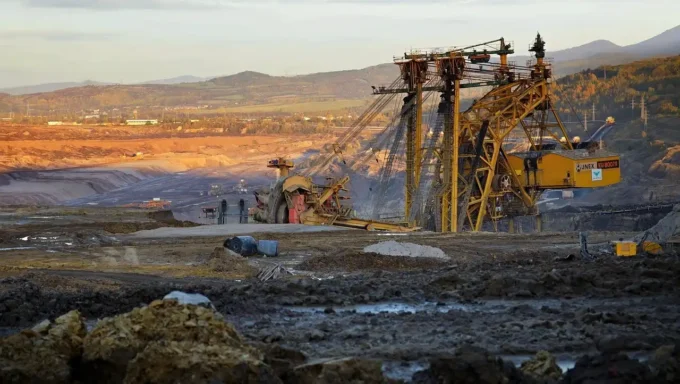
Ghana, renowned for being the world’s second-largest cocoa producer, is confronting a severe threat to its cocoa industry from illegal mining, locally known as “galamsey.” This challenge is exacerbating the nation’s economic crisis, marked by a daunting 26.4% inflation rate in November.
Michael Kwarteng, director of anti-illegal mining activities at the Ghana Cocoa Board (COCOBOD), underscores the escalating devastation on cocoa farms over the last five years. The consequences are palpable, as farmers, enticed by quick gains, increasingly sell their lands to illegal miners. Rita Abena Koranteng, a 45-year-old cocoa farmer from Suhum, Eastern Ghana, illustrates the economic pressures, stating, “Every month, he pays me $500, and I’m happy because I could never have earned so much money from my cocoa-growing business.”
Government interventions, including a 63% increase in cocoa prices for producers this year, have proven insufficient. The land lost to illegal mining now represents 2% of Ghana’s total cocoa cultivation area. COCOBOD’s data reveals a distressing decline in cocoa harvests, dropping from an estimated 1 million tonnes between 2020 and 2021 to 750,000 tonnes for the 2022-2023 harvest. The forecast for 2023-2024 is dire, ranging between 650,000 and 700,000 tonnes due to persistent illicit activities.
Beyond economic ramifications, illegal mining compounds environmental issues, polluting rivers and water tables with harmful chemicals. Obed Owusu-Addai, Campaigner at EcoCare Ghana, warns of a looming crisis, stating, “If this problem is not solved immediately, we will end up losing most of our land to illegal mining.”
To counter the menace, COCOBOD has initiated cash rewards for individuals reporting illegal mining on cocoa land and bean smuggling. Benjamin Tei Larweh, Deputy Director of Communications at COCOBOD, discloses that Ghana lost around 150,000 metric tonnes of cocoa beans to smuggling in 2022, equating to a significant revenue loss of $600 million.
In addition to illegal mining, the cocoa industry grapples with climate change challenges, causing a notable shift in production regions. While six major regions in Ghana traditionally grew cocoa, the western region has now emerged as the primary producer, accounting for 43% of the total.
As Ghana confronts this multifaceted crisis, urgent and targeted interventions are imperative to protect the nation’s cocoa industry and secure the livelihoods of the farmers who depend on it.
By: Montel Kamau
Serrari Financial Analyst
20th December, 2023