In the wake of a coup that ousted Niger’s democratically elected president, the country finds itself grappling with a severe economic crisis, further exacerbated by West African sanctions. These measures, intended to force a return to democracy, are taking a heavy toll on one of the world’s poorest nations.
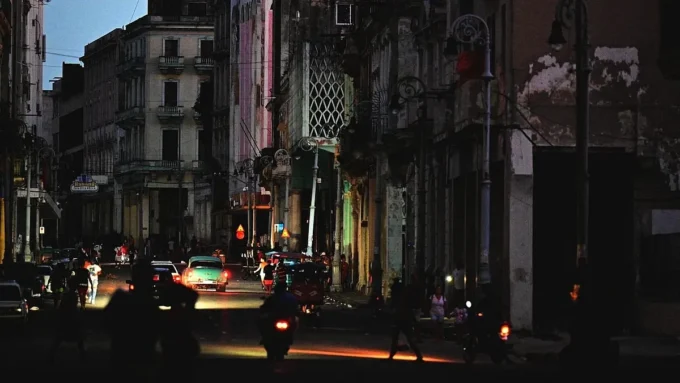
Food and medicine shortages have become the norm in Niger, causing prices to surge and factories to remain idle due to electricity cuts following Nigeria’s decision to halt power supplies.
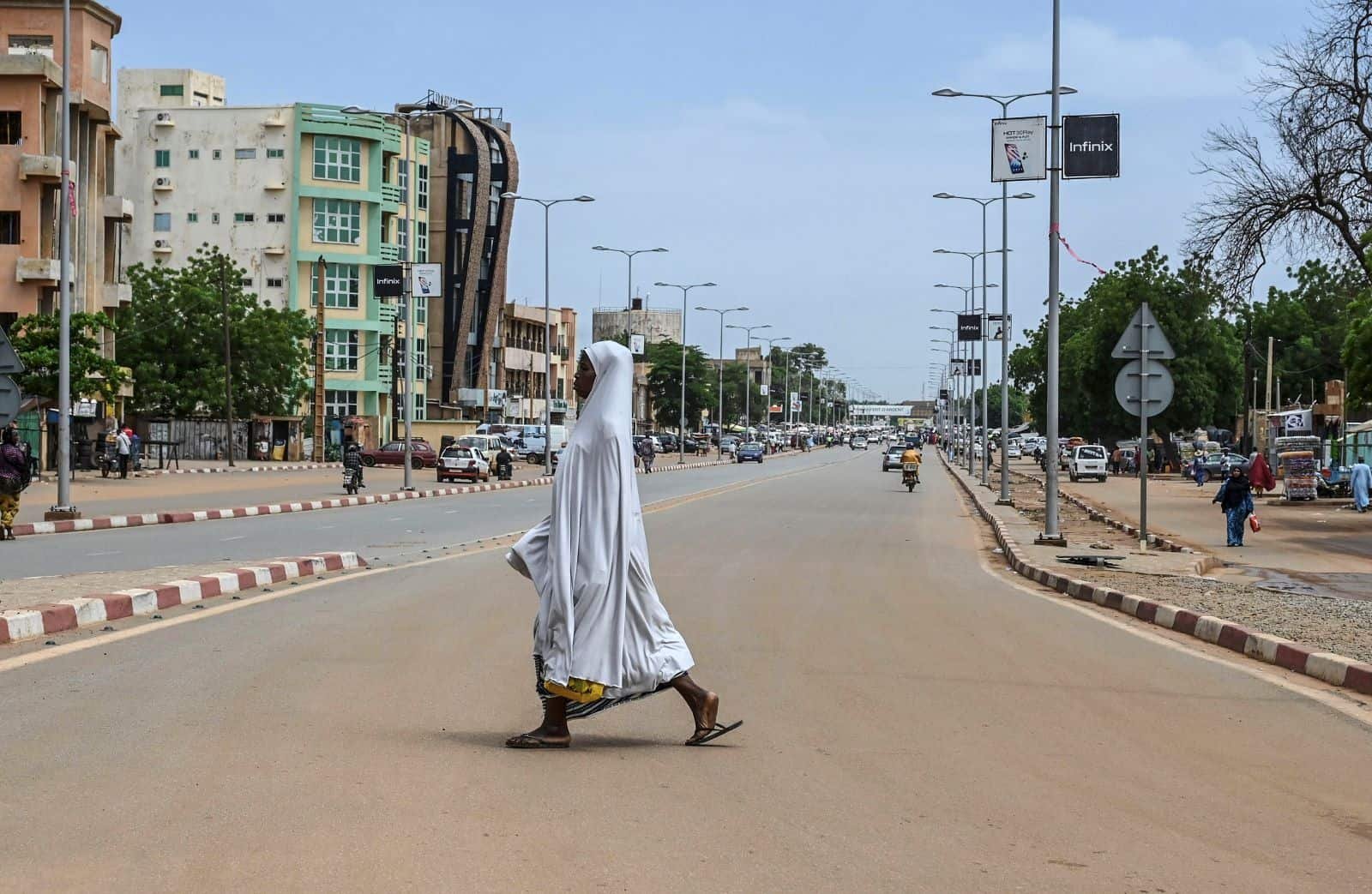
The United Nations recently reported that 7,300 tons of food aid destined for Niger remain stranded due to border closures. Local markets, like the bustling Dar-es-Salaam market in the capital, Niamey, are witnessing sharp price increases, leaving shopkeepers struggling to meet demand.
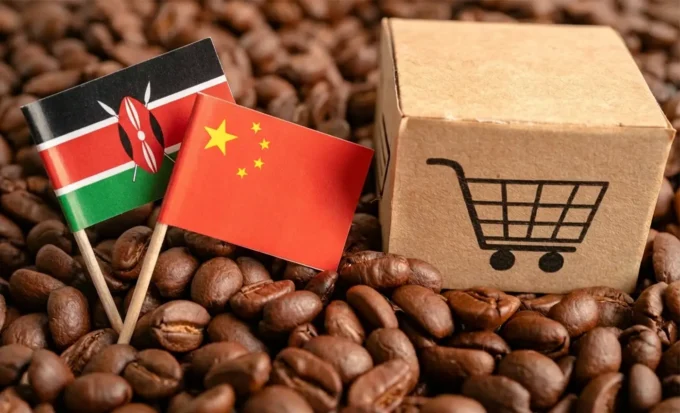
Imported rice, a staple in Niger, has seen a significant price hike, with a 25-kilo bag now costing 14,500 CFA francs (approximately $25 or 22 euros), compared to 11,500 CFA francs prior to the coup. While there are no immediate shortages, experts warn that reduced rice imports from China and Thailand could lead to future supply issues.
Medicine stocks are also dwindling as the main sources, primarily located in neighboring Benin’s main port, Cotonou, remain inaccessible due to border closures. Amadou Seyni Maiga, the general secretary of Niger’s primary association of pharmacists, urgently calls for an end to the ban on medical supplies.
While Niger’s southern borders, particularly with Nigeria, have remained closed, smugglers have capitalized on the situation, thriving by transporting essential goods, people, and even cattle. The northern part of the country, however, remains relatively stable, thanks to trade corridors with Libya and Algeria.
Niger’s military rulers are grappling with a freeze on the country’s central bank assets, which play a pivotal role as a producer of uranium, oil, and gold. ECOWAS has frozen Niger’s state assets both in the regional central bank and commercial banks, intensifying the financial strain.
Prime Minister Ali Mahaman Lamine Zeine managed to pay state employees’ and security forces’ salaries for July and August using internal revenues. To ensure essential supplies, Commerce Minister Seydou Asman stated that the government is exploring all available options.
Burkina Faso, also under junta rule, has shown solidarity with Niger by keeping its border open. Following the coup, Niger’s new leaders garnered support from neighboring Mali and Burkina Faso, whose presidents were similarly ousted due to struggles with a jihadist insurgency.
A growing chorus of voices, including organizations like Médecins Sans Frontières (MSF) or Doctors Without Borders, is calling for an end to the sanctions, denouncing them as “collective punishment.” Negotiations between the junta and regional entities such as ECOWAS continue, leaving the people of Niger to grapple with the harsh consequences of economic turmoil and uncertainty.
As the closed borders continue to stifle Niger’s economy, its citizens endure rising prices, food shortages, and dwindling medical supplies. The path to economic recovery for this impoverished nation remains uncertain, with hope resting on diplomatic efforts to restore democracy and bring an end to the sanctions.
Photo Source: Google
By: Montel Kamau
Serrari Financial Analyst
24th September, 2023