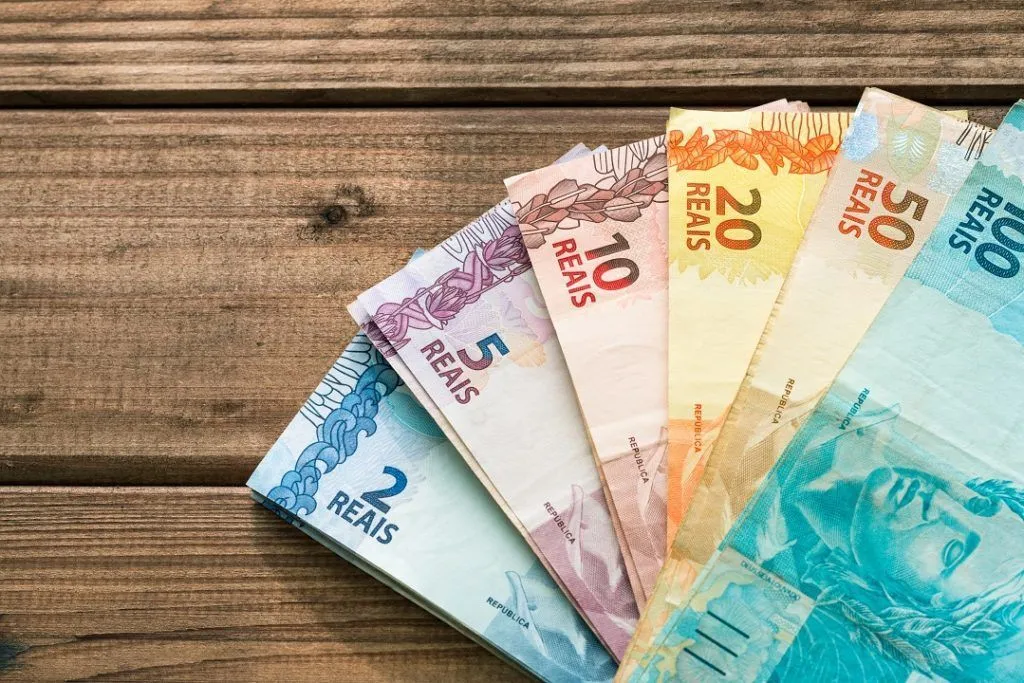
The Brazilian real experienced a sell-off on Monday following the announcement of a new industrial development plan by leftist President Luiz Inacio Lula da Silva, aimed at revitalizing the country’s sluggish growth through state credits and subsidies over the next decade.
Lula, seeking to replicate the strategies from his 2003-2010 presidential terms, expressed the need to overcome Brazil’s perpetual struggle to transition from the verge of development to a fully developed country. However, investors were not as optimistic about the newly unveiled plan.
In the aftermath of the announcement, the Brazilian real accelerated its decline against the U.S. dollar, reflecting investors’ concerns about the plan’s potential impact on the country’s fiscal health. The real ended Monday’s trading down 1.2%.
Jefferson Rugik, director of brokerage Correparti, explained, “The program could lead to expenses for the government, and the market is adjusting, looking to the dollar for protection.”
The National Development Bank BNDES has committed 250 billion reais ($50 billion) to Lula’s plan, with an additional 50 billion reais sourced from other state channels.
Lula framed the initiative as a “re-industrialization” effort to shift policies away from the previous emphasis on agricultural production and exports under his predecessor Jair Bolsonaro’s administration, which leaned hard to the right.
This move to boost the local industry comes at a time when Brazil’s economy, the largest in Latin America and among the world’s top 10, has started to exhibit signs of cooling in the current year.
Economists, polled by Reuters from Jan. 8-18, predict a deceleration to 1.6% growth in 2024 from 3.0% in 2023, with forecasts for 2025 indicating 2% growth.
The government highlighted the prioritization of sustainable financial instruments and credit for innovation, infrastructure, and exports, alongside subsidies such as tax incentives. Additionally, plans include requirements for local content in public purchases, part of the restored Growth Acceleration Program (PAC), as well as for low-cost housing and school transport programs.
The policy shift aims to reverse the country’s earlier de-industrialization, incorporating various state instruments, including special credit lines, non-refundable resources, regulatory and intellectual property actions, and a public works and procurement policy with incentives for local content, according to a government statement.
By Delino Gayweh
Serrari Financial Analyst
January 22, 2024