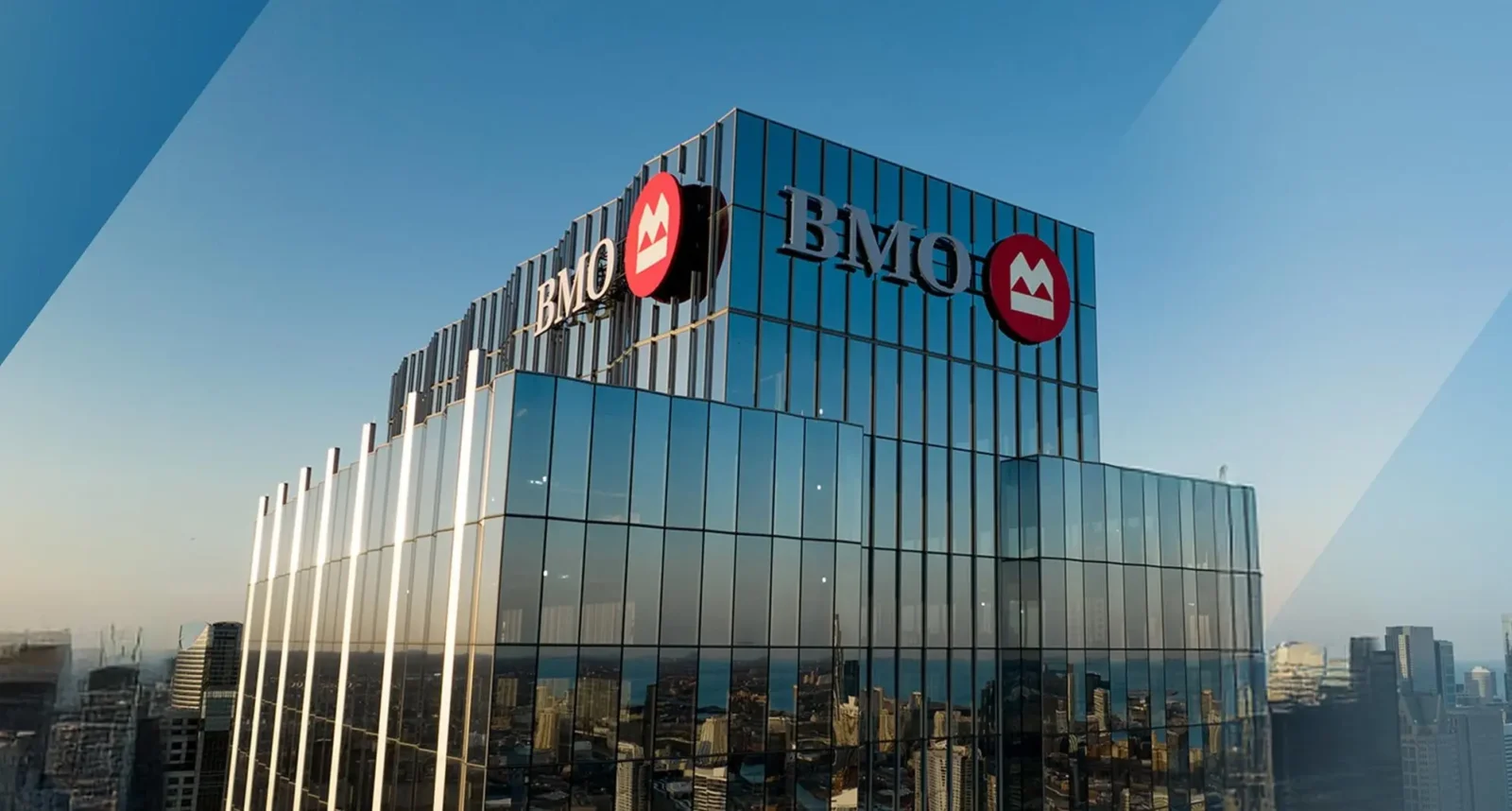
Canadian banking giant Bank of Montreal (BMO) has launched a €500 million green bond (approximately $540 million) aimed at financing projects across renewable energy, sustainable agriculture, and green buildings, reinforcing the bank’s long-term commitment to sustainable finance and climate-aligned capital deployment.
The issuance forms part of BMO’s broader strategy to scale its sustainable finance activities, positioning the bank to meet growing demand from institutional investors seeking exposure to environmentally aligned assets with strong governance, transparency, and reporting standards.
The bond is expected to settle on March 24, 2026, with BMO Capital Markets acting as joint lead manager.
“The bond proceeds support our clients as they undertake green initiatives, including across critical areas such as food and agriculture and renewable energy,” said John Uhren, Global Head of Sustainable Finance at BMO.
“This green bond is part of a multi-year issuance program that supports environmental outcomes while meeting investor demand.”
The deal comes at a time when global capital markets are witnessing sustained momentum in labeled debt instruments, particularly green bonds, as investors increasingly prioritize climate risk management, portfolio decarbonisation, and long-term sustainability performance.
Beyond the immediate transaction, the issuance also highlights how major financial institutions are increasingly using capital markets as a primary mechanism to channel funding toward climate solutions, rather than relying solely on internal balance sheet lending.
Markets move fast; don’t get left behind. We’ve paired the Serrari Group Market Index with a curated Marketplace and a comprehensive Financial Literacy Course to ensure you have the data—and the skills—to act on it.
A Framework Built to Strengthen Investor Confidence
The bond is issued under BMO’s Sustainable Bond Framework, which defines how proceeds will be allocated across eligible environmental and social projects.
The framework identifies eleven green categories, four social categories, and three transition categories, providing a structured and diversified approach to deploying capital toward sustainability-linked outcomes.
Importantly, the framework aligns with internationally recognized standards established by the International Capital Market Association (ICMA), including:
- Green Bond Principles (GBP)
- Social Bond Principles (SBP)
- Sustainability Bond Guidelines (SBG)
- Climate Transition Finance Handbook
This alignment is critical in ensuring that the bond meets global best practices in transparency, governance, and reporting—factors that are becoming increasingly important as scrutiny around greenwashing, disclosure quality, and ESG claims intensifies across financial markets.
To further reinforce credibility, BMO obtained a second-party opinion from Moody’s, which independently assessed the framework’s environmental integrity and governance standards.
Such third-party validation is now widely regarded as a baseline requirement for institutional investors, particularly in Europe and North America, where regulatory frameworks around sustainable finance are becoming more stringent.
For investors, these safeguards provide confidence that capital is being directed toward projects with measurable environmental benefits, strong governance oversight, and clear alignment with global sustainability goals.
In an environment where concerns about greenwashing continue to rise, frameworks that combine international alignment, independent verification, and transparent reporting are increasingly seen as essential to maintaining trust in sustainable finance markets.
Targeting High-Impact Climate Sectors
BMO’s green bond focuses on sectors that offer both high emissions reduction potential and strong policy and regulatory support, making them central to global decarbonisation efforts.
Renewable Energy
A significant portion of the proceeds will be allocated to renewable energy projects, including solar, wind, and grid modernization initiatives.
These investments are essential to accelerating the transition away from fossil fuels and toward clean, low-carbon energy systems.
Governments around the world are implementing ambitious climate policies aimed at increasing renewable energy capacity, supported by incentives, subsidies, and regulatory frameworks.
At the same time, corporations are increasingly entering into long-term power purchase agreements (PPAs) to secure renewable energy as part of their decarbonisation strategies.
By financing renewable energy projects, BMO is contributing to the expansion of sustainable energy infrastructure, which is critical for reducing global emissions, enhancing energy security, and supporting economic growth.
Sustainable Agriculture and Food Systems
Another key focus area is sustainable agriculture, which is increasingly recognized as a critical component of climate transition strategies.
Agriculture contributes significantly to global emissions through land use changes, fertilizer application, and supply chain inefficiencies.
However, it also presents opportunities for carbon sequestration, climate adaptation, and resource efficiency improvements.
BMO’s financing is expected to support practices such as:
- Regenerative agriculture techniques
- Efficient water management and irrigation systems
- Low-carbon agricultural supply chains
- Sustainable food production and distribution systems
These investments can help improve food security, environmental sustainability, and rural economic resilience, particularly in regions facing climate-related risks such as drought and soil degradation.
The inclusion of agriculture within green bond frameworks reflects a broader shift in sustainable finance, where food systems are increasingly viewed as a key lever in achieving global climate and sustainability goals.
Green Buildings and Infrastructure
Green buildings represent another major allocation category under the bond.
The built environment is one of the largest contributors to global emissions, accounting for a significant share of energy consumption and carbon output worldwide.
BMO’s green bond will support investments in:
- Energy-efficient construction projects
- Building retrofits and upgrades
- Sustainable urban infrastructure
- Certified green building developments
As governments tighten building efficiency standards and introduce stricter climate regulations, demand for financing in this sector is expected to grow significantly.
Green building investments not only reduce emissions but also deliver long-term cost savings, improved energy efficiency, and enhanced asset value, making them attractive to both developers and investors.
Context is everything. While you follow today’s updates, use the Serrari Market Index and Marketplace to spot emerging shifts. Need to sharpen your edge? Our Financial Literacy Course turns these insights into a professional-grade strategy.
Multi-Year Strategy Signals Long-Term Commitment
One of the most notable aspects of BMO’s green bond issuance is its positioning within a multi-year issuance program.
Rather than treating the bond as a one-off transaction, BMO is establishing a consistent and repeatable funding strategy that supports ongoing investment in sustainable projects.
This approach reflects a broader shift among global financial institutions, which are increasingly integrating sustainability into their core funding and capital allocation strategies.
By adopting a programmatic approach, BMO can:
- Build a strong track record of impact reporting and disclosure
- Strengthen long-term relationships with ESG-focused investors
- Demonstrate consistency in sustainable capital deployment
- Scale its sustainable finance portfolio over time
Such strategies are becoming increasingly important as investors and regulators expect financial institutions to demonstrate long-term commitment, measurable outcomes, and transparency.
Strong Institutional Demand for Green Debt
The issuance comes amid continued strong demand for green bonds from institutional investors.
Asset managers, pension funds, insurance companies, and sovereign wealth funds are increasingly allocating capital toward climate-aligned investments, driven by both regulatory pressures and evolving investor preferences.
Green bonds offer investors:
- Exposure to environmentally focused projects
- Transparent reporting and use-of-proceeds tracking
- Alignment with ESG mandates and sustainability targets
In many cases, demand for high-quality green bonds exceeds supply, particularly for issuances backed by strong frameworks and credible third-party validation.
This imbalance continues to support the expansion of the global green bond market, which has grown into a key financing channel for climate-related infrastructure and sustainability projects.
Transparency and Reporting Remain Critical
BMO has committed to publicly reporting on the allocation of bond proceeds within one year of issuance, and on an ongoing annual basis thereafter.
This level of transparency has become a standard expectation in the labeled bond market.
Regular reporting allows investors to track:
- Allocation of funds
- Environmental impact of financed projects
- Progress toward sustainability objectives
Clear and consistent disclosure is essential for maintaining investor trust, particularly as scrutiny over greenwashing intensifies.
By committing to robust reporting practices, BMO is reinforcing its credibility and positioning itself as a reliable issuer in the sustainable finance market.
What This Means for Investors and Corporates
BMO’s green bond issuance highlights several key trends shaping the evolution of global capital markets.
First, sustainable finance is becoming mainstream, with major financial institutions embedding climate considerations into their funding strategies.
Second, capital is increasingly flowing toward sectors with strong policy support and measurable environmental impact, including renewable energy, sustainable agriculture, and energy-efficient infrastructure.
Third, credibility, governance, and transparency are becoming central differentiators.
Investors are placing greater emphasis on:
- Alignment with international frameworks
- Independent verification
- Transparent reporting and accountability
For corporate issuers, this means that access to capital is increasingly tied to their ability to demonstrate credible sustainability strategies and measurable environmental outcomes.
Outlook: Capital Markets Accelerating the Energy Transition
The launch of BMO’s $540 million green bond reflects the growing role of capital markets in financing the global transition to a low-carbon and resource-efficient economy.
As governments and corporations intensify efforts to meet climate targets, green bonds and other sustainable finance instruments are becoming essential tools for mobilizing capital at scale.
For financial institutions, the challenge is no longer whether to participate in sustainable finance, but how to scale it effectively and integrate it into long-term strategies.
BMO’s multi-year issuance program signals that sustainable finance is evolving into a core component of modern banking and investment practices, rather than a niche segment.
For investors, the continued expansion of green bond markets provides opportunities to align portfolios with sustainability objectives while maintaining competitive returns.
As the market matures, transactions like this demonstrate how well-structured, transparent, and credible green financing can help accelerate the transition toward a more sustainable global economy.
Ultimately, the success of such instruments will depend on their ability to deliver real, measurable environmental impact, while maintaining investor confidence in an increasingly complex and rapidly evolving financial landscape.
Don’t just read the news—navigate it. Track trends with the Serrari Group Market Index, discover your next move in the Serrari Marketplace, and master the “how” with our Financial Literacy Course.