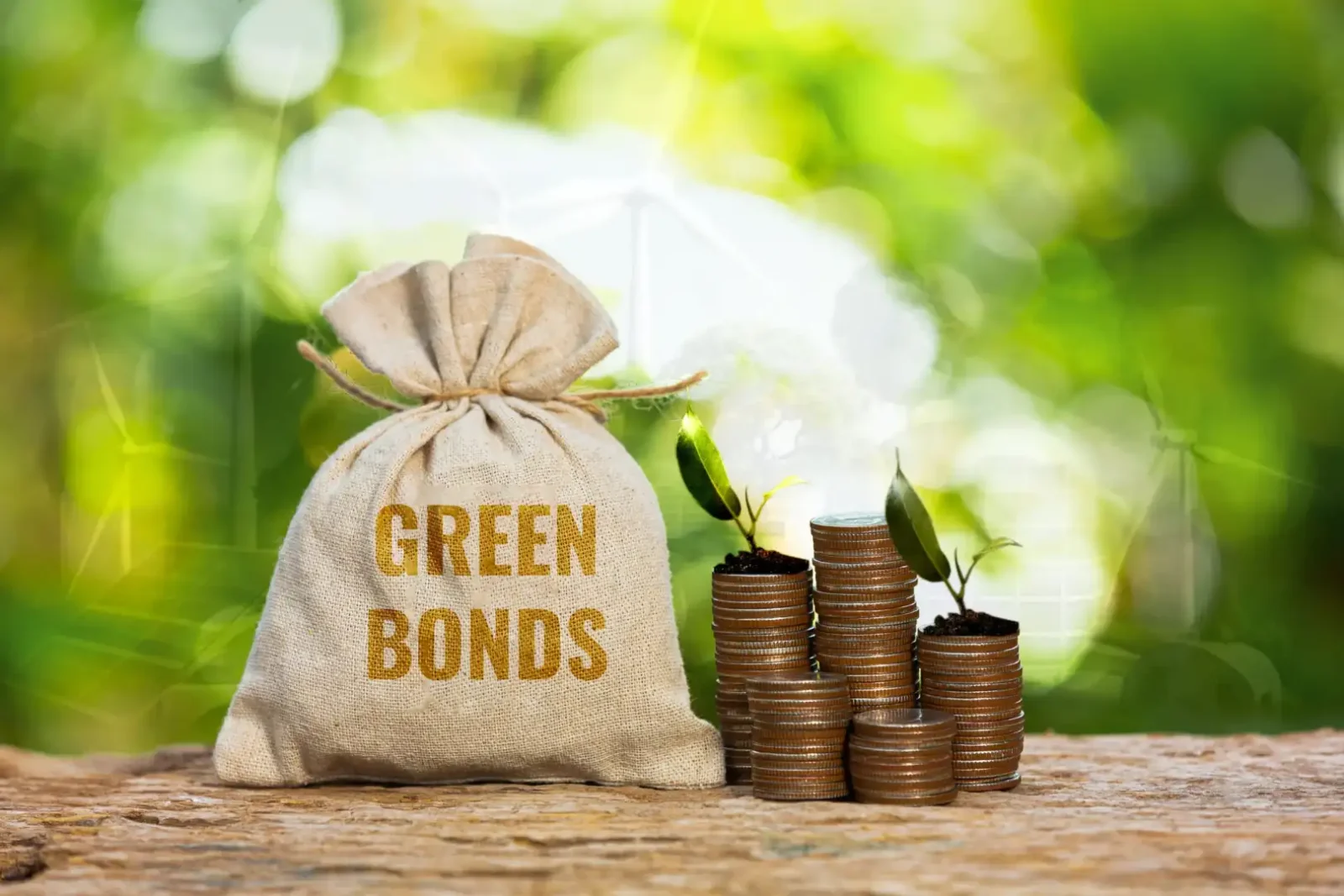
Africa’s financial sector is redefining the landscape of sustainable finance through unprecedented green bond issuance activity and the adoption of innovative framework standards that better reflect the continent’s developmental imperatives. The recent “Sustainable Bonds 2026” report has positioned African banks as bright spots in the global green bond market, demonstrating that the world’s emerging markets are not merely participants in sustainable finance but increasingly influential architects of its evolution. This development marks a profound transformation in how African financial institutions mobilize capital for climate-aligned and sustainable development projects.
The emergence of African banks as leading green bond issuers challenges long-standing narratives about the continent’s role in global capital markets. Rather than being viewed primarily as recipients of development finance, African financial institutions are now demonstrating sophisticated capacity to structure, market, and execute major sustainable debt instruments that appeal to global institutional investors seeking exposure to green and social projects. This shift reflects the maturation of African capital markets infrastructure and the growing sophistication of African financial institutions in sustainable finance architecture.
Markets move fast; don’t get left behind. We’ve paired the Serrari Group Market Index with a curated Marketplace and a comprehensive Wealth Builder Course to ensure you have the data—and the skills—to act on it.
The EESG Framework: Redefining Sustainability Standards
The transition from traditional Environmental, Social, and Governance (ESG) frameworks to the more comprehensive EESG model represents a critical evolution in sustainable finance standards specifically driven by African innovation. The EESG framework adds Economic considerations to the traditional ESG tripod, recognizing that sustainable development in African contexts requires explicit attention to wealth creation, economic empowerment, and financial inclusion alongside environmental protection and social outcomes.
The EESG model reflects African financial institutions’ recognition that sustainable development cannot be divorced from economic opportunity and job creation. Traditional ESG frameworks, while valuable, sometimes emphasize environmental and governance standards in ways that could constrain economic development pathways or create conflicts between climate objectives and poverty reduction. The EESG approach integrates these objectives, ensuring that green bonds finance projects that simultaneously advance climate action, economic growth, and social development.
This framework innovation has profound implications for how African development finance is structured and assessed. Projects financed through EESG-aligned green bonds are evaluated not only on their environmental impact and governance structures but also on their capacity to generate inclusive economic growth, create employment opportunities, and strengthen local economic resilience. For African economies where poverty reduction and income generation remain paramount development priorities, this framework enhancement provides critical legitimacy for sustainable finance approaches that integrate economic development.
African Banks Lead Global Green Bond Issuance
The dominant position of African banks in green bond issuance represents a remarkable achievement in continental financial market development. These institutions have mobilized billions of dollars through green bond offerings that finance renewable energy projects, energy efficiency improvements, sustainable agriculture, and climate-resilient infrastructure across the continent. The scale and sophistication of these issuances demonstrate that African financial institutions possess the technical capacity and market access to execute major sustainable finance transactions.
African Development Bank’s sustainable bond program has been instrumental in establishing global credibility for African green finance instruments. The AfDB’s active participation in green bond markets, both as issuer and facilitator, has enhanced the continent’s profile in global sustainable finance discussions. The bank’s issuances have consistently attracted strong demand from international investors, validating the investment quality of African sustainable finance instruments and demonstrating that global financial markets recognize the merit of African climate action investments.
Regional and national banks across Africa have followed the AfDB’s leadership, launching their own green bond programs that finance climate-aligned projects within their respective markets. These financial institutions have demonstrated understanding of bankable climate projects, robust underwriting standards, and credible impact measurement frameworks that assure investors of the actual environmental benefits of their capital deployment. The growth trajectory of green bonds across African banking sectors indicates that this is not a temporary trend but a structural shift in how African financial institutions mobilize capital.
Market Dynamics and Investor Reception
The international investment community has responded enthusiastically to African green bond offerings, reflecting both the compelling investment characteristics of these instruments and the attractive yield spreads they offer relative to traditional government debt. Investors discussing market conditions have consistently highlighted the quality of African green bond portfolios, the diversification benefits they provide, and the risk-adjusted returns available through these instruments. This investor appetite has created a virtuous cycle where successful green bond issuances by African institutions attract further investor interest and lower borrowing costs for subsequent transactions.
The pricing of African green bonds reflects a convergence of factors that benefit African issuers. First, the green bond premium—the yield advantage offered on green instruments relative to comparable conventional debt—has created incentive structures that make green financing attractive for African institutions and their clients. Second, growing institutional demand for ESG-aligned and EESG-aligned investments has expanded the universe of investors willing to allocate capital to African green bonds. Third, the demonstrated credit quality of African green bond portfolios has reduced investor risk premiums, resulting in more favorable pricing for subsequent issuances.
Context is everything. While you follow today’s updates, use the Serrari Group Market Index and Marketplace to spot emerging shifts. Need to sharpen your edge? Our Wealth Builder Course turns these insights into a professional-grade strategy.
The Development Impact of Green Finance
The capital raised through African green bonds is financing projects that simultaneously address climate change and advancing poverty reduction. Renewable energy projects financed through these instruments are expanding electricity access to populations currently lacking reliable power supply while reducing dependence on carbon-intensive energy sources. Energy efficiency improvements supported by green bonds are lowering operating costs for businesses while reducing overall energy demand and associated emissions. Climate-resilient agriculture projects are helping farmers adapt to changing precipitation patterns while maintaining and enhancing productivity.
The alignment between African development priorities and the projects financed through green bonds creates powerful synergies that distinguish African sustainable finance from comparable initiatives in more developed markets. In developed economies, green bonds often finance marginal improvements to already-adequate infrastructure or the transition of functioning but carbon-intensive systems to lower-carbon alternatives. In African contexts, green finance frequently supports foundational infrastructure development that simultaneously expands access to essential services and advances climate objectives.
Renewable energy projects illustrate this dynamic vividly. Solar generation capacity financed through African green bonds brings electricity to rural communities while simultaneously avoiding lock-in to carbon-intensive generation pathways that many developed countries pursued during their development phases. The climate benefits are substantial, but so are the development gains: improved lighting extends productive hours for micro-enterprises, enhances educational outcomes through extended study periods, and improves health outcomes through refrigeration for vaccines and medications.
Recognition and Global Positioning
The “Sustainable Bonds 2026” report’s recognition of African banks as global bright spots in green bond issuance provides important validation of the continent’s sustainable finance leadership. This characterization reflects not just the volume of African green bond issuances but the quality of project selection, the rigor of impact measurement, and the credibility of African financial institutions in sustainable finance stewardship. The report positions Africa as a region where sustainable finance frameworks are functioning effectively and generating authentic climate and development benefits.
Sustainability finance awards recognizing African achievement have further elevated the profile of African banks and African sustainable finance initiatives. These recognitions have attracted international attention to best practices in African green finance, creating opportunities for knowledge sharing and collaboration that advance the entire continent’s sustainable finance infrastructure. Award-winning African institutions have enhanced their market positioning and reinforced investor confidence in African sustainable finance instruments.
Institutional Framework Strengthening
The African Development Bank’s active engagement in green bond market development has been complemented by international initiatives including the Global Green Bond Initiative’s partnership with the AfDB. These collaborative efforts have strengthened the institutional framework for green bonds across Africa, enhancing standardization, improving transparency, and building investor confidence in African green finance instruments. The Global Green Bond Initiative collaboration has facilitated knowledge transfer, helped establish best practices, and accelerated the development of institutional capacity for green bond issuance and management.
Regional development banks including the West African Development Bank, the East African Development Bank, and the Southern African Development Bank have all enhanced their green finance capabilities through collaborative initiatives and capacity-building programs. The strengthening of institutional frameworks across these entities has created a more robust ecosystem for green bond issuance and has reduced transaction costs associated with bringing African green bond deals to market. This infrastructure enhancement benefits all African financial institutions seeking to access green bond markets.
Scaling Green Finance Across the Continent
The success of pioneering African green bond issuers has created a replicable model that other financial institutions are adopting. Banks throughout Africa are developing green finance strategies, establishing dedicated sustainable finance divisions, and building internal capacity to identify, structure, and finance climate-aligned projects. This scaling process represents a fundamental shift in how African financial institutions view their role in supporting the continent’s transition to sustainable development pathways.
The competitive dynamics emerging among African banks in sustainable finance are healthy for the continent. As institutions compete to develop expertise in green project evaluation, to attract the most qualified green finance professionals, and to build market share in green bond issuance, the overall quality of African green finance improves. Competition incentivizes innovation in product development, encourages rigor in project evaluation, and drives continuous improvement in impact measurement frameworks.
Challenges and Ongoing Development Needs
Despite the remarkable progress in African green bond markets, important challenges remain. Project pipelines of bankable green projects require continued strengthening in some African contexts, particularly for smaller nations and less-developed financial sectors. Technical capacity for project structuring, environmental impact assessment, and climate risk evaluation requires ongoing investment and capability building across African financial institutions. Standardization of reporting frameworks and impact measurement methodologies across diverse African contexts presents ongoing operational challenges.
The financing needs for Africa’s climate transition vastly exceed the volume of capital currently mobilized through green bonds. The continent requires annual climate finance of hundreds of billions of dollars to achieve its climate commitments while advancing development. Current green bond volumes, while impressive relative to historical African issuance, represent only a portion of required climate finance. Mobilizing the scale of resources necessary for Africa’s climate transition will require continued growth in green bond markets, expanded use of innovative sustainable finance instruments, and increased allocation of development finance to African climate priorities.
Looking Forward: The Future of African Sustainable Finance
The trajectory evident in African green bond markets suggests continued growth and maturation of the continent’s sustainable finance infrastructure. As more African financial institutions develop green finance capabilities and as more African governments recognize the value of green bond financing, the volume of sustainable capital mobilization will likely expand substantially. The adoption of EESG frameworks promises to further enhance the development alignment of African green finance, ensuring that climate action financing simultaneously advances poverty reduction and economic opportunity.
The positioning of African banks as global leaders in sustainable finance reflects not just current market success but signals that African financial institutions will play increasingly important roles in shaping the evolution of global sustainable finance standards. The framework innovations, institutional capabilities, and market-tested approaches developed by African financial institutions in green bond markets are attracting international attention and influencing how sustainable finance is conceptualized and implemented globally.
The emerging prominence of African banks in green bond issuance and the adoption of EESG frameworks representing a fundamental transition in how global capital markets perceive African development finance. Rather than being objects of development assistance, African financial institutions are becoming architects of innovative sustainable finance approaches that integrate environmental protection, social development, economic growth, and institutional governance in ways that reflect African realities and aspirations. This transformation positions the continent as a leader in sustainable finance innovation for the 21st century.
Your financial future isn’t something you wait for—it’s something you build.
The real question is: when do you begin?
Move beyond simply staying informed.
Navigate the markets with clarity—track trends through the Serrari Group Market Index, uncover opportunities in the Serrari Marketplace, and build practical knowledge with our Curated Wealth Builder Course.
Stay connected to what truly matters.
Get daily insights on macro trends and financial movements across Kenya, Africa, and global markets—delivered through the Serrari Newsletter.
Growth opens doors.
Advance your career through professional programs including ACCA, HESI A2, ATI TEAS 7 , HESI EXIT , NCLEX – RN and NCLEX – PN, Financial Literacy!🌟—designed to move you forward with confidence.
See where money is flowing—clearly and in real time.
Track Money Market Funds, Treasury Bills, Treasury Bonds, Green Bonds, and Fixed Deposits, alongside global and African indexes, key economic indicators, and the evolving Crypto and stablecoin landscape—all within Serrari’s Market Index.