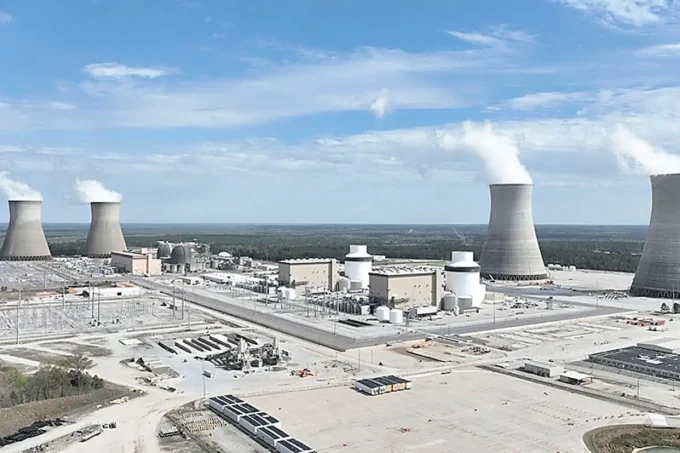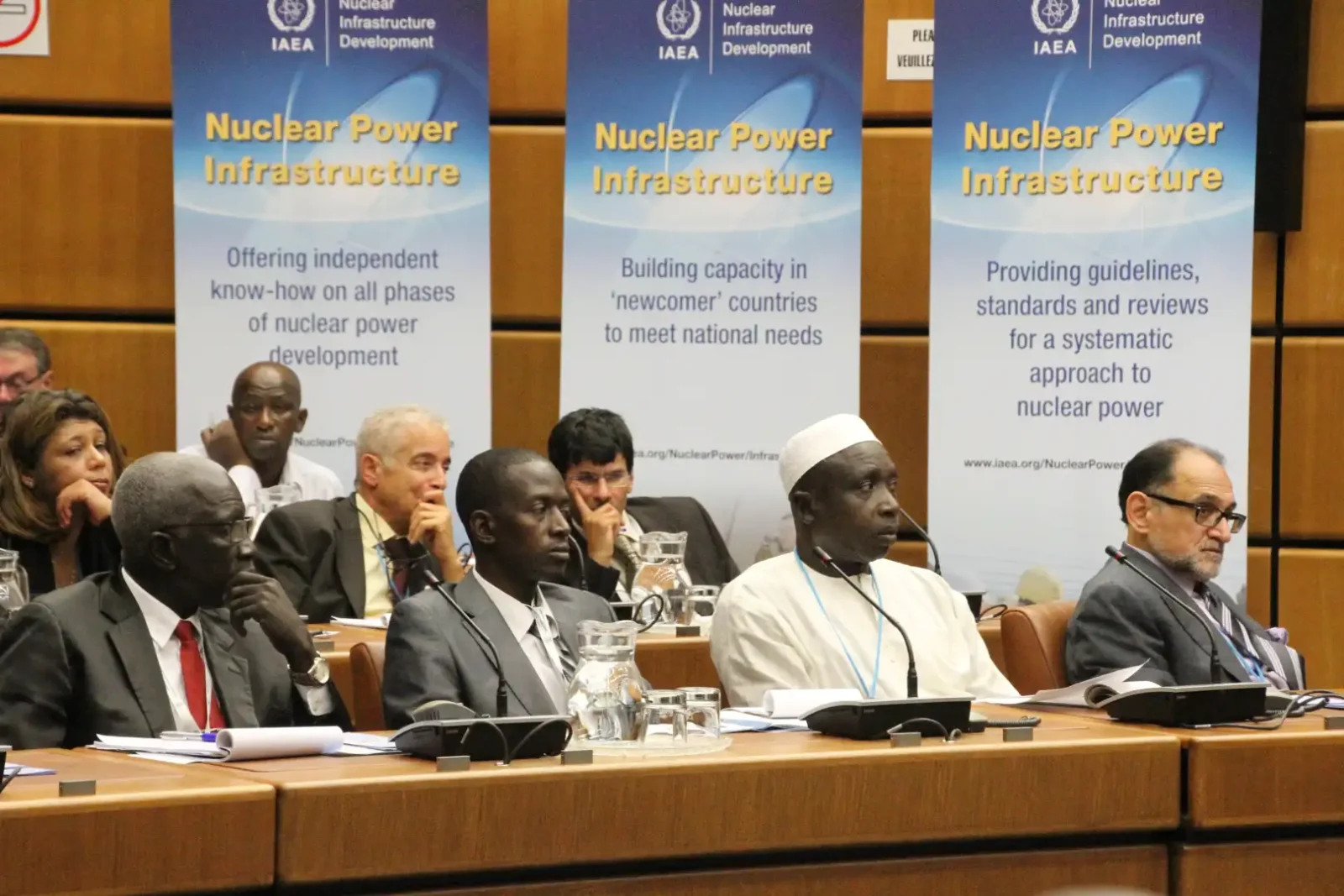
Rwanda is moving closer to introducing nuclear energy into its electricity mix after receiving a positive assessment from the International Atomic Energy Agency (IAEA), which recently reviewed the country’s readiness to develop the infrastructure required for a safe and sustainable nuclear power programme.
The evaluation followed an Integrated Nuclear Infrastructure Review (INIR) mission conducted in Kigali from March 2 to March 9 at the request of the Rwandan government. During the eight-day mission, a team of international experts assessed Rwanda’s progress in building the institutional, legal, and technical foundations necessary to support nuclear power generation.
The findings indicate that Rwanda has made significant strides in preparing for nuclear energy, positioning the country to potentially deploy its first small modular reactor (SMR) in the early 2030s.
If realized, the project could transform Rwanda’s energy landscape. Nuclear power is expected to eventually supply between 60% and 70% of the nation’s electricity needs, offering a reliable and low-carbon source of power to support long-term economic growth.
For a country seeking to strengthen energy security and reduce dependence on electricity imports, nuclear energy represents an ambitious yet increasingly strategic option.
Markets move fast; don’t get left behind. We’ve paired the Serrari Group Market Index with a curated Marketplace and a comprehensive Wealth Builder Course to ensure you have the data—and the skills—to act on it.
What the IAEA Review Mission Examined
The review mission was conducted under the IAEA’s Milestones Approach, a framework designed to guide countries through the complex process of establishing nuclear power infrastructure.
The INIR mission evaluated Rwanda’s preparedness across 19 critical areas, including regulatory systems, nuclear safety frameworks, emergency preparedness, human resource capacity, financing structures, and stakeholder engagement.
The review team consisted of ten experts, including specialists from Egypt, Estonia, Kenya, and Pakistan, along with six staff members from the International Atomic Energy Agency.
Before the mission took place, Rwanda submitted a detailed self-evaluation report outlining the progress already made toward establishing the infrastructure necessary to support nuclear energy development.
This report served as a starting point for discussions between Rwandan authorities and international experts, allowing the mission to assess how closely the country’s preparations align with global nuclear safety and governance standards.
According to the IAEA, the evaluation confirmed that Rwanda is building a solid foundation for its nuclear power ambitions, supported by coordinated government planning and early engagement with stakeholders.
Strong Government Commitment Driving the Programme
One of the most notable findings of the review mission was Rwanda’s strong political commitment to developing nuclear power.
Experts observed that government institutions are working in close coordination to ensure that nuclear development aligns with national energy policies and long-term economic goals.
“Strong government support and effective coordination of the preparatory work helped Rwanda make significant progress towards deciding on a nuclear power programme,” said Mehmet Ceyhan, Technical Lead of the IAEA Nuclear Infrastructure Development Section and leader of the mission.
Ceyhan noted that Rwanda’s approach demonstrates a high level of organization and dedication across multiple institutions involved in the programme.
He also highlighted the country’s early efforts to build emergency preparedness systems and engage stakeholders as key strengths that could serve as valuable examples for other countries considering nuclear energy.
Such coordinated preparation is critical for ensuring that nuclear power programmes are developed responsibly and in line with international safety standards.
The Role of the Rwanda Atomic Energy Board
A central pillar of Rwanda’s nuclear programme is the Rwanda Atomic Energy Board, which was established through a presidential order in 2020.
The board is responsible for overseeing the development of nuclear infrastructure, coordinating national planning efforts, and ensuring compliance with international nuclear safety requirements.
Since its creation, the board has been working closely with government agencies, research institutions, and international partners to build the technical expertise required to support a nuclear energy programme.
The establishment of a dedicated nuclear authority reflects Rwanda’s commitment to developing nuclear power through a transparent and carefully managed process.
It also demonstrates the government’s intention to ensure that nuclear energy development is supported by strong governance and regulatory oversight.
Nuclear Energy at the Center of Rwanda’s Energy Strategy
Rwanda’s interest in nuclear power is closely tied to the country’s broader energy ambitions.
Over the past decade, Rwanda has made significant progress in expanding electricity access and investing in renewable energy. However, rising demand driven by population growth, urbanization, and economic expansion is placing increasing pressure on the national electricity system.
At present, Rwanda relies on a combination of hydropower, solar energy, methane gas, and imported electricity from neighboring countries.
While these sources have supported recent growth, policymakers recognize the need for additional stable, large-scale power generation to meet future demand.
This is where nuclear energy enters the picture.
By incorporating nuclear power into its national energy strategies and the National Land-Use Master Plan, Rwanda aims to diversify its energy mix while strengthening energy independence.
Nuclear power’s ability to deliver reliable baseload electricity makes it particularly attractive for countries seeking to maintain consistent power supply even during fluctuations in renewable energy output.
Context is everything. While you follow today’s updates, use the Serrari Market Index and Marketplace to spot emerging shifts. Need to sharpen your edge? Our Wealth Builder Course turns these insights into a professional-grade strategy.
Why Small Modular Reactors Are a Strategic Choice
Rwanda is specifically exploring the deployment of small modular reactors, often referred to as SMRs.
According to the International Atomic Energy Agency, SMRs are advanced nuclear reactors with a capacity of up to 300 megawatts of electricity per unit, roughly one-third the size of traditional nuclear power plants.
Their smaller size and modular design make them easier to deploy in countries with smaller electricity grids.
For Rwanda, SMRs present several advantages.
First, they require lower upfront investment compared to conventional nuclear plants. Second, they can be constructed in phases, allowing countries to gradually expand capacity as demand increases.
Third, many SMR designs incorporate advanced safety features that reduce the risk of accidents and simplify reactor operations.
These characteristics make SMRs particularly attractive for emerging economies seeking to adopt nuclear energy without building massive traditional reactors.
Infrastructure Progress Highlighted by the IAEA
During the review mission, the IAEA identified several areas where Rwanda has already made notable progress.
These include drafting a comprehensive national nuclear law designed to regulate nuclear activities and ensure safety and security.
Authorities have also begun strengthening the country’s nuclear regulatory framework to ensure that oversight mechanisms are independent and aligned with international best practices.
Another area of progress involves site surveys and identification of candidate locations for the planned SMR project.
Determining suitable sites is a critical step in nuclear power development, as it requires detailed analysis of geological conditions, environmental factors, and infrastructure requirements.
The review team also praised Rwanda’s early work on emergency preparedness and response planning, noting that the country is taking proactive steps to build the systems necessary to respond to potential nuclear incidents.
These efforts reflect Rwanda’s intention to develop nuclear energy in a manner that prioritizes safety and transparency.
Recommendations for the Next Phase
Despite the encouraging progress, the IAEA emphasized that further work will be required before Rwanda can move toward constructing its first nuclear reactor.
The mission issued several recommendations designed to strengthen the country’s nuclear infrastructure and support informed national decision-making.
These include finalizing a comprehensive national report evaluating the feasibility of nuclear power, completing legislative reviews, and adopting additional policies to guide nuclear energy deployment.
The review team also encouraged Rwanda to continue building institutional capacity and expanding technical expertise across relevant government agencies.
These steps will help ensure that the country’s nuclear programme develops in accordance with international standards and global best practices.
Rwanda Reaffirms Commitment to Responsible Nuclear Development
Rwandan officials welcomed the findings of the review mission and emphasized that the country remains committed to pursuing nuclear energy responsibly.
“Rwanda remains firmly committed to the responsible, safe and transparent development of nuclear power infrastructure,” said Jimmy Gasore, Rwanda’s Minister of Infrastructure.
“The IAEA’s review provides invaluable guidance to align our framework with international safety standards and global best practices.”
Gasore added that the partnership with the IAEA will continue to play a key role in guiding Rwanda’s nuclear preparations in the coming years.
International Support and Future Cooperation
Following the mission, Rwanda and the International Atomic Energy Agency will develop a coordinated work plan to support the next phase of the country’s nuclear programme.
This plan will outline areas where technical assistance, policy development, and capacity-building efforts can help strengthen Rwanda’s readiness for nuclear power deployment.
Future missions may also be conducted to monitor progress and assess how effectively the country implements the recommendations provided during the review.
International cooperation is expected to remain a critical component of Rwanda’s nuclear development journey.
Rwanda’s Nuclear Ambitions on the Global Stage
Rwanda’s nuclear ambitions have also gained attention on the international stage.
President Paul Kagame recently highlighted the country’s interest in nuclear energy while speaking at a nuclear energy summit in Paris hosted by Emmanuel Macron.
During the event, Kagame indicated that Rwanda could invest up to $6 billion in nuclear power infrastructure as part of its long-term strategy to secure reliable electricity supply.
He also called for greater international financing support to help developing countries access nuclear technologies.
Such investments could significantly expand Rwanda’s energy capacity while positioning the country as a regional leader in advanced nuclear technologies.
Outlook: A Transformational Opportunity for Rwanda’s Energy Future
The positive assessment from the International Atomic Energy Agency marks an important milestone in Rwanda’s journey toward nuclear energy.
While significant work remains before the country can build and operate its first reactor, the review confirms that Rwanda is making steady progress toward developing the infrastructure required for nuclear power.
If Rwanda successfully deploys a small modular reactor in the early 2030s, it could become one of the first African nations to adopt SMR technology, setting an example for other emerging economies exploring nuclear energy solutions.
Beyond improving energy security, nuclear power could support Rwanda’s broader development goals by enabling reliable electricity for industries, businesses, and households.
As the country continues to refine its policies, strengthen its regulatory systems, and deepen international cooperation, nuclear energy may eventually become a cornerstone of Rwanda’s long-term energy strategy.
For Rwanda, the journey toward nuclear power is not just about building reactors—it is about creating a resilient energy system capable of powering the nation’s economic future while contributing to global climate goals.
Your financial future isn’t something you wait for—it’s something you build.
The real question is: when do you begin?
Move beyond simply staying informed.
Navigate the markets with clarity—track trends through the Serrari Group Market Index, uncover opportunities in the Serrari Marketplace, and build practical knowledge with our Curated Wealth Builder Course.
Stay connected to what truly matters.
Get daily insights on macro trends and financial movements across Kenya, Africa, and global markets—delivered through the Serrari Newsletter.
Growth opens doors.
Advance your career through professional programs including ACCA, HESI A2, ATI TEAS 7 , HESI EXIT , NCLEX – RN and NCLEX – PN, Financial Literacy!🌟—designed to move you forward with confidence.
See where money is flowing—clearly and in real time.
Track Money Market Funds, Treasury Bills, Treasury Bonds, Green Bonds, and Fixed Deposits, alongside global and African indexes, key economic indicators, and the evolving Crypto and stablecoin landscape—all within Serrari’s Market Index.