Malaysia is stepping up its climate and sustainability ambitions with a bold financial strategy designed to channel billions of ringgit into green and socially impactful projects over the next decade.
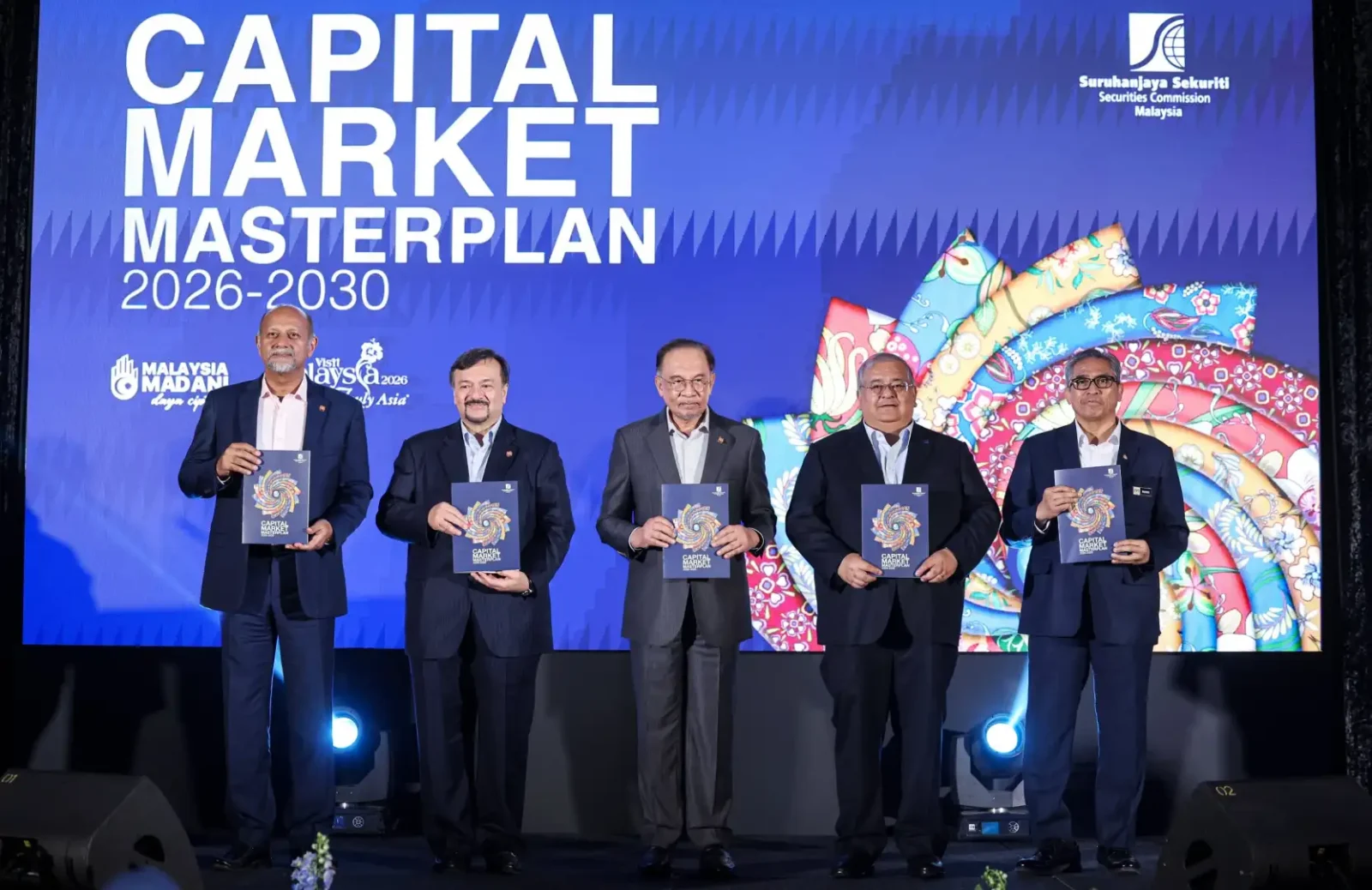
The Securities Commission Malaysia (SC) has announced that the country aims to mobilise RM90 billion to RM100 billion in cumulative sustainability financing by 2030 through its newly launched Capital Market Masterplan 2026–2030 (CMP4). The initiative seeks to unlock large pools of capital for projects that deliver measurable environmental and social outcomes while strengthening Malaysia’s position as a regional hub for sustainable finance.
At its core, the strategy reflects a growing recognition that tackling climate change and social challenges requires far more than policy commitments—it demands significant financial mobilisation, new investment structures and stronger market participation.
By leveraging capital markets, innovative financing tools and partnerships across sectors, Malaysia hopes to accelerate its transition to a low-carbon and climate-resilient economy.
Build the future you deserve. Get started with our top-tier Online courses: ACCA, HESI A2, ATI TEAS 7, HESI EXIT, NCLEX-RN, NCLEX-PN, and Financial Literacy. Let Serrari Ed guide your path to success. Enroll today.
Climate Action at the Centre of Malaysia’s Development Strategy
Malaysia has placed climate action at the heart of its national development agenda, aligning economic growth with environmental responsibility.
The country has committed to reducing greenhouse gas (GHG) intensity by 45 percent by 2030 compared with 2005 levels, while also working toward achieving net-zero emissions by 2050.
Progress toward these targets has already begun. Malaysia has managed to reduce its greenhouse gas intensity by roughly 37 percent, meaning the country is now less than eight percentage points away from reaching its 2030 reduction goal.
However, the path ahead remains complex.
Climate change is increasingly affecting Southeast Asia through rising temperatures, stronger storms, floods and coastal erosion. These pressures are pushing governments to invest not only in emission reduction but also in infrastructure and systems capable of adapting to changing environmental conditions.
Malaysia’s capital market strategy therefore seeks to address both climate mitigation and climate adaptation, ensuring financial flows support a broad spectrum of sustainability initiatives.
Energy Transition Requires Trillions in Investment
One of the biggest challenges facing Malaysia’s climate strategy is financing its energy transition.
According to government estimates, between RM1.2 trillion and RM1.3 trillion will be required to support the country’s shift toward cleaner and more sustainable energy systems.
This massive investment need stems from the transformation of multiple sectors including:
- electricity generation
- transportation
- industrial production
- energy infrastructure
Renewable energy has already made steady progress in Malaysia’s power mix.
As of 2024, renewable sources accounted for roughly 26 percent of installed power capacity, bringing the country closer to the target set under the National Energy Transition Roadmap (NETR).
Still, the country remains about five percentage points short of its 2030 renewable energy target, underscoring the importance of accelerating investment in solar, wind, energy storage and other clean technologies.
Without large-scale private capital participation, experts warn that these energy transition goals could remain out of reach.
This is where the capital market is expected to play a transformative role.
Capital Markets as a Catalyst for Sustainable Growth
Malaysia’s Securities Commission believes capital markets can become one of the most powerful tools for financing climate action.
Capital markets enable large volumes of funds to flow from institutional investors, banks, pension funds and retail investors into long-term infrastructure and development projects.
The Capital Market Masterplan outlines how a strong, well-regulated financial system can mobilise funds efficiently while supporting economic growth.
The plan emphasizes that a robust capital market acts as a critical conduit for the mobilisation and allocation of capital, enabling countries to finance infrastructure, businesses and national development priorities.
In the context of sustainability, this means providing the financial channels needed to fund:
- renewable energy projects
- climate-resilient infrastructure
- sustainable agriculture
- energy efficiency initiatives
- social development programmes
By embedding sustainability into the core of the capital market ecosystem, Malaysia hopes to ensure that environmental and social considerations become integral to investment decisions.
Blended Finance: De-Risking Climate Investments
One of the key strategies highlighted in the masterplan is the use of blended finance structures.
Blended finance combines public funds, concessional funding and private investment into a layered financing structure designed to reduce risks for investors.
This approach is particularly important for climate and social projects that may offer significant environmental benefits but struggle to attract private capital due to uncertain financial returns.
In many cases, blended finance structures involve several layers of investment, often referred to as a capital stack.
At the base of the stack is typically concessional funding, provided by donors, development finance institutions or climate funds. These investors are often willing to absorb higher risks because they prioritise environmental or social impact.
This first-loss layer creates a safety buffer for commercial investors such as banks, pension funds and asset managers, making projects more attractive from a risk-return perspective.
Through these mechanisms, projects that might otherwise be considered too risky—such as coastal protection systems or climate-resilient agriculture—can secure funding.
Innovative Financial Instruments to Unlock Climate Capital
To further support sustainability investments, the Securities Commission plans to expand the use of innovative financial instruments designed to mobilise capital at scale.
Among the instruments expected to play a role are:
- Sustainability-linked sukuk
- Impact bonds
- Catastrophe bonds
- Guarantees and first-loss financing mechanisms
These financial tools allow investors to participate in sustainability initiatives while managing risk exposure.
For instance, catastrophe bonds can provide insurance-like protection against climate disasters, while sustainability-linked bonds tie financial returns to environmental performance metrics.
The use of Islamic finance instruments such as sukuk is particularly significant for Malaysia, which has long been recognised as one of the world’s leading Islamic finance hubs.
The capital market masterplan also highlights Malaysia’s potential to strengthen its global leadership in Islamic capital markets by integrating sustainability principles into Sharia-compliant investment products.
One decision can change your entire career. Take that step with our Online courses in ACCA, HESI A2, ATI TEAS 7, HESI EXIT, NCLEX-RN, NCLEX-PN, and Financial Literacy. Join Serrari Ed and start building your brighter future today
Unlocking New Sources of Capital
A major challenge in sustainable finance is ensuring that climate investments are not limited to government funding alone.
Malaysia’s strategy therefore focuses on unlocking new pools of private capital.
These include funding sources such as:
- institutional investors
- pension funds
- sovereign wealth funds
- philanthropic organisations
- Islamic social finance initiatives
The Securities Commission plans to coordinate these different sources of capital to create a broader and more inclusive financing ecosystem.
Particular attention will be given to integrating Islamic social finance tools such as zakat and waqf into blended finance structures.
These instruments, traditionally used for charitable and community purposes, could potentially play a role in funding climate resilience projects or supporting small businesses transitioning toward sustainable practices.
Expanding the Role of State and Municipal Financing
Another key initiative under the masterplan involves expanding the range of entities able to raise capital for sustainability projects.
The Securities Commission is exploring ways to enable state and municipal governments to issue bonds or other financial instruments to fund local climate initiatives.
This approach could unlock new investment opportunities for infrastructure projects such as:
- flood management systems
- coastal protection programmes
- sustainable urban transport
- climate-resilient housing
By decentralising access to sustainable finance, Malaysia hopes to empower local authorities to address climate challenges specific to their regions.
Social Exchange Platform to Boost Impact Investing
To broaden participation in social impact finance, Malaysia is also working to develop a regulated Social Exchange platform.
This platform will allow non-profit organisations, social enterprises and community initiatives to raise funds directly from investors and donors.
The Social Exchange aims to create a transparent ecosystem where investors can track how their funds are used and what impact they generate.
Retail investors will also be able to support smaller projects that might otherwise struggle to access traditional financing channels.
Malaysia began laying the groundwork for this initiative in January 2025, when the Securities Commission launched the Social Exchange Pilot Programme.
In February this year, the commission announced the appointment of LC Wakaful Digital Sdn Bhd as the country’s first Social Exchange platform operator.
Building a Stronger Sustainable Finance Ecosystem
Beyond funding mechanisms, the masterplan also focuses on strengthening the broader sustainable finance ecosystem.
Key initiatives include:
- promoting adoption of Malaysia’s national sustainability taxonomy
- developing a more active carbon market
- supporting ESG rating agencies and verification bodies
- building capacity among impact-investment managers
These measures aim to ensure transparency, credibility and accountability in sustainability-related investments.
A reliable framework for measuring environmental impact is essential to maintain investor confidence and prevent greenwashing.
Strengthening Global Partnerships
Malaysia also intends to collaborate with international partners to accelerate the development of sustainable finance.
The Securities Commission plans to strengthen cooperation with regulators and financial institutions across ASEAN and the Middle East, regions where Islamic finance and sustainability initiatives increasingly intersect.
By working with global institutions, Malaysia hopes to adopt international best practices while avoiding common pitfalls in the development of climate finance markets.
Such partnerships could also help channel international investment into Malaysia’s sustainability projects.
Outlook: A Strategic Step Toward a Sustainable Economy
Malaysia’s ambitious target of mobilising up to RM100 billion in sustainable finance by 2030 represents more than just a financial milestone.
It signals a broader shift in how the country approaches economic growth and development.
Rather than treating environmental protection and economic expansion as competing priorities, Malaysia is increasingly positioning sustainability as a key driver of long-term prosperity, resilience and investment.
Through a combination of capital market reforms, financial innovation and stronger international collaboration, the country aims to build a financial system capable of supporting its climate ambitions.
If successfully implemented, the Capital Market Masterplan could transform Malaysia into one of Asia’s leading hubs for sustainable finance, while helping the nation move closer to its goal of achieving a net-zero and climate-resilient future.
Ready to take your career to the next level? Join our Online courses: ACCA, HESI A2, ATI TEAS 7 , HESI EXIT , NCLEX – RN and NCLEX – PN, Financial Literacy!🌟 Dive into a world of opportunities and empower yourself for success. Explore more at Serrari Ed and start your exciting journey today! ✨
Track GDP, Inflation and Central Bank rates for top African markets with Serrari’s comparator tool.
See today’s Treasury bonds and Money market funds movement across financial service providers in Kenya, using Serrari’s comparator tools.
Photo Source: Google
By: Rosemary Wambui
10th March 2026