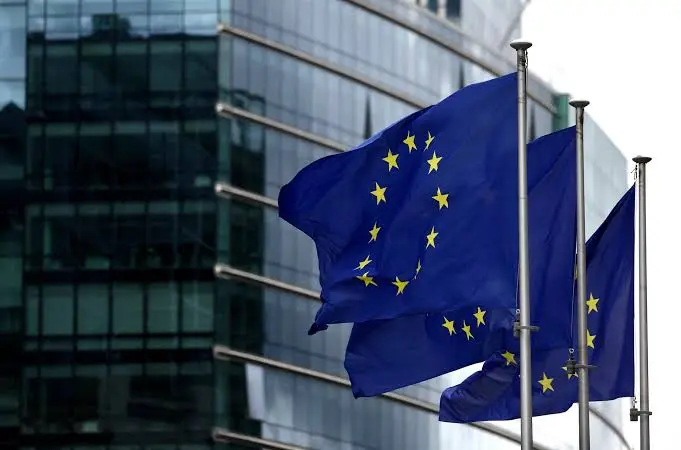
European stock markets moved lower on Friday, reversing earlier gains as energy prices surged again and investors continued to monitor developments in the escalating conflict in the Middle East. The renewed rally in oil prices revived concerns about inflation and global economic stability, prompting investors to reduce exposure to equities across much of the region.
The pan-European Stoxx 600 index declined by around 0.4% during early trading in London, with most major sectors and national stock markets slipping into negative territory. The broader European market has experienced a difficult week, with the Stoxx 600 on track to record a 4.6% weekly loss, marking its steepest weekly decline since April of the previous year when markets were shaken by fears of a potential trade conflict between the United States and China.
The decline in European equities highlights the ongoing sensitivity of financial markets to geopolitical tensions and energy price movements. Rising oil prices, driven by fears of supply disruptions in the Middle East, have added to uncertainty for investors already navigating a complex global economic environment.
Rising Oil Prices Put Pressure on Markets
One of the primary drivers of the decline in European equities has been the sharp rebound in oil prices. Energy markets have been particularly volatile in recent days as geopolitical tensions increased across the Middle East, a region that remains critical to global oil supply.
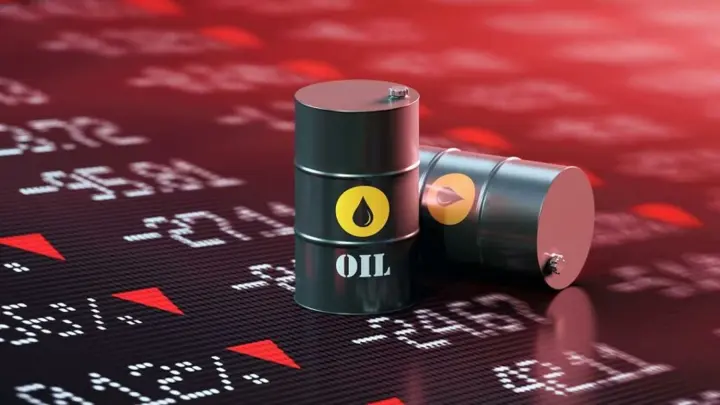
On Friday morning, Brent crude, the global oil benchmark, rose 1.6% to $86.79 per barrel, reversing earlier declines. Meanwhile, West Texas Intermediate (WTI), the U.S. benchmark, climbed 3.6% to approximately $83.96 per barrel.
The renewed surge in oil prices is largely linked to concerns that the ongoing conflict could disrupt production or transportation routes in one of the world’s most important energy-producing regions.
Higher oil prices can have far-reaching consequences for global financial markets.
Inflationary Pressure
Energy costs are a major component of inflation. When oil prices rise significantly, transportation and production costs tend to increase across many sectors of the economy.
Impact on Corporate Profits
Higher energy costs can reduce profit margins for businesses, particularly those in energy-intensive industries such as manufacturing, transportation, and logistics.
Central Bank Policy Implications
Persistent inflation driven by energy prices may force central banks to maintain higher interest rates for longer, which can weigh on stock markets.
European Equities Face Broad-Based Declines
The decline in European stocks was widespread, affecting multiple sectors and national markets.
Major European indices experienced downward pressure as investors reacted to rising oil prices and geopolitical uncertainty.
Despite the negative sentiment, certain individual stocks managed to post strong gains due to company-specific developments.
Corporate Highlights: Sector Movements
Sectra Surges After Strong Earnings
Shares of Sectra, a Swedish medical technology company, jumped 13%, making it one of the top performers on the Stoxx 600.
The company reported strong financial results for the nine-month period between May 2025 and January 2026.
Key highlights from the earnings report included:
- Net sales increased by 8% to $272 million
- Operating profit rose 21% to $54 million
The strong performance reflects continued demand for medical imaging and healthcare technology solutions.
Defense Stocks Rebound
German defense company Renk saw its shares rise 7.7%, partly recovering from losses recorded in the previous trading session.
Defense stocks have attracted increased attention from investors amid rising geopolitical tensions and higher government spending on military equipment.
Media Sector Gains
British broadcaster ITV also experienced a notable rise, with its shares gaining 7.3%.
The increase followed reports suggesting that ITV is in ongoing discussions with Sky regarding the possible sale of its television production business.
Such corporate restructuring discussions often attract investor interest due to the potential for unlocking shareholder value.
Temporary Market Relief on Diplomatic Developments
Although markets initially fell due to geopolitical concerns, they later received some support from reports suggesting that Iran may be engaging in diplomatic efforts aimed at ending the conflict.
According to media reports, Iran has reportedly initiated “secret outreach” efforts seeking a possible resolution to the war.
The report provided a temporary boost to global equities.
European markets briefly recovered some of their losses following the news.
Market Reaction
- The FTSE 100 in the United Kingdom rose nearly 70 points, representing a gain of about 0.65%.
- The Stoxx 600 index climbed 1.5%.
- Germany’s stock market advanced 1.3%.
- France’s equity market gained 0.8%.
- Italy’s stock exchange increased 1.7%.
However, the rebound remained fragile as investors continued to monitor developments in the region.
Global Markets React to Geopolitical Risk
The impact of the Middle East conflict has not been limited to European markets. Stock markets around the world have experienced significant volatility.
United States
On Wall Street, early trading showed mixed performance:
- The Dow Jones Industrial Average fell around 70 points, representing a decline of roughly 0.1%.
- The Nasdaq Composite rose more than 100 points, or about 0.5%.
- The S&P 500 edged slightly higher by approximately 0.15%.
Technology stocks helped support U.S. markets, while other sectors remained under pressure.
Currency and Commodity Markets
The U.S. dollar, which had strengthened earlier as investors sought safe-haven assets, weakened slightly by 0.2%.
Meanwhile, oil prices experienced some volatility, briefly retreating after earlier gains.
Brent crude fell back toward $81 per barrel after initially surging above $84, illustrating how sensitive energy markets remain to geopolitical headlines.
Natural Gas Markets Experience Extreme Volatility
European natural gas markets have also been affected by the escalating tensions.
After surging dramatically earlier in the week, European natural gas futures dropped as much as 9.5%.
This decline followed an extraordinary 60% increase in gas prices over the previous two days, reflecting intense market volatility.
Energy markets often react strongly to geopolitical developments because disruptions to supply chains can quickly affect global energy availability.
Asian Markets Experience Sharp Declines
Asian stock markets also faced heavy selling pressure amid the global market turmoil.
South Korea
Trading on the Korean Stock Exchange was temporarily halted after the Kospi index plunged 12%, marking its largest single-day decline since the global financial crisis in 2008.
The index had already fallen 7% the previous day, highlighting the severity of the market reaction.
Thailand
Thailand’s stock exchange also briefly suspended trading after losses exceeded the 8% circuit-breaker threshold.
Japan
Japan’s Nikkei 225 index dropped 3.6%, reflecting broad investor caution across Asian markets.
China and India
- China’s CSI 300 index declined 1.1%.
- India’s Nifty 50 fell 1.75%.
These declines illustrate how geopolitical tensions can quickly spread across global financial markets.
Middle Eastern Markets React to Regional Tensions
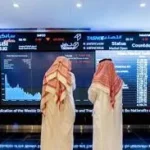
Stock markets in the Middle East also experienced sharp declines when trading resumed after the weekend.
Dubai
The Dubai Financial Market index dropped 4.9% during early trading.
Abu Dhabi
The Abu Dhabi Securities Exchange (ADX) fell 3.3%.
These declines reflect investor concerns about the potential economic consequences of the conflict for the region.
Historical Context: Markets and Geopolitical Conflicts
Financial markets have historically reacted strongly to geopolitical conflicts, particularly those involving major energy-producing regions.
Examples include:
The Gulf War (1990–1991)
Oil prices surged and global markets experienced volatility due to fears of supply disruptions.
The Iraq War (2003)
Energy markets and stock indices experienced fluctuations as investors responded to geopolitical uncertainty.
Russia-Ukraine War (2022)
Global energy markets were significantly disrupted, triggering sharp increases in oil and gas prices.
These historical episodes demonstrate how geopolitical tensions can rapidly affect global financial conditions.
Why This Development Matters
The recent decline in European stock markets amid rising oil prices and escalating tensions in the Middle East is significant for several reasons that extend far beyond short-term market volatility. The developments reflect the interconnected nature of global financial systems, energy markets, and geopolitical stability.
Impact on Global Inflation
One of the most immediate consequences of rising oil prices is their effect on inflation. Energy prices influence nearly every sector of the economy, from transportation and manufacturing to agriculture and consumer goods.
When oil prices increase sharply, businesses often face higher operating costs. These increased costs are frequently passed on to consumers through higher prices for goods and services. As a result, inflationary pressures may intensify at a time when many central banks are still attempting to bring inflation down toward their target levels.
If the surge in oil prices persists, it could reverse some of the progress made in reducing inflation over the past year. This development would complicate monetary policy decisions for central banks across Europe, the United States, and other major economies.
Influence on Central Bank Policy
Central banks carefully monitor energy prices because they play a crucial role in shaping inflation trends. If geopolitical tensions push oil prices higher for a prolonged period, policymakers may be forced to maintain tighter monetary policies than previously expected.
For example, central banks such as the European Central Bank (ECB) and the U.S. Federal Reserve have been considering interest rate cuts in response to slowing inflation and moderating economic growth. However, renewed inflation pressures caused by rising energy prices could delay these policy adjustments.
Higher interest rates tend to weigh on stock markets because they increase borrowing costs for companies and reduce the present value of future earnings. Therefore, sustained increases in oil prices could create additional downward pressure on equity markets.
Energy Security Concerns
The Middle East remains one of the world’s most important energy-producing regions. Any disruption to oil production or shipping routes in the region can significantly affect global energy supply.
The current conflict has revived concerns about the security of key energy infrastructure and shipping lanes. Even if physical disruptions do not occur, the mere risk of supply interruptions can drive energy prices higher as traders factor geopolitical risk into market prices.
For energy-importing regions such as Europe, rising oil prices can increase economic vulnerability and widen trade deficits.
Investor Sentiment and Market Stability
Financial markets are highly sensitive to geopolitical uncertainty. Investors typically reduce exposure to riskier assets such as equities when global tensions rise, shifting their capital toward safer investments such as government bonds, gold, or cash.
The recent volatility across stock markets demonstrates how quickly investor sentiment can change in response to geopolitical developments.
Periods of heightened uncertainty often lead to increased market volatility, which can affect not only institutional investors but also pension funds, retail investors, and corporate financing conditions.
Global Market Contagion
Another important aspect of this development is how quickly geopolitical events can affect financial markets around the world.
The recent conflict triggered significant market reactions across multiple regions:
- European markets declined sharply.
- Asian stock exchanges experienced large losses.
- Middle Eastern markets opened with steep declines.
- Trading suspensions were triggered in some countries.
This rapid transmission of market stress highlights the degree of integration within the global financial system.
Risks and Considerations
Although markets may stabilize if geopolitical tensions ease, several risks remain that could continue to influence financial markets and the broader global economy.
- Escalation of the Middle East Conflict
One of the most significant risks is the possibility that the conflict could escalate further.
If the situation expands to involve additional regional actors or disrupts major oil production facilities, energy markets could experience even greater volatility.
Such developments could trigger:
- Sharp increases in oil and gas prices
- Greater financial market instability
- Declines in global economic confidence
A prolonged conflict would likely have broader economic consequences, particularly for energy-dependent economies.
- Persistent Energy Price Volatility
Energy prices have already experienced substantial fluctuations during the conflict.
Oil prices initially surged before briefly retreating, and natural gas markets have shown extreme volatility with rapid price swings.
Continued instability in energy markets could create uncertainty for businesses, investors, and policymakers.
Industries that rely heavily on energy inputs—such as transportation, logistics, and manufacturing—may face higher operating costs, which could reduce profitability.
- Economic Growth Risks
Higher energy prices act as a tax on economic activity. When consumers and businesses spend more on energy, they have less money available for other goods and services.
This can slow economic growth across multiple sectors.
If energy prices remain elevated for an extended period, global economic growth forecasts may need to be revised downward.
This risk is particularly relevant for economies that are still recovering from recent economic disruptions.
- Financial Market Instability
The recent market declines demonstrate how quickly financial conditions can deteriorate during periods of geopolitical uncertainty.
Sharp drops in stock markets can affect household wealth, investor confidence, and corporate investment decisions.
In extreme cases, sustained market instability could lead to tighter financial conditions and reduced access to capital for businesses.
- Currency and Commodity Market Disruptions
Geopolitical tensions often influence currency markets as investors shift funds toward safe-haven assets.
The U.S. dollar typically strengthens during periods of global uncertainty, although recent fluctuations suggest that multiple economic forces are currently at play.
Similarly, commodities such as gold, oil, and natural gas often experience significant price movements during geopolitical crises.
These shifts can create both opportunities and risks for investors.
Looking Ahead
The outlook for global financial markets will depend largely on how geopolitical events unfold and how policymakers respond to evolving economic conditions.
Several key factors will shape market developments in the coming weeks and months.
- Diplomatic Developments
Diplomatic efforts to de-escalate the conflict could significantly improve investor sentiment.
Recent reports suggesting that Iran may be exploring diplomatic channels have already provided some support for equity markets.
If negotiations progress toward a resolution, financial markets may stabilize and recover some of their recent losses.
However, uncertainty will likely remain until a durable agreement is reached.
- Energy Market Developments
Energy markets will remain one of the most closely watched indicators.
If oil and gas supply disruptions are avoided, energy prices may gradually stabilize. However, if supply concerns intensify, energy prices could rise further, affecting inflation and economic growth.
Energy traders and policymakers will closely monitor shipping routes, production facilities, and geopolitical developments in the region.
- Central Bank Policy Decisions
Central banks will play a crucial role in determining the broader economic impact of rising energy prices.
If inflation accelerates again due to higher oil prices, policymakers may delay interest rate cuts or maintain tighter monetary policies.
Conversely, if economic growth slows significantly, central banks may face pressure to support the economy through more accommodative policies.
- Investor Behavior
Investor sentiment will remain a key driver of financial market performance.
Periods of geopolitical uncertainty often lead to increased demand for safe-haven assets such as:
- Government bonds
- Gold
- Defensive equities
- Stable currencies
However, once markets perceive that risks are stabilizing, capital may quickly return to riskier assets such as equities.
- Potential Market Rebound
Financial markets often recover quickly after geopolitical shocks once uncertainty begins to diminish.
Historical examples show that markets may initially react sharply to geopolitical events but gradually stabilize as investors reassess the long-term economic impact.
If tensions in the Middle East ease and energy prices stabilize, global equity markets could experience a rebound as investor confidence returns.
Conclusion
European stock markets declined as rising oil prices and ongoing geopolitical tensions in the Middle East weighed on investor sentiment. While brief signs of diplomatic engagement provided temporary support to equities, the broader outlook remains uncertain as markets react to developments in the conflict.
The sharp volatility across global markets—from Europe to Asia and the Middle East—highlights the interconnected nature of the modern financial system. Energy prices, geopolitical risks, and investor sentiment continue to influence stock market performance worldwide.
As the situation evolves, investors and policymakers will closely monitor both diplomatic developments and economic indicators to determine the potential long-term impact of the conflict on global financial markets.
Track GDP, Inflation and Central Bank rates for top African markets with Serrari’s comparator tool.
See today’s Treasury bonds and Money market funds movement across financial service providers in Kenya, using Serrari’s comparator tools.
Photo Source: Google
By: Elsie Njenga
10th March,2026