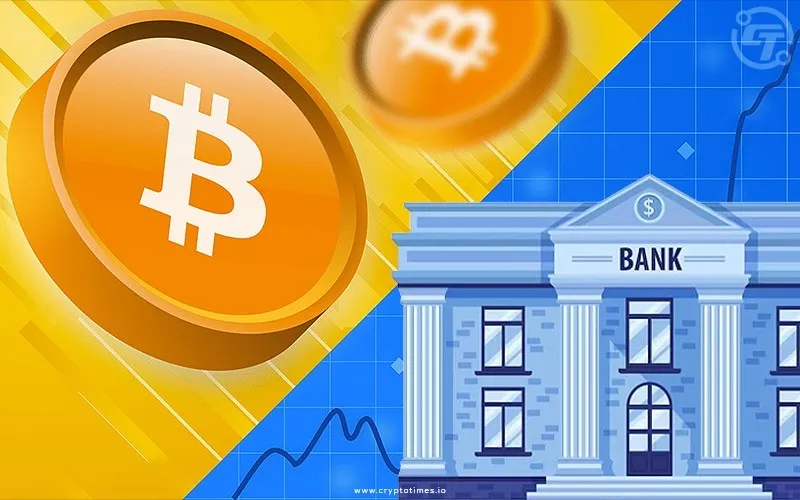
The integration of cryptocurrency into traditional financial systems and institutional wealth management processes has accelerated substantially throughout 2025 and into 2026, driven by regulatory progress, technological maturation, and institutional capital seeking cryptocurrency exposure through legitimate channels. The Grayscale assessment of the digital asset outlook emphasizes that cryptocurrency markets will experience structural shifts driven by macro demand for alternative stores of value and improved regulatory clarity enabling new capital and broadening adoption among advised wealth and institutional investors. The structural shifts represent a fundamental transition in how cryptocurrency is perceived and valued by financial institutions and investment managers, moving from speculative alternative asset toward legitimate components of diversified portfolios.
Build the future you deserve. Get started with our top-tier Online courses: ACCA, HESI A2, ATI TEAS 7, HESI EXIT, NCLEX-RN, NCLEX-PN, and Financial Literacy. Let Serrari Ed guide your path to success. Enroll today.
The approval of spot cryptocurrency exchange-traded funds has created a critical infrastructure enabling institutional participation in cryptocurrency markets without direct ownership, custody, or operational concerns. The regulatory advances enabling spot ETF offerings represent watershed moments for cryptocurrency adoption, as they have created familiar investment vehicles through which institutional investors can gain exposure to digital assets. The ETF structure eliminates technical barriers to cryptocurrency participation that previously required investors to develop operational expertise in custody, security, and trading infrastructure. The ability to access cryptocurrency exposure through traditional brokerage accounts and investment platforms has likely expanded the potential investor base by orders of magnitude.
The rapid accumulation of assets under management in spot cryptocurrency ETFs demonstrates investor appetite for digital asset exposure through legitimate regulated channels. The achievement of more than $115 billion in combined assets across spot Bitcoin and Ethereum ETFs represents remarkable capital deployment and validates investor interest in cryptocurrency despite near-term price weakness. The growth trajectory for cryptocurrency ETF assets under management is expected to accelerate as awareness spreads within institutional investor communities and risk management concerns moderate. The potential for cryptocurrency ETF assets to grow toward hundreds of billions or trillions of dollars remains substantial given the relatively small percentage of institutional portfolios currently allocated to digital assets.
The Visa settlement volumes in USDC reaching annualized rates of $3.5 billion by late 2025 demonstrate that cryptocurrency and blockchain networks are beginning to facilitate actual commercial transactions at meaningful scale. The settlement volume achieved through Visa represents practical application of cryptocurrency and blockchain technology beyond pure trading and speculation toward payment and settlement infrastructure. The transaction volumes are expected to accelerate throughout 2026 as merchants, institutions, and consumers gain familiarity with blockchain-based settlement mechanisms. The development of practical payment and settlement applications represents important validation of cryptocurrency and blockchain utility beyond purely speculative use cases.
The digital asset treasury framework enabling corporations and institutions to hold cryptocurrency assets on their balance sheets has removed important barriers to institutional adoption. The regulatory progress enabling digital asset treasuries has legitimized cryptocurrency holdings as acceptable components of corporate balance sheets and institutional portfolios. The potential for corporations and governments to accumulate cryptocurrency balances is expected to create substantial long-term demand and support cryptocurrency valuations. The adoption of cryptocurrency by institutional balance sheet holders represents important validation of cryptocurrency as alternative stores of value comparable to traditional commodity holdings like gold.
The tokenization of real-world assets including government securities, corporate bonds, and other traditional financial instruments represents important intersection between cryptocurrency technology and traditional finance infrastructure. The expansion of tokenization beyond Treasury bills into tokenized funds, private markets, and consumer-grade applications demonstrates the broader applicability of blockchain technology to traditional financial operations. The tokenization of traditional assets has potential to reduce settlement time, improve operational efficiency, and reduce custody and clearing costs associated with traditional financial infrastructure. The benefits of tokenization are expected to drive continued expansion of tokenization applications throughout the financial system.
The institutional custody and security infrastructure supporting cryptocurrency has matured substantially, enabling institutional investors to safely hold and manage cryptocurrency positions. The development of sophisticated custody solutions from established financial services companies has removed critical operational barriers to institutional cryptocurrency participation. The availability of institutional-grade custody services has enabled pension funds, insurance companies, and other major institutional investors to participate in cryptocurrency markets with confidence that their assets will be securely held and managed. The custodial infrastructure development represents important prerequisite for sustained institutional participation in cryptocurrency markets.
The relationship between cryptocurrency prices and macroeconomic variables including interest rates, inflation, and currency valuations has become more pronounced as institutional participation has increased. The macro demand for alternative stores of value supporting cryptocurrency demand reflects investor concerns about currency debasement and inflation creating demand for assets that maintain purchasing power across extended time horizons. The connection between cryptocurrency valuations and macroeconomic fundamentals suggests that cryptocurrency prices will become increasingly driven by fundamental macroeconomic developments rather than pure sentiment and technical factors. The transition toward fundamental valuation drivers would represent important maturation of cryptocurrency markets and reduced exposure to purely speculative bubble dynamics.
The environmental considerations affecting cryptocurrency adoption have influenced both the development of more energy-efficient consensus mechanisms and the demand for cryptocurrency from environmentally-conscious investors. The sustainability improvements in Bitcoin and other cryptocurrency networks through technological advancement and renewable energy integration have reduced environmental concerns that previously constrained institutional adoption. The progress in sustainable cryptocurrency has enabled institutional investors with environmental, social, and governance mandates to participate in cryptocurrency markets without violating sustainability principles. The continued improvement in cryptocurrency sustainability characteristics is expected to support broader institutional adoption throughout 2026.
The role of cryptocurrency in providing financial inclusion and access to financial services in developing economies represents important use case beyond speculative investment and alternative asset allocation. The practical utility of cryptocurrency for cross-border remittances, access to banking services for unbanked populations, and circumvention of capital controls in restricted jurisdictions has created demand for cryptocurrency that extends beyond developed market investment use cases. The expansion of cryptocurrency utility in financial inclusion represents lasting demand driver independent of speculative cycles and institutional portfolio allocation decisions. The growth of cryptocurrency adoption in developing economies is expected to continue supporting long-term demand and price appreciation.
One decision can change your entire career. Take that step with our Online courses in ACCA, HESI A2, ATI TEAS 7, HESI EXIT, NCLEX-RN, NCLEX-PN, and Financial Literacy. Join Serrari Ed and start building your brighter future today.
The outlook for cryptocurrency integration into traditional finance through 2026 suggests accelerating adoption of institutional participation frameworks and expanded use cases beyond speculative trading. The regulatory progress creating legitimacy and the infrastructure development enabling convenient participation are expected to support sustained capital flows into cryptocurrency markets. The combination of structural improvements and institutional adoption is likely to create lasting increases in cryptocurrency valuations and integration into traditional financial systems. However, the potential for near-term price weakness and consolidation remains important consideration for investors entering cryptocurrency positions at current elevated valuations following substantial 2025 appreciation.
The role of bitcoin as digital gold and store of value has been reinforced by institutional adoption and the integration into treasury balance sheets. The recognition of bitcoin as alternative store of value comparable to traditional precious metals has attracted capital from investors seeking inflation protection and alternative diversification. The potential for bitcoin adoption by central banks and governments as reserve assets could substantially increase demand and valuations. The development of legal and regulatory frameworks enabling sovereign bitcoin holdings is expected to facilitate central bank adoption throughout 2026 and beyond.
The expansion of cryptocurrency use cases beyond trading and speculation toward practical payment and settlement applications has created lasting demand drivers independent of speculative cycles. The development of decentralized finance applications providing lending, borrowing, and yield generation services has created complex economic systems with genuine utility. The tokenization of real-world assets creating digital representations of traditional securities and commodities has created vast potential markets for blockchain-based asset representation. The emergence of these practical applications suggests that cryptocurrency will maintain relevance and value even if speculative enthusiasm moderates.
The relationship between cryptocurrency and traditional financial markets has become increasingly important for understanding broader market dynamics. The correlation between cryptocurrency prices and equity market volatility has varied over time, creating both diversification opportunities and risks of synchronized moves during market stress. The increasing participation of traditional financial institutions in cryptocurrency markets has improved market microstructure and reduced extreme price volatility. The maturation of cryptocurrency market infrastructure including custody, trading, and settlement mechanisms has created conditions supporting stable long-term value accumulation rather than purely speculative trading.
The regulatory roadmap anticipated for 2026 suggests further progress toward comprehensive cryptocurrency frameworks establishing clear rules and expectations for market participants. The expected passage of comprehensive legislation providing regulatory clarity would remove important uncertainties affecting institutional participation and market development. The standardization of regulatory approaches across jurisdictions would reduce compliance complexity for international cryptocurrency participants. The regulatory progress combined with technological advancement is expected to create conditions supporting sustained cryptocurrency adoption and integration into traditional financial systems throughout 2026.
The institutional investor governance frameworks for cryptocurrency have matured as organizations have developed policies regarding digital asset participation. The establishment of clear investment guidelines and risk management procedures has enabled more extensive institutional participation. The development of internal expertise in cryptocurrency analysis and risk assessment has supported institutional capital deployment. The continued development of governance frameworks is expected to facilitate further institutional adoption.
The measurement of cryptocurrency volatility and risk has improved through development of more sophisticated analytical tools and metrics. The standardization of volatility measurements and risk assessment frameworks has supported institutional participation. The improved risk measurement has created more rational pricing of cryptocurrency risk. The continued evolution of risk measurement is expected to support market maturation.
Ready to take your career to the next level? Join our Online courses: ACCA, HESI A2, ATI TEAS 7 , HESI EXIT , NCLEX-RN and NCLEX-PN, Financial Literacy! 🌟 Dive into a world of opportunities and empower yourself for success. Explore more at Serrari Ed and start your exciting journey today! ✨
Track GDP, Inflation and Central Bank rates for top African markets with Serrari’s comparator tool.
See today’s Treasury bonds and Money market funds movement across financial service providers in Kenya, using Serrari’s comparator tools.
Photo Source: Google
By: Montel Kamau
Serrari Financial Analyst
9th March, 2026