The landscape of global finance shifted decisively when Axa SA, France’s largest insurance provider, confirmed it would sever ties with German energy titan RWE AG. While the initial move focused on coal, the reverberations of this decision are now reaching every corner of the fossil fuel industry. In the years following that landmark exclusion, the conversation has evolved from a debate over “greenwashing” to a cold, actuarial reality: carbon-intensive assets are becoming a liability that the world’s largest balance sheets can no longer justify.
Build the future you deserve. Get started with our top-tier Online courses: ACCA, HESI A2, ATI TEAS 7, HESI EXIT, NCLEX-RN, NCLEX-PN, and Financial Literacy. Let Serrari Ed guide your path to success. Enroll today.
The Axa-RWE Fracture: A Precedent for Exclusion
The departure of Axa from RWE’s roster of insurers was not a mere administrative shift; it was a high-stakes rejection of a corporate transition plan. Despite personal appeals from former RWE CEO Rolf Martin Schmitz to Axa’s leadership, the insurer remained resolute. The sticking point was not RWE’s intent—the utility had committed to carbon neutrality by 2040—but rather the pace of its transition.
For Axa, the numbers were disqualifying. Under its updated group energy policy, Axa prohibits underwriting companies that produce more than 20 million tons of coal per year. RWE, at the time of the split, was extracting roughly 65 million tons annually. By 2026, these restrictions have only tightened. Axa’s 2024-2026 climate strategy now targets a complete exit from the coal industry in OECD and EU countries by 2030, with a worldwide phase-out by 2040.
What makes the RWE case particularly striking is Axa’s refusal to insure even the utility’s renewable energy projects. This “all-or-nothing” approach serves as a warning to other diversified energy companies: having a “green” division is no longer a guaranteed passport to the insurance markets if the core business remains tethered to thermal coal.
The Shrinking Pool of Capital
The insurance industry is notoriously concentrated. When giants like Axa, Allianz, and Swiss Re adopt strict exclusion criteria, the remaining capacity in the market shrinks rapidly. Heffa Schuecking, director of the German environmental nonprofit Urgewald, famously noted that “the writing is on the wall” for companies that find themselves unwelcome at these major firms.
By early 2026, the data indicates that this concentration is creating a “flight to quality” where only the most aggressive decarbonizers can secure affordable premiums. According to the 2025 Energy Market Review by WTW (formerly Willis Towers Watson), while some areas of the energy market are seeing “softening” rates due to high competition, coal-heavy utilities are facing the opposite. For these firms, rate increases can reach up to 40%, and blanket exclusions have become a significant obstacle to transferring risk.
The Role of Allianz and the German Context
As Germany’s largest insurer, Allianz SE has followed a similar, albeit distinct, path. Allianz’s current policy excludes any company that derives more than 25% of its energy generation from coal or has more than 5 gigawatts of installed thermal coal capacity. In its latest statement on coal-based business models, Allianz reiterated that thermal coal is the single largest contributor to human-induced global temperature increases and must be phased out stringently.
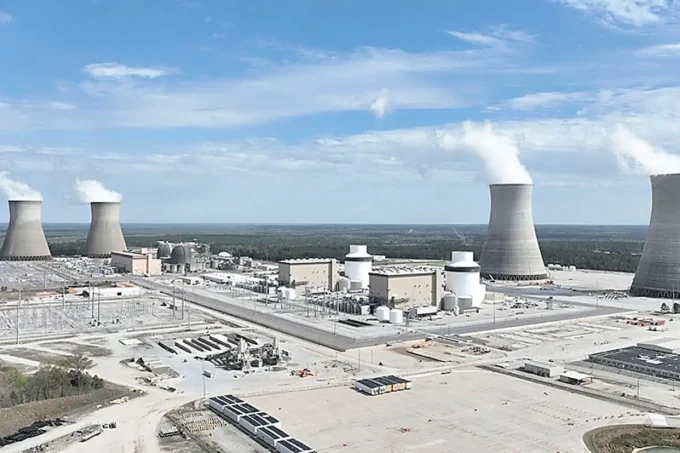
This puts German companies like RWE in a difficult position. While RWE has successfully decommissioned all hard coal assets in Germany and the UK, it still operates massive lignite mines and plants in the western region of North Rhine-Westphalia. Although an agreement exists to exit coal by 2030, delays in building backup gas-fired power plants have made that deadline increasingly tenuous. This “delay risk” creates a secondary headache for insurers who must decide whether to extend “grace periods” or follow through on their exclusion threats.
Is Oil and Gas the Next Frontier?
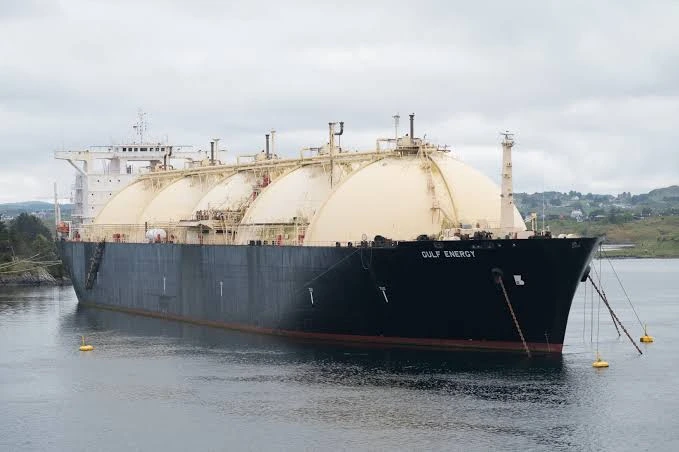
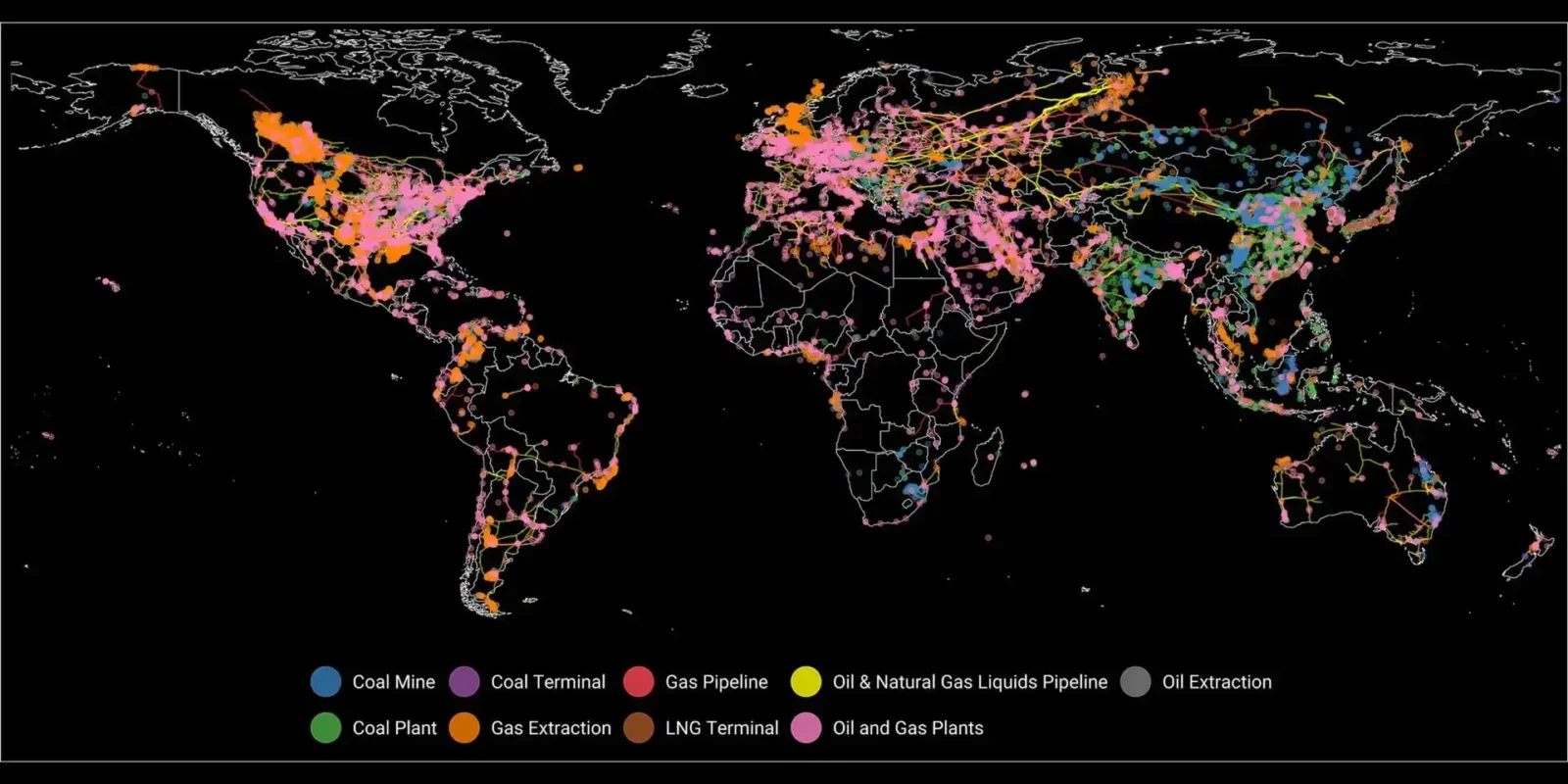
While coal was the “low-hanging fruit” for divestment, the spotlight has shifted toward oil and gas—specifically unconventional sources like shale and liquefied natural gas (LNG).
Campaign groups such as Insure Our Future have been relentlessly pressuring the industry to stop insuring new and expanded oil and gas projects. Their 2025 demands include an immediate halt to underwriting for companies not aligned with a 1.5°C pathway.
Axa’s policy has already begun to address this. The group has restricted support for shale oil and gas projects for clients who derive more than 30% of their production from these sources. However, cracks in this policy are appearing. Critics from Reclaim Finance pointed out in late 2025 that Axa continues to insure massive LNG export terminals like Calcasieu Pass in the U.S., despite the fact that these terminals are often powered by the very shale gas Axa claims to restrict. This internal contradiction highlights the “tug-of-war” between long-term climate commitments and the short-term demand for energy security and profitable underwriting.
One decision can change your entire career. Take that step with our Online courses in ACCA, HESI A2, ATI TEAS 7, HESI EXIT, NCLEX-RN, NCLEX-PN, and Financial Literacy. Join Serrari Ed and start building your brighter future today.
The Economic Consequences of “Uninsurability”
Insurance is often a legal or contractual requirement for large-scale energy projects. Without it, companies cannot secure debt financing, satisfy regulators, or protect shareholders from catastrophic loss. When an asset becomes “uninsurable,” it effectively becomes a “stranded asset”—valueless because it cannot be operated within the modern financial framework.
The World Health Organization recently highlighted this in a Bulletin perspective, noting that insurers serve as “structural actors” that give fossil fuel projects financial viability. By withdrawing that support, insurers are essentially de-risking the future by making the present more expensive for polluters.
However, this transition is not without its risks. Finance Watch has warned of a “climate-finance doom loop”, where the continued underwriting of fossil fuels exacerbates climate change, which in turn leads to more frequent natural disasters and higher claims, eventually threatening the solvency of the insurers themselves. Currently, only about 23% of weather-related losses in Europe are insured, a “protection gap” that is expected to widen as premiums for high-risk assets climb out of reach.
The Regional Divide: Europe vs. The Rest of the World
A notable trend in 2026 is the growing divide between European insurers and their counterparts in the U.S. and Asia. While European firms like Axa and Allianz are leading the charge on exclusions, U.S. insurers have been slower to adopt similar policies. In some U.S. states, political pushback has even led to laws that restrict state contracts with financial firms perceived to be “boycotting” the energy industry.
This creates a fragmented global market. Fossil fuel companies may find a “lifeline” in American or Asian insurance markets, but they will likely pay a premium for the privilege. Furthermore, as the International Court of Justice recently affirmed in a 2025 landmark advisory opinion, states have binding legal obligations to address climate change. This will likely lead to more climate-related regulatory enforcement and litigation against both corporates and their insurers, regardless of where they are headquartered.
The Path Forward: From Exclusions to Transition Financing
The story of Axa and RWE is not just one of rejection; it is part of a broader re-alignment of capital. Axa has committed to dedicating €5 billion each year to transition investments and aims to reach €6 billion in transition insurance by the end of 2026.
The goal is to shift from being “gatekeepers” of the old energy economy to “enablers” of the new one. This includes developing specialized products for:
- Green Hydrogen: Insuring the construction and operation of electrolyzers and storage.
- Carbon Capture and Storage (CCS): Managing the long-term liability risks associated with underground carbon storage.
- Floating Offshore Wind: Providing coverage for emerging technologies that operate in harsher, deep-water environments.
Comparing Key Insurer Policies (2026 Status)
| Insurer | Coal Revenue Threshold | Oil/Gas Stance | 1.5°C Commitment |
| Axa SA | <10% (by 2026) | Restricted Shale/Oil Sands | Net-Zero by 2050 |
| Allianz SE | <25% (Phase-out by 2030) | No new Oil/Gas fields | Net-Zero by 2050 |
| Swiss Re | Zero exposure by 2030 (OECD) | Oil/Gas exit by 2025/30 | Net-Zero by 2050 |
Conclusion: The End of the “Business as Usual” Era
The decoupling of Axa and RWE was a klaxon for the energy industry. It signaled that even the most powerful utilities cannot rely on their historical size or political importance to secure the financial tools they need to operate. As climate litigation increases and the physical risks of a warming world manifest in record insurance claims, the actuarial math will continue to favor exclusion over engagement for laggards.
The oil and gas market is indeed next. While gas is still seen by some as a “bridge fuel,” the bridge is shortening. With major insurers now scrutinizing Scope 3 emissions and the environmental impact of the entire value chain, the era of the “unwelcome client” has only just begun.
Ready to take your career to the next level? Join our Online courses: ACCA, HESI A2, ATI TEAS 7 , HESI EXIT , NCLEX – RN and NCLEX – PN, Financial Literacy!🌟 Dive into a world of opportunities and empower yourself for success. Explore more at Serrari Ed and start your exciting journey today! ✨
Track GDP, Inflation and Central Bank rates for top African markets with Serrari’s comparator tool.
See today’s Treasury bonds and Money market funds movement across financial service providers in Kenya, using Serrari’s comparator tools.
photo source: Google
By: Montel Kamau
Serrari Financial Analyst
3rd March, 2026