The global energy landscape shifted violently on Monday as military escalations in the Middle East transitioned from rhetorical threats to direct infrastructure kinetic strikes. Following U.S. and Israeli attacks on Iranian territory, retaliatory measures and collateral damage have rattled the foundational pillars of global supply. With the Strait of Hormuz—the world’s most sensitive oil chokepoint—facing a “de facto closure” and major production facilities in Qatar and Saudi Arabia offline, the economic aftershocks are being felt from European heating markets to American gas stations.
Build the future you deserve. Get started with our top-tier Online courses: ACCA, HESI A2, ATI TEAS 7, HESI EXIT, NCLEX-RN, NCLEX-PN, and Financial Literacy. Let Serrari Ed guide your path to success. Enroll today.
The Immediate Shock: Natural Gas and the Qatar Factor
While oil often dominates the headlines during Middle Eastern conflicts, the most acute price movement on Monday occurred in the natural gas sector. European futures contracts for April delivery surged by over 40%, reaching 45.46 euros ($53.26) on the ICE commodities exchange.
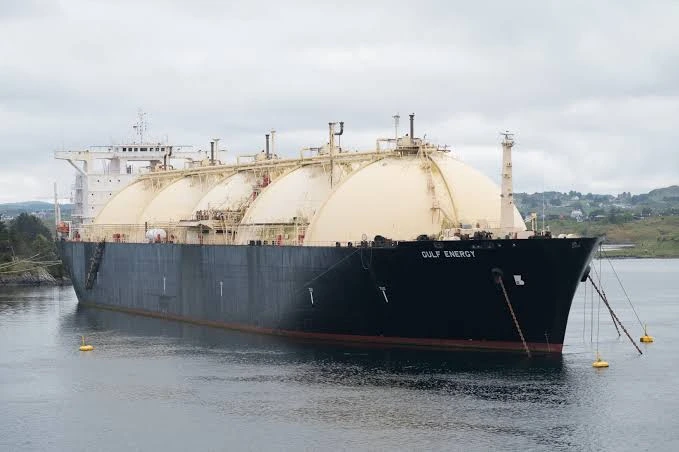
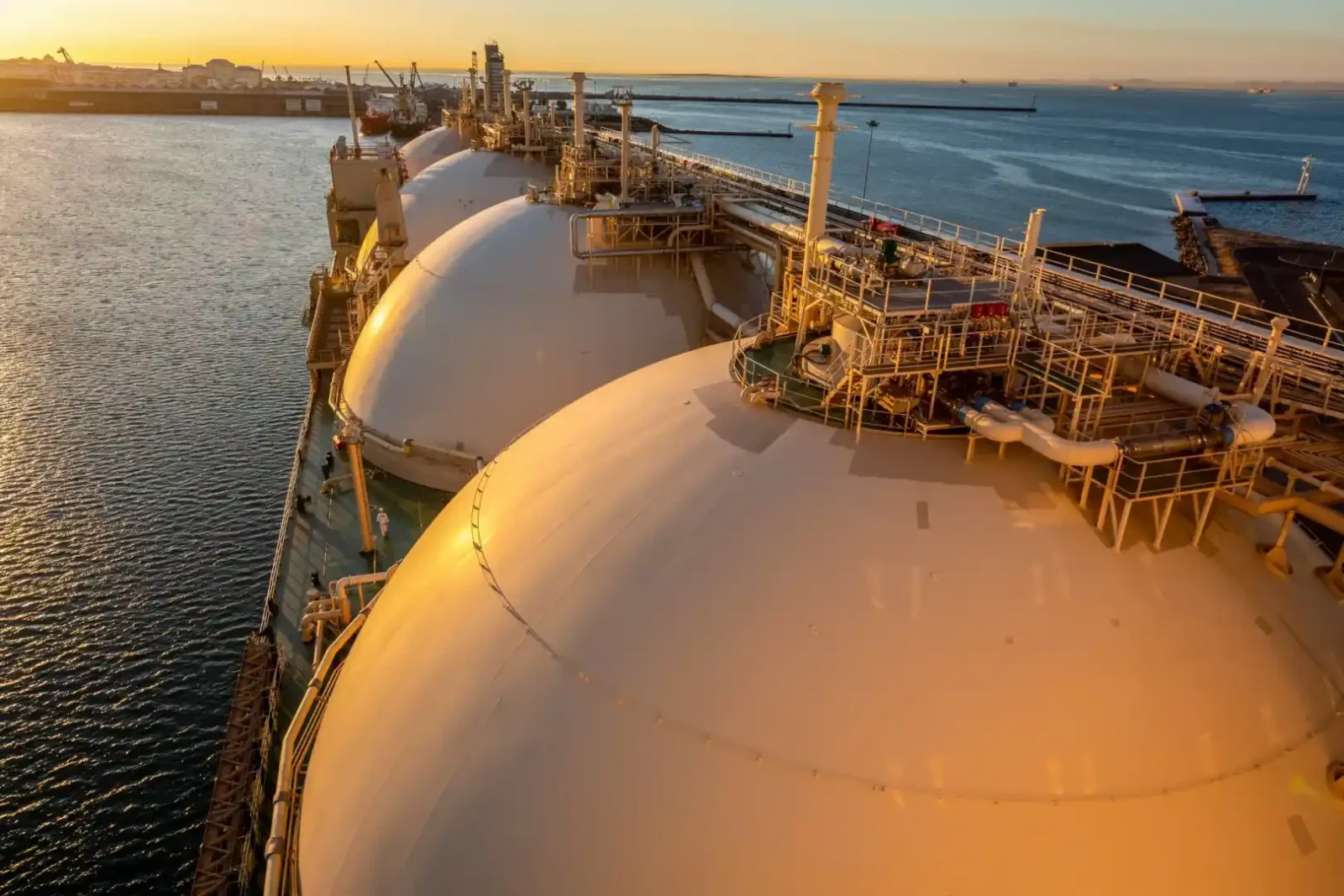
The primary catalyst for this vertical move was an unprecedented announcement from QatarEnergy. The state-owned giant halted all production of liquefied natural gas (LNG) after its facilities sustained damage during the exchange of fire. This represents a catastrophic blow to European energy security. Since the drastic reduction of Russian pipeline gas following the invasion of Ukraine, Europe has become heavily reliant on Qatari LNG to maintain industrial output and grid stability.
Kevin Book, managing director at Clearview Energy Partners, noted that the danger to infrastructure is not merely from targeted strikes. “Shrapnel and debris from missile interceptions can fall onto facilities and disable them too,” Book explained. The complexity of modern energy infrastructure means that even a “successful” interception of a drone or missile over a refinery can lead to weeks of maintenance downtime due to falling debris.
Oil Markets Bracing for Impact
In the crude markets, the reaction was swift and severe. U.S. West Texas Intermediate (WTI) rose 6.3% to settle at $71.23 per barrel, while the international benchmark, Brent crude, climbed 6.7% to $77.74 per barrel.
These price levels reflect a “war premium” that analysts suggest could expand rapidly if the conflict persists. Currently, the market is pricing in the immediate loss of Iranian exports and the precautionary shutdown of Saudi facilities. However, if the conflict expands to include the permanent disablement of loading terminals in the Persian Gulf, some analysts warn that prices could easily exceed $100 per barrel, a level not seen consistently for several years.
The Siege of the Strait of Hormuz
The focal point of global anxiety remains the Strait of Hormuz. This narrow waterway, separating Iran from the Arabian Peninsula, is the artery through which 20% of the world’s daily petroleum liquids pass. According to data and analytics firm Kpler, tanker traffic through the strait has dropped to a “trickle.”
The disruption is being driven by two main factors:
- Electronic Warfare: The U.K. Maritime Trade Operations (UKMTO) center has reported significant electronic interference and spoofing of AIS (Automatic Identification System) signals, making it nearly impossible for ship captains to navigate safely or avoid collisions.
- Kinetic Attacks: A drone boat carrying explosives struck a Marshall Islands-flagged tanker in the Gulf of Oman, resulting in the death of a mariner. This escalation has led insurance companies to either cancel policies or raise War Risk premiums to levels that make transit economically unviable for many operators.
One decision can change your entire career. Take that step with our Online courses in ACCA, HESI A2, ATI TEAS 7, HESI EXIT, NCLEX-RN, NCLEX-PN, and Financial Literacy. Join Serrari Ed and start building your brighter future today.
The Political Fallout in the United States
For U.S. President Donald Trump, the timing of this energy spike is precarious. With midterm Congressional elections approaching in November, the administration is hyper-aware of the correlation between global crude prices and domestic “pump prices.”
According to data from AAA, the national average for a gallon of regular gasoline rose 6 cents on Monday alone to $2.99. While this remains lower than historical peaks, the velocity of the increase is what worries economists. Research from the Federal Reserve Bank of Dallas indicates that a $10 per barrel increase in crude typically translates to a 25-cent rise per gallon within 20 days.
President Trump stated on Monday that military operations against Iran are expected to last four to five weeks. However, Holger Schmieding, chief economist at Berenberg Bank, suggests the president will likely “go to great lengths” to prevent a lasting surge. The administration may consider further releases from the Strategic Petroleum Reserve (SPR), though current SPR levels are a point of intense political debate regarding national readiness.
Comparative Impact: Oil vs. Gas Sensitivity
| Region | Primary Concern | Economic Impact of $15/bbl Rise |
| United States | Gasoline prices / Midterm elections | Immediate 30-40 cent rise at pump |
| Europe | Industrial LNG / Heating | 0.5 percentage point increase in CPI |
| China | Supply security for refineries | High (relies on 1.6M barrels/day from Iran) |
Escalation in Saudi Arabia: The Ras Tanura Incident
The conflict took a turn toward regional destabilization when Saudi state television confirmed that the Ras Tanura refinery—one of the world’s largest oil stabilization and refining complexes—was targeted by Iranian drones. Although Saudi forces reportedly intercepted the drones, the facility was shut down as a “precautionary measure.”
This incident signals that Iran is willing to target the energy wealth of its neighbors to exert pressure on the West. Torbjorn Soltvedt, a principal Middle East analyst at Verisk Maplecroft, argues that Iran’s strategy is to increase the economic pain for the UAE and Saudi Arabia, hoping they will force a de-escalation from Israel and the U.S.
“If we start to see additional direct attacks against energy infrastructure in Kuwait or the UAE, the market will start to think about a push toward $90 and perhaps even beyond,” Soltvedt warned. The vulnerability of these facilities, despite advanced missile defense systems like the Patriot or THAAD, remains a central concern for investors.
Infrastructure Limitations: Can We Bypass the Strait?
A common question in energy circles is whether pipelines can mitigate the closure of the Strait of Hormuz. While Saudi Arabia and the UAE have invested in pipelines to transport crude to the Red Sea and the Gulf of Oman, these routes lack the capacity to handle the full volume of Persian Gulf exports.
The East-West Pipeline in Saudi Arabia has a capacity of roughly 5 million barrels per day, but even at full utilization, it cannot replace the 20 million barrels that usually flow through the Strait. Furthermore, Iraq’s export capacity is almost entirely dependent on the southern terminals at Basra, which are now effectively trapped behind the blockade.
Looking Ahead: Volatility as the New Normal
The coming weeks will be defined by extreme volatility. Market participants are looking for signs of whether the “de facto closure” of the Strait will become a permanent blockade or if a multilateral naval task force can restore the “Freedom of Navigation.”
If the U.S. military successfully “annihilates” (in the words of the President) the Iranian naval capability, the long-term prospects of a closure decline. However, the threat of submerged sea mines remains a persistent danger that could keep insurance rates high and shipping traffic low for months after active hostilities end.
For now, the global economy sits in a state of suspense. A short-lived conflict might see prices retreat to the $65-$70 range, but every drone strike on a refinery or tanker pushes the world closer to a sustained energy crisis that could stifle global growth well into 2027.
Ready to take your career to the next level? Join our Online courses: ACCA, HESI A2, ATI TEAS 7 , HESI EXIT , NCLEX – RN and NCLEX – PN, Financial Literacy!🌟 Dive into a world of opportunities and empower yourself for success. Explore more at Serrari Ed and start your exciting journey today! ✨
Track GDP, Inflation and Central Bank rates for top African markets with Serrari’s comparator tool.
See today’s Treasury bonds and Money market funds movement across financial service providers in Kenya, using Serrari’s comparator tools.
photo source: Google
By: Montel Kamau
Serrari Financial Analyst
3rd March, 2026