










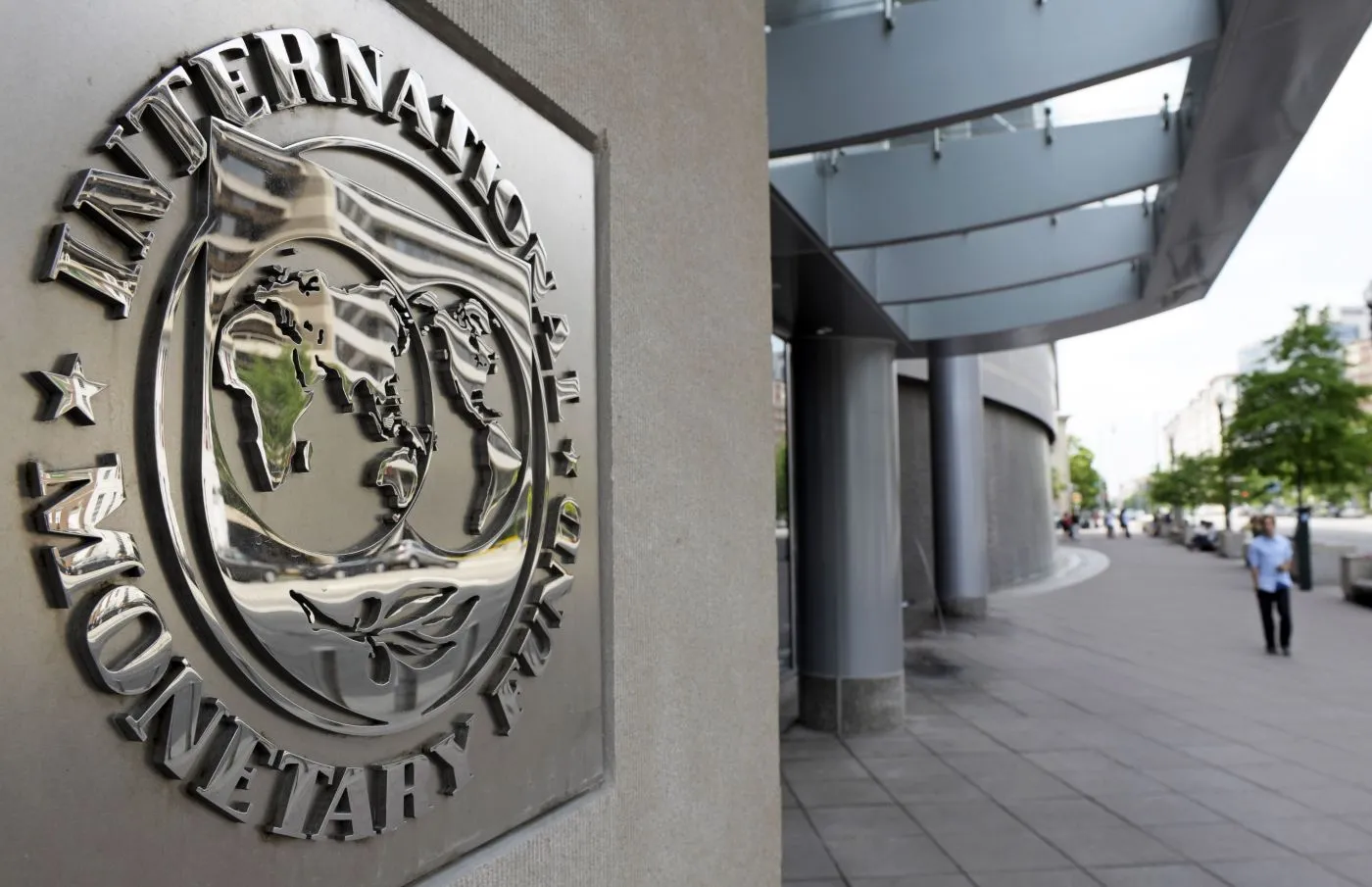
The International Monetary Fund’s executive board approved the sixth and final review of Zambia’s Extended Credit Facility on Tuesday, paving the way for a disbursement of $190 million to the Southern African nation and marking the conclusion of a critical economic stabilization program that helped pull the country back from the brink of financial collapse.
The approval, announced in a statement by the Washington-based lender, brings total IMF disbursements to Zambia under the 38-month program to approximately $1.7 billion since the facility was first approved in August 2022. The program, originally valued at $1.3 billion, was subsequently augmented by $385.7 million in June 2024 as Zambia made progress on critical economic reforms and debt restructuring negotiations.
“Despite external and domestic shocks, Zambia has significantly reduced macroeconomic imbalances, made considerable progress on debt restructuring, and undertaken sustained fiscal consolidation while safeguarding social spending,” said Nigel Clarke, the IMF’s deputy managing director, in the Fund’s statement following the board’s approval.
The completion of the program comes at a politically sensitive moment for Zambia. President Hakainde Hichilema, who faces reelection in August 2026, is betting his political future on an economic turnaround fueled by record copper production and the resolution of the country’s debt crisis. The IMF program’s successful conclusion—and the economic stability it represents—forms a centerpiece of Hichilema’s reelection campaign as he seeks to demonstrate that painful reform measures have delivered tangible results.
Build the future you deserve. Get started with our top-tier Online courses: ACCA, HESI A2, ATI TEAS 7, HESI EXIT, NCLEX-RN, NCLEX-PN, and Financial Literacy. Let Serrari Ed guide your path to success. Enroll today.
From Default to Recovery: Zambia’s Turbulent Economic Journey
Zambia’s relationship with the IMF over the past four years tells the story of one of Africa’s most dramatic economic crises and recoveries of the pandemic era. In November 2020, the country became the first African nation to default on its external debt during the COVID-19 pandemic when it missed a $42.5 million Eurobond coupon payment, triggering what credit rating agencies quickly characterized as a “Restricted Default.”
The default was the culmination of years of unsustainable borrowing and fiscal mismanagement. By 2020, Zambia’s public and publicly guaranteed debt had ballooned to 104% of GDP, driven by a combination of external borrowing—particularly from Chinese state-owned banks under Beijing’s Belt and Road Initiative—and domestic debt accumulation. The country’s external debt had surged from just $1.96 billion in 2011 to $12.7 billion by 2020, representing a staggering 540% increase in less than a decade.
The default triggered severe consequences. International capital markets shut their doors to Zambia. The government was forced to implement spending cuts that deepened poverty and curtailed essential public services. Economic growth collapsed, with GDP contracting nearly 2.8% in 2020 as the pandemic compounded existing structural weaknesses in Zambia’s commodity-dependent economy.
In February 2021, Zambia formally requested debt restructuring under the G20 Common Framework for Debt Treatment—a mechanism designed to help the world’s poorest countries manage unsustainable debt burdens. What followed was what analysts have described as “an epic story of protracted and back-and-forth negotiations” among various stakeholders that kept the Zambian economy in standstill for over 3.5 years.
The complexity stemmed from Zambia’s diverse creditor base. The country owed money to multiple parties: official bilateral creditors including China and France, multilateral institutions like the World Bank and African Development Bank, commercial Eurobond holders, and private lenders. Achieving “comparability of treatment”—ensuring all creditors accepted similar losses—proved extraordinarily difficult, particularly given tensions between traditional Paris Club creditors and China, now the world’s largest official creditor.
The breakthrough came in June 2024 when Zambia finally secured agreement with its official creditor committee, co-chaired by China and France. The deal provided temporary debt relief while establishing a framework for sustainable repayment, though the prolonged negotiation process had already exacted a heavy toll on Zambia’s economy and development prospects.
The IMF Program: Stabilization Through Painful Reforms
The Extended Credit Facility approved by the IMF in August 2022 provided Zambia with both financial resources and a policy framework to restore macroeconomic stability. But it came with stringent conditions that required difficult political choices from the government.
On the fiscal front, authorities committed to generating a primary budget surplus—meaning government revenues exceed spending before debt service payments. The IMF projects Zambia achieved a primary surplus of 2.2% of GDP in 2025, including repayment of accumulated fuel arrears—a significant achievement given the country posted a 6% deficit in 2020.
This fiscal consolidation required both revenue enhancement and expenditure restraint. Government revenue, excluding grants, is projected to reach 22.6% of GDP in 2025, reflecting stronger tax compliance and administration improvements. The authorities accelerated value-added tax refunds to clear legacy arrears that had accumulated under the previous administration, addressing a major grievance of the business community.
On the spending side, the government maintained discipline while protecting social expenditures—a critical political requirement given the economic hardship facing many Zambians. Finance Minister Situmbeko Musokotwane emphasized that social spending increased in line with government priorities even as overall expenditure was restrained.
Monetary policy also tightened under IMF guidance. The Bank of Zambia, led by Governor Denny Kalyalya, pursued a carefully calibrated stance aimed at anchoring inflation expectations while building international reserves. Gross international reserves have risen to approximately $5.2 billion, equivalent to five months of import cover—a substantial buffer against external shocks.
The currency has stabilized significantly. After years of depreciation that fueled inflation and eroded purchasing power, the Kwacha has strengthened, helped by improved copper export earnings and restored investor confidence. Inflation, while still elevated, is easing gradually—supported by the stronger currency, lower fuel prices, and improved food supply following agricultural interventions.
Economic Recovery Takes Hold
The IMF program’s most tangible success is visible in Zambia’s economic growth trajectory. After the 2020 contraction, the economy has rebounded strongly. Real GDP growth is projected at 5.2% in 2025, despite weaker-than-expected performance in mining and wholesale and retail trade sectors during the first half of the year.
Looking ahead, the IMF forecasts even stronger performance, with growth projected to average 5.6% between 2026 and 2031, underpinned by investment, robust agricultural production, and improved electricity generation. The latter is particularly critical—Zambia suffered severe power shortages in 2024-2025 due to drought affecting hydroelectric generation, which disrupted mining operations and economic activity.
The external accounts tell a more complex story. Despite favorable terms of trade—including higher-than-projected international copper prices—the current account deficit is projected to widen to about 2.1% of GDP in 2025, driven by broad-based import growth and lower official grants. However, the Fund expects the current account to rebound to an estimated surplus of 1.7% of GDP in 2026 and gradually increase to about 3.2% of GDP by 2030, amid expanding copper production and elevated copper prices.
Inflation remains a challenge but is on a declining trajectory. The IMF projects inflation will converge gradually toward the Bank of Zambia’s 6-8% target band by 2027, down from double-digit levels that characterized much of the 2020-2024 period.
The Copper Catalyst: Mining Sector Revival
Central to Zambia’s economic recovery—and President Hichilema’s political fortunes—is the dramatic revival of the copper mining sector. After years of underinvestment, policy uncertainty, and operational disruptions under the previous government, mining companies are pouring billions of dollars into Zambian operations, attracted by record copper prices and a more stable policy environment.
President Hichilema, who faces reelection in August, has made rapid copper growth central to his economic pitch, targeting output of 3 million tons annually by early next decade. That would be more than triple current production levels and position Zambia among the world’s top copper producers.
The investment response has been substantial. First Quantum Minerals, Zambia’s biggest producer, announced a $1.3 billion investment to scale up copper production. Other major firms including Barrick Mining Corp. and Sinomine Resource Group are collectively investing approximately $10 billion to boost output. “The level of investment that’s coming in right now, I don’t think that can be matched in the history of Zambia,” First Quantum CEO Tristan Pascall said in an interview.
The timing could hardly be better. Copper prices are trading near record highs, driven by supply disruptions globally and surging demand for the metal in electric vehicles, renewable energy systems, and grid infrastructure. Banks including Goldman Sachs expect further price gains as the market moves into deficit later this decade, with the bank raising its 2026 forecast by 5% in an October note.
Hichilema hopes Zambia will surpass 1 million tons of production this year for the first time in a century of commercial mining—a symbolic and economic milestone that would boost government coffers through royalties and taxes. The deal with creditors, including bondholders and China, includes provisions for larger payouts if the economy outperforms, creating direct fiscal benefits from mining sector expansion.
Zambia recorded a 30% year-on-year increase in copper production during the first quarter of 2025, reaching 224,104 tonnes. This follows a 12% rise in annual output in 2024 to 820,676 tonnes, driven by improved operational performance and the resumption of activity at Konkola Copper Mines and Mopani Copper Mines—two major operations that had been disrupted under the previous administration.
The revival reflects the effectiveness of policy reforms under Hichilema’s pro-business administration. The government reviewed the mining tax framework, bringing taxation to a stable and competitive level and ending the double taxation regime where royalty payments were not deductible for corporate income tax purposes. This single change addressed a major investor grievance that had triggered companies to withhold $650 million of investment in 2019 and prompted divestment from firms including Vedanta and Glencore.
One decision can change your entire career. Take that step with our Online courses in ACCA, HESI A2, ATI TEAS 7, HESI EXIT, NCLEX-RN, NCLEX-PN, and Financial Literacy. Join Serrari Ed and start building your brighter future today.
The Extension That Wasn’t: Political Calculations
In a surprising reversal that caught investors off guard, the Zambian government in early January 2026 abandoned its earlier plan to seek a one-year extension of the IMF program. The government had initially requested a 12-month extension that would have unlocked approximately $145 million in additional funding and provided continued policy support through the August 2026 elections.
The decision was announced without explanation, leaving analysts to speculate about the government’s motives. Finance Minister Musokotwane later clarified that after “careful consideration and extensive consultations,” the government decided to conclude the current program and instead engage the IMF on a successor arrangement—a full program that would run its complete course rather than a short-term extension.
Several factors likely influenced the decision. First, the government may have calculated that successfully completing the current program would send a stronger signal of economic competence to voters than requesting an extension, which could be portrayed by opposition parties as evidence of continued economic fragility. Hichilema’s reelection campaign emphasizes economic recovery and restored stability—narratives that benefit from a clean conclusion to the IMF program.
Second, the improved fiscal picture for 2026 may have given the government confidence to proceed without IMF support through the election period. Authorities forecast the budget deficit would shrink by more than half and economic growth would rise above 6%, providing fiscal space for election-year spending without IMF constraints.
Third, initiating discussions on a successor program after the election could provide the incoming government—whether led by Hichilema or an opposition candidate—with greater flexibility to shape the terms and conditions of future IMF engagement based on the political mandate received from voters.
Structural Reforms and Remaining Challenges
While macroeconomic stabilization has progressed impressively, the IMF has emphasized that deeper structural reforms remain essential to sustain progress and promote inclusive growth. Mission Chief Mercedes Vera Martin highlighted several priority areas in her statement following the staff-level agreement reached in December 2025.
Governance improvements remain critical, particularly regarding anti-corruption institutions. The IMF called for creation of a transparent, merit-based process to appoint the board of the Anti-Corruption Commission, which would reinforce accountability. President Hichilema has made anti-corruption a signature issue, but critics point to ongoing challenges in implementation.
Energy sector reforms are advancing but incomplete. The government must ensure cost-recovery electricity pricing to reduce fiscal risks from subsidies while also addressing the structural challenges in power generation that led to recent shortages. The IMF emphasized the importance of consistent and transparent implementation of guidelines governing open access to the TAZAMA pipeline—a critical piece of fuel infrastructure where Agro-Fuel Investment has maintained controversial dominance despite reform efforts.
Public financial management needs continued strengthening. The IMF recommended revamping the fiscal framework and improving revenue mobilization through enhanced compliance and tax base expansion. These measures are essential to generate fiscal space for growing infrastructure and social spending needs without accumulating unsustainable new debt.
State-owned enterprise governance presents ongoing fiscal risks. Several SOEs continue to require government support, diverting resources from development priorities. Improved corporate governance, commercial orientation, and in some cases privatization or restructuring will be necessary to reduce these contingent liabilities.
The protracted debt restructuring process has left lasting scars. While Zambia has regained market access—evidenced by sovereign credit rating upgrades from Standard & Poor’s and Fitch Ratings returning the country to B-category with stable outlooks—domestic debt now constitutes 40% of total public debt and 42% of GDP. This heavy reliance on domestic financing crowds out private sector credit and maintains vulnerability to interest rate shocks.
Tax revenues remain relatively low at 16.8% of GDP, only slightly above the sub-Saharan Africa average. Without meaningful improvements in revenue mobilization, Zambia may struggle to sustainably fund developmental priorities while maintaining debt sustainability.
Political Context: Elections and Economic Messaging
The completion of the IMF program comes as Zambia enters the most intense phase of election campaigning ahead of the August 2026 vote. President Hichilema’s political calculus rests heavily on convincing voters that painful economic reforms have delivered results worth preserving.
The economic statistics support elements of this narrative. Growth has rebounded from the 2020 contraction. Inflation is declining. Copper production is surging. International reserves are at comfortable levels. The government has restored relations with international financial institutions and secured debt relief that prevents the crippling debt service obligations that characterized the 2019-2020 period.
However, the opposition will emphasize the continued hardship many Zambians face. While macro indicators improve, living standards for ordinary citizens remain under pressure. The removal of fuel and fertilizer subsidies as part of IMF conditionality increased prices for consumers and farmers. Value-added tax exemption removals on basic goods raised costs. Fiscal consolidation meant reduced government employment and social spending in some areas, even as overall social spending protection was maintained.
The five-year delay in concluding debt restructuring has strained public patience with Hichilema’s New Dawn administration. Persisting macroeconomic challenges including local currency depreciation and elevated inflation have undermined the administration’s ability to fulfill all the social and economic commitments made during the 2021 electoral campaign.
Opposition parties, though fragmented, will attempt to characterize Hichilema as serving international creditors and mining companies rather than ordinary Zambians. The dramatic increase in mining sector investment benefits the economy broadly but creates visible disparities—copper companies and their executives prosper while many rural communities see limited trickle-down benefits.
Hichilema’s counter-narrative emphasizes long-term thinking. The administration argues the previous government’s populist policies—heavy borrowing, unsustainable subsidies, and confrontational relations with mining companies—led directly to default and economic collapse. The current government’s disciplined approach, while painful in the short term, creates conditions for sustained growth that will ultimately deliver broader prosperity.
The government has sought to demonstrate tangible benefits. In 2022, Hichilema made primary and secondary education free for all citizens and has since added 10,000 teachers to the national workforce. At schools across the country, attendance has soared. Agricultural yields reached their highest level since independence in 1964, despite one of the worst droughts in decades, following investments in irrigation infrastructure.
Looking Ahead: Successor Program and Post-Election Landscape
While the current Extended Credit Facility concludes this month, the relationship between Zambia and the IMF is far from over. Finance Minister Musokotwane indicated the government intends to pursue a successor program—likely another multi-year arrangement that would provide continued policy support and access to concessional financing.
The timing and terms of such a program will depend significantly on the election outcome. If Hichilema secures reelection, continuity in economic policy seems likely, with a successor IMF program building on the current framework’s emphasis on fiscal discipline, debt sustainability, and structural reform. The government would likely seek to maintain the credibility earned through successful completion of the current program while potentially negotiating somewhat more flexible terms given improved economic conditions.
If an opposition candidate wins, the trajectory becomes less certain. Opposition parties have criticized IMF conditionality and its impact on living standards, though none have proposed a comprehensive alternative economic framework. A new government would face immediate pressure to demonstrate changed priorities while confronting the same fundamental constraints: high debt levels, limited fiscal space, and dependence on copper revenues vulnerable to price volatility.
Regardless of who wins, several realities will constrain policy options. Zambia remains excluded from international capital markets for large-scale commercial borrowing and will rely on external concessional financing and domestic bond issuance for years to come. The high risk of debt distress means any government must maintain fiscal discipline and limit new borrowing to preserve debt sustainability.
The global copper market’s trajectory will play an outsized role in Zambia’s economic future. If prices remain elevated and production expansion proceeds as planned, revenue windfalls could create fiscal space for social spending and infrastructure investment. Conversely, a copper price collapse would immediately strain public finances and potentially restart debt sustainability concerns.
Infrastructure projects like the Lobito Corridor—a railway and logistics initiative linking Zambian copper mines to Atlantic Ocean ports—are expected to lower transport costs and improve access to regional and global markets. These long-term investments, if successfully implemented, could reduce Zambia’s economic vulnerability by improving trade competitiveness and facilitating economic diversification.
Conclusion: Fragile Progress in Uncertain Times
The IMF board’s approval of Zambia’s final program review marks a significant milestone in the country’s journey from default to recovery. The $190 million disbursement, while relatively modest in scale, carries symbolic weight—confirming that Zambia has met its reform commitments and restored credibility with international financial institutions after the dark days of 2020-2021.
Mercedes Vera Martin, the IMF’s mission chief for Zambia, captured the balance of achievement and ongoing challenges in her statement: “Despite external and domestic shocks, Zambia has significantly reduced macroeconomic imbalances, made considerable progress on debt restructuring, and undertaken sustained fiscal consolidation while safeguarding social spending.”
The question facing Zambians as they head to the polls in August is whether this progress merits continuation or whether different leadership might deliver better outcomes. Economic statistics show clear improvement across multiple dimensions—growth, reserves, inflation trajectory, mining investment—but statistics don’t capture the daily struggles of households facing higher costs and limited employment opportunities.
President Hichilema’s political fate will likely turn on whether voters credit his administration’s policies for the economic recovery or blame those same policies for ongoing hardship. The opposition’s fragmentation may work in his favor, but economic voting tends to reflect immediate conditions more than long-term projections.
What’s certain is that whoever governs Zambia after August will inherit an economy still navigating the aftermath of default, still dependent on volatile copper markets, and still requiring disciplined management to maintain fragile gains. The successful completion of the IMF program provides a foundation, but the work of building sustainable, inclusive prosperity remains far from complete.
As Zambia moves beyond the IMF program that helped stabilize its economy, the true test begins: can the country translate macroeconomic stability into broad-based improvement in living standards? Can it leverage copper wealth to diversify its economic base? Can it maintain reform momentum without external pressure from Washington-based institutions?
The answers to these questions will shape not just Zambia’s trajectory but provide lessons for other African nations wrestling with debt burdens, commodity dependence, and the difficult politics of economic reform. For now, Zambia has earned the right to chart its own course—both at the ballot box and in the challenging years ahead.
Ready to take your career to the next level? Join our Online courses: ACCA, HESI A2, ATI TEAS 7 , HESI EXIT , NCLEX – RN and NCLEX – PN, Financial Literacy!🌟 Dive into a world of opportunities and empower yourself for success. Explore more at Serrari Ed and start your exciting journey today! ✨
Track GDP, Inflation and Central Bank rates for top African markets with Serrari’s comparator tool.
See today’s Treasury bonds and Money market funds movement across financial service providers in Kenya, using Serrari’s comparator tools.
photo source: Google
By: Montel Kamau
Serrari Financial Analyst
28th January, 2026
Article, Financial and News Disclaimer
The Value of a Financial Advisor
While this article offers valuable insights, it is essential to recognize that personal finance can be highly complex and unique to each individual. A financial advisor provides professional expertise and personalized guidance to help you make well-informed decisions tailored to your specific circumstances and goals.
Beyond offering knowledge, a financial advisor serves as a trusted partner to help you stay disciplined, avoid common pitfalls, and remain focused on your long-term objectives. Their perspective and experience can complement your own efforts, enhancing your financial well-being and ensuring a more confident approach to managing your finances.
Disclaimer: This article is for informational purposes only and does not constitute financial advice. Readers are encouraged to consult a licensed financial advisor to obtain guidance specific to their financial situation.
Article and News Disclaimer
The information provided on www.serrarigroup.com is for general informational purposes only. While we strive to keep the information up to date and accurate, we make no representations or warranties of any kind, express or implied, about the completeness, accuracy, reliability, suitability, or availability with respect to the website or the information, products, services, or related graphics contained on the website for any purpose. Any reliance you place on such information is therefore strictly at your own risk.
www.serrarigroup.com is not responsible for any errors or omissions, or for the results obtained from the use of this information. All information on the website is provided on an as-is basis, with no guarantee of completeness, accuracy, timeliness, or of the results obtained from the use of this information, and without warranty of any kind, express or implied, including but not limited to warranties of performance, merchantability, and fitness for a particular purpose.
In no event will www.serrarigroup.com be liable to you or anyone else for any decision made or action taken in reliance on the information provided on the website or for any consequential, special, or similar damages, even if advised of the possibility of such damages.
The articles, news, and information presented on www.serrarigroup.com reflect the opinions of the respective authors and contributors and do not necessarily represent the views of the website or its management. Any views or opinions expressed are solely those of the individual authors and do not represent the website's views or opinions as a whole.
The content on www.serrarigroup.com may include links to external websites, which are provided for convenience and informational purposes only. We have no control over the nature, content, and availability of those sites. The inclusion of any links does not necessarily imply a recommendation or endorsement of the views expressed within them.
Every effort is made to keep the website up and running smoothly. However, www.serrarigroup.com takes no responsibility for, and will not be liable for, the website being temporarily unavailable due to technical issues beyond our control.
Please note that laws, regulations, and information can change rapidly, and we advise you to conduct further research and seek professional advice when necessary.
By using www.serrarigroup.com, you agree to this disclaimer and its terms. If you do not agree with this disclaimer, please do not use the website.
www.serrarigroup.com, reserves the right to update, modify, or remove any part of this disclaimer without prior notice. It is your responsibility to review this disclaimer periodically for changes.
Serrari Group 2025