










XSML Capital, a specialized provider of growth capital to small and medium-sized enterprises operating in some of Africa’s most challenging frontier markets, has announced the final close of its African Rivers Fund IV (ARF IV) at $142 million, surpassing its hard cap of $135 million. The successful fundraising demonstrates sustained investor confidence in the firm’s distinctive approach to bridging the “missing middle” financing gap in Central and Eastern Africa.
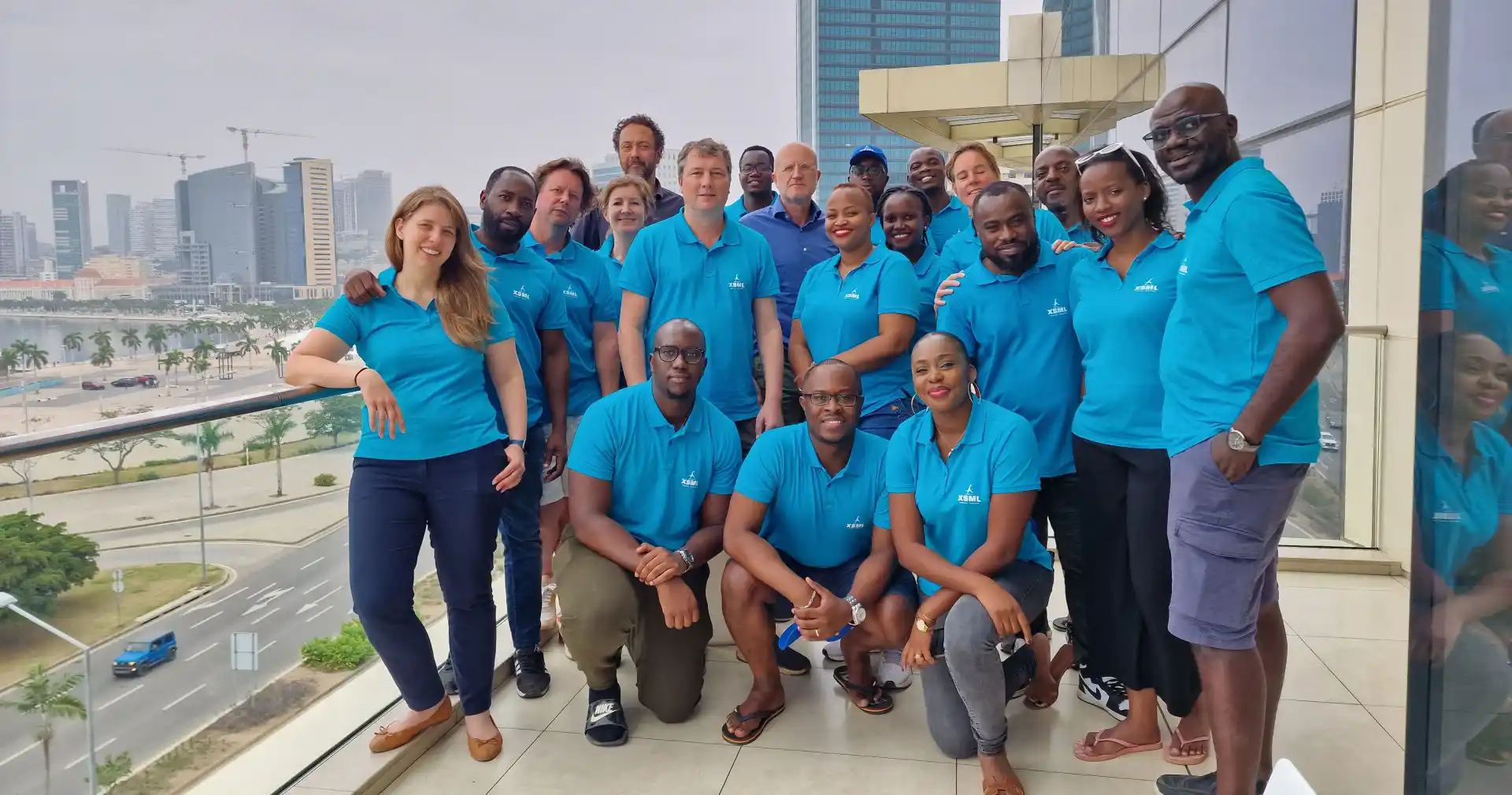
The Amsterdam-based investment firm, which maintains local offices in Angola, the Democratic Republic of the Congo (DRC), Kenya, Uganda, and Zambia, has positioned itself as a critical provider of long-term growth capital in markets where traditional banking institutions and other financial intermediaries typically do not operate.
Build the future you deserve. Get started with our top-tier Online courses: ACCA, HESI A2, ATI TEAS 7, HESI EXIT, NCLEX-RN, NCLEX-PN, and Financial Literacy. Let Serrari Ed guide your path to success. Enroll today.
Exceeding Expectations in Challenging Environment
The final close represents a significant milestone for XSML Capital, particularly given the difficult fundraising climate that has characterized African private capital markets in recent years. Since achieving its first close of $98.7 million in March 2024, the fund has attracted three additional development finance institutions along with two German family offices, demonstrating the breadth of institutional support for its strategy.
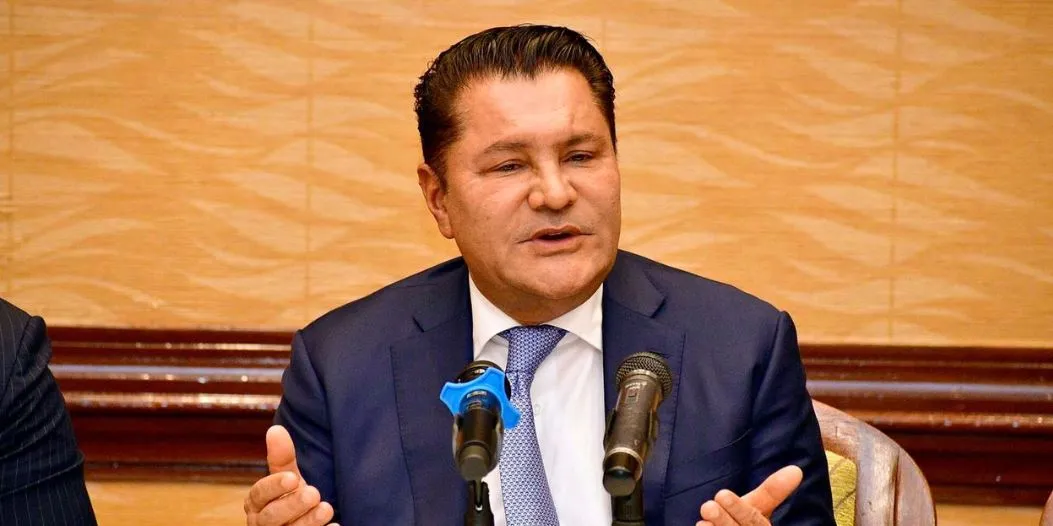
“Exceeding our target size and hard cap for Fund IV in a challenging fundraising environment demonstrates that investors support our approach to investing in SMEs,” said Barthout van Slingelandt, managing partner of XSML Capital. The accomplishment is particularly noteworthy given that many Africa-focused funds have struggled to meet their fundraising targets during the same period.
The investment thesis underpinning ARF IV centers on a fundamental market reality: African small and medium-sized enterprises face a persistent and massive financing gap estimated at $5.7 trillion across emerging markets and developing economies globally, with sub-Saharan Africa representing a significant portion of this unmet demand.
The Private Credit and Hands-On Support Model
XSML Capital’s investment strategy combines private credit with intensive operational support, a model that van Slingelandt argues is particularly well-suited to the needs of SMEs in frontier markets. “We have a strong conviction that private credit, in combination with hands-on business support, is often a great fit for local SMEs,” the managing partner explained. “It allows entrepreneurs to grow without giving up ownership, while giving their businesses the long-term, flexible funding needed to finance their expansion.”
This approach addresses a critical challenge facing African entrepreneurs: access to growth capital that does not require them to sacrifice equity control of their businesses. Traditional venture capital and private equity models often demand significant equity stakes, which can be unattractive to family-owned businesses or entrepreneurs who wish to maintain decision-making authority.
According to XSML’s investment framework, financing will be provided through a mix of private debt and minority equity stakes, with investment tickets per company ranging from $300,000 to $10 million. This structure allows business owners to fund growth without relinquishing control, while providing XSML with flexible terms that can be adjusted as companies expand.
The hands-on business support component distinguishes XSML from purely financial investors. Portfolio companies benefit from tailored technical assistance designed to improve company processes, enhance environmental, social, and governance (ESG) standards, and build more sustainable business models. This operational support is delivered through XSML’s local teams based in each country of operation, allowing for deep market knowledge and close relationships with entrepreneurs.
“Investors value both the practical support we provide to entrepreneurs beyond capital, and our ability to offer liquidity earlier in the investment cycle, which remains scarce in African markets,” van Slingelandt noted, highlighting the dual appeal of XSML’s approach to both entrepreneurs and financial backers.
Building a Diversified Portfolio Across Frontier Markets
XSML expects ARF IV to build a portfolio of more than 50 companies over the fund’s investment period. As of December 2025, ARF IV had already committed $85 million, representing 60% of total investment capital. This rapid deployment demonstrates the strength of XSML’s pipeline and the firm’s ability to identify viable investment opportunities in challenging markets.
The geographic distribution of investments to date reveals the fund’s strategic focus on frontier markets where capital scarcity is most acute. Investments are concentrated in the DRC (47%), Angola (22%), Uganda (17%), and Zambia (14%), reflecting both XSML’s established presence in these markets and the significant opportunities available in each country.
From a sectoral perspective, the fund has deployed capital across manufacturing, retail, beverages, food processing, and the pharmaceutical sector. This diversification strategy helps mitigate country-specific and sector-specific risks while supporting businesses that provide essential goods and services to underserved populations.
The DRC represents XSML’s largest country exposure, reflecting both the enormous economic potential and the severe capital constraints in a nation with a population comparable to Western Europe but limited financial infrastructure. Angola, Africa’s second-largest oil producer, offers opportunities in sectors beyond hydrocarbons as the country works to diversify its economy. Uganda and Zambia, both in Eastern and Southern Africa respectively, provide exposure to more stable, albeit still challenging, frontier markets with growing middle classes.
Addressing the Missing Middle in African Finance
African SMEs occupy a financing zone often described as the “missing middle” – too large to be served effectively by microfinance institutions but too small to attract attention from traditional commercial banks or larger private equity funds. This gap is not merely an inconvenience; it represents a fundamental constraint on economic development across the continent.
The statistics underscore the critical importance of SMEs to African economies. Small and medium-sized enterprises represent 90% of all private sector businesses in Africa, generate 80% of job opportunities in many sub-Saharan markets, and supply 80% of all consumer goods sold on the continent. They contribute between 20% and 40% of national GDP in various African countries, with these figures rising substantially when informal SMEs are included.
Despite their economic significance, SMEs face disproportionate challenges in accessing finance. The SME financing gap in sub-Saharan Africa alone is estimated at $331 billion, and this deficit continues to expand despite significant efforts from both public and private capital providers. According to World Bank enterprise surveys, approximately 40% of formal micro, small, and medium enterprises are credit-constrained, with 19% fully constrained and 21% partially constrained.
For women-owned MSMEs, the challenge is even more pronounced, with a dedicated financing gap of approximately $1.9 trillion globally, representing 34% of the total MSME finance gap. Informal enterprises generate an additional $2.1 trillion in unmet demand for finance, equivalent to around 8% of GDP in developing economies.
The Investor Consortium Behind ARF IV
The success of ARF IV’s fundraising reflects the confidence of a diverse group of development finance institutions and impact investors who have committed capital to the fund. The initial close included British International Investment (BII), the UK’s development finance institution; FMO, the Dutch entrepreneurial development bank; the International Finance Corporation (IFC), the private sector arm of the World Bank Group; Norfund, the Norwegian Investment Fund for developing countries; and Swedfund, the Swedish Development Finance Institution.
SIFEM, managed by ResponsAbility Investments, a leading impact asset manager, joined as a new investor, while existing investors from previous funds reinvested and increased their commitments, with some doubling their exposure. This retention and expansion of existing limited partners demonstrates satisfaction with XSML’s track record and confidence in the fund manager’s ability to deliver both financial returns and development impact.
The U.S. International Development Finance Corporation (DFC) also committed $13 million in equity to ARF IV, further diversifying the fund’s institutional backing and bringing American development finance expertise to the consortium.
The participation of multiple development finance institutions from different countries not only provides capital but also brings diverse perspectives, networks, and technical expertise that can benefit portfolio companies. These institutions typically have long investment horizons and dual mandates to generate both financial returns and measurable development impact, making them well-aligned partners for XSML’s strategy.
One decision can change your entire career. Take that step with our Online courses in ACCA, HESI A2, ATI TEAS 7, HESI EXIT, NCLEX-RN, NCLEX-PN, and Financial Literacy. Join Serrari Ed and start building your brighter future today.
Track Record and Impact Achievements
Founded in 2008, XSML Capital has built a substantial track record over more than 15 years of operations in African frontier markets. The firm has raised four funds totaling $273 million in capital and secured over $3.5 million in additional funding specifically to provide portfolio companies with business support to improve their operations, including ESG standards.
Since its inception, XSML has invested in more than 100 small and medium-sized businesses across Central, Eastern, and Southern Africa. These investments have supported companies across diverse sectors, creating jobs, improving access to essential goods and services, and contributing to economic development in some of the continent’s most challenging markets.
The firm’s impact extends beyond direct financial returns. By providing long-term financing and operational support to SMEs, XSML enables these companies to scale their operations, formalize their business practices, improve working conditions, and enhance their environmental and social performance. Many portfolio companies have grown from small local operations into substantial regional businesses under XSML’s partnership.
For example, Norfund highlights the case of Geek, an engineering company in Kinshasa that installs optical fiber cables for Liquid Telecom, Africa’s largest fiber and cloud operator. Geek was nearly forced to end its contract due to working capital constraints but received timely support from XSML that enabled the company to continue growing. Since starting in 2016, Geek has grown to 39 staff members and created almost 1,700 temporary jobs in some of the DRC’s most remote areas.
Market Context and Demographic Drivers
The case for investing in African SMEs is strengthened by powerful demographic trends reshaping the continent. Africa’s population is projected to reach 2.5 billion by 2050, with urbanization set to triple and 50% of Africans expected to live in cities by 2030. By 2034, Africa will host the world’s largest working-age population, estimated at nearly 1.2 billion people.
These demographic shifts present enormous opportunities but also significant challenges. Countries must generate sufficient economic growth and jobs to provide economic agency and security to rapidly expanding working-age populations. SMEs will play a crucial role in meeting these demands, supporting sustainable development and fostering economic resilience.
At least half of the world’s fastest-growing economies are African, creating a favorable macroeconomic environment for businesses that can successfully navigate the challenges of frontier markets. However, realizing this potential requires addressing the structural constraints that limit SME growth, particularly access to appropriate financing.
Country-Specific Opportunities and Challenges
Each of XSML’s focus markets presents distinct opportunities and challenges that shape the firm’s investment approach.
The Democratic Republic of the Congo, despite its challenging operating environment, offers enormous economic potential. With a population of over 100 million and vast natural resources, the country has substantial unmet demand for consumer goods, business services, and infrastructure. However, limited formal financial infrastructure means that growth capital from institutions like XSML is particularly scarce and valuable. Companies operating successfully in the DRC demonstrate resilience and entrepreneurial capability that position them well for long-term growth.
Angola, while better known for its oil sector, presents opportunities for diversification into non-extractive industries. The government’s efforts to reduce dependence on oil revenues have created openings for businesses in manufacturing, retail, food processing, and other sectors serving the domestic market. Access to foreign currency financing is particularly valuable given exchange rate volatility and limited local currency lending.
Uganda has a more developed financial sector than some frontier markets but still faces significant gaps in SME financing. The country’s relatively stable political environment and regional integration through the East African Community provide favorable conditions for businesses with regional ambitions. However, studies indicate that SMEs in Uganda face high costs of finance and difficulty accessing longer-term funding needed for growth investments.
Zambia, where XSML opened an office in the first half of 2024, represents a strategic expansion market. The country has recently completed its IMF program and is quietly rebuilding economic credibility as growth, inflation, and fiscal metrics improve. This creates opportunities for SME financing in a more stable macroeconomic environment compared to recent years.
Kenya, where XSML also maintains a presence, offers a relatively sophisticated financial sector and a large consumer market. However, even in Kenya’s more developed context, the missing middle financing gap persists, creating opportunities for specialized lenders like XSML.
Risk Management and Due Diligence
Investing in frontier market SMEs requires sophisticated risk management frameworks. XSML has developed an Environmental and Social Management System (ESMS) broadly aligned with FMO requirements and International Finance Corporation Performance Standards. Through this system, the firm integrates environmental and social considerations throughout the investment process, from initial screening through ongoing portfolio monitoring.
According to FMO’s project documentation, ARF IV is categorized as B+ based on the risk profile of pipeline investees and contextual risks in countries of operation. Portfolio companies are expected to focus on site-specific environmental and social risk management and are unlikely to be involved in projects that significantly impact land, biodiversity, indigenous communities, or cultural heritage.
XSML’s local presence in each operating country is critical to effective risk management. Having teams on the ground enables thorough due diligence, regular monitoring of portfolio companies, and rapid response to emerging challenges. This local knowledge also allows XSML to assess entrepreneurial quality and business viability in contexts where financial statements may be limited and traditional credit scoring mechanisms are unavailable.
The firm invests substantial time in scouting and getting to know businesses and their leaders, fostering long-term relationships with clients. This relationship-based approach allows XSML to develop deep understanding of each business’s operations, challenges, and growth potential, supporting better investment decisions and more effective post-investment support.
The Broader Context of African Private Capital
XSML’s success with ARF IV occurs within a broader ecosystem of investors seeking to address the SME financing gap in Africa. The firm represents one player among both legacy institutions and newer entrants focusing on this segment, each with different strategies and approaches.
Development finance institutions like IFC, FMO, BII, and others play a catalytic role by providing anchor capital to funds like ARF IV and by directly financing financial intermediaries that serve SMEs. These institutions’ willingness to accept higher risks and longer time horizons than purely commercial investors helps unlock additional private capital for the sector.
Newer private credit funds and impact investors are also entering the market, recognizing both the substantial financing need and the potential for attractive risk-adjusted returns. However, XSML’s geographic focus on frontier markets like DRC and Angola remains relatively unique, as most investors concentrate on more accessible markets with better infrastructure and regulatory environments.
The growth of local currency financing solutions represents another important development in the ecosystem. While XSML and many other investors provide hard currency financing, currency risk remains a significant challenge for SMEs whose revenues are primarily in local currency. Innovative solutions piloted across the continent, including local currency credit funds and hedging mechanisms, are beginning to address this constraint.
Looking Ahead: Deployment Strategy and Impact Goals
With the final close completed and 60% of capital already committed, XSML is well-positioned to complete its portfolio construction over the coming years. The firm’s pipeline includes potential investments across its focus sectors and geographies, with particular emphasis on businesses that provide essential goods and services to underserved populations.
The target of more than 50 portfolio companies implies an average investment size of approximately $2.8 million, consistent with XSML’s stated ticket range and positioning in the missing middle segment. This portfolio size allows for meaningful diversification while maintaining the ability to provide hands-on support to each investee.
XSML’s approach aligns well with the Sustainable Development Goals, particularly those related to decent work and economic growth (SDG 8), industry, innovation and infrastructure (SDG 9), and reduced inequalities (SDG 10). By financing SMEs that create jobs, improve access to products and services, and contribute to local economic development, the fund generates impact that extends well beyond direct financial returns to investors.
The firm has implemented gender lens investing throughout its investment process to promote gender equality at portfolio companies and increase investments in women-led SMEs. This focus addresses the particular challenges facing women entrepreneurs in accessing growth capital, a constraint that is especially acute in many African markets.
Conclusion: Demonstrating the Viability of Frontier Market SME Financing
The successful close of African Rivers Fund IV at $142 million sends an important signal about the viability of frontier market SME investing. Despite challenging fundraising conditions and the inherent difficulties of operating in countries like DRC and Angola, XSML has demonstrated that patient capital combined with operational expertise can generate both financial returns and meaningful development impact.
For African entrepreneurs in frontier markets, the fund’s close represents continued access to growth capital that might otherwise be completely unavailable. For limited partners, it provides exposure to a underserved segment of African private capital with significant growth potential. And for the broader ecosystem of development finance, it offers validation that the missing middle can be successfully addressed through specialized fund managers with deep local knowledge and a long-term commitment to their markets.
As Africa’s demographic transformation continues and SMEs become increasingly central to the continent’s economic future, the role of investors like XSML will only grow in importance. The challenge of closing the $331 billion financing gap in sub-Saharan Africa requires scaled solutions from multiple actors, but specialized frontier market investors will remain essential to reaching businesses in the most capital-constrained environments where their impact can be greatest.
With ARF IV now fully capitalized and actively deploying, XSML Capital is positioned to extend its track record of supporting talented entrepreneurs in some of Africa’s most challenging but potentially rewarding markets, demonstrating that sustainable, profitable SME financing in frontier markets is not merely aspirational but achievable.
Ready to take your career to the next level? Join our Online courses: ACCA, HESI A2, ATI TEAS 7 , HESI EXIT , NCLEX – RN and NCLEX – PN, Financial Literacy!🌟 Dive into a world of opportunities and empower yourself for success. Explore more at Serrari Ed and start your exciting journey today! ✨
Track GDP, Inflation and Central Bank rates for top African markets with Serrari’s comparator tool.
See today’s Treasury bonds and Money market funds movement across financial service providers in Kenya, using Serrari’s comparator tools.
photo source: Google
By: Montel Kamau
Serrari Financial Analyst
29th January, 2026
Article, Financial and News Disclaimer
The Value of a Financial Advisor
While this article offers valuable insights, it is essential to recognize that personal finance can be highly complex and unique to each individual. A financial advisor provides professional expertise and personalized guidance to help you make well-informed decisions tailored to your specific circumstances and goals.
Beyond offering knowledge, a financial advisor serves as a trusted partner to help you stay disciplined, avoid common pitfalls, and remain focused on your long-term objectives. Their perspective and experience can complement your own efforts, enhancing your financial well-being and ensuring a more confident approach to managing your finances.
Disclaimer: This article is for informational purposes only and does not constitute financial advice. Readers are encouraged to consult a licensed financial advisor to obtain guidance specific to their financial situation.
Article and News Disclaimer
The information provided on www.serrarigroup.com is for general informational purposes only. While we strive to keep the information up to date and accurate, we make no representations or warranties of any kind, express or implied, about the completeness, accuracy, reliability, suitability, or availability with respect to the website or the information, products, services, or related graphics contained on the website for any purpose. Any reliance you place on such information is therefore strictly at your own risk.
www.serrarigroup.com is not responsible for any errors or omissions, or for the results obtained from the use of this information. All information on the website is provided on an as-is basis, with no guarantee of completeness, accuracy, timeliness, or of the results obtained from the use of this information, and without warranty of any kind, express or implied, including but not limited to warranties of performance, merchantability, and fitness for a particular purpose.
In no event will www.serrarigroup.com be liable to you or anyone else for any decision made or action taken in reliance on the information provided on the website or for any consequential, special, or similar damages, even if advised of the possibility of such damages.
The articles, news, and information presented on www.serrarigroup.com reflect the opinions of the respective authors and contributors and do not necessarily represent the views of the website or its management. Any views or opinions expressed are solely those of the individual authors and do not represent the website's views or opinions as a whole.
The content on www.serrarigroup.com may include links to external websites, which are provided for convenience and informational purposes only. We have no control over the nature, content, and availability of those sites. The inclusion of any links does not necessarily imply a recommendation or endorsement of the views expressed within them.
Every effort is made to keep the website up and running smoothly. However, www.serrarigroup.com takes no responsibility for, and will not be liable for, the website being temporarily unavailable due to technical issues beyond our control.
Please note that laws, regulations, and information can change rapidly, and we advise you to conduct further research and seek professional advice when necessary.
By using www.serrarigroup.com, you agree to this disclaimer and its terms. If you do not agree with this disclaimer, please do not use the website.
www.serrarigroup.com, reserves the right to update, modify, or remove any part of this disclaimer without prior notice. It is your responsibility to review this disclaimer periodically for changes.
Serrari Group 2025