The World Bank has approved approximately Ksh5.55 billion in funding to help Kenyan small and medium-sized enterprises adopt climate-friendly and sustainable technologies, marking a significant intervention in the country’s transition toward a green economy. The commitment, announced as part of the Kenya Jobs and Economic Transformation project, represents a strategic effort to address the persistent financing gaps that have constrained green enterprise growth while positioning Kenya as a regional leader in climate finance.
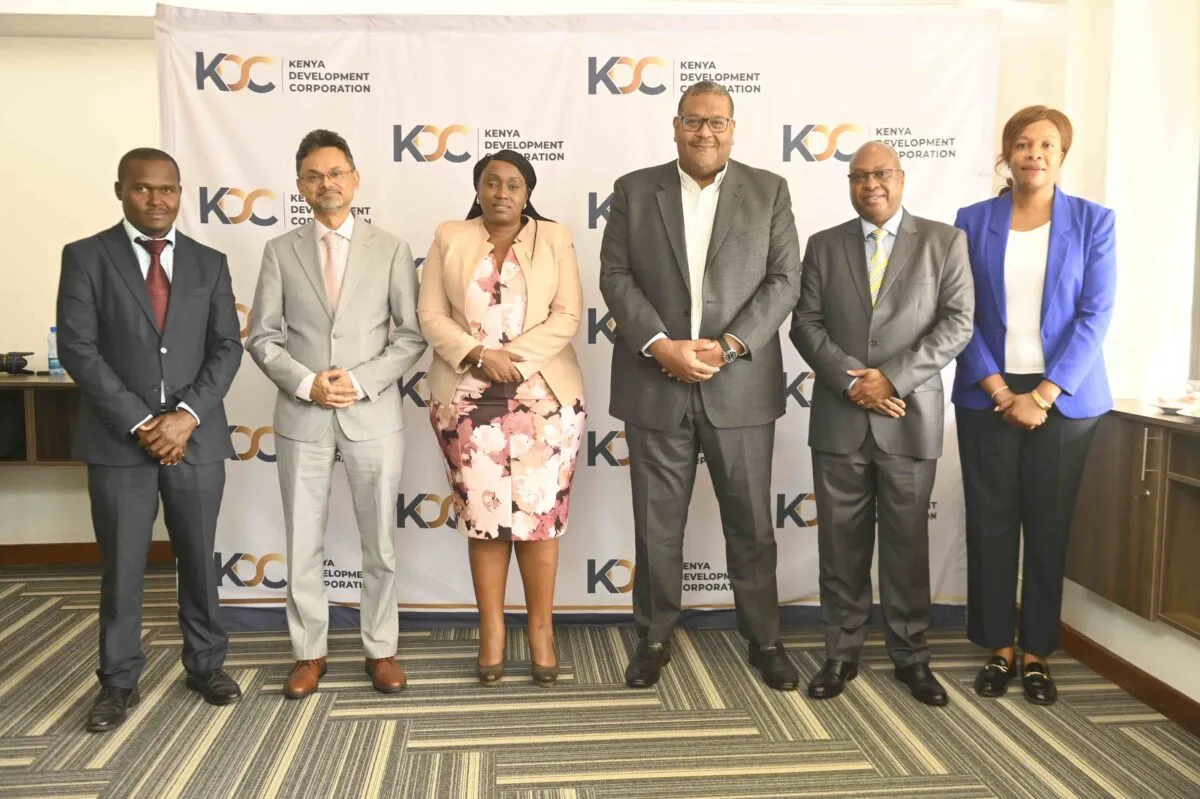
The funding will be channeled through the Kenya Development Corporation’s Green Investment Fund, targeting businesses in sectors that combine economic opportunity with environmental sustainability. The initiative arrives at a critical moment when Kenya’s SME sector faces mounting challenges from limited access to affordable capital, high interest rates, and increasingly severe climate impacts that threaten livelihoods and productivity across the economy.
Build the future you deserve. Get started with our top-tier Online courses: ACCA, HESI A2, ATI TEAS 7, HESI EXIT, NCLEX-RN, NCLEX-PN, and Financial Literacy. Let Serrari Ed guide your path to success. Enroll today.
Strategic Framework for Green Finance
The Green Investment Fund represents Component 3 of the broader Kenya Jobs and Economic Transformation project, a World Bank-backed initiative designed to increase private sector investment, market access, and sustainable finance for Kenyan enterprises. Approved in December 2023, the KJET project aims to benefit at least 45,000 Kenyans, including at least 6,800 women, through new or improved job opportunities.
According to World Bank Senior Financial Sector Specialist Ahmed Rostom, the KJET Task Team Leader, the project offers comprehensive interventions expected to support business and investment-enabling reforms resulting in streamlined licensing processes, improved investment-related laws and regulations, and enhanced government capacity for investor outreach and government-to-business service delivery.
“KJET will also focus on enhancing MSME cluster competitiveness through increased capabilities and productive capacity by extension sales, profits, and jobs at supported firms,” Rostom explained. “It will also scale up green financing to improve SMEs adoption of green technologies to strengthen resilience to climatic shocks.”
The fund’s establishment reflects recognition that Kenya’s SME sector, which comprises the vast majority of businesses nationally and contributes over a third of GDP, serves as a crucial engine of growth, employment, and innovation. However, persistent issues including limited access to affordable capital, high interest rates, and weak technical capacity have constrained expansion, particularly for climate-aligned enterprises.
Priority Investment Sectors
KDC officials have identified four priority sectors for the Green Investment Fund, each selected for its potential to deliver both economic returns and environmental benefits. Electric mobility and transport initiatives will promote cleaner vehicle technologies and climate-smart logistics, addressing Kenya’s growing urban congestion and air pollution challenges while reducing carbon emissions from the transportation sector.
Energy-efficient and green buildings represent another key investment area, supporting retrofitting of existing structures and low-carbon construction practices. This sector addresses both climate adaptation needs—through buildings better equipped to handle extreme heat—and mitigation goals through reduced energy consumption and lower carbon footprints.
Sustainable agriculture encompasses climate-smart farming practices that raise productivity while reducing emissions and environmental degradation. Given that agriculture employs approximately 75% of Kenya’s workforce and contributes about a third of GDP, transforming this sector toward sustainability carries profound implications for the country’s development trajectory and climate resilience.
Waste management and recycling solutions complete the priority sectors, supporting businesses that convert waste into value through circular economy models. This addresses Kenya’s growing waste management challenges, particularly in rapidly urbanizing areas, while creating economic opportunities from materials previously discarded.
De-Risking Green Investment
The fund’s design seeks to combine public resources, technical assistance, and private capital to de-risk investments and help SMEs adopt sustainable technologies that may otherwise prove too expensive or risky to pursue independently. This blended finance approach recognizes that purely commercial financing often proves inadequate for early-stage green technologies or businesses operating in perceived high-risk environments.
The initial [$40 million allocation](https://investmentpromotion.go.ke/sites/default/files/2025-02/GIF Fund Manager TORs.pdf) from the World Bank through KDC will serve as seed capital in a legal structure designed to de-risk other investors, with a targeted ultimate fund size of $160 million once private sector investors, international financial institutions, and domestic institutional investors—including local pension funds, collective investment schemes, and insurance companies—contribute additional funding.
The Green Investment Fund will provide risk-adjusted, long-term, patient capital, including equity and mezzanine financing, to green and “greening” micro, small, and medium enterprises. The investment strategy will prioritize support to women-owned or women-led businesses and encourage broader gender equality initiatives throughout its operations.
Implementation will depend on selection of an independent fund manager to oversee operations, ensure good governance, and safeguard financial and development outcomes. The fund manager will be responsible for developing and implementing the investment process, creating appropriate frameworks for successful operation, and executing the agreed investment strategy aligned with Kenya’s Nationally Determined Contributions and other climate goals.
Building on SAFER Project Success
The Green Investment Fund builds upon the foundation established by the Supporting Access to Finance and Enterprise Recovery project, a parallel World Bank initiative that has demonstrated significant impact across Kenya’s MSME sector. Launched in December 2021 with $100 million in financing from the International Development Association, SAFER addresses market failures in access to finance by MSMEs negatively impacted by the COVID-19 pandemic.
As of September 2025, the SAFER project had reached 36,990 beneficiaries across 32 counties, disbursing Sh2.625 billion in its first year of operation. About 38% of supported enterprises are women-owned, and the initiative has contributed to creating more than 25,000 jobs across various sectors.
According to KDC data, 12,221 women have benefited from the program, with 28.8% of loans extended to women-owned enterprises. Notably, approximately 9.7% of total SAFER financing has supported green economy and climate-smart projects, demonstrating early integration of sustainability considerations into SME financing even before the dedicated Green Investment Fund’s establishment.
Financial institutions participating in SAFER, including savings and credit cooperatives (SACCOs), have rolled out tailored financing solutions and digital lending windows to accelerate loan approvals and expand access for micro and small businesses. The project embeds Environmental, Social, and Governance principles into lending practices, requiring participating financial institutions to conduct environmental and social risk assessments before extending credit.
Leadership Perspectives
Norah Ratemo, Director General of KDC, emphasized that the Green Investment Fund represents more than environmental objectives. “Through KJET and SAFER, KDC is delivering tangible results by crowding in private capital, strengthening financial intermediaries, and expanding access to patient and affordable finance for SMEs,” she stated. “The Green Investment Fund is a critical step towards scaling climate-smart investments that create jobs, enhance resilience, and support sustainable enterprise growth.”
World Bank Country Director for Kenya Keith Hansen highlighted the strategic importance of MSME financing for Kenya’s development. “Kenya’s 7.4 million MSMEs hold the key to job creation and greater productivity, however they urgently need greater access to credit to scale operations, raise their productivity and deliver shared prosperity for Kenyans,” Hansen noted. “We are working with the Government of Kenya, the private sector and other development partners to address the unmet need for financing within the MSME space.”
The initiative reflects whole-of-government coordination, anchored within the State Department for MSME Development of the Ministry of Co-operatives and MSME Development and the State Department for Investment Promotion of the Ministry of Investments, Trade, and Industry. Implementation involves collaboration with the Micro and Small Enterprises Authority, Kenya Investment Authority, and Kenya Development Corporation, ensuring policy coherence and operational efficiency.
Kenya’s Expanding Green Finance Ecosystem
The World Bank’s commitment complements broader trends in Kenya’s financial sector toward sustainable finance. Commercial banks, development finance institutions, and capital markets participants are increasingly integrating environmental and social considerations into their operations, creating a more robust ecosystem for green enterprise financing.
KCB Group, Kenya’s largest bank by assets, has emerged as a regional leader in green finance, disbursing Ksh53.2 billion in green loans during 2024. This represents more than double the Ksh22.1 billion disbursed in 2023, demonstrating 140% growth and positioning green loans at 21.32% of the bank’s total portfolio, approaching its 2025 target of 25%.
The bank’s green financing supports projects across renewable energy, climate-smart agriculture, green buildings, clean transportation, e-mobility, the blue economy, and climate change adaptation. Nearly half of the Ksh53.2 billion disbursed—valued at Ksh24.1 billion—was verified using the Climate Assessment for Financial Institutions reporting tool, enhancing transparency and accountability in green finance claims.
KCB Bank Kenya secured approval for a Project Preparatory Facility from the United Nations Green Climate Fund worth $540,000, placing the bank on a path to tap project funding worth $118.25 million to support lending to MSMEs offering climate-smart solutions. This marks the first time an East African financial institution has secured such funding from the GCF, demonstrating growing international confidence in Kenya’s green finance capabilities.
The Central Bank of Kenya has provided regulatory framework support through the Kenya Green Finance Taxonomy released in April 2025, along with the Climate Risk Disclosure Framework. These instruments provide clear standards for classifying green activities and managing climate-related financial risks, creating guardrails that protect both investors and borrowers while channeling capital toward genuinely sustainable activities.
One decision can change your entire career. Take that step with our Online courses in ACCA, HESI A2, ATI TEAS 7, HESI EXIT, NCLEX-RN, NCLEX-PN, and Financial Literacy. Join Serrari Ed and start building your brighter future today.
Climate Finance Imperative
Kenya’s pursuit of green finance responds to urgent climate realities. The country ranks among the world’s most climate-vulnerable nations, facing increasingly frequent and severe droughts, floods, and shifting weather patterns that disrupt livelihoods and productivity. Climate change impacts cost Kenya’s economy an estimated 2% to 2.8% of GDP annually, creating powerful economic incentives for climate adaptation and mitigation investments.
Recent climate events have underscored this vulnerability. Extended droughts in arid and semi-arid regions have decimated livestock populations and crop yields, pushing millions toward food insecurity. Conversely, intense rainfall and flooding have destroyed infrastructure, displaced communities, and contaminated water sources. These climate shocks disproportionately affect small-scale farmers and micro-enterprises that lack resources for resilience-building or recovery.
The World Bank-supported sustainable landscape project, valued at $200 million, targets Kenya’s landscapes and watersheds, aiming to restore the natural resource base and create climate-resilient jobs. This initiative complements the Green Investment Fund by addressing environmental degradation while generating employment opportunities in conservation and sustainable land management.
The Green Climate Fund has approved funding proposals for Kenya aimed at transforming livelihoods through climate-resilient, low-carbon, sustainable agricultural value chains, particularly in regions like the Lake Region Economic Bloc. These international climate finance flows recognize Kenya’s vulnerability while acknowledging its commitment to climate action and sustainable development.
Regulatory Evolution and Green Bonds
Kenya has positioned itself as a pioneer in African green finance through both regulatory innovation and capital markets development. The Kenya Green Bond Programme, launched in 2017, promotes financial sector innovation by developing a domestic green bond market enabling financing of projects in renewable energy, energy efficiency, and sustainable agriculture.
This framework has attracted significant interest, with Kenya preparing to issue a sovereign green bond worth $500 million in March 2026. This issuance will catalyze private flows while demonstrating government commitment to sustainable finance, potentially opening regional pipelines through the African Continental Free Trade Area.
County governments are exploring green finance instruments to support local sustainable development, with county green bonds presenting opportunities for devolved units to generate resources for development in environmentally sustainable ways. This localization of green finance enables projects tailored to specific regional environmental challenges and economic opportunities.
The regulatory framework developed by the Central Bank has given commercial banks 18 months to implement mechanisms clearly disclosing the impact that projects they finance have on the environment. This requirement drives transparency and accountability while enabling investors to make informed decisions about climate-related risks in their portfolios.
Addressing the MSME Financing Gap
The Green Investment Fund targets a massive financing deficit constraining Kenya’s MSME sector. World Bank research indicates Kenya’s MSME sector faces a financing gap exceeding Ksh2.6 trillion, with financing from mainstream markets declining in recent years due to high perceived risks characterizing the sector.
This financing gap has been exacerbated by traditional banking approaches that often exclude small enterprises due to lack of collateral, limited financial records, and perceived credit risks. Interest rate dynamics have further complicated MSME financing, with commercial banks historically maintaining lending rates that small businesses find prohibitive while deposit rates remain low.
The COVID-19 pandemic intensified these challenges. Around two-thirds of firms reported decreased demand, cash flow constraints, and reduced access to finance, while 56% lamented unavailability of inputs. Labor adjustments including layoffs, extended leave, reduced wages, and reduced working hours had serious impacts on poor households, with more than one in five businesses firing workers.
Workers in informal sector enterprises faced heightened risks of falling into poverty and experienced greater recovery challenges in regaining livelihoods. Female-run enterprises proved particularly vulnerable; average profits of male-run household enterprises are roughly twice those of female-run enterprises. Early assessments showed women were more likely than men to have completely lost income, experienced increased housework and household tensions, forgone health services, and skipped meals.
Technical Assistance and Capacity Building
Beyond capital provision, the Green Investment Fund recognizes that SMEs require comprehensive support to successfully adopt green technologies and practices. Technical assistance, capacity building, and market linkages will complement financial resources, enabling businesses to identify appropriate technologies, implement them effectively, and access markets for green products and services.
The fund will support development of green business models, helping enterprises understand how environmental sustainability can drive competitive advantage and profitability rather than representing merely a cost or compliance burden. This business case development proves particularly important for convincing traditionally risk-averse SME owners to invest in new technologies and practices.
Market linkages will connect green SMEs with potential customers, supply chain partners, and distribution channels, addressing the challenge that many environmentally sustainable products and services face in finding markets. Corporate procurement programs increasingly prioritize suppliers with strong environmental credentials, creating opportunities for green SMEs to access lucrative contracts previously unavailable.
Training programs will build skills in areas including energy efficiency auditing, waste reduction strategies, sustainable supply chain management, and environmental compliance. Many SME owners and managers lack formal training in these areas, limiting their ability to identify and implement cost-effective sustainability improvements.
Gender Equality and Youth Empowerment
The Green Investment Fund’s explicit focus on women-owned and women-led businesses addresses persistent gender gaps in enterprise financing and economic empowerment. Women entrepreneurs face disproportionate challenges accessing capital, with requirements for collateral, guarantors, and formal financial records often excluding them from traditional financing sources.
The fund’s gender lens extends beyond simply counting women-owned businesses to examining whether investments promote gender equality more broadly through employment practices, supply chains, and product offerings. This comprehensive approach recognizes that environmental sustainability and social inclusion are mutually reinforcing objectives.
Youth employment represents another strategic priority, reflecting Kenya’s demographic profile with approximately 75% of the population under age 35. The SAFER project’s success in creating more than 25,000 jobs demonstrates youth employment potential when financing barriers are addressed. The Green Investment Fund amplifies this impact by focusing on emerging sectors like renewable energy and electric mobility that offer substantial youth employment opportunities.
KCB’s 2Jiajiri enterprise development program illustrates this potential, having disbursed Ksh2.58 billion as loans to 4,000 youth-owned MSMEs, with 38% women-led. The program supported 37,078 businesses, creating over 60,686 jobs and equipping 9,699 youths with critical business skills. These outcomes demonstrate that appropriately designed financing coupled with capacity building can drive youth economic inclusion at scale.
Coordination with National Development Priorities
The Green Investment Fund aligns with Kenya’s Vision 2030 development strategy and the government’s Bottom-Up Economic Transformation Agenda, which prioritize job creation, economic diversification, and environmental sustainability. This policy coherence ensures the fund reinforces rather than fragments national development efforts.
Kenya’s Nationally Determined Contributions under the Paris Agreement establish specific emissions reduction targets and climate adaptation priorities that guide the fund’s investment focus. By aligning investments with NDCs, the fund ensures that SME financing contributes measurably to Kenya’s international climate commitments while generating economic and social co-benefits.
The Green Economy Strategy and Implementation Plan provides additional strategic guidance, consolidating and scaling up green growth initiatives within national development goals. This framework emphasizes resource efficiency, sustainable natural resource management, and climate resilience as mutually reinforcing pathways to inclusive development.
Sector-specific strategies further refine investment priorities. Kenya’s Energy and Petroleum Regulatory Authority promotes renewable energy adoption and energy efficiency, creating enabling conditions for green investments in these sectors. Agricultural policies increasingly emphasize climate-smart practices, soil conservation, and water management, aligning with the fund’s sustainable agriculture focus.
Implementation Challenges and Mitigation Strategies
Despite promising design and strong policy alignment, the Green Investment Fund faces implementation challenges requiring careful navigation. Selection of an appropriate fund manager with relevant expertise in green finance, SME investing, and the Kenyan market context proves critical. The manager must balance financial sustainability with development impact, ensuring the fund delivers both competitive returns for investors and meaningful environmental and social outcomes.
Project pipeline development represents another challenge. Converting Kenya’s large population of SMEs into investment-ready green businesses requires substantial technical assistance and project preparation support. Many potential beneficiaries lack awareness of green technologies, understand their business cases poorly, or cannot prepare the documentation required for formal financing.
Monitoring and evaluation systems must track both financial performance and environmental impact. Unlike conventional financing where profit and loss provide clear success metrics, green finance requires measuring environmental outcomes including emissions reductions, resource efficiency improvements, and climate resilience enhancements. Developing cost-effective measurement systems that provide credible impact data without imposing excessive administrative burdens on investee companies requires careful design.
Currency risk management poses challenges for a fund potentially accessing international capital markets while investing in Kenyan-shilling-denominated SMEs. Exchange rate volatility can rapidly erode returns or impose unexpected costs, requiring hedging strategies or local currency financing solutions that may prove expensive or difficult to access.
Regional and Continental Context
Kenya’s Green Investment Fund initiative unfolds against broader trends in African green finance. The continent faces an estimated $783 billion climate-smart investment opportunity in Sub-Saharan Africa, yet mobilizing capital at necessary scale has proven challenging despite growing investor interest in sustainable and impact investments.
The African Continental Free Trade Area creates opportunities for successful Kenyan green businesses to access regional markets, potentially achieving scale economies that improve competitiveness and financial viability. Cross-border investment flows may increase as the fund demonstrates success, with investors from other African nations seeking exposure to Kenya’s green economy or replicating the fund model in their own countries.
Development finance institutions across Africa are piloting similar blended finance mechanisms for green SMEs, creating opportunities for knowledge exchange and harmonization of approaches. As these initiatives mature, they may coalesce into regional platforms that channel capital more efficiently than fragmented national programs.
Looking Ahead
The Green Investment Fund’s success will ultimately be measured not in capital deployed but in tangible outcomes: emissions reduced, resources conserved, livelihoods improved, and jobs created. Early indicators including fund mobilization, investee company identification, and initial disbursements will provide leading signals of the initiative’s trajectory.
Broader ecosystem development will amplify impact beyond direct fund investments. As more SMEs adopt green technologies and practices, supply chains develop, technical expertise deepens, and market awareness grows. These spillover effects can catalyze green economy transformation exceeding the fund’s direct financial footprint.
Policy learning from implementation experience should inform future program design. As Kenya and development partners understand which interventions prove most effective, which business models achieve greatest impact, and which support services deliver best value, they can refine approaches and allocate resources more strategically.
The Ksh5.55 billion World Bank commitment represents far more than financial resources. It signals international confidence in Kenya’s green economy potential, validates the country’s policy framework and implementation capacity, and demonstrates that blended finance can mobilize resources for climate action while generating economic and social co-benefits.
For Kenya’s SMEs, the fund offers opportunity to overcome capital constraints, adopt technologies that improve competitiveness and resilience, and participate in growing markets for sustainable products and services. For Kenya’s economy, successful implementation could accelerate the transition toward sustainable, inclusive growth that generates prosperity while preserving environmental resources for future generations.
As climate pressures intensify and development financing becomes increasingly conditional on environmental sustainability, initiatives like the Green Investment Fund may transition from innovative experiments to mainstream mechanisms for economic development. Kenya’s experience implementing this pioneering program will provide valuable lessons for other nations pursuing similar pathways, potentially influencing the architecture of green finance across Africa and beyond.
Ready to take your career to the next level? Join our Online courses: ACCA, HESI A2, ATI TEAS 7 , HESI EXIT , NCLEX – RN and NCLEX – PN, Financial Literacy!🌟 Dive into a world of opportunities and empower yourself for success. Explore more at Serrari Ed and start your exciting journey today! ✨
Track GDP, Inflation and Central Bank rates for top African markets with Serrari’s comparator tool.
See today’s Treasury bonds and Money market funds movement across financial service providers in Kenya, using Serrari’s comparator tools.
photo source: Google
By: Montel Kamau
Serrari Financial Analyst
16th January, 2026