Vietnam has launched a transformative $102.50 million climate and forestry initiative designed to reshape the future of coffee production in the Central Highlands while protecting vital forest ecosystems that millions of rural residents depend upon for their livelihoods. The RECAF project (Achieving Emission Reduction in the Central Highlands and South Central Coast of Vietnam to Support National REDD+ Action Programme Goals) represents a coordinated effort by the Socialist Republic of Vietnam, the International Fund for Agricultural Development (IFAD), and the Green Climate Fund (GCF) to address the dual challenges of rising greenhouse gas emissions and environmental degradation.
The project was officially launched on January 29, 2026, in Buon Ma Thuot, the capital of Dak Lak province, which is widely recognized as the coffee capital of Vietnam. The initiative comes at a critical juncture as the Central Highlands region faces mounting pressures from climate change, deforestation, and unsustainable agricultural practices that threaten both environmental stability and the economic foundations of coffee-growing communities.
Build the future you deserve. Get started with our top-tier Online courses: ACCA, HESI A2, ATI TEAS 7, HESI EXIT, NCLEX-RN, NCLEX-PN, and Financial Literacy. Let Serrari Ed guide your path to success. Enroll today.
A Strategic Response to Vietnam’s Environmental Challenges
Vietnam’s rapid economic growth has come with significant environmental costs. The country has witnessed some of the fastest greenhouse gas emissions growth rates in the world over the past two decades. From 2000 to 2018, per capita emissions more than quadrupled, rising from 0.79 tonnes of carbon dioxide per person to 3.81 tonnes, reflecting the country’s transformation from an agricultural economy to an increasingly industrialized nation.
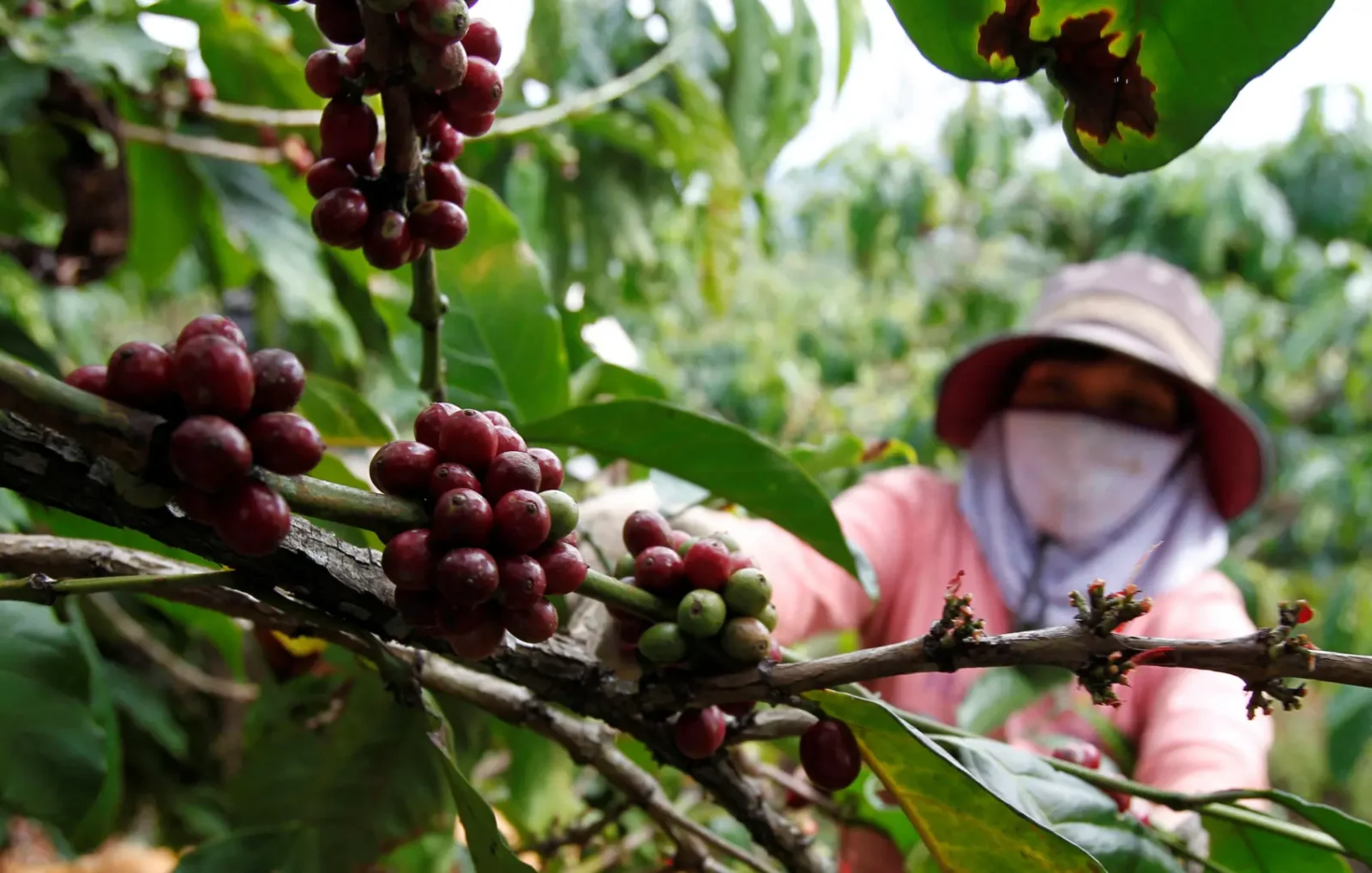
In the Central Highlands specifically, extensive forest loss has heightened climate risks for farming communities, reduced soil fertility, and undermined long-term agricultural productivity. Dak Lak province, which produces approximately one-third of all Vietnamese coffee and accounts for more than 30% of national coffee production with over 213,000 hectares of coffee plantations, is particularly vulnerable to these environmental pressures.
Vietnam ranks as the world’s largest Robusta coffee exporter and the second-largest coffee producer globally after Brazil. The coffee sector plays a vital role in the country’s economy, with products exported to more than 70 countries and territories worldwide. However, wasteful irrigation practices combined with more frequent droughts have increasingly threatened production. During the 2016 drought, hundreds of reservoirs ran dry and over 165,000 hectares of coffee plantation were affected, with 40,000 hectares completely lost.
Innovative Blended Financing Model
RECAF is being implemented by the Ministry of Agriculture and Environment in collaboration with the Provincial People’s Committees of the Central Highlands coffee-producing provinces of Dak Lak, Gia Lai, Lam Dong, and Khanh Hoa. The project employs an innovative blended financing mechanism that combines resources from multiple sources to maximize development impact while ensuring affordability.
The financing structure includes a $32.4 million IFAD loan, a $35 million grant from the Green Climate Fund, and $35 million in domestic co-financing from the Vietnamese government and beneficiary contributions. This multi-stakeholder approach spreads the financial burden while leveraging the comparative advantages of each partner organization.
“The blended financing mechanism adopted for this project showcases an effective approach to ensure that the funding for this crucial investment remains affordable and sustainable, maximizing development impacts in hard-to-reach regions,” said Nguyen Thi Dieu Trinh, from the Department of Debt Management and Foreign Economic Relations at the Ministry of Finance. “We appreciate the commitment and innovation shown by our development partners.”
The financing structure ensures long-term sustainability by reducing pressure on the state budget while mobilizing international climate finance to support Vietnam’s ambitious net-zero emissions target by 2050, announced by Prime Minister Pham Minh Chinh at the UN Climate Change Conference (COP26) in Glasgow in November 2021.
Ambitious Environmental and Social Targets
Over its six-year implementation period, RECAF is expected to deliver substantial environmental and socio-economic benefits. The project aims to reduce 6.68 million tonnes of greenhouse gas emissions, restore and improve 145,000 hectares of agroforestry land, and protect 500,000 hectares of high-value natural forest across the target provinces.
The initiative will reach approximately 420,000 people directly and indirectly improve the livelihoods of more than 1 million rural residents, contributing significantly to Vietnam’s national climate commitments under the Paris Agreement while simultaneously supporting rural incomes and food security.
“This project is critically important for Dak Lak and the Central Highlands,” said Nguyen Thien Van, Vice Chairman of the People’s Committee of Dak Lak Province. “By integrating forest protection with sustainable farming, RECAF will help farmers increase their incomes while safeguarding forests for future generations.”
The environmental targets directly support Vietnam’s national REDD+ (Reducing Emissions from Deforestation and Forest Degradation) Action Programme, which aims to reduce emissions from land use change while promoting conservation, sustainable management of forests, and enhancement of forest carbon stocks. REDD+ represents a critical component of global climate finance mechanisms coordinated by the United Nations Framework Convention on Climate Change (UNFCCC).
Climate-Smart Agroforestry at the Core
At the heart of RECAF’s approach is the promotion of climate-smart agroforestry practices that integrate trees and shrubs into agricultural landscapes. Agroforestry systems offer multiple benefits that align with climate adaptation and mitigation objectives, including carbon sequestration, windbreaks and shade protection, improved water quality, enhanced biodiversity, and diversified income streams for farmers.
Climate-smart agriculture is defined by three main pillars: sustainably increasing agricultural productivity and incomes, adapting and building resilience to climate change, and reducing or removing greenhouse gas emissions. RECAF embodies all three pillars through its integrated approach to sustainable land management.
The project will help farmers transition from intensive coffee monocultures to diversified agroforestry systems that incorporate shade trees, fruit trees, and other perennial crops alongside coffee. This approach offers several advantages: improved microclimate regulation that protects coffee plants from temperature extremes, enhanced soil health through increased organic matter and nutrient cycling, reduced water consumption through more efficient irrigation and natural moisture retention, and protection against wind erosion through strategic tree placement.
Research has shown that agroforestry can sequester significantly more carbon than traditional agricultural practices because it relies on long-lived trees rather than annual crops. Trees absorb carbon dioxide from the atmosphere and store it in their biomass and in the soil, helping to mitigate climate change while providing economic benefits to farmers.
In the Central Highlands context, the transition to agroforestry addresses critical water management challenges. Studies commissioned by IUCN have demonstrated that converting coffee monocultures to diverse, higher-value, and less water-intensive agroforestry across the region’s five provinces (Kon Tum, Gia Lai, Dak Lak, Dak Nong, and Lam Dong) can deliver substantial benefits in terms of total crop value, drought resilience, coffee supply maintenance, and improved dry-season water availability.
Strengthening Deforestation-Free Value Chains
Beyond on-farm practices, RECAF emphasizes the development of deforestation-free value chains for coffee and other commodities. This approach responds to growing business interest in reducing supply chain risks associated with climate variability and ensuring compliance with increasingly strict international regulations on environmental standards and pesticide residues.
The project promotes partnerships between farmers, the private sector, and local authorities to help small-scale farmers access markets, improve infrastructure, and adopt sustainable production practices. By creating market linkages that reward sustainable production, RECAF aims to make environmental stewardship economically attractive for farmers.
Coffee festivals and agricultural tourism experiences in Dak Lak province have already begun showcasing the region’s coffee heritage and sustainable production methods. In March 2025, the Ministry of Culture, Sports and Tourism officially recognized the coffee planting and processing knowledge of Dak Lak as part of the National Intangible Cultural Heritage, and the Ministry is now submitting a proposal to UNESCO for inscription on the List of Good Practices for the Protection of Intangible Cultural Heritage of Humanity.
These initiatives demonstrate how RECAF builds on existing cultural foundations and local expertise while introducing modern sustainable practices. Famous coffee brands from Dak Lak such as Trung Nguyen, Thang Loi, and An Thai have already won international recognition for their unique Vietnamese flavor, contributing to Vietnam’s annual coffee exports of over 1 million tonnes.
One decision can change your entire career. Take that step with our Online courses in ACCA, HESI A2, ATI TEAS 7, HESI EXIT, NCLEX-RN, NCLEX-PN, and Financial Literacy. Join Serrari Ed and start building your brighter future today.
Inclusive Approach to Rural Development
RECAF places special emphasis on ensuring that women, youth, and ethnic minorities—groups most affected by climate change—are actively engaged and benefit from project activities. This inclusive approach recognizes that sustainable development requires the participation of all community members and must address existing inequalities.
In the Central Highlands, ethnic minority groups including the Ede, M’Nong, and other indigenous communities have cultivated coffee and maintained traditional forest management practices for generations. The project seeks to preserve and build upon this indigenous knowledge while providing access to modern technologies and market opportunities.
The focus on inclusion reflects IFAD’s broader approach to rural development in Vietnam, where poverty persists primarily in remote mountainous areas and is concentrated in communes where indigenous people live. Through targeted interventions that improve access to markets, finance, technology, and climate-resilient infrastructure, RECAF aims to reduce inequalities while promoting sustainable livelihoods.
Women play critical roles in coffee cultivation and household management throughout the Central Highlands. The project will provide specific support to enhance women’s participation in decision-making, access to productive resources, and benefits from sustainable value chains. Similarly, engaging youth in sustainable agriculture and forestry careers will be essential for ensuring long-term adoption of climate-smart practices.
International Partnership and Institutional Support
RECAF exemplifies the type of country-owned, partnership-driven climate finance that the Green Climate Fund was designed to support. The GCF, established within the framework of the UNFCCC and based in Songdo, South Korea, is the world’s largest fund dedicated to helping developing countries reduce carbon emissions and strengthen resilience to climate change.
“The RECAF project demonstrates how climate finance can deliver real and lasting impact for people and nature through sustainable land use and enhanced forest protection,” said Frederic Wiltmann, Sub-Regional Head for Southeast Asia at the Green Climate Fund. “This investment reflects GCF’s commitment to country-ownership and impactful partnerships that will result in significant environmental and socio-economic benefits for communities.”
The partnership with IFAD brings three decades of experience supporting rural development in Vietnam. Since the early 1990s, IFAD has financed projects in Vietnam with total investments exceeding $537 million, reaching over 500,000 rural households. IFAD’s programs focus on empowering smallholder farmers, ethnic minorities, women, and youth by improving their access to markets, finance, technology, and climate-resilient infrastructure.
“RECAF reflects Vietnam’s leadership in linking climate action with rural development,” said Frew Behabtu, IFAD Country Director a.i. for Vietnam. “IFAD is proud to support this project, which places farmers and forest communities at the centre of solutions that build resilience, protect natural resources, and create sustainable economic opportunities.”
The project builds on IFAD’s proven track record of promoting innovation in pro-poor value chains, green finance, and community-based natural resource management. Recent initiatives in Vietnam include the Innovative Financial Incentives for Adaptation (IFIA) project in Vinh Long province, which pilots innovative climate finance mechanisms to support small-scale producers in wetland and mangrove areas of the Mekong Delta.
Supporting Vietnam’s National Climate Commitments
RECAF directly advances Vietnam’s ambitious climate goals while addressing the country’s development priorities. At COP26, Prime Minister Pham Minh Chinh declared that Vietnam would reach net-zero greenhouse gas emissions by 2050 and emphasized that “climate change response and the restoration of nature must become the highest priority in all development decisions.”
This commitment represents a significant challenge for a country whose economy remains heavily dependent on fossil fuels and whose greenhouse gas emissions continue to grow. Vietnam’s absolute emissions reached 364 million tonnes of CO2 equivalent in 2018, representing 0.8% of global emissions. While this is relatively small in global terms, the rapid growth trajectory underscores the urgency of transitioning to lower-emission development pathways.
The agricultural sector, which accounts for approximately one-third of Vietnam’s greenhouse gas emissions primarily through livestock and rice production, represents a critical area for climate action. RECAF’s focus on sustainable land management, forest conservation, and climate-smart agriculture directly addresses these emission sources while maintaining the productivity and economic viability of rural livelihoods.
Vietnam has also begun implementing additional climate policy measures, including the introduction of an emissions trading scheme (ETS) that started in mid-2025. The ETS initially targets large facilities in the power, cement, and steel sectors—together responsible for nearly 40% of national emissions—with plans for gradual expansion through 2030. This represents an important step in building domestic carbon markets and establishing institutional frameworks for emissions reduction.
Building on Mini-Landscape Approaches
RECAF draws inspiration from successful mini-landscape interventions previously implemented in the Central Highlands. Starting in 2013, IDH – The Sustainable Trade Initiative supported integrated solutions for sustainable agricultural production in the region, recognizing that coffee and pepper production required comprehensive approaches to irrigation, input management, and buffer zones.
The mini-landscape concept began with 70 hectares in Ea Tan commune of Dak Lak Province, where a cluster of 56 households worked together to rehabilitate community lakes, test new irrigation techniques, and establish agroforestry systems. The program was then scaled up from commune to commune, district to district, and province to province, demonstrating the viability of integrated landscape management approaches.
By 2019, three Compacts were established in Krong Nang district, focusing on coordinating different water and agroforestry adaptation measures at the landscape level. These initiatives included piloting water harvesting in sloping areas through community-managed pond and reservoir systems, promoting efficient drip and sprinkler irrigation systems, and installing water flow meters to increase farmer awareness about water consumption.
RECAF builds on these lessons by scaling up integrated landscape approaches across multiple provinces while adding stronger climate finance mechanisms, market linkages, and institutional capacity building. The project’s emphasis on public-private partnerships and coordination between different stakeholders reflects the successful elements of the mini-landscape model.
Addressing Water Security and Drought Resilience
Water management represents a critical component of RECAF’s approach to sustainable coffee production. The Central Highlands, which form the headwaters of the Srepok and Sesan rivers, play a crucial role in regional water resources. However, intensive coffee cultivation has placed enormous pressure on water availability, with wasteful irrigation practices contributing to groundwater depletion and increased vulnerability to drought.
The Green Climate Fund previously approved $30.2 million in funding for a UNDP-supported project to strengthen the resilience of smallholder agriculture to climate change-induced water insecurity in the Central Highlands and South-Central Coast regions. This complementary initiative focuses on sustainable water management and helps accelerate Vietnam’s National Climate Change Strategy and Action Plan.
RECAF will build on this foundation by promoting water-efficient agroforestry practices that reduce irrigation requirements while maintaining or increasing productivity. Trees in agroforestry systems help regulate soil moisture through shade provision, reduced evaporation, and improved water infiltration. These natural mechanisms make farming systems more resilient to rainfall variability and drought conditions.
Research has demonstrated that transitioning from coffee monocultures to diversified agroforestry can substantially reduce water consumption while providing economic benefits. The improved microclimate created by tree canopies reduces crop water stress, while deeper tree roots access water unavailable to annual crops and help maintain dry-season baseflows in streams and rivers.
Scalable Model for Regional Replication
Beyond its immediate impacts in Vietnam, RECAF is being positioned as a scalable model for other coffee-growing and forest-dependent regions facing similar climate and land-use challenges. The project’s integrated approach to climate-smart agriculture, forest conservation, and sustainable value chain development offers lessons that can be adapted to different contexts across Southeast Asia and beyond.
The Central Highlands partnership is working to become a Verified Sourcing Area through the SourceUp platform, which makes sustainability metrics transparent through international assessment. This verification process aims to gain international recognition for sustainable production systems and could help other regions develop similar frameworks for demonstrating environmental and social performance.
IFAD and GCF emphasize that the project demonstrates how climate finance can deliver tangible benefits when aligned with national priorities and local leadership. The combination of government ownership, blended financing, inclusive stakeholder engagement, and science-based approaches to sustainable land management provides a template that can inform climate action in agricultural landscapes worldwide.
Looking Ahead: Implementation and Monitoring
As RECAF moves into implementation, the project will establish robust monitoring, reporting, and verification systems to track progress toward environmental and social targets. These systems will build on Vietnam’s growing institutional capacity for greenhouse gas inventories and emissions tracking, which have expanded significantly in recent years under national climate policy frameworks.
The project’s success will depend on effective coordination among multiple government agencies, provincial authorities, private sector partners, civil society organizations, and farming communities. Building the technical capacity of local institutions to support farmers in adopting climate-smart practices, managing community forest resources, and accessing sustainable markets will be essential for achieving long-term impact.
RECAF also represents an important test of Vietnam’s ability to effectively utilize international climate finance to achieve its nationally determined contributions under the Paris Agreement. The lessons learned from implementation will inform future climate investments in the agricultural sector and contribute to the country’s broader transition toward a low-emission, climate-resilient development pathway.
Provincial leaders recognize that the project offers a critical opportunity to balance environmental protection with economic development in Vietnam’s key coffee-producing regions. By demonstrating that sustainable agricultural practices can be both environmentally beneficial and economically viable, RECAF aims to shift incentives and create momentum for broader adoption of climate-smart approaches throughout the Central Highlands and beyond.
The integration of forest conservation with sustainable farming practices, supported by innovative financing mechanisms and strong partnerships, exemplifies the type of transformative climate action needed to address the interconnected challenges of food security, rural livelihoods, and environmental sustainability in the face of accelerating climate change. As implementation progresses over the coming six years, RECAF will provide valuable insights into how countries can leverage international climate finance to achieve multiple development objectives while contributing to global efforts to limit warming and build resilience to climate impacts.
Ready to take your career to the next level? Join our Online courses: ACCA, HESI A2, ATI TEAS 7 , HESI EXIT , NCLEX – RN and NCLEX – PN, Financial Literacy!🌟 Dive into a world of opportunities and empower yourself for success. Explore more at Serrari Ed and start your exciting journey today! ✨
Track GDP, Inflation and Central Bank rates for top African markets with Serrari’s comparator tool.
See today’s Treasury bonds and Money market funds movement across financial service providers in Kenya, using Serrari’s comparator tools.
Photo source: Google
By: Montel Kamau
Serrari Financial Analyst
5th February, 2026