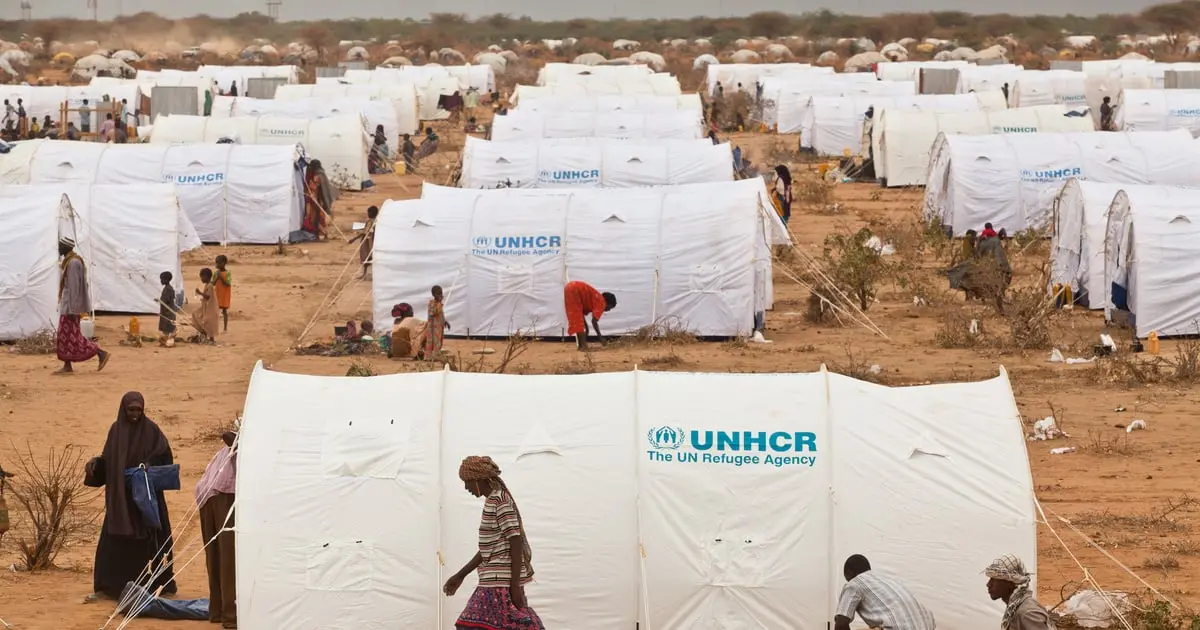
The United Nations has issued an urgent appeal for increased international support to Kenya as the East African nation struggles to sustain one of the world’s largest refugee populations amid what officials describe as the most severe global humanitarian funding crisis in decades, threatening the wellbeing of more than 800,000 displaced people who have sought sanctuary within its borders.
Speaking after his inaugural field visit to Kenya’s Kakuma refugee camp on Sunday, January 11, 2026, newly appointed United Nations High Commissioner for Refugees (UNHCR) Barham Salih praised Kenya’s progressive refugee policies while warning that plummeting donor contributions are placing unsustainable burdens on host countries that continue shouldering humanitarian responsibilities even as their own economies face challenges.
“I saw how refugees have access to healthcare, education, and play an active part in society, benefiting the whole community. This is how we move from aid dependency to self-reliance. Kenya is doing its part. It needs greater international support,” Salih posted on social media platform X following his meetings with local administrative and security leaders.
Build the future you deserve. Get started with our top-tier Online courses: ACCA, HESI A2, ATI TEAS 7, HESI EXIT, NCLEX-RN, NCLEX-PN, and Financial Literacy. Let Serrari Ed guide your path to success. Enroll today.
From Refugee to UN Refugee Chief: Salih’s Personal Journey
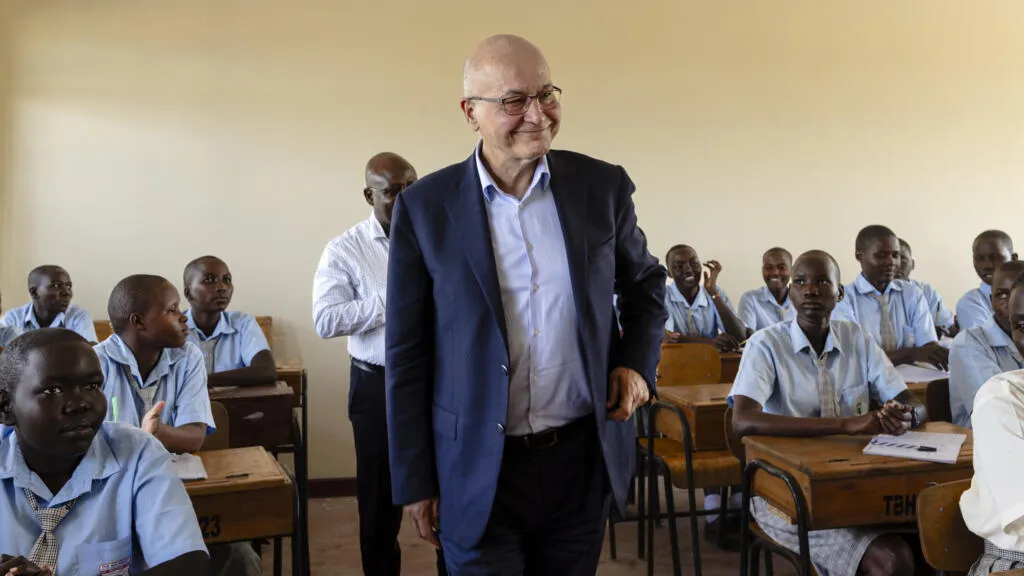
The 65-year-old Salih brings a profoundly personal perspective to his new role, having experienced torture and exile firsthand four decades ago. Born in 1960 in Sulaymaniyah, a stronghold of the Patriotic Union of Kurdistan (PUK) which sought self-determination for Iraq’s Kurds, Salih went into exile in Iran in 1974, spending a year at a school for refugees.
As a teenager in 1979, back in Iraq and already a member of the PUK, he was arrested twice by former ruler Saddam Hussein’s regime. “I was released after 43 days after having suffered torture, electric shocks, and beating,” he recounted during his visit to Kakuma. Upon release, he remained among Iraq’s top three high school students before fleeing with his family to Britain, where he earned a degree in computer engineering and a doctorate.
Salih went on to build a successful career in Iraqi Kurdistan and Iraq’s federal government after Hussein’s overthrow in 2003, holding the largely ceremonial role of president from 2018 to 2022. He became the first former head of state to run UNHCR when he assumed the position at the start of 2026.
“I know the pain of losing a home, losing your friends,” Salih told AFP during his first trip in the new role. His predecessor Filippo Grandi noted that Salih has “real experience of exile… He brings a personal perspective of displacement, which is very important.”
Kenya’s Refugee Population and Camp Infrastructure
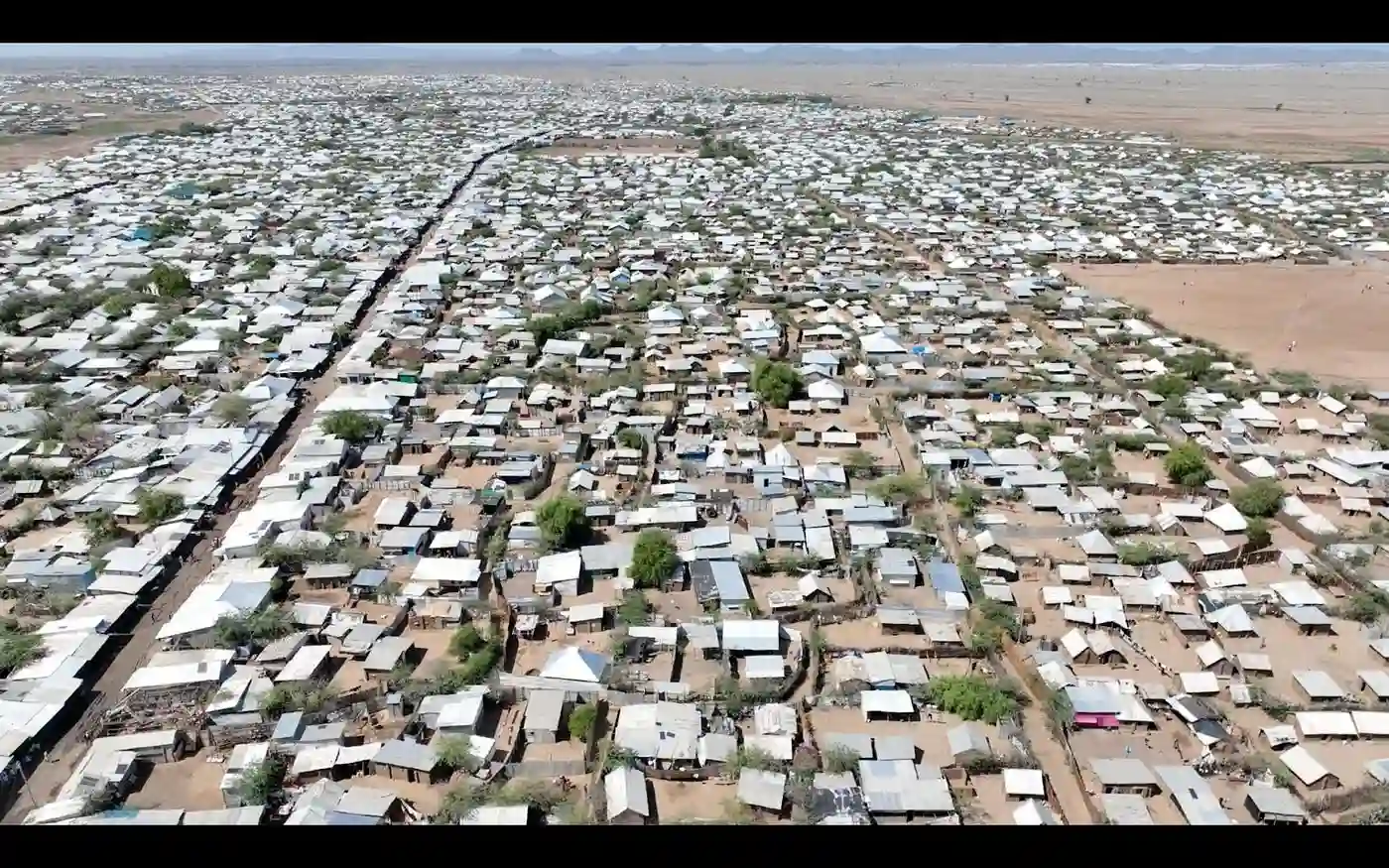
As of January 2026, Kenya is hosting more than 800,000 refugees and asylum seekers across various camps and urban settlements. The Kakuma refugee camp, which Salih visited on Sunday, is East Africa’s second largest, hosting roughly 300,000 people primarily from South Sudan, Somalia, Uganda, and Burundi. The camp has been in place since 1992.
The Dadaab refugee complex in Garissa County, near Kenya’s eastern border with Somalia, hosts close to 406,000 refugees. The complex was established in 1991 when refugees fleeing Somalia’s civil war began crossing into Kenya, with a second large influx occurring in 2011 when some 130,000 arrived fleeing drought and famine. Somali refugees represent more than 96 percent of the Dadaab population.
The camps have evolved into commercial hubs resembling naturally-grown towns, with three main camps at Dadaab—Dagahaley, Ifo, and Hagadera—plus the Ifo 2 integrated settlement. Many refugees have spent decades in these camps, with some third-generation refugees born there to parents who were also born in the camps.
The Unprecedented Global Humanitarian Funding Crisis
Salih’s appeal comes at what officials characterize as the most difficult moment for the global humanitarian system in modern history. Major donors including the United States, United Kingdom, and Germany have drastically slashed their funding contributions, triggering cascading effects across refugee-hosting nations and forcing UNHCR to implement what officials describe as the most dramatic downsizing in the organization’s recent history.
In June 2025, UNHCR announced it was cutting global staffing costs by nearly 30 percent, following a comprehensive review prompted by major funding shortfalls. The restructuring has entailed cutting just under half of all senior positions at the agency’s Geneva headquarters and regional bureaux. Around 3,500 permanent staff posts have been discontinued, hundreds of temporary staff positions have been terminated, and some offices have been downsized or closed worldwide.
The United States, which historically contributed about 40 percent of UNHCR’s budget—approximately $2 billion annually—has slashed its foreign aid under a radical spending review ordered by President Donald Trump upon his return to the White House. Other European donors have similarly reduced contributions amid domestic austerity measures.
UNHCR estimates that it will end 2025 with available funding at about the same level as a decade ago, despite the number of people forced to flee their homes having nearly doubled to more than 122 million over the same period. Refugee numbers have doubled to 117 million in the past decade, the agency reported in June.
Human Consequences of Budget Cuts
The reductions have had severe human consequences across the refugee protection system. According to UNHCR, the health and wellbeing of 12.8 million displaced people worldwide have been affected, including 6.3 million children who depend on the agency for primary healthcare and related services.
Programs ranging from financial aid to vulnerable families, health, education, and water and sanitation have already been severely impacted by the cuts. Critical refugee registration and biometrics—essential for identity verification, fraud prevention, and fair aid distribution—have been compromised, according to UNHCR’s global spokesperson for Europe.
In Kenya alone, the funding shortfall has affected more than 800,000 refugees. Food rations in Kakuma refugee camp have been drastically reduced from 65 percent in 2023 to 40 percent in 2025, with officials warning that rations could drop further to 20 percent beyond June 2025 if funding shortages persist, exacerbating malnutrition, insecurity, and health risks, particularly for women and children.
At the end of June 2025, less than 17 percent of the $46 billion needed to meet global humanitarian needs had been received, according to the United Nations Office for the Coordination of Humanitarian Affairs (OCHA)—representing an alarming 40 percent drop compared to the same period in 2024.
Kenya’s Shirika Plan: A Transformative Integration Initiative
Salih specifically praised Kenya’s innovative approach to refugee management, particularly the Shirika Plan launched in 2025, which aims to transition refugee camps from dependency-based systems into integrated, self-reliant settlements. “Shirika” is a Swahili word meaning “coming together” or “partnering.”
“This is something that we need to support and engage with. The international community, development agencies, the World Bank and others really need to engage in making sure that this notion of shared development is one way to include refugees in national life,” Salih emphasized during his visit.
The Shirika Plan represents a fundamental policy shift for Kenya, moving away from the restrictive encampment policies that have dominated refugee management since 1991. The plan aims to fold the refugee camps of Dadaab and Kakuma into municipalities administered by the respective counties of Garissa and Turkana, who will eventually take over service delivery from UN agencies and NGOs.
As of February 2025, Kenya hosts 836,907 refugees and asylum seekers, with significant populations in Dadaab (423,674), Kakuma (302,372), and urban areas (110,861). The implementation will span eleven years (2025–2036) following three phases: Transition, Stabilization, and Resilience, with an estimated budget of $943 million.
The plan focuses on several key pillars including policy and institutional reforms, with full implementation of the Refugee Act 2021 granting refugees access to business opportunities, work permits, education, and property ownership. A Refugee Management Information System will be established to facilitate real-time data tracking, while enhanced security measures will maintain stability in refugee-hosting areas.
Under the integration framework, all refugee schools are being registered under the Kenya Education Management Information System (KEMIS), with increased deployment of teachers, nurses, and clinical officers to serve both refugee and host communities. The plan ensures refugees can access education, health services, government identity cards, business permits, and banking services.
President Ruto’s Vision: Refugees as Contributors, Not Burdens
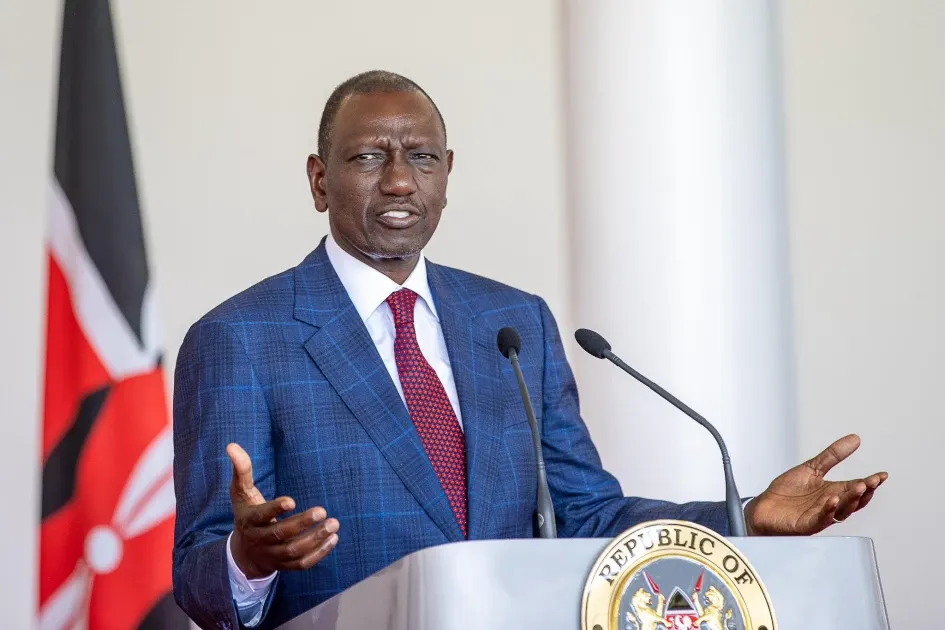
President William Ruto has consistently defended Kenya’s refugee policy as grounded in humanity and shared responsibility. He has stressed that Kenya has offered refugees comfort, a home away from home, and a stable environment, even while facing its own economic and social challenges.
“Kenya is renowned as a welcoming, secure nation that has played host to tens of thousands of refugees and immigrants over the decades. For the past 40 years, the Government of Kenya has worked closely with the United Nations High Commissioner for Refugees in supporting refugees from neighbouring countries fleeing war, conflict and instability. Kenya has given them comfort, a home away from home, and a stable environment,” Ruto stated on social media.
According to Ruto, refugees should not be viewed as burdens but as people with the potential to contribute to society if given adequate support. This vision is reflected in the Shirika Plan’s emphasis on moving refugees away from dependency-based camp systems toward socio-economic inclusion for both refugees and host communities.
“Last year, Kenya launched the Shirika Plan that aims at integrating refugees in local communities. The plan promotes self-reliant settlements and socio-economic inclusion for both refugees and host communities, moving refugees from dependency to self-reliance,” Ruto explained.
One decision can change your entire career. Take that step with our Online courses in ACCA, HESI A2, ATI TEAS 7, HESI EXIT, NCLEX-RN, NCLEX-PN, and Financial Literacy. Join Serrari Ed and start building your brighter future today.
Legislative Framework and Policy Achievements
Kenya’s progressive approach builds on significant legislative advancements, including the enactment of the Refugee Act No. 10 of 2021 and the Refugee (General) Regulations of 2024. These provide the legal foundation for refugee rights and integration.
The government has achieved several key milestones in enhancing refugee rights and inclusion. Refugees now receive legally recognized refugee identification documents through Legal Notice No. 148. The integration of refugees into the National Education Management Information System (NEMIS) ensures educational access, while an Accreditation of Prior Learning policy enables refugees to have their skills and qualifications recognized through assessments by the Kenya National Qualifications Authority (KNQA).
Over 70,000 refugees have enrolled in Kenya’s universal health coverage since the law took effect. Refugee businesses in Kakuma and Dadaab generate significant economic activity even under current restrictions, suggesting substantial potential from full integration.
In April 2025, Nairobi City County Government launched a pioneering refugee integration strategy under the auspices of the Refugee Act 2021, outlining socio-protection measures including equitable access for refugees to health services, educational services, financial services, and assistance with documentation and registration.
Local Opposition and Implementation Challenges
Despite official enthusiasm, the Shirika Plan has encountered skepticism from host communities and some politicians in Turkana and Garissa counties. Local residents worry that rather than being a game changer, integration will drain already limited resources and exacerbate tensions in two of Kenya’s poorest counties.
Before integrating refugees, critics argue, the government should prioritize solving deep-rooted problems around insecurity, unemployment, lack of healthcare, access to water, and dismal education performance levels. Members of Parliament representing Dadaab and Turkana West constituencies have accused the government and UNHCR of hurriedly rolling out the plan, instead pushing for repatriation of refugees to their home countries.
Administrative capacity in Turkana and Garissa counties is limited, raising questions about their ability to manage expanded responsibilities. Both regions rank among Kenya’s poorest, with weak infrastructure and service delivery systems.
The plan has also faced criticism for insufficient consultation with refugee communities during policy development. Some refugee-led organizations argue their expertise has been overlooked in favor of top-down planning approaches. Refugees International has called for integrating refugee-led organizations into the Shirika Plan’s oversight mechanisms, noting these groups played critical roles during the COVID-19 pandemic and often deliver services at lower cost with greater community trust.
International Support and Funding Requirements
Kenya’s Interior Cabinet Secretary Kipchumba Murkomen has emphasized that Kenya cannot bear the refugee burden alone, calling for predictable and sustainable financial commitments from the international community. He expressed concern over the slow response to pledges made at the 2023 Global Refugee Forum, warning that inadequate funding could fuel competition for resources between refugees and host communities.
“The Government of Kenya has made a deliberate decision to integrate refugees socio-economically through the Shirika Plan. However, this transition and stabilization phase requires substantial investments from all partners, including donors, international financial institutions, and the private sector,” Murkomen stated during a March 2025 meeting with the Refugee Donor Group.
The World Bank, UNHCR, International Finance Corporation and Kenya Commercial Bank have pledged to fund the plan’s implementation. However, both the UN and Kenyan government have warned that the Shirika Plan’s success depends critically on sustained international backing. Without adequate funding and long-term development support, the promise of refugee integration and shared prosperity risks being undermined.
US Embassy Chargé d’Affaires Marc Dillard, who chairs the Refugee Donor Group, has described the Shirika Plan as a milestone for advancing socio-economic conditions and human rights for refugees in Kenya.
Private Sector Engagement and Employment Opportunities
The International Labour Organization has facilitated employer engagement through the PROSPECTS project, funded by the Government of the Netherlands, which aims to enhance access to education, social protection, and decent work for both host communities and forcibly displaced persons.
A roundtable dialogue on Refugee Workplace Inclusivity held in Nairobi in July 2025, hosted by the Federation of Kenya Employers, the Refugee Consortium of Kenya, and the Centre for Mediation in Africa, brought together employers, civil society, and development partners to discuss the private sector’s role in supporting refugee inclusion in the labor market.
“Refugees can and do contribute to local economies. With the right support, their inclusion is not only a social imperative but an economic opportunity,” noted Jacqueline Mugo, Executive Director and CEO of the Federation of Kenya Employers and President of the International Organisation of Employers.
Regional and Global Implications
Kenya’s approach to refugee integration has attracted international attention as a potential model for other countries grappling with protracted displacement situations. The Shirika Plan, combined with the Refugee Act, the Nairobi Action Plan and the Kampala Declaration on Jobs, Livelihood and Self-reliance for Refugees, Returnees and Host Communities in the IGAD Region, could greatly expand the asylum and protection space to enhance shared prosperity through local economic development approaches.
Success could influence refugee policy across Africa, where forced displacement currently affects up to 40 million people. The African Union has endorsed local integration as a preferred solution, but few countries have attempted systematic implementation on the scale Kenya is proposing.
However, implementation faces significant hurdles. Advocacy organization Refugees International has called for urgent donor support and policy coordination as Kenya moves to implement major reforms amid sharp foreign aid cuts and ongoing legal challenges.
UN Secretary-General’s Endorsement
UN Secretary-General António Guterres has praised Salih’s appointment, noting his experience as a “crisis negotiator and architect of national reforms” at a time when UNHCR faces “very serious challenges.” Salih’s personal history as a former refugee who rose to become a head of state provides unique credibility as he advocates for displaced populations worldwide.
“We have had very serious budget cuts last year. A lot of staff have been reduced,” Salih acknowledged during his Kenya visit. “But we have to understand, we have to adapt,” he said, calling for “more efficiency and accountability” while insisting the international community meets its “legal and moral obligations to help.”
The Wider Context: Protracted Displacement
The situation at Kakuma and Dadaab reflects a global trend toward protracted displacement situations. Traditional camp models were based on the notion of displacement being temporary, with solutions—generally return—following thereafter. Time and again, this has not been the reality. Displacement in Kenya and neighboring countries has trended toward timeframes of years and even decades.
Many refugees in Kenya have spent their entire lives in camps. Some are third-generation refugees born to parents who were themselves born in displacement. The world “should not allow this to continue,” Salih emphasized during his visit, while acknowledging that “the better way is to have peace established in their own countries… nowhere is nicer than home.”
Looking Forward: The Path to Sustainable Solutions
As Kenya moves forward with implementing the Shirika Plan, the success of this ambitious integration effort will depend on sustained international support, effective coordination between national and county governments, meaningful inclusion of refugee voices in decision-making, and addressing the legitimate concerns of host communities about resource allocation and service delivery.
The government is developing a government-owned refugee database to enhance service delivery, security, and planning. The elevation of Dadaab and Kakuma-Kalobeyei into municipalities marks a significant step toward self-reliance and local integration.
For now, UNHCR’s new leadership under Barham Salih—a former refugee who understands displacement’s trauma firsthand—offers hope that the international community might reinvigorate its commitment to protecting and supporting the world’s most vulnerable populations. However, that hope will remain unfulfilled unless donor nations reverse recent funding cuts and provide the predictable, sustainable support that countries like Kenya desperately need to continue their humanitarian work.
“Aid brings a degree of stability in deeply volatile situations,” outgoing UNHCR chief Filippo Grandi noted. “Investing in aid not only saves lives; it also avoids higher costs down the line when desperate people are forced to move on in search of safety.”
As Salih concluded his inaugural field visit, his message was clear: Kenya’s progressive approach to refugee integration deserves recognition and support, but without adequate international backing, even the most innovative policies risk failure, leaving hundreds of thousands of displaced people trapped in indefinite limbo.
Ready to take your career to the next level? Join our Online courses: ACCA, HESI A2, ATI TEAS 7 , HESI EXIT , NCLEX – RN and NCLEX – PN, Financial Literacy!🌟 Dive into a world of opportunities and empower yourself for success. Explore more at Serrari Ed and start your exciting journey today! ✨
Track GDP, Inflation and Central Bank rates for top African markets with Serrari’s comparator tool.
See today’s Treasury bonds and Money market funds movement across financial service providers in Kenya, using Serrari’s comparator tools.
Photo source: Google
By: Montel Kamau
Serrari Financial Analyst
13th January, 2026