In a startling turn of events, Treasury bill interest rates have vaulted over the 15 percent threshold for the first time in eight years, igniting concerns about an imminent surge in loan expenses.
The rates attached to Treasury bills (T-bills) serve as a pivotal gauge for establishing the risk-free benchmark for loan pricing, and the banking sector typically follows suit by elevating both deposit and lending rates when T-bill yields ascend.
During the most recent auction held last week, the yield on the 364-day T-bill catapulted by a substantial 49 basis points, reaching an astonishing 15.22 percent—the loftiest level recorded since November 2015.
The interest rates on the 182-day and 91-day T-bills stand just shy of the ominous 15 percent threshold, at 14.94 percent and 14.79 percent, respectively.
In this particular auction, which aimed to raise Sh24 billion, the Treasury managed to secure Sh18.8 billion. Of this sum, a substantial Sh15.5 billion was attributed to the 91-day T-bill, underscoring the prevailing investor apprehension regarding interest rates and the associated risk of lending to the government.
Apart from the mounting burden on taxpayers due to the elevated T-bill rates, borrowers seeking bank loans are also bracing for the repercussions of these escalating interest rates during an economically challenging period that has amplified the difficulty of servicing loans.
“As T-Bill rates continue to surge, it is anticipated that banks will respond by realigning their deposit and lending rates to accommodate the heightened borrowing costs. By increasing deposit rates, lenders seek to attract investors and remain competitive compared to other investment options,” remarked Stacy Makau, an analyst at the investment bank AIB-AXYS Africa.
Investors’ insistence on higher rates partly stems from a wait-and-see attitude towards the government’s commitment to reduce domestic borrowing in the current fiscal year—from the initially budgeted Sh586.5 billion to Sh411 billion.
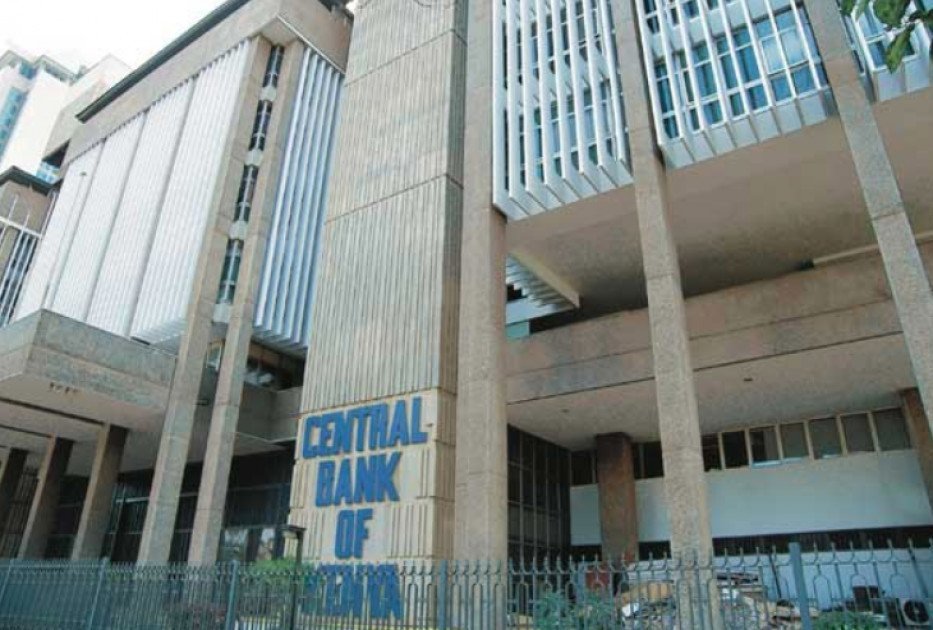
Previously, the Central Bank of Kenya (CBK) had proposed an even more drastic reduction to Sh386 billion before revising it upward due to adjustments in the recurrent budget.
“Despite revising its net domestic borrowing target for the current fiscal cycle in favor of an expected Sh270 billion in external financing inflows, markets remain unconvinced about the actualization of these inflows. To date, there is no sight of these external financing inflows,” highlighted analysts at NCBA Bank in a fixed income note.
Anticipations concerning inflation are also significantly influencing bid pricing in securities auctions, especially following comments by CBK Governor Kamau Thugge indicating that the recent surge in fuel prices has dashed hopes of a decline in fuel-related inflation next month.
For investors, this signals a potential rate hike or, at the very least, a maintenance of the current 10.5 percent Central Bank Rate in the upcoming October Monetary Policy Committee meeting.
Consequently, some investors may preemptively incorporate these factors into their bids in the securities auctions, further intensifying market uncertainty.
Photo Source: Google
26th September , 2023
Delino Gayweh
Serrari Financial Analyst