











The certificate of deposit landscape in 2026 has evolved into an environment where strategic implementation separates successful investors from those who simply accept standard offerings. The combination of declining rate expectations, inverted maturity yield curves, and intense competition among financial institutions creates opportunities for sophisticated investors who understand the underlying dynamics and can implement thoughtful strategies. Examining these opportunities requires analysis of the current rate structure, the mechanics of effective CD ladder construction, and the forward expectations that should guide current investment decisions.
Build the future you deserve. Get started with our top-tier Online courses: ACCA, HESI A2, ATI TEAS 7, HESI EXIT, NCLEX-RN, NCLEX-PN, and Financial Literacy. Let Serrari Ed guide your path to success. Enroll today.
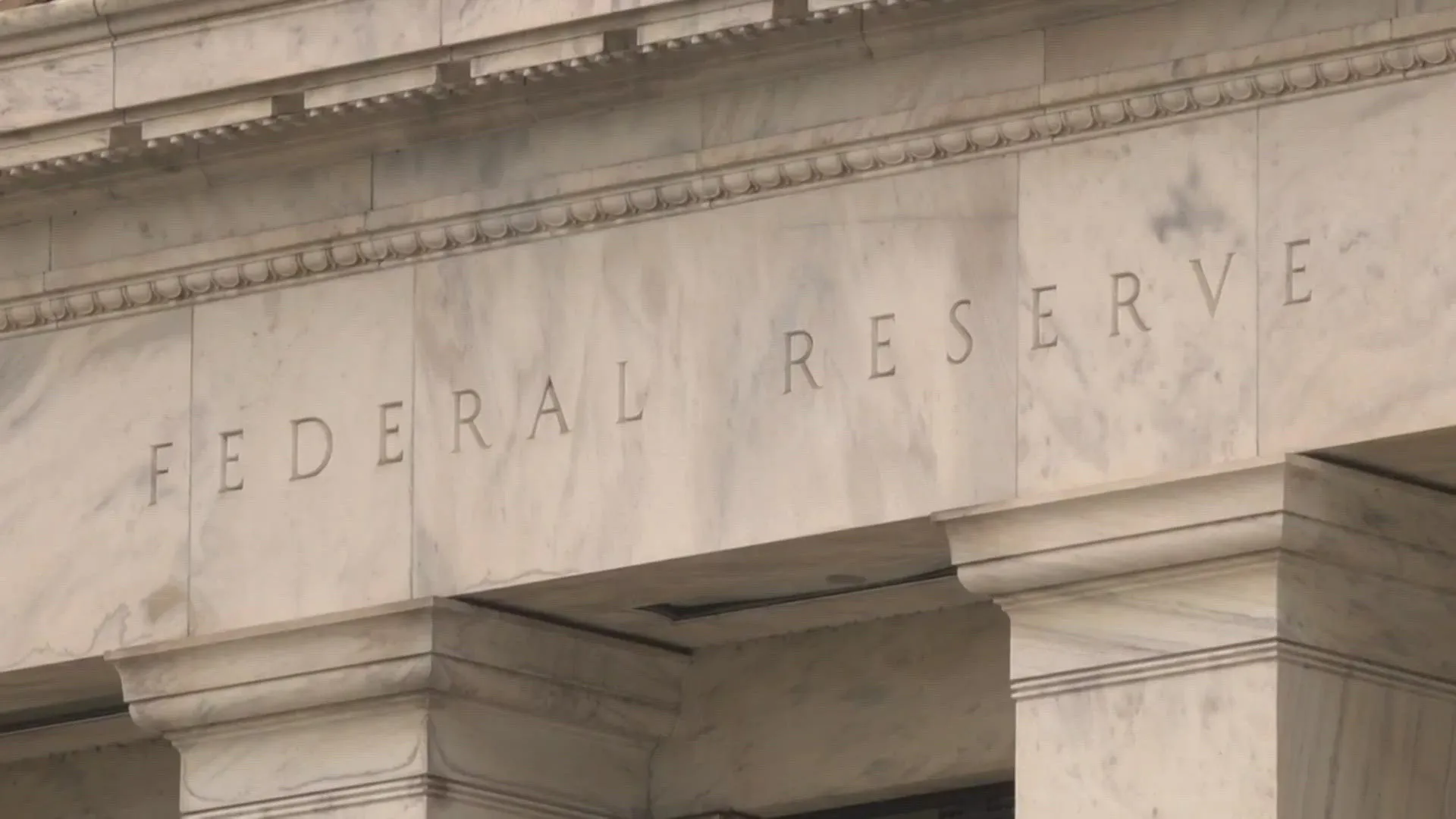
The remarkable characteristic of the current CD market is the compressed spread between short-term and long-term instruments. Historically, longer-term CDs command premium yields reflecting the additional duration risk investors accept by locking capital for extended periods. In early 2026, this relationship has partially inverted, with Six to nine-month CDs offer comparable or higher rates than one-to-three year instruments. This unusual structure reflects sophisticated market participants’ expectation that Federal Reserve rate cuts will begin in the second or third quarter, making investors reluctant to extend maturity dates at current rate levels.
The opportunity created by this inverted structure lies in the laddering strategy, a time-tested approach that allocates capital across multiple maturity dates rather than concentrating the entire position in a single product. By establishing CDs maturing quarterly or semi-annually, investors can create regular rebalancing opportunities as rates change. This approach captures the current favorable yields while maintaining flexibility to adapt as the rate environment evolves. Investors employing laddering strategies can reinvest proceeds from maturing positions at updated market rates, effectively averaging returns across multiple interest rate environments. This mechanical discipline removes emotion from the investment process and ensures that capital remains continuously deployed at market-competitive rates.
CD Ladder Construction Mechanics
The specific mechanics of CD ladder construction depend on individual investor circumstances and forward expectations. A typical approach might involve dividing a deposit allocation into five equal portions, each representing a different maturity: three months, six months, nine months, twelve months, and eighteen months. As each rung of the ladder matures, the proceeds are reinvested in the longest-maturity instrument available, extending the ladder and maintaining the desired spacing. This approach ensures that regardless of rate movements, investors maintain allocations across the entire maturity spectrum and avoid the regret that often accompanies waiting for rates that never materialize.
The mathematical benefits of laddering strategies become evident when analyzing different rate scenarios. In a declining-rate environment, ladder strategies capture higher rates from longer-maturity rungs while reinvesting maturing short-term positions at lower rates. In a rising-rate environment, ladder strategies benefit from regular opportunities to lock in higher rates as shorter-maturity positions mature. The averaging effect of continuous rebalancing reduces the opportunity cost of being wrong about rate direction, providing valuable insurance against forecast errors.
The construction of individual rungs within a ladder should consider promotional offerings and relative rate advantages across different banks and maturity dates. Sophisticated investors can enhance returns by identifying high-yield online banks offering premium rates for specific maturities and timing CD purchases to capture these promotional benefits. The administrative burden of managing multiple CD positions across different institutions is minimal in the era of online banking, making the optimization effort worthwhile.
Federal Reserve Policy and Rate Expectations
The current economic environment and Federal Reserve policy trajectory create specific considerations for ladder construction in 2026. The Fed has signaled its intention to maintain current rates through at least the first half of the year, with rate cuts potentially beginning in mid-2026 if economic data cooperates. This trajectory suggests that investors willing to lock in current rates for six-month periods face acceptable risk that rates will have declined significantly by maturity. Alternatively, investors willing to accept reinvestment risk across the full ladder structure can maintain flexibility by concentrating allocation in shorter-term instruments expected to mature before the anticipated rate cutting cycle.
The geopolitical tensions and inflation concerns currently influencing Fed policy discussions create substantial uncertainty regarding the timing of rate cuts. If inflation surprises remain elevated and geopolitical tensions persist, the Fed might delay rate cuts beyond current consensus expectations. Conversely, if economic weakness emerges more quickly than anticipated, rate cuts could accelerate. The uncertainty suggests that maintaining flexibility through ladder strategies provides valuable optionality relative to concentrating positions in single maturity points. The mechanical discipline of laddering ensures that investors capture opportunities as conditions evolve without requiring accurate timing predictions.
Competitive Banking Landscape
The competitive landscape among financial institutions creates opportunities for investors to optimize rates through deliberate provider selection. Leading online banks continue to offer premium rates that substantially exceed traditional banking alternatives and national averages. Investors willing to establish relationships with multiple institutions can access a wider range of competitive offerings and optimize their allocation across providers. Many investors successfully maintain CD ladders distributed across four or five different institutions, taking advantage of each provider’s competitive strengths and promotional offerings. The administrative burden of managing multiple relationships is minimal in the era of online banking, and the potential yield enhancement is substantial.
The diversity of rates across different banks for similar maturity instruments reflects the competitive dynamics of the deposit market. Banks with lower cost of funds, operational efficiency, and aggressive growth strategies can offer higher CD rates. Online banks with minimal physical branch networks maintain substantial cost advantages enabling superior rate offerings. Regional banks competing for deposits in their local markets may also offer premium rates to attract capital. Savvy investors who invest time in comparing rates across multiple providers can capture meaningful incremental returns from this competition.
Promotional Rate Exploitation
The role of promotional rates in CD market competition deserves careful analysis. Banks frequently offer premium introductory rates to new depositors, with the intention that subsequent renewals occur at lower market rates. Investors can strategically exploit these promotional cycles by staggering CD maturities across institutions and capturing introductory rates at each reinvestment opportunity. This approach requires some administrative attention but can generate incremental returns that exceed the hassle involved. Investors should maintain detailed records of promotional offers and expiration dates to ensure they maximize this advantage. The comprehensive rate comparison tools available from major financial sites facilitate identification of the best current offerings.
The mechanics of promotional rate exploitation involve establishing new CD positions at institutions offering temporary rate premiums, allowing these positions to mature into the ladder sequence. As older institutions’ promotional rates expire and decline, the maturing ladder positions can be reinvested at newly available promotional rates at alternative institutions. This perpetual optimization strategy requires tracking promotional calendars and maintaining flexibility regarding institution selection but can generate meaningful incremental returns over multi-year periods.
Macroeconomic Backdrop and Risks
The macroeconomic backdrop for CD investing in 2026 includes both supportive and cautionary elements. The maintained stability of Federal Reserve policy rates provide confidence that current rates will remain available for the near term. However, the emerging geopolitical tensions and their potential inflationary implications create uncertainty regarding the timing and extent of any policy rate reductions. Investors should consider maintaining flexibility through shorter-maturity positioning until greater clarity emerges regarding the inflation trajectory and Fed response.
One decision can change your entire career. Take that step with our Online courses in ACCA, HESI A2, ATI TEAS 7, HESI EXIT, NCLEX-RN, NCLEX-PN, and Financial Literacy. Join Serrari Ed and start building your brighter future today.
The energy price volatility driven by geopolitical tensions creates inflation risks that could support extended periods of elevated policy rates. If crude oil prices sustain elevated levels above $90-100 per barrel, inflation pressures could constrain the Fed’s ability to cut rates aggressively. The inverse impact on CD rates could reverse some of the rate decline anticipated in base-case scenarios. Investors concerned about persistent inflation might deliberately extend maturity positioning to lock in current rates before potential policy surprises drive rates higher than expected.
Portfolio Construction Integration
The interaction between CD ladder strategies and broader portfolio construction merits attention. CDs serve as foundational elements in many investor portfolios, providing stable income and return of principal at maturity. However, the role of CDs should be understood within the context of overall portfolio objectives, risk tolerance, and time horizons. Investors nearing retirement might emphasize longer-duration CDs providing more extended visibility of future cash flows. Younger investors with longer time horizons might accept shorter-term reinvestment risk to maintain flexibility and capture potentially lower rates available later as Fed policy accommodates.
The tax characteristics of CD ladder positions also merit consideration in overall portfolio construction. The regular maturity schedule of laddered CDs creates predictable patterns of interest income recognition that can be managed strategically for tax purposes. Investors might deliberately time CD maturities to distribute interest income evenly across calendar years or to concentrate it in lower-income years when marginal tax rates are lower.
Tax Planning and Optimization
The tax implications of CD ladder structures deserve consideration during construction. While the tax treatment of CD interest income is uniform across maturity dates, the timing of interest recognition can be managed through strategic timing of CD purchases and maturities relative to year-end. Investors in higher tax brackets might consider municipal bonds or other tax-advantaged alternatives as supplements to CD allocations. The comprehensive analysis of after-tax returns requires consultation with tax professionals but can identify material opportunities for optimization.
The integration of CD positions with other taxable income sources creates opportunities for tax-loss harvesting and marginal rate management. Investors with substantial capital losses from other investments might strategically concentrate CD interest income recognition in years when losses can offset the gains, minimizing overall tax burdens. Conversely, investors with substantial net losses available for carryforward might time CD maturities to concentrate interest income in years when losses can be utilized most effectively.
Credit Quality Considerations
Credit quality considerations in CD selection receive less attention than they deserve given the fundamental safety of federal deposit insurance. The FDIC provides deposit insurance up to $250,000 per depositor at each institution, protecting most investors’ principal. However, the solvency and stability of banking institutions underlying CD offerings remains relevant for operational and customer service considerations. Investors should maintain positions only with institutions rated investment-grade by major rating agencies and demonstrating stable operational performance.
The recent regional banking stress and failures emphasize the importance of evaluating depository institution solvency even with FDIC insurance. Large banks with substantial capital reserves, diversified revenue streams, and established market positions provide better assurance of operational continuity than smaller or more specialized institutions. While FDIC insurance protects principal, account access during periods of institution failure or stress can create operational challenges affecting investors’ ability to access funds. Maintaining CD positions with well-capitalized, stable institutions reduces these operational risks.
Forward-Looking Outlook
Looking forward, the CD market in 2026 will likely evolve as economic data influences Federal Reserve policy decisions. Current strategies emphasizing ladder construction and maturity management position investors well to adapt as conditions change. The combination of attractive yields, fundamental safety, and strategic flexibility makes CDs appropriate components of most investment portfolios. Investors who implement thoughtful strategies rather than accepting standard offerings will capture meaningful additional return in the current environment.
The success of laddering strategies depends on disciplined execution and resistance to the temptation to chase the “highest available rate” through concentrated positioning in single institutions or maturity dates. The mechanical approach of maintaining balanced ladder positions across multiple maturities and institutions may not always achieve the absolute highest possible returns in hindsight, but it provides superior risk-adjusted returns and psychological benefits from certainty and consistency. The long-term experience of successful investors emphasizes the value of systematic strategies over opportunistic timing attempts.
Ready to take your career to the next level? Join our Online courses: ACCA, HESI A2, ATI TEAS 7 , HESI EXIT , NCLEX-RN and NCLEX-PN, Financial Literacy! 🌟 Dive into a world of opportunities and empower yourself for success. Explore more at Serrari Ed and start your exciting journey today! ✨
Track GDP, Inflation and Central Bank rates for top African markets with Serrari’s comparator tool.
See today’s Treasury bonds and Money market funds movement across financial service providers in Kenya, using Serrari’s comparator tools.
Photo Source: Google
By: Montel Kamau
Serrari Financial Analyst
9th March, 2026
Article, Financial and News Disclaimer
The Value of a Financial Advisor
While this article offers valuable insights, it is essential to recognize that personal finance can be highly complex and unique to each individual. A financial advisor provides professional expertise and personalized guidance to help you make well-informed decisions tailored to your specific circumstances and goals.
Beyond offering knowledge, a financial advisor serves as a trusted partner to help you stay disciplined, avoid common pitfalls, and remain focused on your long-term objectives. Their perspective and experience can complement your own efforts, enhancing your financial well-being and ensuring a more confident approach to managing your finances.
Disclaimer: This article is for informational purposes only and does not constitute financial advice. Readers are encouraged to consult a licensed financial advisor to obtain guidance specific to their financial situation.
Article and News Disclaimer
The information provided on www.serrarigroup.com is for general informational purposes only. While we strive to keep the information up to date and accurate, we make no representations or warranties of any kind, express or implied, about the completeness, accuracy, reliability, suitability, or availability with respect to the website or the information, products, services, or related graphics contained on the website for any purpose. Any reliance you place on such information is therefore strictly at your own risk.
www.serrarigroup.com is not responsible for any errors or omissions, or for the results obtained from the use of this information. All information on the website is provided on an as-is basis, with no guarantee of completeness, accuracy, timeliness, or of the results obtained from the use of this information, and without warranty of any kind, express or implied, including but not limited to warranties of performance, merchantability, and fitness for a particular purpose.
In no event will www.serrarigroup.com be liable to you or anyone else for any decision made or action taken in reliance on the information provided on the website or for any consequential, special, or similar damages, even if advised of the possibility of such damages.
The articles, news, and information presented on www.serrarigroup.com reflect the opinions of the respective authors and contributors and do not necessarily represent the views of the website or its management. Any views or opinions expressed are solely those of the individual authors and do not represent the website's views or opinions as a whole.
The content on www.serrarigroup.com may include links to external websites, which are provided for convenience and informational purposes only. We have no control over the nature, content, and availability of those sites. The inclusion of any links does not necessarily imply a recommendation or endorsement of the views expressed within them.
Every effort is made to keep the website up and running smoothly. However, www.serrarigroup.com takes no responsibility for, and will not be liable for, the website being temporarily unavailable due to technical issues beyond our control.
Please note that laws, regulations, and information can change rapidly, and we advise you to conduct further research and seek professional advice when necessary.
By using www.serrarigroup.com, you agree to this disclaimer and its terms. If you do not agree with this disclaimer, please do not use the website.
www.serrarigroup.com, reserves the right to update, modify, or remove any part of this disclaimer without prior notice. It is your responsibility to review this disclaimer periodically for changes.
Serrari Group 2025