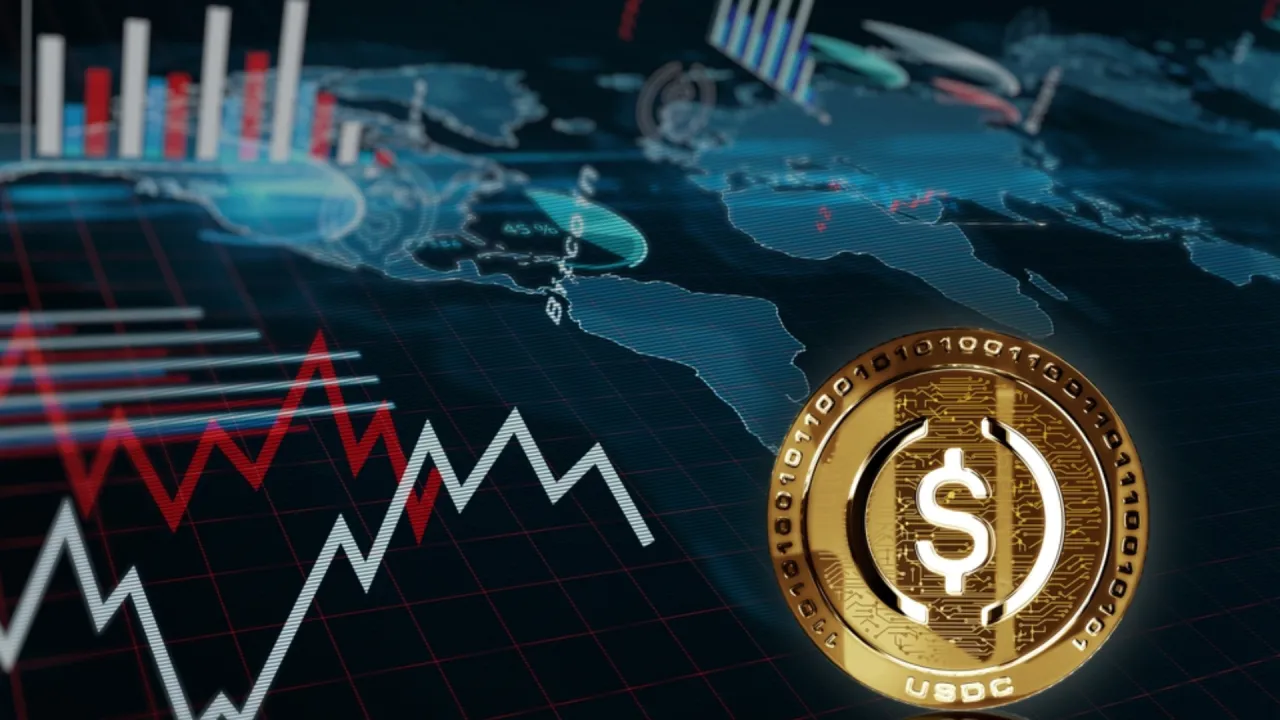











Stablecoins have emerged as the dominant cryptocurrency type in Sub-Saharan Africa, with stablecoins accounting for 43% of crypto transaction volume across the region in 2024. This dominance reflects the superior utility of price-stable digital assets for payment and value storage compared to volatile cryptocurrencies like Bitcoin and Ethereum.
Build the future you deserve. Get started with our top-tier Online courses: ACCA, HESI A2, ATI TEAS 7, HESI EXIT, NCLEX-RN, NCLEX-PN, and Financial Literacy. Let Serrari Ed guide your path to success. Enroll today.
The global stablecoin market has undergone explosive growth, with total transfer value reaching $27.6 trillion in 2024, eclipsing the combined annual transaction volume of Visa and Mastercard. Within this global market, Africa has emerged as one of the fastest-growing regions for stablecoin adoption, with usage patterns reflecting unique African circumstances including currency instability, inflation, and limited traditional banking access.
Stablecoins represent a critical innovation enabling cryptocurrency to transition from speculative investment vehicles to practical payment and value storage mechanisms. By maintaining stable values pegged to external references (typically the US dollar), stablecoins overcome the volatility barrier limiting cryptocurrency utility for everyday transactions.
The African stablecoin market demonstrates the power of technology-enabled financial innovation to address real economic challenges. Where traditional banking infrastructure remains limited or costly, stablecoins provide accessible alternatives for value storage and transfer.
Nigeria’s Extraordinary Stablecoin Adoption
Nigeria has emerged as the global leader in stablecoin adoption, with 11.9% of Nigerians (approximately 25.9 million people) using stablecoins, according to 2025 research. This adoption rate substantially exceeds stablecoin usage rates in developed markets where single-digit percentages of populations use stablecoins.
The stablecoin market in Nigeria is enormous, with Nigeria accounting for nearly $22 billion in stablecoin transactions between July 2023 and June 2024. This volume demonstrates the centrality of stablecoins to Nigeria’s informal financial system and the massive scale of stablecoin adoption relative to Nigeria’s formal banking sector.
The dominance of stablecoins in Nigeria reflects the particularly acute currency challenges Nigeria faces. The naira has depreciated substantially against the US dollar, with exchange rates becoming increasingly unstable. Additionally, Nigeria has experienced persistent double-digit inflation eroding real purchasing power of naira holdings. These conditions create powerful incentives for individuals and businesses to seek value storage in stable foreign currencies.
Nigeria’s stablecoin usage demonstrates how technology-enabled financial solutions can provide alternatives when traditional financial systems fail to meet user needs. The extraordinary 11.9% adoption rate among Nigerians—higher than any developed country—reflects both the severity of macroeconomic challenges and the attractiveness of stablecoin solutions.
Dominant Stablecoin Issuers and Market Concentration
The African stablecoin market is dominated by two major issuers: Tether (USDT) and USD Coin (USDC). Africa overwhelmingly relies on Western stablecoin solutions, with USDC and USDT together accounting for the vast majority of stablecoin usage across the region.
Tether, the largest stablecoin by transaction volume, is used extensively for retail transactions, remittances, and value storage. Tether’s popularity reflects the longevity of the platform, the extensive cryptocurrency exchange support for USDT, and the widespread peer-to-peer trading networks that have developed around USDT throughout Africa.
USDC, issued by Circle, has gained market share in recent years, particularly among users seeking greater transparency and regulatory compliance. USDC is fully reserved in US dollar deposits and Treasury securities, providing greater assurance regarding backing compared to Tether, which maintains a more opaque reserve structure.
Both USDT and USDC maintain 1:1 pegs to the US dollar through monetary mechanisms preventing significant price deviations. For users, the practical difference between the two stablecoins is modest, with choice often determined by exchange availability and user familiarity.
Use Cases Driving African Stablecoin Adoption
The diverse use cases for stablecoins in Africa reflect the unique utility they provide in the African economic context. Several primary use cases have driven adoption:
Foreign Exchange Hedging and Currency Protection: Nigerians and other Africans facing currency depreciation use stablecoins as vehicles to maintain value in stable foreign currencies without relying on traditional banking channels. This provides protection against naira or other local currency depreciation while maintaining custody of assets.
Remittances and Cross-Border Payments: Stablecoins are increasingly used for remittances and cross-border payments where senders and recipients want price stability. Unlike Bitcoin, which might fluctuate sharply between sender remitting and recipient converting, stablecoins maintain consistent values, ensuring recipients receive expected amounts.
Payroll and Gig Economy Payments: Freelancers and gig workers increasingly receive payments in stablecoins from international clients. Stablecoins enable rapid, low-cost payments from clients globally to African workers without reliance on traditional banking infrastructure.
Trade Settlement and Inventory Management: Small and medium-sized enterprises use stablecoins to settle invoices with international suppliers and to maintain inventory working capital in stable currencies. Stablecoins enable rapid settlement and eliminate FX risk compared to local currency transactions.
Savings and Inflation Hedge: Households use stablecoins as savings mechanisms to protect against inflation and currency depreciation. Holding stablecoins provides more stable purchasing power than holding local currency subject to inflation and depreciation.
The Regulatory Landscape and Government Responses
Stablecoin regulation in Africa remains nascent, with most African countries lacking comprehensive regulatory frameworks. However, stablecoin regulation has become a global focus, with the EU implementing the Markets in Crypto-assets (MiCA) regulation in 2024 and the US implementing the Genius Act in 2025.
One decision can change your entire career. Take that step with our Online courses in ACCA, HESI A2, ATI TEAS 7, HESI EXIT, NCLEX-RN, NCLEX-PN, and Financial Literacy. Join Serrari Ed and start building your brighter future today.
Africa has lagged other regions in stablecoin regulation. However, leading countries including Nigeria, Kenya, and South Africa are developing regulatory frameworks for stablecoins. These frameworks typically address capital adequacy requirements, reserve backing, consumer protection, and anti-money laundering compliance.
The regulatory development reflects governments’ recognition that stablecoin usage is driven by genuine user demand and that prohibition would be impractical. By establishing regulatory frameworks, governments can ensure consumer protections while maintaining space for innovation.
Risks and Vulnerabilities in the Stablecoin Market
Despite the enormous utility of stablecoins in Africa, important risks and vulnerabilities merit consideration. A primary risk is the reliance on offshore issuers (Tether and Circle) for stablecoin supply. If either issuer faced regulatory action or experienced financial difficulties in their home jurisdictions, African stablecoin users could lose access to their value.
Additionally, stablecoins create foreign exchange exposure for African users. While holding stablecoins provides protection against local currency depreciation, if users ultimately seek to convert stablecoins back to local currency, they face the same FX conversion challenges that make local currency unattractive in the first place.
A secondary concern is the use of stablecoins for money laundering and sanctions evasion. The relative anonymity of stablecoin transactions compared to traditional banking creates risks that criminals and sanctioned entities utilize stablecoins for prohibited activities. Regulatory crackdowns on stablecoin usage for illicit purposes could constrain legitimate usage.
Central Bank Digital Currencies as Alternatives
African central banks are exploring development of central bank digital currencies (CBDCs) that could provide similar stability benefits to stablecoins while maintaining government control and oversight. CBDCs would enable central banks to facilitate fast, low-cost payments while maintaining full visibility into transactions.
Nigeria’s Central Bank has explored CBDC development, while South Africa and other countries are undertaking pilot programs. If successfully implemented, CBDCs could partially substitute for stablecoin usage by providing government-backed digital currency alternatives.
However, CBDCs are unlikely to fully displace stablecoins. Users valuing privacy and those seeking to protect assets from government seizure will likely continue using private stablecoins despite CBDC availability. The coexistence of stablecoins and CBDCs appears likely in the medium term.
The Regulatory Pressure on Stablecoin Issuers
Global regulatory developments may constrain African stablecoin usage if they limit stablecoin issuers’ ability to operate. Recent regulatory pressure in developed markets on Tether and other stablecoin issuers has created risks that these platforms could face restrictions limiting their global operations.
If major stablecoin issuers faced significant regulatory constraints in developed markets, the impact would extend to African users who depend on these platforms. Regulatory coordination between developed and developing countries could create barriers to African stablecoin usage.
Market Development and Infrastructure Maturation
The maturation of African stablecoin markets is reflected in the expanding infrastructure supporting stablecoin transactions. Specialized exchanges focusing on stablecoins, institutional custody providers, and professional trading platforms have all emerged to serve the growing market. This infrastructure maturation signals that stablecoins have transitioned from nascent innovation to established financial service.
The development of professional custody services is particularly important for institutional adoption, as large institutions require custody arrangements providing security and compliance with regulatory requirements. As custody infrastructure expands, institutional participation in African stablecoin markets should accelerate.
Outlook for African Stablecoin Markets
Despite regulatory risks, stablecoin usage in Africa is positioned for continued expansion as financial inclusion expands and cryptocurrency infrastructure matures. The fundamental drivers of stablecoin demand—currency instability, inflation, and limited traditional banking access—persist across the continent.
The most likely future scenario involves coexistence of stablecoins with central bank digital currencies and traditional banking services. Rather than complete displacement of traditional banking, stablecoins will likely occupy a niche serving populations and use cases inadequately served by traditional banking.
Conclusion: Stablecoins as Essential Financial Infrastructure
Stablecoins have become essential financial infrastructure for millions of Africans, providing protection against currency instability and inflation while enabling practical payment mechanisms. The extraordinary adoption rates in Nigeria and other countries demonstrate the genuine utility these instruments provide. As regulatory frameworks mature, infrastructure develops, and competition expands, stablecoins are likely to remain important financial infrastructure supporting African economic development and financial inclusion objectives. The stablecoin phenomenon in Africa represents a compelling example of technology-enabled financial innovation addressing real economic needs.
Ready to take your career to the next level? Join our Online courses: ACCA, HESI A2, ATI TEAS 7 , HESI EXIT , NCLEX-RN and NCLEX-PN, Financial Literacy! 🌟 Dive into a world of opportunities and empower yourself for success. Explore more at Serrari Ed and start your exciting journey today! ✨
Track GDP, Inflation and Central Bank rates for top African markets with Serrari’s comparator tool.
See today’s Treasury bonds and Money market funds movement across financial service providers in Kenya, using Serrari’s comparator tools.
Photo Source: Google
By: Montel Kamau
Serrari Financial Analyst
6th March, 2026
Article, Financial and News Disclaimer
The Value of a Financial Advisor
While this article offers valuable insights, it is essential to recognize that personal finance can be highly complex and unique to each individual. A financial advisor provides professional expertise and personalized guidance to help you make well-informed decisions tailored to your specific circumstances and goals.
Beyond offering knowledge, a financial advisor serves as a trusted partner to help you stay disciplined, avoid common pitfalls, and remain focused on your long-term objectives. Their perspective and experience can complement your own efforts, enhancing your financial well-being and ensuring a more confident approach to managing your finances.
Disclaimer: This article is for informational purposes only and does not constitute financial advice. Readers are encouraged to consult a licensed financial advisor to obtain guidance specific to their financial situation.
Article and News Disclaimer
The information provided on www.serrarigroup.com is for general informational purposes only. While we strive to keep the information up to date and accurate, we make no representations or warranties of any kind, express or implied, about the completeness, accuracy, reliability, suitability, or availability with respect to the website or the information, products, services, or related graphics contained on the website for any purpose. Any reliance you place on such information is therefore strictly at your own risk.
www.serrarigroup.com is not responsible for any errors or omissions, or for the results obtained from the use of this information. All information on the website is provided on an as-is basis, with no guarantee of completeness, accuracy, timeliness, or of the results obtained from the use of this information, and without warranty of any kind, express or implied, including but not limited to warranties of performance, merchantability, and fitness for a particular purpose.
In no event will www.serrarigroup.com be liable to you or anyone else for any decision made or action taken in reliance on the information provided on the website or for any consequential, special, or similar damages, even if advised of the possibility of such damages.
The articles, news, and information presented on www.serrarigroup.com reflect the opinions of the respective authors and contributors and do not necessarily represent the views of the website or its management. Any views or opinions expressed are solely those of the individual authors and do not represent the website's views or opinions as a whole.
The content on www.serrarigroup.com may include links to external websites, which are provided for convenience and informational purposes only. We have no control over the nature, content, and availability of those sites. The inclusion of any links does not necessarily imply a recommendation or endorsement of the views expressed within them.
Every effort is made to keep the website up and running smoothly. However, www.serrarigroup.com takes no responsibility for, and will not be liable for, the website being temporarily unavailable due to technical issues beyond our control.
Please note that laws, regulations, and information can change rapidly, and we advise you to conduct further research and seek professional advice when necessary.
By using www.serrarigroup.com, you agree to this disclaimer and its terms. If you do not agree with this disclaimer, please do not use the website.
www.serrarigroup.com, reserves the right to update, modify, or remove any part of this disclaimer without prior notice. It is your responsibility to review this disclaimer periodically for changes.
Serrari Group 2025