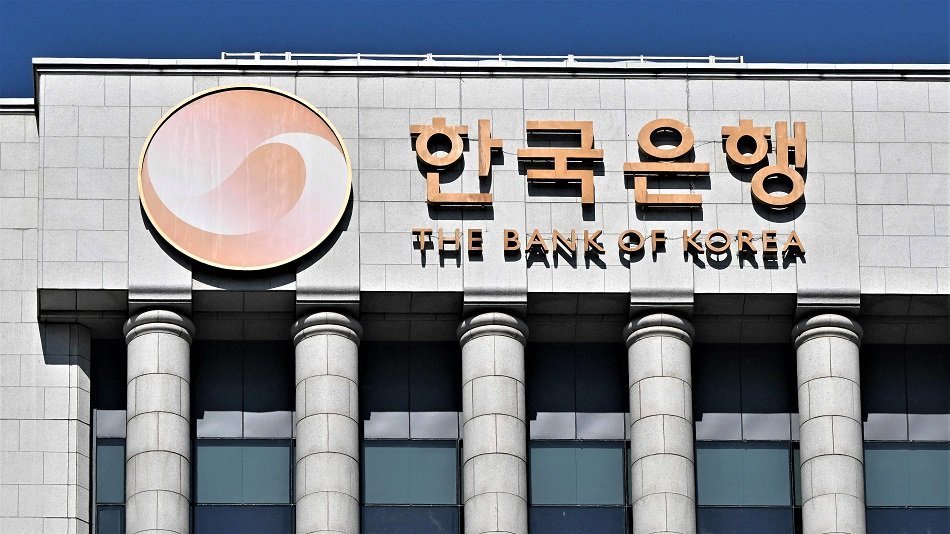
In a significant policy shift, South Korea has lifted the cap on commercial banks’ bond sales that was imposed during last year’s credit crunch. The move is aimed at ensuring adequate funding for the country’s financial sector amidst ongoing challenges. The decision was confirmed by the Financial Services Commission, in response to a Korea Economic Daily report.
The previous restriction, which limited banks to issuing bonds equivalent to 125% of those maturing each quarter, was put in place during a credit crisis caused by a property developer’s default. At that time, officials had urged banks to refrain from selling bonds to prevent further liquidity drain from the credit market.
The removal of this ceiling on bond sales is expected to provide a much-needed boost to the banking sector’s ability to raise funds. Commercial banks currently have a substantial number of high-return savings accounts maturing soon, estimated at approximately 100 trillion won ($73.5 billion) starting from October, according to the Korea Economic Daily.
South Korea’s regulatory body emphasized that it would closely monitor market conditions to ensure that the relaxation of these rules does not adversely impact the corporate bond market.
This policy change reflects a marked departure from the measures enacted during the credit crunch in the previous year. Initially, the restrictions were imposed to safeguard against a potential financial crisis stemming from a rapid outflow of funds. However, as the economic situation has stabilized, the South Korean government has opted to remove this limitation.
The removal of the cap is expected to enable commercial banks to secure funds more freely, which, in turn, will provide them with the resources needed to extend loans across various sectors. This move is crucial for stimulating economic growth, as it will enhance market liquidity, encouraging businesses to invest and consumers to increase their spending.
The South Korean financial landscape is poised for a significant transformation as this policy change aims to rejuvenate the banking sector and support broader economic recovery efforts.
Photo Source: Google
October 4, 2023
By Delino Gayweh
Serrari Financial Analyst