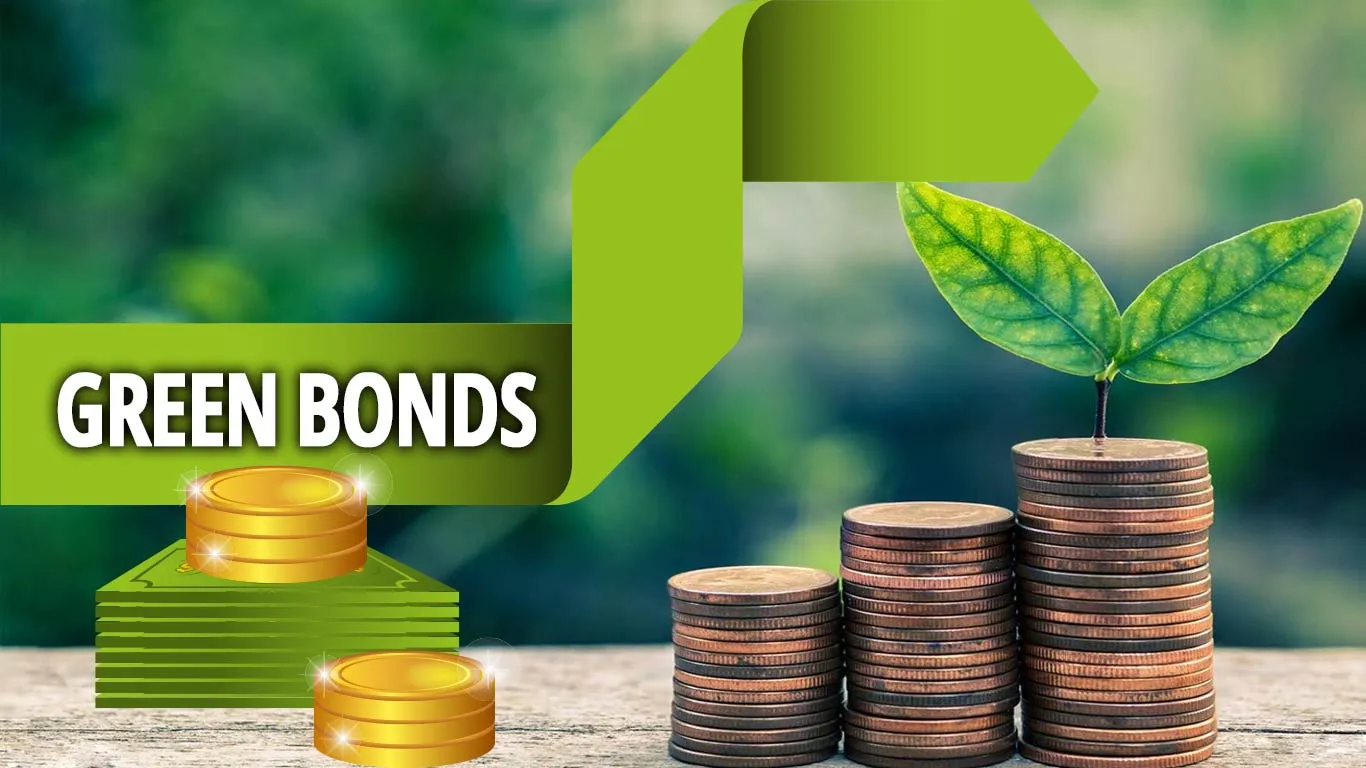












South Africa’s Green Finance Leadership
South Africa has emerged as Africa’s leading green bond market, leveraging the country’s developed financial infrastructure, established regulatory frameworks, and substantial climate finance needs. South Africa’s green bond market development reflects years of policy development and institutional capacity building supporting green finance.
Build the future you deserve. Get started with our top-tier Online courses: ACCA, HESI A2, ATI TEAS 7, HESI EXIT, NCLEX-RN, NCLEX-PN, and Financial Literacy. Let Serrari Ed guide your path to success. Enroll today.
The development of South Africa’s green bond market must be understood within the context of the country’s energy transition challenges. South Africa’s electricity supply has been constrained by aging coal-fired power stations and inadequate generation capacity, creating urgent need for new generation infrastructure including renewable energy. Green bonds have provided financing mechanisms for renewable energy investment, supporting the energy transition.
South Africa’s green bond issuances have focused heavily on renewable energy projects, with proceeds financing solar, wind, and hydroelectric capacity. The government’s renewable energy procurement program has created pipeline of bankable renewable energy projects capable of supporting green bond financing. This project pipeline provides foundation for continued green bond market development as climate urgency expands investor demand for green investments.
Regulatory Framework and Market Infrastructure
South Africa’s regulatory environment supports green bond development through established financial market infrastructure, transparent pricing mechanisms, and regulatory oversight. The country’s financial regulators, including the Financial Sector Conduct Authority, have established regulatory standards for sustainable finance while facilitating innovation.
The development of South African green bond standards and disclosure requirements has created confidence among investors that green bonds funded actual environmental projects rather than greenwashed conventional projects. These standards, aligned with international best practices, provide assurance to investors that they can rely on environmental claims associated with green bonds.
South Africa’s market infrastructure including the Johannesburg Stock Exchange, bond dealers, and investment managers provides the institutional mechanisms necessary for efficient green bond issuance and trading. This mature infrastructure has enabled rapid market development compared to countries lacking similar institutional sophistication. The JSE’s dedicated green bond listing category has facilitated market transparency and investor access to green securities.
Government and Institutional Issuers
The South African government has increasingly utilized green bonds for development finance, recognizing the dual benefits of accessing capital markets while signaling climate commitment. Government green bond issuances have funded renewable energy projects, sustainable transport infrastructure, and climate adaptation initiatives.
Government agencies and state-owned enterprises have likewise become green bond issuers, financing climate-aligned projects within their mandates. For example, Eskom has explored green bond financing for renewable energy expansion as part of the energy transition away from coal dependence. The combination of government and SOE participation has created substantial green bond supply and helped establish South Africa as a green bond issuer destination.
These government and quasi-government issuances have created price benchmarks that corporate issuers reference when accessing green bond markets. The establishment of robust pricing enables corporate issuers to efficiently raise capital for climate projects. Government issuances thus have positive externalities by establishing reference yields supporting the full spectrum of green bond market participants.
Corporate and Financial Sector Participation
South African corporations and financial institutions have increasingly participated in green bond markets as both issuers and investors. Companies in renewable energy, sustainable infrastructure, and green manufacturing have raised capital through green bonds. Financial institutions have invested in green bonds to meet ESG commitments and to offer green investment products to clients.
The participation of corporate issuers reflects the reality that green bond financing is often cheaper than conventional financing due to investor demand for sustainable investments. Corporations pursuing climate strategies have financial incentives to utilize green financing channels. The cost advantage of green bonds has become a material factor driving corporate adoption of green financing.
Investor Base and Capital Flows
The South African green bond market attracts diverse investor participation including international institutional investors seeking ESG exposure, domestic asset managers offering sustainable investment products, and retail investors increasingly demanding sustainable options.
International capital flows to South African green bonds reflect global investor appetite for emerging market ESG investments. South Africa’s position as Africa’s largest and most developed capital market creates natural aggregation point for African green investment capital seeking continental exposure. The positioning of South Africa as Africa’s ESG center has attracted international green finance expertise and capital supporting market development.
Climate Vulnerability and Adaptation Financing
While much attention on green bonds has focused on renewable energy mitigation projects, South Africa’s climate adaptation financing needs are equally pressing. South Africa faces increasing water scarcity, agricultural disruption from changing rainfall patterns, and coastal vulnerability from sea-level rise. Green bonds have financed climate adaptation projects addressing these vulnerabilities.
Water infrastructure projects have received substantial green bond financing supporting sustainable water management and drought resilience. Agricultural adaptation projects have likewise received green financing supporting sustainable farming practices and resilience. These adaptation-focused green bonds address legitimate climate needs while providing investors with portfolios addressing diverse climate solutions beyond energy transition.
Challenges and Future Development
South Africa’s green bond market faces challenges including limited pipeline of green projects relative to capital seeking green investments. This constraint reflects both the development stage of green project identification and the reality that green certification requirements limit eligible projects.
One decision can change your entire career. Take that step with our Online courses in ACCA, HESI A2, ATI TEAS 7, HESI EXIT, NCLEX-RN, NCLEX-PN, and Financial Literacy. Join Serrari Ed and start building your brighter future today.
Additionally, green bonds in South Africa have traditionally focused on large-scale projects accessible primarily to large issuers. Expanding green finance to smaller-scale projects and smaller enterprises represents an important avenue for market development. The development of smaller-scale green projects would require investment in project preparation facilities, standardized reporting frameworks, and support for emerging green entrepreneurs.
The integration of green finance with broader economic development agenda remains a critical challenge. Green finance should support economic transformation while advancing climate objectives, but tension can exist between these goals when immediate development imperatives conflict with long-term climate goals. Balancing these tensions requires creative structuring and policy frameworks that recognize mutual complementarities.
Municipal and Local Government Green Finance
South African municipalities represent an emerging source of green bond issuance, as local governments invest in renewable energy projects, water infrastructure, and sustainable transport. Municipal green bonds enable local authorities to finance climate adaptation and mitigation projects while building local institutional capacity for green finance.
The development of municipal green bond markets faces challenges including limited capacity of smaller municipalities for green project identification and limited access to capital markets. However, aggregation vehicles and technical assistance programs can help overcome these constraints, enabling municipal participation in green finance markets. The potential for municipal green bond expansion represents a significant frontier for African green finance development.
Regional Green Finance Hub
South Africa is positioned to develop into Africa’s regional green finance hub, providing expertise, capital, and infrastructure supporting green finance across the continent. South Africa’s developed regulatory expertise, institutional capacity, and investment capital can facilitate green finance expansion across Southern Africa and the broader continent.
The development of South African green finance capabilities supporting continental expansion would create network effects benefiting both South Africa and other African countries. South Africa could provide project preparation facilities, technical assistance, and capital mobilization supporting green finance development across Africa. This hub role would position South Africa as the center of African sustainable finance and create competitive advantages for South African financial institutions.
Policy and Systemic Integration
South Africa’s government has recognized the need to integrate green finance into broader policy frameworks. The National Development Plan, which guides long-term South African development strategy, incorporates green finance and sustainable development as core elements. This policy integration signals sustained commitment to green finance.
Integration of green finance into climate policy, energy transition strategy, and fiscal frameworks strengthens institutional commitment and creates incentives for green finance expansion. When green finance is recognized as core policy rather than nice-to-have addition, resource allocation and institutional capacity reflects this priority. The comprehensive policy integration has positioned South Africa’s green finance agenda for sustained development.
Blended Finance Mechanisms
The most promising approach to scaling green finance in South Africa and across Africa involves blended finance mechanisms combining concessional public capital with green bond and commercial capital. These structures allow public institutions and development finance institutions to catalyze larger volumes of commercial capital by bearing initial risk or accepting below-market returns on portions of capital structures.
Blended finance mechanisms enable infrastructure projects to be financed through combinations of public grants, development finance, green bonds, and commercial debt structured to ensure each capital provider receives appropriate returns for the risks undertaken. This approach has enabled projects that would not be commercially viable using market financing alone to proceed, expanding the universe of viable green projects.
International Cooperation and Knowledge Sharing
South Africa participates in international green finance initiatives and forums enabling knowledge sharing and cooperation. Participation in international green finance initiatives provides access to global best practices and network of green finance practitioners.
This international engagement positions South Africa to both learn from global green finance leaders and to share expertise developed from South African experience. As other African countries develop green finance, South African institutions can provide knowledge transfer supporting efficient market development. South Africa’s position as a thought leader in African green finance reflects the country’s advanced market development and policy expertise.
Conclusion: South Africa’s Sustainable Finance Leadership
South Africa’s development as Africa’s green bond leader reflects years of regulatory development, policy commitment, and institutional capacity building. The country’s position as the continent’s most developed capital market provides natural foundation for green finance expansion. As South Africa’s green bond market continues to mature and as the country advances energy transition and climate adaptation financing, the market should expand substantially, positioning South Africa as the continental leader in sustainable finance supporting Africa’s sustainable development transition. The successful establishment of South African green bond market leadership creates a template for other African countries to follow in developing their own green finance capabilities.
Ready to take your career to the next level? Join our Online courses: ACCA, HESI A2, ATI TEAS 7 , HESI EXIT , NCLEX-RN and NCLEX-PN, Financial Literacy! 🌟 Dive into a world of opportunities and empower yourself for success. Explore more at Serrari Ed and start your exciting journey today! ✨
Track GDP, Inflation and Central Bank rates for top African markets with Serrari’s comparator tool.
See today’s Treasury bonds and Money market funds movement across financial service providers in Kenya, using Serrari’s comparator tools.
Photo Source: Google
By: Montel Kamau
Serrari Financial Analyst
5th March, 2026
Article, Financial and News Disclaimer
The Value of a Financial Advisor
While this article offers valuable insights, it is essential to recognize that personal finance can be highly complex and unique to each individual. A financial advisor provides professional expertise and personalized guidance to help you make well-informed decisions tailored to your specific circumstances and goals.
Beyond offering knowledge, a financial advisor serves as a trusted partner to help you stay disciplined, avoid common pitfalls, and remain focused on your long-term objectives. Their perspective and experience can complement your own efforts, enhancing your financial well-being and ensuring a more confident approach to managing your finances.
Disclaimer: This article is for informational purposes only and does not constitute financial advice. Readers are encouraged to consult a licensed financial advisor to obtain guidance specific to their financial situation.
Article and News Disclaimer
The information provided on www.serrarigroup.com is for general informational purposes only. While we strive to keep the information up to date and accurate, we make no representations or warranties of any kind, express or implied, about the completeness, accuracy, reliability, suitability, or availability with respect to the website or the information, products, services, or related graphics contained on the website for any purpose. Any reliance you place on such information is therefore strictly at your own risk.
www.serrarigroup.com is not responsible for any errors or omissions, or for the results obtained from the use of this information. All information on the website is provided on an as-is basis, with no guarantee of completeness, accuracy, timeliness, or of the results obtained from the use of this information, and without warranty of any kind, express or implied, including but not limited to warranties of performance, merchantability, and fitness for a particular purpose.
In no event will www.serrarigroup.com be liable to you or anyone else for any decision made or action taken in reliance on the information provided on the website or for any consequential, special, or similar damages, even if advised of the possibility of such damages.
The articles, news, and information presented on www.serrarigroup.com reflect the opinions of the respective authors and contributors and do not necessarily represent the views of the website or its management. Any views or opinions expressed are solely those of the individual authors and do not represent the website's views or opinions as a whole.
The content on www.serrarigroup.com may include links to external websites, which are provided for convenience and informational purposes only. We have no control over the nature, content, and availability of those sites. The inclusion of any links does not necessarily imply a recommendation or endorsement of the views expressed within them.
Every effort is made to keep the website up and running smoothly. However, www.serrarigroup.com takes no responsibility for, and will not be liable for, the website being temporarily unavailable due to technical issues beyond our control.
Please note that laws, regulations, and information can change rapidly, and we advise you to conduct further research and seek professional advice when necessary.
By using www.serrarigroup.com, you agree to this disclaimer and its terms. If you do not agree with this disclaimer, please do not use the website.
www.serrarigroup.com, reserves the right to update, modify, or remove any part of this disclaimer without prior notice. It is your responsibility to review this disclaimer periodically for changes.
Serrari Group 2025