South Africa’s decision to increase tariffs on clothing imports from Chinese e-commerce giants Shein and Temu has sparked debate over its economic impact and implications for consumers. Set to take effect next month, the tariff hike from 20% to 60% aims to level the playing field for domestic retailers, addressing concerns of unfair competition enabled by tax loopholes.
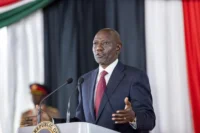
Dudley Filippa, Chairperson of the South African Institute of Economic Affairs (SAIEA), highlighted the significance of the “minimus” loophole, which previously allowed tax exemptions on low-value imports. This exemption has been crucial for financially constrained consumers who rely on affordable clothing sourced directly from manufacturers.
However, the tariff adjustment is expected to increase costs for consumers, particularly affecting those with limited incomes who seek budget-friendly options. Filippa acknowledged the necessity of affordable clothing and the popularity of platforms like Shein and Temu among cost-conscious consumers.
Beyond consumer affordability, the decision raises broader economic concerns. Critics argue it could potentially lead to job losses among workers in the logistics chain, including delivery personnel and packers who depend on e-commerce for employment.
In navigating these challenges, Filippa stressed the importance of a balanced approach that supports local businesses without disproportionately burdening consumers or undercutting economic growth. He emphasized the need for policies that promote fair competition while safeguarding the interests of all stakeholders, especially amid South Africa’s high unemployment rates.
The tariff increase on clothing imports marks a pivotal moment in South Africa’s trade policy, prompting discussions on economic strategy and social equity. As stakeholders continue to weigh the implications, the country faces crucial decisions in fostering a competitive yet equitable retail environment.
This development underscores South Africa’s commitment to protecting local industries amidst global market dynamics, highlighting the ongoing need for thoughtful and inclusive economic policies.
photo source: Google
By: Montel Kamau
Serrari Financial Analyst
20th June, 2024