As South African households grapple with the financial pressures that typically accompany the start of the year, Shoprite Group has announced a strategic partnership with PayJustNow to offer buy now, pay later (BNPL) payment options across its retail network. The move comes at a critical time when education costs, transport expenses, and routine living costs converge to create what many South Africans call the “January blues”—a period of acute financial strain following the holiday season.
The partnership, announced in early January 2026, enables Shoprite customers to split voucher purchases into flexible installments ranging from three to 12 months. This integration makes PayJustNow’s services available across Shoprite’s extensive brand portfolio, including Shoprite, Checkers, Checkers Hyper, Usave, Checkers Outdoor, UNIQ clothing by Checkers, Little Me, and Petshop Science, as well as through the group’s online platforms Sixty60 and Computicket.
Build the future you deserve. Get started with our top-tier Online courses: ACCA, HESI A2, ATI TEAS 7, HESI EXIT, NCLEX-RN, NCLEX-PN, and Financial Literacy. Let Serrari Ed guide your path to success. Enroll today.
The January Financial Reality
“January is when financial reality sets in,” explains Dean Hyde, chief operating officer at PayJustNow. “People are not looking to spend more. They are looking to spread costs in a way that fits their income cycles and creates breathing room, without paying interest or risking a debt spiral.”
Hyde’s comments reflect a broader understanding of South African consumer behavior during this challenging month. After the expenditures of the December holiday season, South African families face a perfect storm of expenses in January: school fees and stationery purchases as children return to school, increased transport costs as commuting resumes after the holidays, and the return to regular grocery spending—all while many households are still recovering financially from year-end celebrations.
This seasonal financial pressure is not unique to South Africa, but it is particularly acute in a country where economic inequality remains pronounced and where less than one in five South Africans have access to credit cards. According to World Bank data, only approximately 10% of South Africans aged 15 and older held credit cards as of 2021, leaving the vast majority of consumers without access to traditional revolving credit facilities.
A Growing Alternative to Traditional Credit
The Shoprite-PayJustNow partnership represents a significant expansion of BNPL services in South Africa’s retail sector. PayJustNow, which serves over 3 million consumers across the country through more than 12,000 points of presence, offers two distinct payment models designed to accommodate different consumer needs and financial situations.
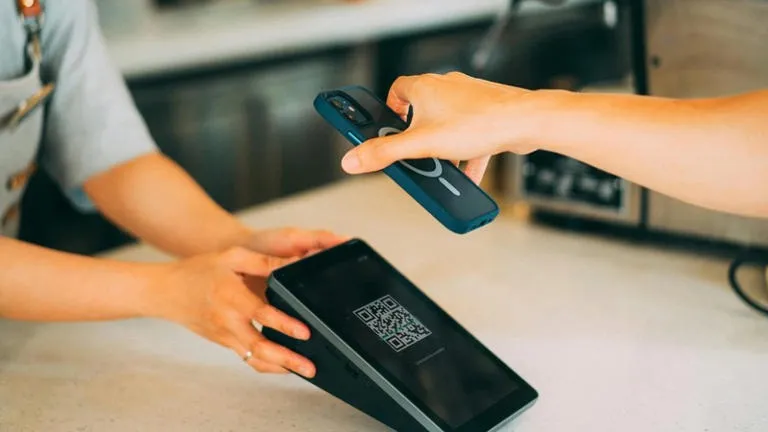
The first option, Pay-in-3, allows customers to split purchases into three equal, interest-free installments. The second, Pay-in-12, extends the repayment period to 12 months with interest charges applied, providing additional flexibility for larger purchases. Both options are now available for voucher purchases across Shoprite’s brands, enabling customers to plan essential spending upfront while managing repayments on a predictable schedule aligned with their income cycles.
“With this payment option, customers can match the timing of their payments for bigger ticket purchases to when they get paid, rather than absorbing a once-off hit to their monthly budget,” Hyde notes. This approach addresses a fundamental challenge faced by many South African consumers: the mismatch between when expenses occur and when income is received.
Jean Olivier, general manager of Financial Services at Shoprite Group, emphasizes the accessibility dimension of the partnership. “Less than one in five South Africans have a credit card and so, for many, alternative payment tools are the critical difference between feeling financially empowered to tackle life’s realities—like replacing a broken appliance, purchasing school stationery, or buying a laptop for education or work—or falling behind on what matters most.”
The BNPL Boom in South Africa
The Shoprite-PayJustNow partnership comes against the backdrop of explosive growth in South Africa’s BNPL market. According to market research, the South African BNPL sector is expected to grow by 13.6% on an annual basis to reach $815.1 million in 2025. The market experienced robust growth during 2021-2024, achieving a compound annual growth rate (CAGR) of 23.5%, and this upward trajectory is expected to continue with a projected CAGR of 9.8% during 2025-2030.
By 2030, South Africa’s BNPL sector is projected to expand to approximately $1.30 billion, reflecting the growing acceptance of these payment solutions as mainstream financial tools rather than niche offerings. This growth is being driven by several interconnected factors: increasing e-commerce penetration, shifting consumer preferences away from traditional credit products, low credit card ownership rates, and the increasing integration of BNPL services into both online and physical retail environments.
Across the broader African continent, BNPL adoption is growing even more rapidly, with the market forecast to grow by 19.1% annually to reach $5.34 billion in 2025. The African BNPL market experienced a remarkable CAGR of 29.4% during 2021-2024 and is expected to reach $10.63 billion by 2030, driven by strategic partnerships, e-commerce platform integration, and the need to provide credit access to underbanked populations.
Responsible Lending and Consumer Protection
A key differentiator in PayJustNow’s approach, and one that Hyde emphasizes strongly, is the positioning of BNPL as a cash-flow management tool rather than a credit replacement. “Flexible payment options only work when they are designed with limits and discipline,” Hyde states. “Affordability checks, clear instalment schedules and fixed end dates matter. That is what helps consumers stay in control, rather than carry balances forward indefinitely.”
This emphasis on responsible lending comes at a time of increasing regulatory scrutiny of BNPL services globally and within South Africa. Currently, BNPL models in South Africa fall outside the strict requirements of the National Credit Act of 2005, which was designed to protect consumers in the credit market. However, with the rapid growth of BNPL services, industry observers expect that regulatory frameworks will evolve to address potential consumer protection concerns.
The importance of responsible practices is underscored by PayJustNow’s performance metrics. According to Hyde, the company maintains a 98% payment completion rate across its existing base of 3 million consumers, while attracting over 100,000 new users to the payment platform each month. These figures suggest that when BNPL services are designed with appropriate safeguards—including affordability checks, clear repayment schedules, and fixed end dates—they can serve as effective cash-flow management tools without leading to the debt spiral that critics of such services sometimes fear.
The global BNPL industry has faced criticism in some markets for potentially encouraging overspending and contributing to consumer debt. Research indicates that approximately 34-41% of BNPL users globally reported making late payments in the past year, with younger users showing even higher rates. These concerns have prompted regulatory action in various jurisdictions, with authorities pushing for clearer disclosures and more rigorous affordability checks.
In South Africa, where more than 27 million consumers are either unserved or underserved by existing credit facilities, and where 38% of the 26 million consumers with access to credit are in breach or arrears on payments, the potential risks and benefits of BNPL services are particularly significant. The challenge for providers like PayJustNow is to offer genuinely helpful financial flexibility while implementing sufficient controls to prevent the accumulation of unmanageable debt.
One decision can change your entire career. Take that step with our Online courses in ACCA, HESI A2, ATI TEAS 7, HESI EXIT, NCLEX-RN, NCLEX-PN, and Financial Literacy. Join Serrari Ed and start building your brighter future today.
Changing Consumer Behavior and Payment Preferences
The Shoprite-PayJustNow partnership also reflects broader shifts in South African consumer behavior and payment preferences. Rather than chasing one-off promotions or making impulsive purchases, South African consumers are increasingly planning their purchases more carefully, spreading larger expenses over time, and prioritizing predictability over impulse buying.
This behavioral shift has been accelerated by economic pressures including persistently high inflation, interest rate increases over the past several years (though recent cuts have provided some relief), and stagnant wage growth for many workers. In this environment, the ability to spread the cost of essential purchases—whether school supplies, household appliances, or groceries—can make a meaningful difference to household financial stability.
From Shoprite’s perspective, the expansion of payment options represents a commitment to accessibility and everyday relevance in the highly competitive South African retail market. “We are focused on giving customers practical and innovative tools to manage larger expenses in a way that fits their lives, rather than forcing difficult trade-offs at the till,” says Olivier.
The partnership also positions Shoprite to compete more effectively with other major retailers in South Africa, many of whom have already integrated various BNPL options into their payment ecosystems. The South African BNPL market now includes several major players, including Payflex, PayJustNow, Mobicred, MoreTyme, and TymeBank, all vying for market share in this rapidly growing sector.
The Broader Context: Credit and Financial Inclusion in South Africa
To fully understand the significance of the Shoprite-PayJustNow partnership, it’s important to consider the broader context of credit access and financial inclusion in South Africa. While South Africa has a relatively developed banking sector compared to many African countries, access to traditional credit products remains limited for large segments of the population.
Recent data from TransUnion indicates that South Africa’s credit market expanded during Q2 2025 amid eased interest rates, with significant growth in credit card originations, particularly among Millennial consumers. However, the average new credit card limits decreased significantly, suggesting that lenders are working to balance growth with prudent risk management.
Standard Bank reported a 43% increase in credit card uptake among South Africans over the past year, with credit cards rapidly becoming the preferred payment method for everyday essentials like groceries. However, despite this growth, credit card penetration remains low compared to developed markets, and many South Africans continue to lack access to this form of revolving credit.
In this context, BNPL services serve a crucial function in the South African financial ecosystem. They provide credit access to consumers who might not qualify for traditional credit cards due to credit history, income levels, or other factors. They also offer an alternative to consumers who prefer to avoid the potentially high interest rates and fees associated with credit cards, or who simply want more transparency and control over their repayment obligations.
The financial inclusion aspect is particularly important in South Africa, where economic inequality remains stark. BNPL services, when responsibly designed and managed, can help bridge the gap between those with easy access to credit and those who have traditionally been excluded from formal financial services. By enabling consumers to make necessary purchases and spread the cost over manageable installments, these services can contribute to economic participation and financial stability.
Looking Ahead: The Evolution of Payment Platforms
As Hyde from PayJustNow notes, the role of payment platforms is evolving from simple transaction enablers to what he calls “budgeting infrastructure.” This evolution reflects a broader trend in financial services toward tools that help consumers actively manage their finances rather than simply facilitating individual transactions.
“Payment choice shapes financial behaviour,” Hyde concludes. “Used responsibly, flexibility can help households navigate tough months without sacrificing stability.”
The coming years are likely to see continued evolution in South Africa’s BNPL sector. Market analysts expect increased competition as new players enter the market and existing providers expand their service offerings. Strategic partnerships between fintech firms and retailers, such as the Shoprite-PayJustNow arrangement, will likely become more common as both sides recognize the mutual benefits: retailers gain an additional tool to attract and serve customers, while BNPL providers gain access to large customer bases and established retail channels.
Technological innovation will also play a key role, with providers likely to introduce more sophisticated credit assessment tools, personalized repayment options, and integration with other financial management tools. Some BNPL providers are already exploring artificial intelligence-driven credit management and personalization to optimize risk while enhancing user experience.
Regulatory developments will be another critical factor. As BNPL services become more mainstream and account for a larger share of consumer spending, regulators are likely to pay increasing attention to consumer protection issues. This could lead to new requirements around affordability assessments, disclosure of terms and conditions, and mechanisms to prevent over-indebtedness. Providers that proactively embrace responsible lending practices and maintain high standards of transparency are likely to be better positioned for long-term success in an increasingly regulated environment.
Conclusion: A Response to Economic Realities
The Shoprite-PayJustNow partnership represents more than just a new payment option at the checkout counter. It reflects a recognition of the economic realities faced by South African consumers, particularly during financially challenging periods like January when multiple expense categories converge on already-stretched household budgets.
By providing flexible, transparent payment options that allow consumers to align their repayments with their income cycles, BNPL services like those offered by PayJustNow can serve as valuable financial management tools. However, the success of these services in genuinely helping consumers rather than simply postponing financial difficulties depends critically on responsible design and implementation—the affordability checks, clear terms, fixed end dates, and disciplined lending practices that Hyde emphasizes.
As cost-of-living pressures continue to affect South African households, and as the payments landscape continues to evolve, partnerships like this one between established retailers and innovative fintech providers are likely to become increasingly common. The question facing the industry is whether these services will genuinely contribute to financial inclusion and consumer welfare, or whether they will simply represent another form of consumer credit with its attendant risks.
For now, PayJustNow’s impressive payment completion rate and rapid user growth suggest that, when properly implemented, BNPL services can find a productive niche in South Africa’s financial ecosystem—offering meaningful flexibility to consumers while maintaining the discipline necessary to prevent unsustainable debt accumulation. The Shoprite partnership extends this model to one of South Africa’s largest and most widely accessible retail networks, potentially bringing these benefits to millions of additional consumers across the country.
As Hyde puts it, the goal is to help South African households “navigate tough months without sacrificing stability”—a modest but meaningful ambition in a country where financial pressures remain intense for many families. Whether the BNPL model can consistently deliver on this promise, at scale and over time, will be one of the key questions shaping South Africa’s retail and financial services landscape in the years ahead.
Ready to take your career to the next level? Join our Online courses: ACCA, HESI A2, ATI TEAS 7 , HESI EXIT , NCLEX – RN and NCLEX – PN, Financial Literacy!🌟 Dive into a world of opportunities and empower yourself for success. Explore more at Serrari Ed and start your exciting journey today! ✨
Track GDP, Inflation and Central Bank rates for top African markets with Serrari’s comparator tool.
See today’s Treasury bonds and Money market funds movement across financial service providers in Kenya, using Serrari’s comparator tools.
photo source: Google
By: Montel Kamau
Serrari Financial Analyst
12th January, 2026