










Senegal’s international bonds have staged a notable recovery in early January 2026, with prices climbing more than 2 cents as investor optimism builds around the prospect of a new lending programme with the International Monetary Fund. The rally marks a significant turnaround for the West African nation’s debt instruments, which had plunged to record lows in late 2025 following revelations of billions of dollars in previously unreported liabilities left by the former government.
The country’s 2033 dollar-denominated bond led the gains, rising 2.8 cents to trade at 62 cents on the dollar, reaching its highest level in five weeks according to Tradeweb data. This advance follows a sharp sell-off that pushed the bond to a record low on December 17. Senegal’s euro-denominated bonds also rose more than 2 cents, signalling a broader improvement in market sentiment toward the country’s sovereign debt.
Build the future you deserve. Get started with our top-tier Online courses: ACCA, HESI A2, ATI TEAS 7, HESI EXIT, NCLEX-RN, NCLEX-PN, and Financial Literacy. Let Serrari Ed guide your path to success. Enroll today.
Finance Minister Signals Progress on IMF Negotiations
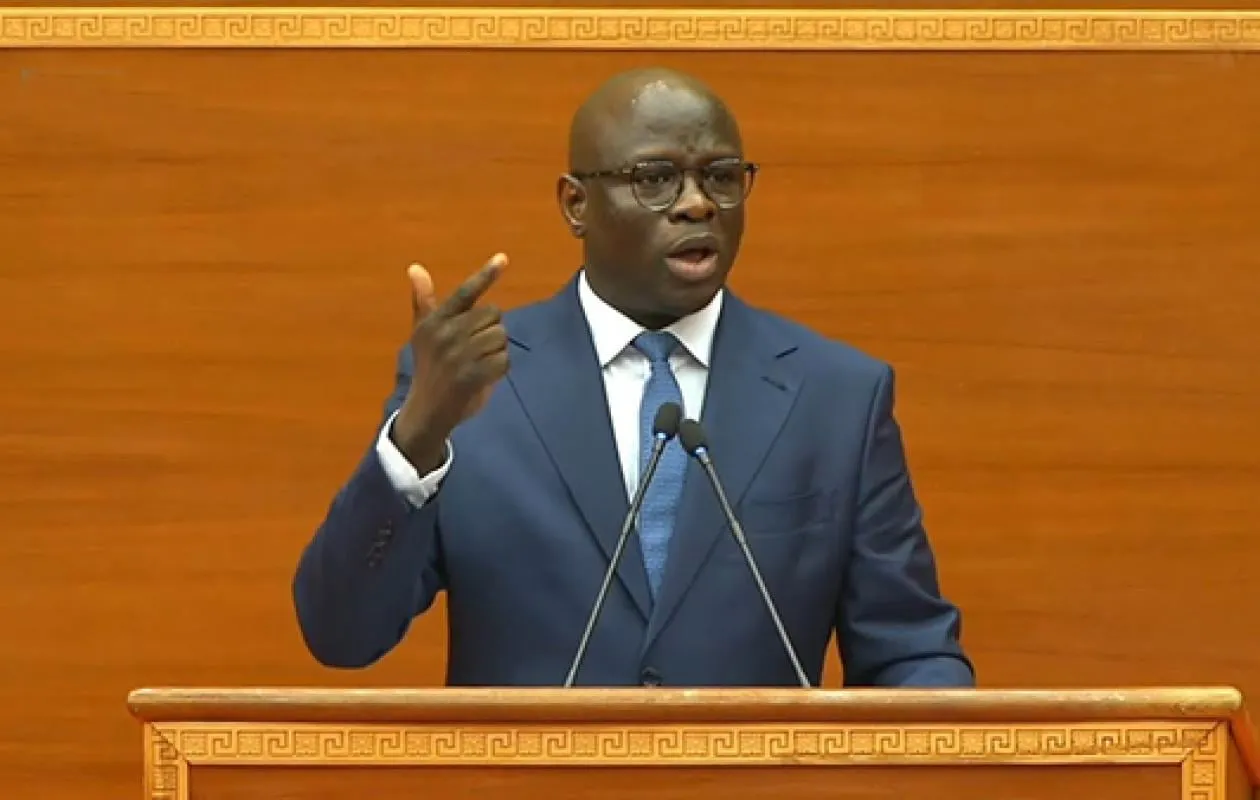
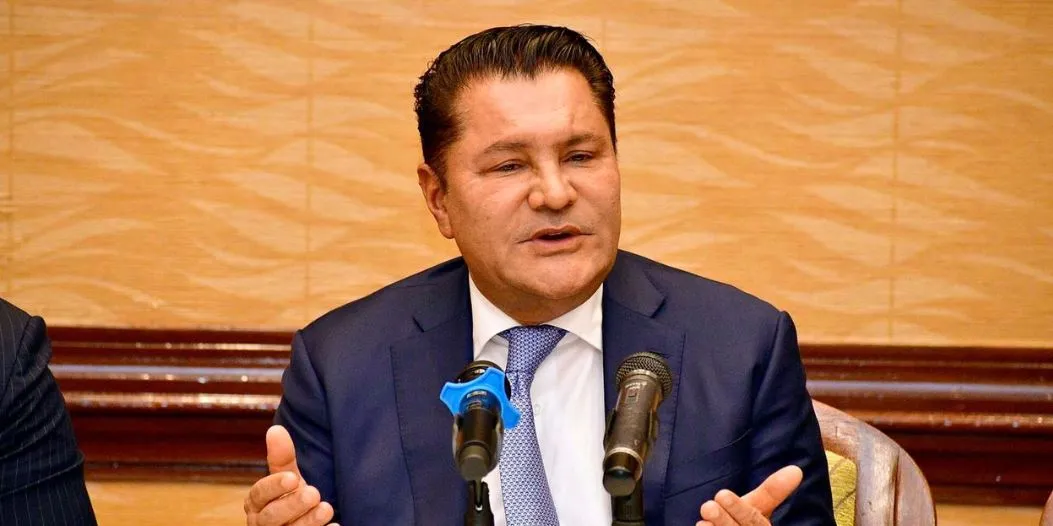
The bond rally gathered momentum following Finance Minister Cheikh Diba’s address to lawmakers on December 30, during which he stated that the government plans to finalize an IMF programme “very quickly.” Speaking during the examination of the second amending finance law at the National Assembly, Diba indicated that discussions with the Fund are progressing “very well,” with agreement already achieved on data corrections and further work ongoing on budget and debt issues.
A new IMF mission chief is scheduled to begin work in January 2026, providing continuity to ongoing negotiations and raising expectations that a new cooperation framework could be finalized in the coming weeks. The minister also emphasized that the current lack of a programme does not reflect any conflict with the international financial institution, noting that methodological adjustments and the consolidation of financial data were necessary to guarantee the country’s transparency and credibility.
Carmen Altenkirch, emerging markets sovereign analyst at Aviva Investors, noted the improving sentiment around Senegal’s debt situation. She observed that while Senegal had a difficult year in 2025, with bonds trading at levels that largely price in a restructure, the combination of a successful regional bond auction and the prospect of an IMF visit in January has created some optimism.
“If a credible IMF deal is done, and the government shows commitment to consolidation, then bonds could potentially go sub-10%, albeit we are still some way off from that,” Altenkirch added. The yield on the 2033 bond currently stands at 15.979%, reflecting the elevated risk premium that investors continue to demand for holding Senegalese sovereign debt.
The Scale of Senegal’s Hidden Debt Crisis
The fiscal crisis that has engulfed Senegal stems from the discovery of massive unreported liabilities following the election of President Bassirou Diomaye Faye in March 2024. The incoming government, led by Prime Minister Ousmane Sonko, ordered a comprehensive audit of public finances that revealed debt levels far exceeding what had been reported by the previous administration under President Macky Sall.
According to IMF estimates released in late 2024, Senegal’s public debt hit 132% of gross domestic product by the end of that year, a figure that represented a dramatic revision from previous estimates of around 80% of GDP just two years earlier. The IMF mission chief stated that he had “never seen a hidden debt of this magnitude” in Africa, underscoring the unprecedented scale of the fiscal discrepancies.
The Court of Auditors published its findings on February 12, 2025, confirming that the previous government had systematically understated key debt and deficit figures. The audit revealed that the actual debt-to-GDP ratio at end-2023 was approximately 99.7%, compared to the 74.4% that had been officially reported. Similarly, the fiscal deficit was revised upward from 4.9% to 12.3% of GDP, indicating a far more constrained fiscal position than previously understood.
The scale of the hidden debt, estimated at approximately $11 billion to $13 billion depending on the calculation methodology, has had severe consequences for Senegal’s access to international capital markets and its relationship with multilateral lenders. The discovery prompted the IMF to freeze its $1.8 billion Extended Credit Facility that had been agreed in June 2023, cutting off a critical source of concessional financing for the government.
Government Resistance to Debt Restructuring
Despite the severity of the fiscal challenges, the Senegalese government has consistently resisted calls for formal debt restructuring. Prime Minister Sonko told a rally in November 2025 that the IMF was pushing for Senegal to restructure its debt, but that his government was resisting such a move because it would be a “disgrace” for the country.
The political sensitivity around debt restructuring reflects both domestic considerations and concerns about regional financial stability. Senegal’s membership in the West African Economic and Monetary Union (WAEMU) means that any restructuring could have spillover effects on regional banks holding significant quantities of Senegalese debt, potentially destabilizing the broader West African financial system.
Charlie Robertson, head of macro strategy at FIM Partners, interpreted recent market developments as reflecting “optimism about an IMF deal, perhaps a holding operation that would not require a debt restructuring but would give time for Senegal to prove, or not, its ability to service its debt.” This perspective suggests that investors may be increasingly confident that Senegal can navigate its fiscal challenges without resorting to a formal debt restructuring.
The IMF has maintained that debt restructuring “remains a sovereign decision”, placing the ultimate choice with Senegalese authorities while making clear that any new lending programme would need to address fundamental questions about debt sustainability. The Fund is working with the World Bank to compile a new debt sustainability analysis that will inform the path forward.
Regional Market Success Amid International Market Exclusion
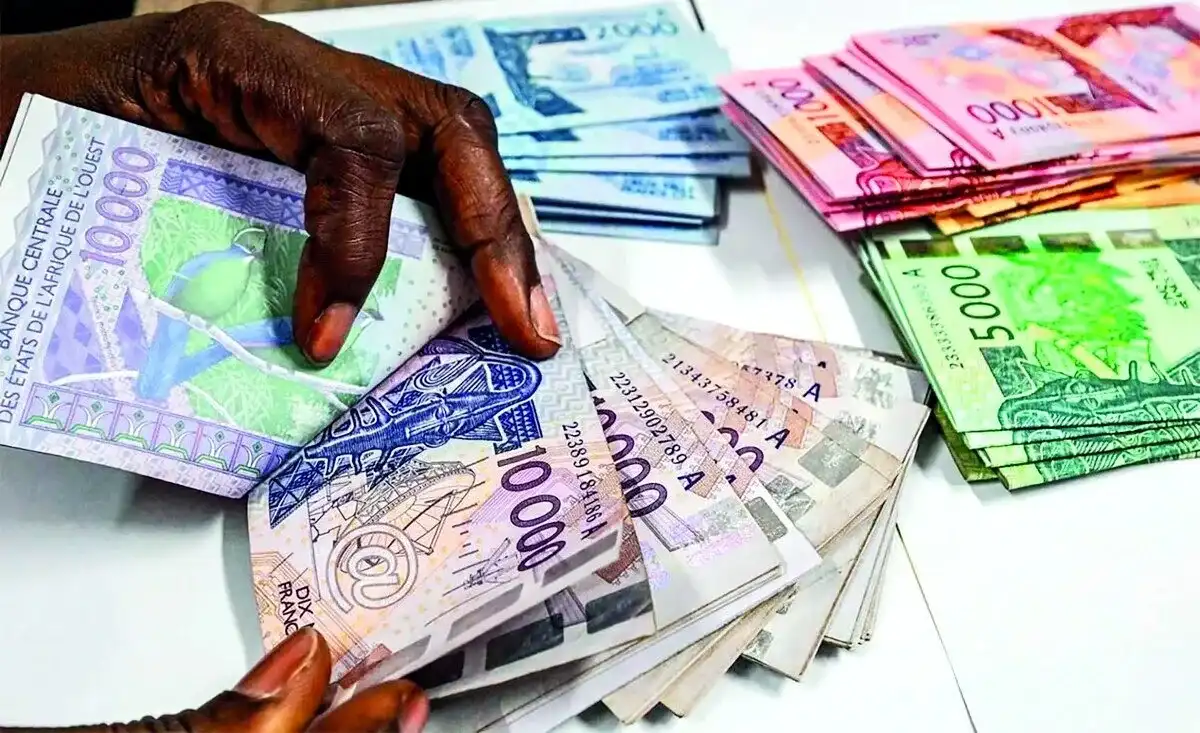
With access to international capital markets effectively closed due to elevated yields and multiple credit rating downgrades, Senegal has turned to regional debt markets to meet its financing needs. The strategy has proved remarkably successful, with the government raising substantial sums through the WAEMU public securities market operated by UMOA-Titres.
In its final bond sale of 2025, Senegal raised 560 billion CFA francs ($1 billion) in an oversubscribed regional offering, beating its target despite the extended timeline for the sale. Over the full year, the government raised 2.225 trillion CFA francs through auctions on UMOA-Titres and a further 1.779 trillion CFA francs through syndicated bond offerings.
The success of regional fundraising has been cited as evidence of continued confidence in Senegal’s economic prospects among West African investors. Since the start of 2025, the government has raised over $5 billion through the WAEMU regional bond market, approximately 12% of Senegal’s total $42 billion public debt. Regional investors, including pension funds, banks, and insurance companies, have consistently demonstrated strong demand for Senegalese securities.
The interest rates paid on regional bonds averaged around 7%, significantly lower than the double-digit yields that would have been required to access international markets through Eurobond issuance. This cost advantage has allowed the government to continue funding operations while working toward a resolution of its IMF relationship.
One decision can change your entire career. Take that step with our Online courses in ACCA, HESI A2, ATI TEAS 7, HESI EXIT, NCLEX-RN, NCLEX-PN, and Financial Literacy. Join Serrari Ed and start building your brighter future today.
Multiple Credit Rating Downgrades
The hidden debt scandal triggered a cascade of credit rating downgrades that have severely impacted Senegal’s international borrowing capacity. Moody’s downgraded Senegal’s sovereign credit rating three times in a twelve-month period, reducing the rating by four notches from Ba3 to Caa1 between October 2024 and October 2025.
The October 2025 downgrade by Moody’s triggered an immediate week-long sell-off in Senegal’s Eurobonds, leaving the country’s 16-year bond trading at a 40% discount to its face value. The Eurobonds due in 2048 dropped to approximately 72 cents on the dollar following the rating action.
The rating downgrades have been criticized by African institutions, including the African Peer Review Mechanism, which argued that Senegal’s voluntary disclosure of its revised debt figures should be recognized as a demonstration of good faith and transparency, rather than penalized through rating actions. The APRM expressed concern that punitive responses to transparency could discourage other sovereigns from adopting similarly open practices.
S&P Global Ratings also downgraded Senegal to CCC+ in November 2025, warning of further cuts if the government does not manage to refinance its debt. The cumulative effect of these downgrades has been to effectively shut Senegal out of international capital markets, forcing greater reliance on regional and domestic financing sources.
Oil and Gas Production Provides Economic Tailwind
Despite the fiscal challenges, Senegal’s economy has shown resilience, supported by the commencement of major oil and gas production. The IMF noted in an August 2025 visit that growth had accelerated to 12.1% year-on-year in the first quarter of 2025, driven by strong hydrocarbon sector expansion following the start of production at the Sangomar and GTA fields.
The Sangomar oil field, operated by Woodside Energy, is forecast to exceed initial production estimates, with output expected to reach 34.5 million barrels in 2025. The $5 billion project commenced production in June 2024, establishing Senegal as a new oil producer and providing a significant boost to government revenues.
Simultaneously, the Greater Tortue Ahmeyim (GTA) LNG project, a joint venture with Mauritania operated by BP, began LNG production in early 2025. The first cargo of liquefied natural gas was exported in April 2025, making both countries LNG exporters for the first time in their history. Phase 1 of the GTA project has an LNG production capacity of 2.4 million metric tons per year, with plans for expansion in subsequent phases.
The country’s GDP growth reached 6% in 2024, and the IMF has forecast a rise to 8.4% in 2025, driven primarily by hydrocarbon production. However, non-hydrocarbon growth remains subdued at 3.1% year-on-year, reflecting persistent challenges in the construction sector due to payment arrears and structural difficulties in chemical industries.
Debt Service Obligations Present Near-Term Challenges
While the outlook for IMF negotiations appears to be improving, Senegal faces significant near-term debt service obligations that will test its financing capacity. The government revised its projected debt repayments for 2026 upwards by 11% to 5.49 trillion CFA francs in October 2025, with additional large payments due in subsequent years.
According to analysis of the debt profile, Senegal’s debt service is expected to double in 2026, increasing from approximately $1.1 billion in 2025 to more than $2.2 billion. A significant portion of this increase is concentrated in a single payment of roughly $1.1 billion due in May 2026, largely linked to Eurobond maturities.
The country has approximately $7.7 billion outstanding in international capital markets, representing nearly a fifth of total debt. External debt exceeds $28 billion, split roughly equally between multilateral and government lenders on one side and commercial creditors on the other.
Officials in Dakar point to the government’s success in securing at least 70% of planned 2025 financing through regional and local retail markets as evidence of the economy’s resilience. However, investors note that upcoming external maturities will add pressure to resolve the IMF situation and unlock additional financing options.
Path Forward Depends on IMF Programme Design
The structure of any new IMF programme will be critical to determining Senegal’s fiscal trajectory. Market participants are watching closely to see whether a deal can be reached that avoids formal debt restructuring while still addressing the Fund’s concerns about debt sustainability and governance reforms.
The IMF communications director Julie Kozack confirmed in December 2025 that the Fund had made “significant progress” with Senegal toward a new loan programme. She noted that the IMF and Senegalese authorities are working intensively on the design of the new programme and the measures needed to address the root causes of the hidden debt.
The Fund has also launched an internal investigation into how it failed to detect billions of dollars in unreported debt during years of engagement with Senegal. This review may have implications for IMF surveillance practices across Africa and beyond.
For Senegal, the stakes of the current negotiations are immense. A successful IMF programme would restore access to concessional financing, potentially improve the country’s credit profile, and provide a framework for fiscal consolidation. Failure to reach agreement could trigger further rating downgrades, increase pressure for debt restructuring, and complicate the government’s ability to fund critical public services and development priorities.
Prime Minister Sonko has pledged to slash the budget deficit to just 3% by 2027 through revenue enhancement and expenditure control measures. In August 2025, he announced a new economic recovery plan, pledging to fund 90% of it from domestic resources and avoid additional external debt. The government has implemented new revenue measures, including levies on mobile money transactions, online gaming, tobacco, and alcoholic beverages.
Implications for African Sovereign Debt Markets
Senegal’s debt crisis has broader implications for African sovereign debt markets and the relationship between African governments and international financial institutions. The scale of hidden debt discovered in Senegal has intensified calls for improved debt transparency mechanisms across the continent.
The case has highlighted what some observers describe as systemic weaknesses in international debt surveillance. The IMF’s failure to detect the unreported borrowing over multiple years of engagement has raised questions about the adequacy of current monitoring frameworks and the need for automated creditor-debtor reconciliation systems.
At the same time, Senegal’s success in tapping regional capital markets has provided a potential model for other African countries seeking to reduce dependence on volatile international financing. The WAEMU regional bond market has demonstrated capacity to absorb significant issuance from member states, offering an alternative funding source during periods of international market stress.
As Senegal navigates the coming months of IMF negotiations and debt service obligations, the outcome will be watched closely by investors, policymakers, and other African governments facing similar fiscal pressures. The resolution of this crisis could set important precedents for how hidden debt revelations are handled and how African sovereigns engage with international creditors in an era of elevated debt levels across the continent.
Ready to take your career to the next level? Join our Online courses: ACCA, HESI A2, ATI TEAS 7 , HESI EXIT , NCLEX – RN and NCLEX – PN, Financial Literacy!🌟 Dive into a world of opportunities and empower yourself for success. Explore more at Serrari Ed and start your exciting journey today! ✨
Track GDP, Inflation and Central Bank rates for top African markets with Serrari’s comparator tool.
See today’s Treasury bonds and Money market funds movement across financial service providers in Kenya, using Serrari’s comparator tools.
photo source: Google
By: Montel Kamau
Serrari Financial Analyst
6th January, 2026
Article, Financial and News Disclaimer
The Value of a Financial Advisor
While this article offers valuable insights, it is essential to recognize that personal finance can be highly complex and unique to each individual. A financial advisor provides professional expertise and personalized guidance to help you make well-informed decisions tailored to your specific circumstances and goals.
Beyond offering knowledge, a financial advisor serves as a trusted partner to help you stay disciplined, avoid common pitfalls, and remain focused on your long-term objectives. Their perspective and experience can complement your own efforts, enhancing your financial well-being and ensuring a more confident approach to managing your finances.
Disclaimer: This article is for informational purposes only and does not constitute financial advice. Readers are encouraged to consult a licensed financial advisor to obtain guidance specific to their financial situation.
Article and News Disclaimer
The information provided on www.serrarigroup.com is for general informational purposes only. While we strive to keep the information up to date and accurate, we make no representations or warranties of any kind, express or implied, about the completeness, accuracy, reliability, suitability, or availability with respect to the website or the information, products, services, or related graphics contained on the website for any purpose. Any reliance you place on such information is therefore strictly at your own risk.
www.serrarigroup.com is not responsible for any errors or omissions, or for the results obtained from the use of this information. All information on the website is provided on an as-is basis, with no guarantee of completeness, accuracy, timeliness, or of the results obtained from the use of this information, and without warranty of any kind, express or implied, including but not limited to warranties of performance, merchantability, and fitness for a particular purpose.
In no event will www.serrarigroup.com be liable to you or anyone else for any decision made or action taken in reliance on the information provided on the website or for any consequential, special, or similar damages, even if advised of the possibility of such damages.
The articles, news, and information presented on www.serrarigroup.com reflect the opinions of the respective authors and contributors and do not necessarily represent the views of the website or its management. Any views or opinions expressed are solely those of the individual authors and do not represent the website's views or opinions as a whole.
The content on www.serrarigroup.com may include links to external websites, which are provided for convenience and informational purposes only. We have no control over the nature, content, and availability of those sites. The inclusion of any links does not necessarily imply a recommendation or endorsement of the views expressed within them.
Every effort is made to keep the website up and running smoothly. However, www.serrarigroup.com takes no responsibility for, and will not be liable for, the website being temporarily unavailable due to technical issues beyond our control.
Please note that laws, regulations, and information can change rapidly, and we advise you to conduct further research and seek professional advice when necessary.
By using www.serrarigroup.com, you agree to this disclaimer and its terms. If you do not agree with this disclaimer, please do not use the website.
www.serrarigroup.com, reserves the right to update, modify, or remove any part of this disclaimer without prior notice. It is your responsibility to review this disclaimer periodically for changes.
Serrari Group 2025