










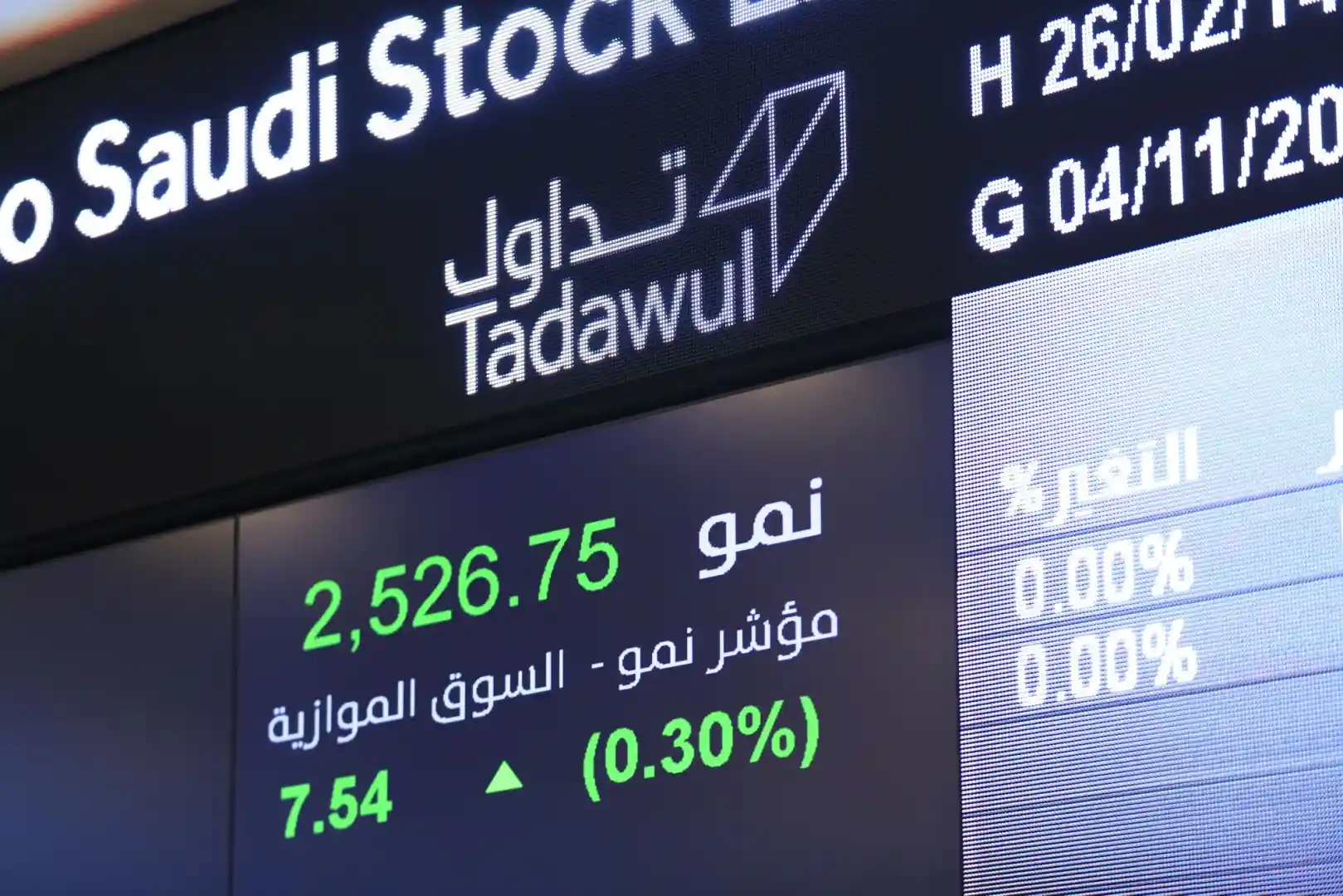
The Kingdom of Saudi Arabia has taken a landmark step toward financial market liberalization by announcing that all categories of foreign investors will gain direct access to its stock market starting February 1, 2026. The Capital Market Authority’s announcement represents one of the most significant regulatory transformations in the Kingdom’s financial history, effectively dismantling barriers that have restricted international participation for decades.
This sweeping regulatory overhaul marks a fundamental shift in how Saudi Arabia manages its capital markets. By eliminating the “Qualified Foreign Investor” (QFI) framework, the CMA is scrapping stringent requirements that previously restricted market entry to large institutional international entities. Under the old system, foreign investors needed to maintain at least $500 million in assets under management to qualify for direct market access, a threshold that effectively excluded smaller institutional investors and individual foreign participants.
The Main Market will now be open to non-resident foreign investors globally, removing the need for specific qualification hurdles and phasing out legacy “swap agreements” that denied investors direct ownership of shares. These swap arrangements, which provided only economic exposure to Saudi equities without conferring voting rights or legal title, represented a compromise solution that fell short of full market integration. The new framework allows foreign investors to hold direct legal title to Saudi shares, marking a complete departure from the indirect access mechanisms that have characterized the market since 2015.
Build the future you deserve. Get started with our top-tier Online courses: ACCA, HESI A2, ATI TEAS 7, HESI EXIT, NCLEX-RN, NCLEX-PN, and Financial Literacy. Let Serrari Ed guide your path to success. Enroll today.
Vision 2030 and Economic Diversification Imperatives
While the move represents a milestone in the Vision 2030 roadmap to diversify the economy away from oil dependence, analysts suggest the immediate market reaction may be measured. JP Morgan noted that the practical impact might be limited in the short term, as the majority of large-scale institutional players had already gained access under previous rules. However, the firm highlighted that the “true” catalyst investors are watching for involves a potential increase in foreign ownership limits, currently capped at 49% for most listed firms.
The Kingdom’s economic transformation agenda has taken on heightened urgency as global energy markets evolve and oil prices remain volatile. Saudi Arabia’s economy, which has historically derived approximately 40% of GDP from oil-related activities, faces the imperative of developing alternative revenue streams and attracting substantial foreign capital to fund ambitious development projects. The Vision 2030 framework, launched in 2016 by Crown Prince Mohammed bin Salman, envisions a comprehensive restructuring of the Saudi economy through diversification into sectors including tourism, technology, manufacturing, and financial services.
The capital market liberalization fits within a broader strategy that has included the establishment of special economic zones, privatization of state-owned enterprises, and regulatory reforms aimed at improving the business environment. Saudi Arabia’s investment now accounts for 32% of GDP, with non-oil fixed capital reaching 40%, according to Minister of Investment Khalid Al-Falih, demonstrating substantial progress in shifting the economic foundation.
Market Performance and Foreign Investment Trends
Despite a challenging 2025 where the Tadawul All-Share Index (TASI) benchmark fell 12.8%, foreign interest has shown resilience. The index closed 2025 at 10,491 points, representing the lowest annual close in three years and the largest percentage decline since 2015. The fourth quarter of 2025 proved particularly difficult, with the index dropping more than 1,000 points, or 8.8%, followed by a 7.2% decline in the second quarter.
However, beneath the headline numbers, foreign capital has continued flowing into Saudi markets. International investors’ ownership in the capital market exceeded SAR 590 billion ($157.3 billion) by the end of the third quarter of 2025, while international investment in the Main Market reached approximately SAR 519 billion during the same period, compared to SAR 498 billion at the end of 2024. This represents sustained growth in foreign participation despite broader market headwinds.
The market’s underperformance relative to global emerging market benchmarks has created a valuation opportunity that may attract bargain-hunting international investors once the new rules take effect. While the MSCI Emerging Markets Index gained approximately 25% in 2025, Saudi Arabia’s market declined, creating a significant performance gap. Excluding major players like Saudi Aramco and SABIC from calculations, however, the market has shown approximately 7% profit growth, suggesting underlying strength in select sectors.
Phased Liberalization Strategy
This week’s announcement represents the culmination of a “phased” strategy that the CMA has pursued to avoid market disruption while progressively opening to international capital. In July 2025, the authority approved measures to simplify procedures for opening and operating investment accounts for certain categories of investors, including natural foreign investors residing in Gulf Cooperation Council countries and those who had previously lived in Saudi Arabia or other GCC states. This interim phase was designed to test operational systems and gauge market response before full liberalization.
The gradualist approach has also included opening real estate-linked firms in Mecca and Medina to foreigners and establishing exchange-traded funds with partners in Japan and Hong Kong. These ETF partnerships have created channels for international investors to gain exposure to Saudi equities through familiar investment vehicles, building familiarity and confidence in the market.
The strategy reflects lessons learned from other emerging markets that have liberalized their capital accounts. Sudden, comprehensive opening can lead to volatile capital flows and market instability, while measured progression allows time for institutional development, regulatory capacity building, and market participant adaptation. The Saudi approach has prioritized stability while steadily reducing barriers to foreign participation.
Technical Details of the Regulatory Framework
Under the newly approved amendments, the CMA has eliminated the concept of the Qualified Foreign Investor in the Main Market, thereby allowing all categories of foreign investors to access the market without needing to meet qualification requirements. The amendments also abolished the regulatory framework governing swap agreements, which previously allowed non-resident foreign investors to gain only economic exposure to listed securities rather than direct ownership.
The regulatory changes mean that starting February 1, 2026, any foreign investor—whether institutional or individual—can establish an investment account with a CMA-licensed broker and begin trading Saudi equities directly. This represents a democratization of access that extends market participation far beyond the elite tier of global institutional investors who previously dominated foreign investment in Saudi stocks.
The approved amendments align with the CMA’s stated goal of positioning the Saudi capital market as an international marketplace capable of attracting greater flows of foreign capital. By removing artificial restrictions on who can participate, the Kingdom aims to tap into the vast pools of global savings seeking investment opportunities in emerging markets with strong growth prospects.
The Critical Question of Ownership Limits
While the elimination of investor qualification requirements represents significant progress, market analysts emphasize that the 49% foreign ownership cap remains the more consequential constraint on international capital flows. This aggregate limit on foreign ownership of any listed Saudi company restricts the weight that Saudi stocks can carry in global benchmark indices, which in turn limits passive fund flows that track these indices.
JP Morgan’s analysis suggests that the key regulatory change investors are expecting involves modifications to these ownership limits, which could have substantial positive impact on the market. The investment bank indicated it does not expect such changes before the second half of 2026 or later, suggesting a continued phased approach to full market liberalization.
According to Jefferies International, a foreign ownership limit increase from the current 49% to a range of 60% to 100% could attract between $3.4 billion and $10.2 billion of passive inflows from MSCI and FTSE index trackers. JP Morgan has separately estimated that lifting the cap to 100% could attract an additional $10.6 billion into Saudi equities.
Abdulaziz Abdulmohsen Bin Hassan, a member of the CMA’s five-person board, indicated in September 2025 that the Authority was close to approving a major amendment to raise the cap on foreign ownership in listed companies. He suggested the decision could come into effect before year-end, though as of January 2026, no such change has been announced, indicating the complexity of coordinating such reforms across government entities.
One decision can change your entire career. Take that step with our Online courses in ACCA, HESI A2, ATI TEAS 7, HESI EXIT, NCLEX-RN, NCLEX-PN, and Financial Literacy. Join Serrari Ed and start building your brighter future today.
Market Reaction and Immediate Impact
The Saudi stock market responded positively to Tuesday’s announcement, with the Tadawul All Share Index climbing as much as 2.5% on Wednesday, marking its biggest intraday gain since September. Banking and energy stocks led the rally, with Al Rajhi Bank rising 2.1% and state oil giant Saudi Aramco adding 1.1%. Shares of Saudi exchange operator Tadawul Group surged as much as 7%, its sharpest upward move since late September.
The market reaction, while positive, was not overwhelming—reflecting analyst assessments that the near-term impact may be constrained by the fact that most large institutional investors already had market access under the QFI regime. The enthusiasm was tempered by recognition that more significant catalysts, particularly changes to ownership limits, remain on the horizon.
Foreign investors have maintained steady interest in Saudi equities despite market challenges. In August 2025, foreigners accounted for 35% of all stock purchases on the exchange, demonstrating sustained international appetite for Saudi exposure even during a difficult market period. However, this increased foreign share has come amid declining overall market turnover, suggesting that international money is capturing a larger portion of a contracting market.
Strategic Context and Fiscal Pressures
Saudi Arabia’s push for foreign investment inflows has taken on greater urgency as elevated government spending and weaker oil revenues deepen budget deficits, raising concerns over the pace of domestic investment and funding for large-scale development projects. The Saudi Cabinet approved total government expenditures of SAR 1.31 trillion for 2026, while total revenues were estimated at SAR 1.15 trillion, resulting in an expected budget deficit of SAR 165.4 billion.
The Kingdom faces a challenging fiscal equation. With Brent crude prices trading well below the estimated breakeven price needed to balance the budget, and with ambitious Vision 2030 projects requiring substantial capital investment, attracting foreign investment has become not merely desirable but strategically essential. The International Monetary Fund projects Saudi GDP growth of approximately 4% in both 2025 and 2026, supported by non-oil sector expansion and government reforms.
The resilience shown in 2025 underscores progress already achieved in reducing the economy’s exposure to oil price fluctuations. Despite oil prices falling nearly 30% below their 2022 peak, the non-oil economy maintained strong momentum, reflecting the impact of Vision 2030 reforms. Diversification gaps with emerging markets have narrowed, and the business environment now rivals that of advanced economies in many respects.
Standard Chartered Global Research expects Saudi Arabia’s gross domestic product to expand by 4.5% in 2026, outpacing the projected global growth average of 3.4%. This optimistic forecast is tempered by recognition of elevated downside risks to oil prices and geopolitical uncertainties that could affect regional stability and investor confidence.
Implications for Capital Market Development
The regulatory changes approved by the CMA are expected to have far-reaching implications for the development of Saudi Arabia’s capital markets. By broadening the investor base to include smaller institutional investors, family offices, and high-net-worth individuals from around the world, the reforms should enhance market liquidity and potentially reduce volatility by diversifying the participant base.

Increased foreign participation is also expected to drive improvements in corporate governance standards. Global institutional investors typically demand high levels of transparency, independent board representation, and standardized financial reporting. Their presence as significant shareholders can push Saudi companies to adopt international best practices in disclosure, risk management, and environmental, social, and governance (ESG) considerations.
The reforms support the Kingdom’s ambition to position Tadawul as a premier regional financial center capable of competing with established markets in Dubai, Abu Dhabi, and other Gulf financial hubs. With market capitalization exceeding $2.3 trillion, Saudi Arabia already operates the Middle East’s largest equity market. Removing artificial constraints on foreign participation should help the market realize its full potential as a conduit for capital allocation across the region.
Challenges and Opportunities Ahead
Despite the positive reforms, significant challenges remain. The Saudi market’s performance in 2025 highlighted vulnerabilities including exposure to oil price volatility, sensitivity to geopolitical developments, and concerns about the sustainability of government spending levels. Only 26 stocks rose during 2025, while 205 declined, indicating broad-based weakness that extended beyond headline indices.
Several events affected market performance in 2025, including trade tensions following the United States’ decision to impose tariffs after Donald Trump’s second-term inauguration, and Federal Reserve interest rate policies that rippled through emerging markets. The Saudi Central Bank followed the Federal Reserve in cutting rates three times during 2025, though projections for 2026 suggest a more cautious approach with only one anticipated rate cut.
Sector performance in 2025 was highly divergent. All sectors declined except telecommunications and information technology, which saw an increase of over 11% year-on-year. The media and entertainment sector reported the largest decline at 49%, followed by utilities at 47%, consumer durables at 35%, and basic materials at 11%. The banking sector saw the smallest decline at just 0.1%, demonstrating relative resilience.
Looking forward, the true test of the reforms will be whether they succeed in attracting sustained foreign capital inflows that support market liquidity and valuations. The reforms create necessary conditions for increased international participation, but success will ultimately depend on Saudi companies delivering strong financial performance, the broader economic transformation progressing as envisioned, and regional stability being maintained.
IPO Pipeline and Market Development
The reforms come at a time when Saudi Arabia is experiencing renewed interest in initial public offerings. In December 2025, the CEO of the Saudi stock exchange revealed that 40 companies had applied to go public, with the number of IPO hopefuls potentially climbing to as many as 100. This pipeline of new listings represents potential opportunities for foreign investors to participate in Saudi corporate growth stories from an early stage.

The combination of improved market access for foreign investors and a robust IPO pipeline could create a virtuous cycle. Greater foreign participation should improve liquidity and potentially support higher valuations, making public listings more attractive for Saudi companies. In turn, a steady flow of quality IPOs provides foreign investors with fresh investment opportunities and supports sustained interest in the market.
Fifteen companies were listed and began trading on the Main Market during 2025, with varying subscription coverage. The year also saw two IPOs that were not fully covered by individual investors, suggesting that market conditions and company-specific factors significantly influence offering success. The expanded foreign investor base created by the new regulations should provide additional demand for future offerings.
Regional Context and Competitive Dynamics
The Saudi reforms must be understood within the broader context of Gulf Cooperation Council financial market development. The UAE, particularly Dubai and Abu Dhabi, has aggressively positioned itself as a regional financial center, attracting international firms and investors through favorable regulations, tax incentives, and world-class infrastructure. Qatar has also pursued capital market development as part of its economic diversification strategy.
Saudi Arabia’s reforms represent an effort to ensure that the Kingdom, with its larger economy and market capitalization, maintains its position as the region’s preeminent financial market. The establishment of ETFs with partners in Japan and Hong Kong reflects recognition that competing for international capital requires offering multiple access channels tailored to different investor preferences and regulatory requirements.
The broader Middle East and North Africa region has seen varying degrees of capital market liberalization, with some markets remaining relatively closed while others have embraced international participation. Saudi Arabia’s reforms place it among the more progressive markets in the region in terms of foreign access, though certain restrictions—particularly the 49% ownership cap—keep it short of full liberalization.
Conclusion: A Milestone in Saudi Arabia’s Financial Evolution
The Capital Market Authority’s decision to eliminate foreign investor qualification requirements represents a watershed moment in Saudi Arabia’s financial market development. By opening the Main Market to all categories of foreign investors without restrictions based on assets under management or institutional status, the Kingdom has taken a decisive step toward integrating its capital markets with global financial systems.
The reforms align with the broader Vision 2030 transformation agenda, which recognizes that achieving ambitious economic diversification goals requires substantial foreign capital investment. While immediate market impact may be modest given that large institutional investors already had access, the longer-term implications for market development, corporate governance, and capital allocation could be profound.
Critical questions remain, particularly regarding the timeline for potential changes to the 49% foreign ownership cap, which many analysts view as the more significant constraint on international capital flows. The CMA’s phased approach to liberalization suggests that further reforms are likely, though the pace and scope remain subject to broader policy coordination across Saudi government entities.
For international investors, the reforms create new opportunities to participate directly in the growth story of the Middle East’s largest economy. The combination of improved market access, a robust IPO pipeline, progress on economic diversification, and attractive valuations following 2025’s market decline presents a compelling, if complex, investment case. Success will depend on Saudi Arabia’s ability to sustain economic transformation momentum, maintain regional stability, and continue enhancing the institutional framework supporting its capital markets.
As Saudi Arabia positions itself for a post-oil future, the opening of its stock market to global investors represents not merely a technical regulatory change but a strategic commitment to integration with international capital markets. The massive capital inflows required to fund Vision 2030’s ambitious projects—from futuristic megacities to renewable energy infrastructure—necessitate tapping global savings pools. By removing barriers to foreign participation, the Kingdom has signaled its readiness to compete for international capital on increasingly level terms with other major emerging markets.
The coming months will reveal whether these regulatory changes translate into sustained foreign investment flows and improved market performance. The February 1, 2026, implementation date marks the beginning of a new chapter in Saudi capital market history—one in which success will be measured not by announcements and regulatory frameworks but by actual capital deployment, market liquidity, corporate performance, and ultimately, the Kingdom’s progress toward its transformative economic vision.
Ready to take your career to the next level? Join our Online courses: ACCA, HESI A2, ATI TEAS 7 , HESI EXIT , NCLEX – RN and NCLEX – PN, Financial Literacy!🌟 Dive into a world of opportunities and empower yourself for success. Explore more at Serrari Ed and start your exciting journey today! ✨
Track GDP, Inflation and Central Bank rates for top African markets with Serrari’s comparator tool.
See today’s Treasury bonds and Money market funds movement across financial service providers in Kenya, using Serrari’s comparator tools.
Photo source: Google
By: Montel Kamau
Serrari Financial Analyst
8th January, 2026
Article, Financial and News Disclaimer
The Value of a Financial Advisor
While this article offers valuable insights, it is essential to recognize that personal finance can be highly complex and unique to each individual. A financial advisor provides professional expertise and personalized guidance to help you make well-informed decisions tailored to your specific circumstances and goals.
Beyond offering knowledge, a financial advisor serves as a trusted partner to help you stay disciplined, avoid common pitfalls, and remain focused on your long-term objectives. Their perspective and experience can complement your own efforts, enhancing your financial well-being and ensuring a more confident approach to managing your finances.
Disclaimer: This article is for informational purposes only and does not constitute financial advice. Readers are encouraged to consult a licensed financial advisor to obtain guidance specific to their financial situation.
Article and News Disclaimer
The information provided on www.serrarigroup.com is for general informational purposes only. While we strive to keep the information up to date and accurate, we make no representations or warranties of any kind, express or implied, about the completeness, accuracy, reliability, suitability, or availability with respect to the website or the information, products, services, or related graphics contained on the website for any purpose. Any reliance you place on such information is therefore strictly at your own risk.
www.serrarigroup.com is not responsible for any errors or omissions, or for the results obtained from the use of this information. All information on the website is provided on an as-is basis, with no guarantee of completeness, accuracy, timeliness, or of the results obtained from the use of this information, and without warranty of any kind, express or implied, including but not limited to warranties of performance, merchantability, and fitness for a particular purpose.
In no event will www.serrarigroup.com be liable to you or anyone else for any decision made or action taken in reliance on the information provided on the website or for any consequential, special, or similar damages, even if advised of the possibility of such damages.
The articles, news, and information presented on www.serrarigroup.com reflect the opinions of the respective authors and contributors and do not necessarily represent the views of the website or its management. Any views or opinions expressed are solely those of the individual authors and do not represent the website's views or opinions as a whole.
The content on www.serrarigroup.com may include links to external websites, which are provided for convenience and informational purposes only. We have no control over the nature, content, and availability of those sites. The inclusion of any links does not necessarily imply a recommendation or endorsement of the views expressed within them.
Every effort is made to keep the website up and running smoothly. However, www.serrarigroup.com takes no responsibility for, and will not be liable for, the website being temporarily unavailable due to technical issues beyond our control.
Please note that laws, regulations, and information can change rapidly, and we advise you to conduct further research and seek professional advice when necessary.
By using www.serrarigroup.com, you agree to this disclaimer and its terms. If you do not agree with this disclaimer, please do not use the website.
www.serrarigroup.com, reserves the right to update, modify, or remove any part of this disclaimer without prior notice. It is your responsibility to review this disclaimer periodically for changes.
Serrari Group 2025