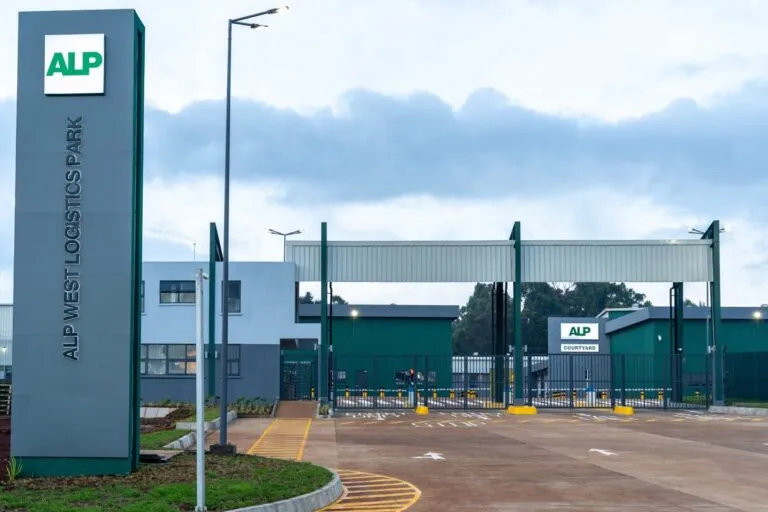
The Private Infrastructure Development Group (PIDG) has strategically positioned itself as the anchor investor in Kenya’s industrial property market with a Sh1.95 billion ($15 million) commitment to the Africa Logistics Properties Industrial Real Estate Investment Trust (ALP iREIT). This landmark investment, announced through PIDG’s project development arm InfraCo, marks a pivotal moment for Kenya’s evolving warehousing and logistics infrastructure as the country positions itself as East Africa’s premier industrial hub.
The investment comes at a crucial time when Kenya’s industrial real estate sector is experiencing unprecedented growth, driven by expanding e-commerce operations, increasing manufacturing activities, and the country’s strategic role as a gateway to the broader East African market. The ALP REIT, which received regulatory approval from the CMA in December 2025, represents East Africa’s first industrial-focused income Real Estate Investment Trust and the region’s first-ever USD-denominated REIT listing on the Nairobi Securities Exchange.
Build the future you deserve. Get started with our top-tier Online courses: ACCA, HESI A2, ATI TEAS 7, HESI EXIT, NCLEX-RN, NCLEX-PN, and Financial Literacy. Let Serrari Ed guide your path to success. Enroll today.
Breaking New Ground in East African Real Estate Finance
The ALP Industrial REIT stands out as a pioneering financial instrument in the East African capital markets landscape. Structured as an Income Real Estate Investment Trust (I-REIT), the vehicle is legally mandated to distribute at least 80 percent of its distributable income to unit holders, offering investors stable dollar-denominated returns in an environment where currency volatility has historically been a concern for international and local institutional investors alike.
Africa Logistics Properties Holdings Limited (ALPH) has received authorization to issue up to 45 million units priced at $1 per unit, with the offering divided into two primary components. The property exchange will see 15 million units issued to ALPH in exchange for transferring existing assets into the REIT structure, while the restricted offer makes 30 million units available to prospective investors, featuring a “green shoe” option of an additional 30 percent to accommodate over-subscription demand.
The restricted offer opened on December 17, 2025, and is scheduled to close on February 27, 2026, with trading on the NSE expected to commence on March 11, 2026. This timeline has been carefully structured to allow institutional investors, particularly pension funds and insurance companies, adequate time to conduct due diligence and secure internal approvals for participation.
PIDG’s Strategic Role as Catalyst for Institutional Investment
PIDG’s decision to serve as anchor investor reflects the organization’s broader mandate to mobilize private capital into sustainable infrastructure across emerging markets. Since its establishment in 2002, PIDG has supported 258 infrastructure projects to financial close, mobilizing $29.8 billion in private sector investment and supporting new or improved infrastructure for 232 million people across sub-Saharan Africa and South and Southeast Asia.
Claire Jarratt, Head of Investment Management at InfraCo (PIDG), emphasized the organization’s familiarity with REIT structures in Kenya, noting that PIDG has previously anchored the establishment of REITs for affordable housing in Nairobi. “We are delighted to expand this expertise into the industrial sector,” Jarratt stated, highlighting how the REIT structure has proven effective in attracting institutional capital while supporting critical infrastructure development.
The investment is particularly significant given PIDG’s track record in Kenya’s infrastructure development. The organization has been instrumental in supporting various credit enhancement facilities and infrastructure financing mechanisms across East Africa, including its recent anchor investment in Dhamana Guarantee Company, which aims to unlock local currency financing for sustainable infrastructure projects in the region.
Unlocking Institutional Capital for Industrial Infrastructure
One of the primary objectives of PIDG’s investment is to build confidence among institutional investors to diversify their portfolios into the infrastructure asset class. Kenya’s pension funds, insurance companies, and mutual funds collectively manage hundreds of billions of shillings in assets, yet allocation to real estate investment trusts has historically been limited due to various structural challenges.
According to data from the Retirement Benefits Authority, pension schemes can invest up to 10 percent of their total assets under management in debt instruments for financing infrastructure or affordable housing projects. However, investments in Real Estate Investment Trusts increased by only 4.5 percent to Kshs 11.1 billion in the first half of 2024 from Kshs 10.6 billion in the corresponding period of 2023, indicating significant untapped potential.
The ALP REIT’s structure addresses several barriers that have previously deterred institutional investment. By offering USD-denominated returns, the REIT mitigates currency risk concerns that have historically made Kenyan real estate investments less attractive to international investors and local institutions with dollar-denominated liabilities. Additionally, the REIT’s focus on Grade A industrial assets with existing tenants and proven cash flows reduces the investment risk profile compared to greenfield development projects.
Raghav Gandhi, Chief Executive Officer of Africa Logistics Properties, explained that the REIT will increase institutional investors’ confidence to diversify into infrastructure assets while supporting the growth of Kenya’s industrial real estate sector. “The transaction will offer investors stable USD income while supporting the growth of institutional-grade industrial assets in the region,” Gandhi noted, adding that the listing strengthens ALPH’s regional expansion strategy.
Premium Assets Driving Value Creation
The REIT’s initial seed assets comprise premier industrial locations that are already setting efficiency benchmarks in Kenya’s logistics sector. ALP North Park in Tatu City encompasses 35,000 square meters of Grade A warehousing facilities, strategically positioned within Kenya’s first operational Special Economic Zone. The development benefits from Tatu City’s comprehensive infrastructure, including 24/7 power and water supply, advanced security systems, and proximity to major transport corridors.
ALP West in Tilisi features 20,000 square meters of specialized industrial space designed to accommodate diverse manufacturing and distribution operations. Both facilities have been developed to meet international standards for modern warehousing, incorporating features such as wide internal roads for seamless transportation, integrated office and ablution facilities, comprehensive fire safety systems, and energy-efficient lighting.
The strategic locations of these assets reflect careful consideration of Kenya’s evolving logistics landscape. Tatu City, located just 25 kilometers from Nairobi’s Central Business District, has emerged as a prime location for industrial development. The KES 2.5 billion Link Warehousing & Logistics Park at Tatu City has already created over 1,000 jobs and attracted businesses ranging from Swiss-based Bakels East Africa to family-owned pasta producer Novis PLC, demonstrating strong market demand for modern industrial facilities.
Businesses operating within Tatu City’s Special Economic Zone benefit from attractive fiscal incentives, including a reduced corporate tax rate of 10 percent for the first decade, 15 percent for the subsequent decade compared to the standard 30 percent rate, VAT zero-rating on goods and services, and exemptions on import duty and stamp duty. These incentives significantly enhance the operating economics for tenants, supporting higher occupancy rates and rental sustainability for REIT investors.
Sustainability and Environmental Performance
A distinguishing feature of ALP’s warehousing facilities is their certification under IFC EDGE standards, which focus on Excellence in Design for Greater Efficiencies. The EDGE certification system, developed by the International Finance Corporation, requires buildings to demonstrate at least 20 percent savings in energy consumption, water usage, and embodied energy in construction materials.
Kenya has experienced rapid adoption of EDGE certification, surpassing one million square meters of certified green building floor space in March 2025. This milestone reflects growing awareness among developers and investors about the economic and environmental benefits of resource-efficient construction. For tenants, EDGE-certified facilities translate into lower operating costs through reduced energy and water consumption, improved indoor environmental quality that enhances worker productivity, and alignment with corporate sustainability commitments.
The sustainability credentials of ALP’s facilities position the REIT favorably to attract multinational corporations and organizations with environmental, social, and governance (ESG) investment mandates. As global supply chains increasingly prioritize sustainability, access to green-certified warehousing infrastructure provides tenants with a competitive advantage in meeting customer expectations and regulatory requirements.
The ALP REIT has also been admitted to the NSE’s Sustainable Finance Centre of Excellence, a program funded by FSD Kenya to support green issuances and sustainable capital market instruments. This admission reflects the REIT’s commitment to transparency in environmental reporting and alignment with international standards for sustainable finance.
Addressing Kenya’s Critical Infrastructure Gap
Kenya’s logistics and warehousing market has been experiencing robust growth, driven by multiple structural factors. In 2023, the logistics services sector accounted for approximately 12 percent of Kenya’s GDP, driven by enhanced transportation networks and modern warehousing facilities. The sector has witnessed growth particularly noticeable in urban and industrial areas where improved infrastructure has facilitated smoother logistics operations.
The rapid expansion of e-commerce in Kenya has been a major catalyst for warehousing demand. With the e-commerce sector growing by 20 percent in 2023, there has been increased need for efficient logistics solutions to handle the surge in online orders. Warehousing facilities have expanded to accommodate storage and quick distribution of goods, particularly in major urban centers where last-mile delivery efficiency is critical.
Despite this growth, Kenya faces a significant supply-demand imbalance for modern, Grade A warehousing facilities. Much of the existing warehouse stock consists of Grade C facilities or “godowns” – basic open yard warehouses that lack the infrastructure, security, and operational efficiency required by modern logistics operations. The shortage of institutional-grade facilities has created bottlenecks in supply chains, increased logistics costs, and limited the ability of businesses to scale operations efficiently.
The Kenya Logistics and Warehousing Market is projected to experience significant expansion in coming years. According to industry research, the market is anticipated to register a CAGR of around 7.10 percent during the forecast period through 2032, with the nation’s emphasis on improving industrialization and manufacturing facilities, along with the flourishing e-commerce sector, driving growth.
Strategic Regional Positioning
Kenya’s strategic location as a gateway to East and Central Africa has solidified its role as a key logistics hub in the region. The country serves as the primary entry point for goods destined for landlocked neighbors including Uganda, Rwanda, South Sudan, and eastern Democratic Republic of Congo. This regional positioning creates consistent demand for warehousing and distribution facilities that can efficiently serve cross-border trade.
The government’s infrastructure investments have further enhanced Kenya’s logistics competitiveness. The Standard Gauge Railway connecting Mombasa to Nairobi and extending to Naivasha has reduced cargo transit times and costs, making Kenya more attractive for regional distribution operations. Ongoing port expansion at Mombasa and the development of the Lamu Port-South Sudan-Ethiopia-Transport (LAPSSET) Corridor promise to further strengthen Kenya’s position as East Africa’s logistics nerve center.
Manufacturing sector growth under Kenya’s economic development blueprint has also fueled demand for industrial warehousing. The government’s focus on value addition and export-oriented manufacturing has attracted both local and international companies seeking to establish production facilities. These manufacturers require modern warehousing for raw materials storage, work-in-progress inventory, and finished goods distribution, creating sustained demand for facilities like those in the ALP REIT portfolio.
One decision can change your entire career. Take that step with our Online courses in ACCA, HESI A2, ATI TEAS 7, HESI EXIT, NCLEX-RN, NCLEX-PN, and Financial Literacy. Join Serrari Ed and start building your brighter future today.
Institutional Investor Appetite and Market Dynamics
The timing of the ALP REIT launch coincides with growing institutional investor interest in alternative assets that can provide inflation protection and steady income streams. Pension funds in Kenya have allocated significant portions of their portfolios to bills and bonds, but face pressure to diversify into assets that can deliver superior risk-adjusted returns over the long term.
Real Estate Investment Trusts offer pension funds several advantages compared to direct property investment. REITs provide liquidity through exchange trading, eliminating the challenges of buying and selling individual properties. Professional management by licensed REIT managers reduces the operational burden on pension fund trustees. Diversification across multiple properties within a single REIT investment reduces concentration risk. Regular income distributions support pension funds’ obligations to pay member benefits.
However, Kenya’s REIT market has faced challenges in attracting institutional capital at scale. High minimum capital requirements of Kshs 100 million for REIT trustees, compared to Kshs 10 million for pension fund trustees, have limited trustee options primarily to major banks. Steep minimum subscription amounts of Kshs 5 million for restricted Income REITs have excluded smaller institutional investors. Limited investor education about REIT structures and performance characteristics has slowed uptake.
The ALP REIT addresses some of these constraints through its structure and PIDG’s anchor investment. The presence of a credible development finance institution as anchor investor provides validation and reduces perceived risk for other institutional participants. The USD denomination eliminates currency risk that has deterred some international and diaspora investors. The focus on a single asset class (industrial/logistics) with clear performance drivers makes investment evaluation more straightforward compared to mixed-use REITs.
Professional Advisory and Governance Structure
The ALP REIT benefits from a comprehensive governance structure and professional advisory framework designed to protect investor interests and ensure operational excellence. ALP REIT Management Ltd, which received regulatory approval from the CMA on November 3, 2025, serves as the REIT manager responsible for day-to-day operations, asset acquisition and disposal decisions, tenant relationship management, and financial reporting.
Co-operative Bank of Kenya Limited acts as the REIT trustee, providing custodial services and ensuring compliance with regulatory requirements and the trust deed. The trustee’s role includes safeguarding REIT assets, monitoring the manager’s performance, protecting unit holder interests, and ensuring distributions are made in accordance with the trust deed and regulations.
Dyer & Blair Investment Bank serves as transaction adviser, sponsoring broker, and lead placing agent, bringing deep capital markets expertise to the offering structure and investor outreach. Legal advisory services are provided by Coulson Harney LLP, one of Kenya’s leading corporate law firms with extensive experience in capital markets transactions. Deloitte & Touche LLP has been appointed as reporting accountant and auditor, ensuring financial reporting meets international standards.
CBRE Excellerate Valuation Services Kenya Ltd, a recognized property valuation firm, provides independent property valuations to ensure asset pricing reflects fair market value. Image Registrars Ltd serves as the REIT securities registrar, maintaining the register of unit holders and facilitating distributions and corporate actions.
This professional infrastructure provides institutional investors with confidence that the REIT will be managed according to best practices and in compliance with all regulatory requirements. The separation of trustee and manager functions, independent valuation, and professional audit create checks and balances that protect investor interests.
Comparative Context: Kenya’s REIT Market Evolution
The ALP REIT enters a Kenyan REIT market that has shown promise but faced significant headwinds. Kenya currently has four authorized REITs, but performance has been mixed. LAPTRUST Imara I-REIT, launched in March 2023 as Kenya’s first pension-scheme sponsored REIT, has delivered strong performance with a 46 percent rental income increase to KSh 579.2 million and 44 percent net profit growth to KSh 353.8 million in 2024.
However, other REITs have struggled. ILAM Fahari I-REIT traded at Kshs 11.0 per share as of January 2025, representing a 45 percent loss from the Kshs 20.0 inception price since its November 2015 launch. Limited trading volumes and lack of secondary market liquidity have made it difficult for investors to realize returns through capital appreciation.
Several factors have constrained REIT market development in Kenya. Insufficient investor understanding of the REIT structure and its benefits has limited demand. Lengthy approval procedures for establishing REITs have deterred potential issuers. The limited number of entities capable of serving as REIT trustees has reduced competition and potentially increased costs. High minimum subscription amounts have excluded retail investors and smaller institutions.
The ALP REIT’s USD denomination represents an innovation that could address some market constraints. By eliminating foreign exchange risk, the structure should appeal to international investors, diaspora Kenyans, and local institutions with dollar exposures. The industrial focus provides clear performance drivers tied to measurable economic factors like manufacturing output, trade volumes, and e-commerce growth. PIDG’s anchor investment provides credibility and demonstrates confidence in the structure and underlying assets.
Broader Economic Development Implications
Beyond its direct impact on capital markets and real estate development, the ALP REIT investment carries broader implications for Kenya’s economic development trajectory. Access to institutional-grade industrial infrastructure is a prerequisite for attracting foreign direct investment in manufacturing and distribution operations. Multinational corporations evaluating potential production locations assess not just labor costs and market access, but also the availability of modern facilities that meet international operational and safety standards.
The development of a liquid REIT market for industrial assets could catalyze a virtuous cycle of infrastructure investment. As REITs demonstrate the ability to deliver attractive returns while providing liquidity, more institutional capital should flow into the sector. Increased capital availability should reduce financing costs for developers, making additional projects viable. Expansion of industrial infrastructure should attract more businesses to Kenya, increasing demand and supporting rental growth.
The employment impact of industrial real estate development extends beyond construction jobs. Modern warehousing and logistics facilities create permanent employment in operations, maintenance, security, and administration. The businesses that occupy these facilities generate additional employment in manufacturing, distribution, and related services. The Link Warehousing & Logistics Park at Tatu City has already created over 1,000 jobs, demonstrating the employment multiplier effect of institutional-grade industrial development.
For small and medium enterprises, access to modern warehousing on flexible terms can be transformative. Many SMEs operate from substandard facilities that compromise product quality, limit growth potential, and expose businesses to operational risks. Modern facilities with options ranging from 850 to 10,000 square meters allow businesses to start small and expand as they grow, reducing capital requirements and operational risk.
Challenges and Risk Factors
Despite the compelling investment thesis, the ALP REIT faces several challenges and risks that investors should consider. Competition in Kenya’s warehousing sector is intensifying as developers recognize the market opportunity. New facilities are under development in multiple locations, potentially leading to oversupply in certain submarkets. The success of the REIT will depend on management’s ability to maintain high occupancy rates and rental growth in an increasingly competitive environment.
Macroeconomic headwinds could impact tenant demand and financial performance. Kenya’s economy faces challenges including elevated public debt levels, inflationary pressures, and currency volatility. Economic slowdown could reduce manufacturing output, trade volumes, and e-commerce activity, dampening demand for warehousing space. Interest rate volatility could affect investor appetite for real estate securities relative to fixed income alternatives.
Infrastructure constraints remain a challenge despite improvements. Road congestion, particularly around Nairobi, increases logistics costs and reduces the efficiency advantages of modern warehousing. Power supply reliability, while improved, still faces occasional disruptions that can disrupt operations. Water availability in some industrial areas may constrain development or increase operating costs.
Regulatory evolution presents both opportunities and risks. Changes to REIT regulations could enhance the investment environment or create new compliance burdens. Tax policy changes could affect REIT economics or investor returns. The Capital Markets Authority’s approach to oversight will influence operational flexibility and cost structures.
Investment Process and Next Steps
For institutional investors interested in participating in the ALP REIT, the restricted offer process involves several key steps. Prospective investors must qualify as professional investors under Kenyan capital markets regulations, which includes licensed entities under the Capital Markets Act, banks, insurance companies, pension funds, and entities subscribing for securities worth at least Kshs 5 million.
Investors can access the offering memorandum through ALP’s website to conduct due diligence on the REIT structure, underlying assets, financial projections, and risk factors. Applications must be submitted through Dyer & Blair Investment Bank as the lead placing agent, accompanied by the required subscription amount. The allocation process will determine final unit assignments, with any over-subscription being addressed through the green shoe option if exercised.
Following the close of the restricted offer on February 27, 2026, allotment is expected on March 4, 2026, with results announced the following day. Units will be credited to investors’ Central Depository and Settlement Corporation (CDSC) accounts, enabling trading once the REIT lists on March 11, 2026. The REIT will trade on the NSE’s Restricted Board, which caters to securities offered to professional investors.
Ongoing investor communication will include quarterly financial reports, annual audited financial statements, property valuation updates, and distributions announcements. The REIT manager will host investor briefings to discuss performance, market conditions, and strategic initiatives.
Looking Ahead: Future Development Pipeline
While the initial REIT focuses on the ALP North and ALP West properties, Africa Logistics Properties has a pipeline of additional developments that could be added to the REIT once fully operational. The company has developed more than 70,000 square meters of industrial space since its 2016 inception and has demonstrated capability in identifying strategic locations, securing appropriate zoning and permits, and delivering facilities that meet market demand.
The success of the initial REIT could pave the way for additional issuances or fund-raising rounds to finance expansion. As the REIT establishes a track record of performance and distributions, it may be able to access debt financing on favorable terms to fund acquisitions or development. The platform could potentially expand beyond Kenya into other East African markets where modern warehousing supply gaps exist.
PIDG’s involvement suggests potential for collaboration on additional infrastructure-linked real estate projects. The organization’s experience across multiple African markets and its relationships with development finance institutions could facilitate knowledge transfer and access to concessional financing for projects with strong development impact.
Conclusion: A Watershed Moment for Industrial Real Estate
PIDG’s Sh1.95 billion investment in the ALP Industrial REIT represents more than a capital markets transaction. It signals growing confidence in Kenya’s industrial real estate sector, validates the REIT structure as a viable financing mechanism for infrastructure development, and demonstrates how development finance institutions can catalyze private sector investment in critical economic infrastructure.
For Kenya’s capital markets, the transaction provides a template for innovative financing structures that can attract institutional capital to productive investments. The USD denomination addresses a key concern for international and local investors, potentially opening new sources of capital for infrastructure development. Success of the ALP REIT could encourage other developers to pursue REIT structures, deepening capital markets and providing investors with additional options.
For Kenya’s real economy, the investment supports expansion of modern industrial infrastructure that is essential for manufacturing growth, logistics efficiency, and regional trade competitiveness. The facilities financed through the REIT will enable businesses to operate more efficiently, reduce costs, improve product quality, and scale operations to serve regional markets.
As the restricted offer proceeds and the REIT prepares for listing, market participants will be watching closely to gauge institutional investor appetite and assess whether the structure successfully attracts capital at scale. The outcome will have implications not just for ALP and PIDG, but for Kenya’s broader industrial development strategy and the evolution of its capital markets.
The convergence of modern infrastructure, professional management, sustainability credentials, and institutional backing positions the ALP REIT to become a cornerstone investment for Kenya’s institutional investors seeking exposure to the country’s industrial transformation. As East Africa’s first industrial USD REIT, it breaks new ground that others will likely follow, potentially transforming how infrastructure investment is financed across the region.
Ready to take your career to the next level? Join our Online courses: ACCA, HESI A2, ATI TEAS 7 , HESI EXIT , NCLEX – RN and NCLEX – PN, Financial Literacy!🌟 Dive into a world of opportunities and empower yourself for success. Explore more at Serrari Ed and start your exciting journey today! ✨
Track GDP, Inflation and Central Bank rates for top African markets with Serrari’s comparator tool.
See today’s Treasury bonds and Money market funds movement across financial service providers in Kenya, using Serrari’s comparator tools.
photo source: Google
By: Montel Kamau
Serrari Financial Analyst
21st January, 2026