










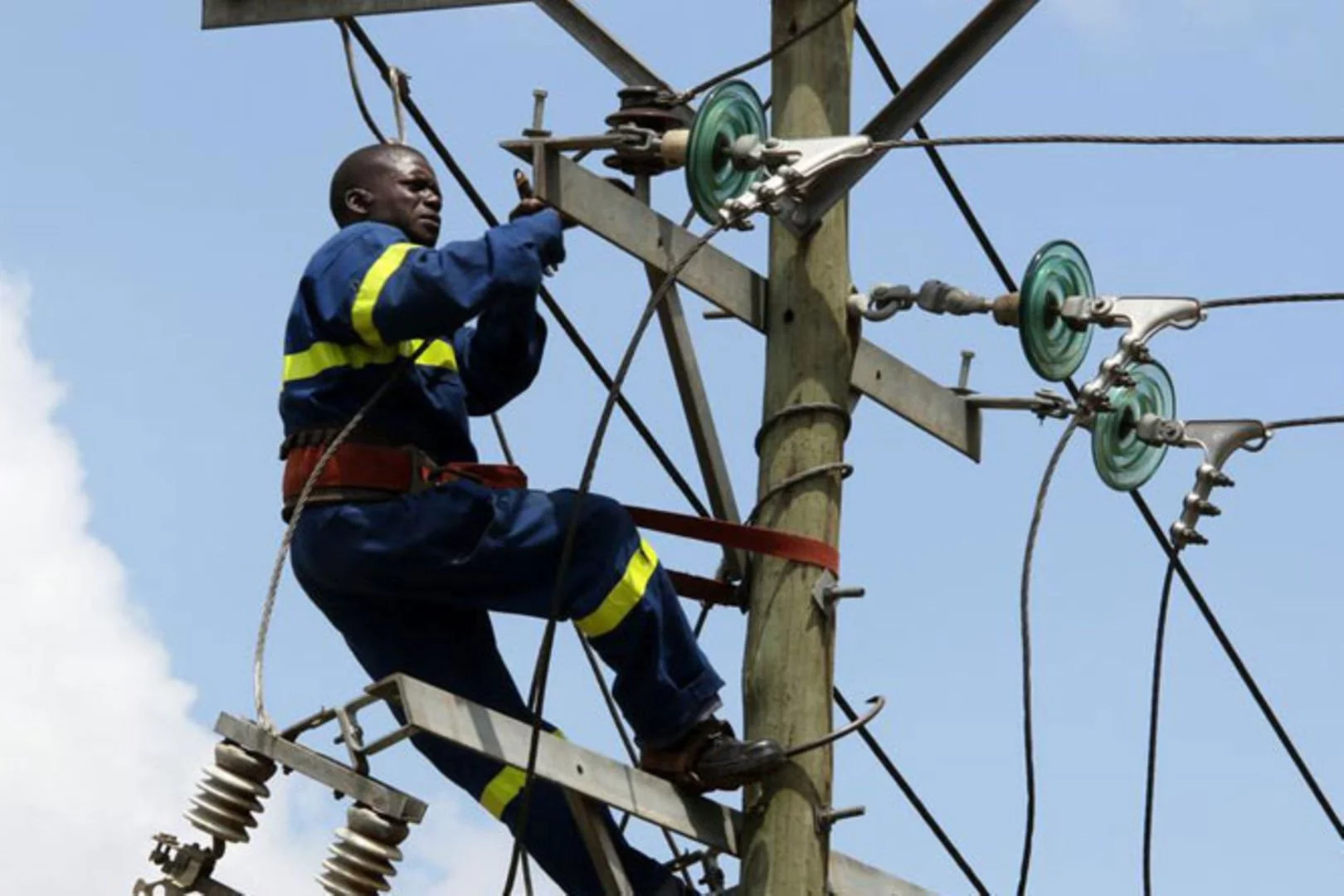
Kenya Power has announced a critical milestone for the nation’s energy sector, recording a new all-time high in the country’s electricity peak demand, reaching 2,439.06 Megawatts (MW). This record, attained on December 4, 2025, surpasses the previous peak of 2,418.77 MW set just weeks earlier on November 18, 2025, signaling an accelerating and sustained growth in electricity uptake among both commercial and domestic consumers. This continuous upward trend is a significant indicator of Kenya’s overall economic resilience and a testament to the effectiveness of recent energy sector reforms and investments.
The growth is particularly important in the context of Kenya’s aggressive pursuit of universal access and a transition to 100% clean energy by 2030. As consumption climbs, the pressure shifts from the distribution network’s ability to handle the load to the generation sector’s capacity to secure adequate reserve margins—the buffer capacity needed to manage unexpected outages or demand spikes.
Build the future you deserve. Get started with our top-tier Online courses: ACCA, HESI A2, ATI TEAS 7, HESI EXIT, NCLEX-RN, NCLEX-PN, and Financial Literacy. Let Serrari Ed guide your path to success. Enroll today.
Commenting on the achievement, Kenya Power’s Managing Director & CEO, Dr. (Eng.) Joseph Siror, highlighted the positive feedback loop between improved service and economic activity: “We are delighted to witness this energy demand growth, which is a direct reflection of increased domestic and commercial activities across the country.” He emphasized that with industrial customers accounting for over half of Kenya Power’s total unit sales in the last financial year, the company’s “central role in powering industry and economic growth is clear, and the priority now shifts to the generation sector to help secure our reserve margins.”
Drivers of the Unprecedented Demand Surge
The record demand level is not a single-factor anomaly but the culmination of strategic operational improvements and deep-seated economic shifts. Three key drivers underpinned the leap from the previous peak set in November:
1. Rapid Customer Expansion and Electrification:
Kenya Power connected 401,848 new customers in the year ended June 2025, pushing the utility’s total customer base past the 10 million milestone. This massive expansion effort, aligning with the Kenya National Electrification Strategy (KNES 2025) aim for near-universal energy access by 2030, directly contributed 203 GWh in new electricity sales. This growth is critical for improving the quality of life and fostering economic activity, especially in marginalized communities. The adoption of new technologies, such as the digitization of the electricity-connection application process, is also speeding up service delivery and facilitating this expansion.
2. Industrial Acceleration and Commercial Uptake:
The industrial sector remains the backbone of Kenya’s grid consumption. Industrial customers, defined as those using more than 15,000 units a month, are the biggest consumers of electricity, accounting for at least 53 per cent of all electricity sold by Kenya Power. The sustained demand from this sector reflects growing manufacturing and commercial activities. This trend is crucial as Kenya seeks to transition from being a consumption-driven economy to a capex-driven one, supported by initiatives like the Energy (Energy Management) Regulations 2025, which mandate comprehensive energy audits biennially for large consumers to promote efficiency.
While industrial consumption unit sales grew, Kenya Power’s overall revenue from this class dropped by 9.5 per cent in the year ended June 2025. This apparent paradox is explained by the reduced base electricity tariffs implemented under the new regulatory regime, which has seen the price per unit (kWh) decline over the three-year period starting from July 2023, aimed at easing pressure on consumers and boosting industrial competitiveness.
3. System Stabilization and Network Reinforcement:
The National Grid could not sustain this level of demand without strategic investments in stability. Kenya Power attributes the ability to handle consecutive peak records to Strategic investments in stabilizing the National Grid and the timely completion of key network reinforcement projects that have enhanced power supply reliability and redundancy. These efforts are part of the broader Integrated National Energy Plan (INEP) Framework which coordinates investments in generation, transmission, and distribution to ensure a data-driven, least-cost approach. Key projects include transmission network expansion and modernization of aging hydro infrastructure, ensuring reliable dispatch during peak periods.
The Success of Operational Efficiency Metrics
Beyond increasing capacity, Kenya Power has made significant progress in operational efficiency, a focus area critical for both financial stability and service reliability. This emphasis has directly influenced the ability of the grid to support the new peak demand.
A. System Losses Reduction:
System losses—non-technical losses (theft and unauthorized connections) and technical losses (energy dissipated in transmission and distribution)—have long plagued the utility. Total system losses improved notably from 23.16% to 21.21% in the financial year ending June 2025. This reduction, which has the potential to save consumers approximately Sh6 billion annually, was achieved through:
- Accelerated rollout of smart meters and replacement of faulty meters to improve billing accuracy and accountability.
- Targeted feeder upgrades and improved energy accounting practices.
- Implementation of new technologies like Optical Character Recognition (OCR) systems for meter reading to boost billing accuracy.
The long-term parliamentary directive is to lower system losses further, aiming for 14.50 per cent within three years, which requires continuous investments in high-efficiency transformers, smart grid technologies, and enhanced monitoring systems.
B. Enhanced Service Reliability (SAIDI and SAIFI):
Improved operational efficiency translated into measurable improvements in key reliability indices, which are critical metrics for economic stability. High values in these indices indicate frequent or prolonged outages that severely impact industrial production and commerce.
- System Average Interruption Duration Index (SAIDI): This measure, which tracks the average duration of power interruptions experienced by a customer, improved from 120.6 hours to 113 hours.
- System Average Interruption Frequency Index (SAIFI): This metric, which tracks the average number of times a customer experiences an interruption, improved from 47.00 to 44.07.
The improvement in both SAIDI and SAIFI reflects the impact of grid reinforcement and upgrades, and the implementation of technologies like Advanced Metering Infrastructure (AMI) and Advanced Distribution Management Systems (ADMS) that enable faster outage detection and resolution. Sustaining this improvement is a strategic imperative for Distribution System Operators (DSOs) globally, as it is directly linked to regulatory compliance, operational efficiency, and bolstering customer trust, which is reflected in Kenya Power’s rising Customer Satisfaction Index (which rose to 72% from 69% in the review period).
One decision can change your entire career. Take that step with our Online courses in ACCA, HESI A2, ATI TEAS 7, HESI EXIT, NCLEX-RN, NCLEX-PN, and Financial Literacy. Join Serrari Ed and start building your brighter future today.
Securing the Reserve Margin: The Generation Mandate
Dr. Siror’s call to shift focus to the generation sector highlights the primary challenge created by the sustained demand growth. As peak power consumption continues to set new records, the margin between supply and peak demand is thinning. On days of peak demand, the system operates with relatively small reserves, which tightens options should a large plant or major transmission line trip. This tight reserve margin necessitates urgent action in two primary areas:
1. Renewable Energy Scale-Up:
Kenya is already a continental leader in green energy, with over 92% of its electricity currently produced by clean and renewable energy sources. This mix is dominated by geothermal, which accounts for 39.51% of the mix, followed by hydro at 24.21%. The country’s National Energy Policy 2025–2034 commits to achieving 85% renewables in the generation mix and near-universal energy access by 2030. To meet the rising demand and secure the reserve margin, the government’s plan involves significantly scaling up installed capacity to 5,952MW, with major increases slated for geothermal, hydro, wind, and solar. State generator KenGen plays a critical role in meeting historic peaks by ramping up its hydro and geothermal generation, ensuring grid stability through dynamic use of these base-load and flexible sources.
2. Modernizing Grid Storage and Regional Trade:
To manage demand variability, which is intensified by the addition of variable sources like wind and solar, the National Energy Compact plans for the integration of Battery Energy Storage Solutions (BESS). Furthermore, regional interconnectivity is being leveraged to enhance grid resilience and energy security. The commissioning of projects like the 400 kV Kenya–Tanzania interconnector and active participation in the Eastern Africa Power Pool (EAPP) allow Kenya to trade electricity regionally, providing crucial flexibility and backup during peak hours or supply constraints.
The Broader Economic Context
Kenya’s ability to sustain the 2,439 MW peak demand is a macroeconomic signal of momentum. According to recent World Bank updates, Kenya’s economy is projected to grow by an average of 4.9% between 2025 and 2027, supported by easing monetary policy and a rebound in sectors like construction. Reliable electricity is a foundational enabler for this growth, particularly for industrial investment and the burgeoning data-center market in East Africa, which requires concentrated and reliable loads.
The government’s sweeping regulatory overhaul in 2025, including the Energy Act Reforms and the National Energy Policy 2025–2034, has created a clear and ambitious framework. This policy prioritizes not only reliability and access but also the phasing down of fossil fuel dependency where viable and advancing targets for energy efficiency.
Ultimately, the new peak demand record underscores the success of coordinated efforts across generation (KenGen), transmission, and distribution (Kenya Power). The focus now shifts, as Dr. Siror noted, to accelerating investment in generation capacity to ensure that the grid retains sufficient buffer to support the expected continued industrialization, urbanization, and the connection of an additional 5.1 million Households to electricity as envisioned in the national energy roadmap. The sustained reliability improvements, measured by the improved SAIDI and SAIFI metrics, are essential to translating this growing energy use into long-term economic stability and prosperity for the nation.
Ready to take your career to the next level? Join our Online courses: ACCA, HESI A2, ATI TEAS 7 , HESI EXIT , NCLEX – RN and NCLEX – PN, Financial Literacy!🌟 Dive into a world of opportunities and empower yourself for success. Explore more at Serrari Ed and start your exciting journey today! ✨
Track GDP, Inflation and Central Bank rates for top African markets with Serrari’s comparator tool.
See today’s Treasury bonds and Money market funds movement across financial service providers in Kenya, using Serrari’s comparator tools.
Photo source: Google
By: Montel Kamau
Serrari Financial Analyst
8th December, 2025
Article, Financial and News Disclaimer
The Value of a Financial Advisor
While this article offers valuable insights, it is essential to recognize that personal finance can be highly complex and unique to each individual. A financial advisor provides professional expertise and personalized guidance to help you make well-informed decisions tailored to your specific circumstances and goals.
Beyond offering knowledge, a financial advisor serves as a trusted partner to help you stay disciplined, avoid common pitfalls, and remain focused on your long-term objectives. Their perspective and experience can complement your own efforts, enhancing your financial well-being and ensuring a more confident approach to managing your finances.
Disclaimer: This article is for informational purposes only and does not constitute financial advice. Readers are encouraged to consult a licensed financial advisor to obtain guidance specific to their financial situation.
Article and News Disclaimer
The information provided on www.serrarigroup.com is for general informational purposes only. While we strive to keep the information up to date and accurate, we make no representations or warranties of any kind, express or implied, about the completeness, accuracy, reliability, suitability, or availability with respect to the website or the information, products, services, or related graphics contained on the website for any purpose. Any reliance you place on such information is therefore strictly at your own risk.
www.serrarigroup.com is not responsible for any errors or omissions, or for the results obtained from the use of this information. All information on the website is provided on an as-is basis, with no guarantee of completeness, accuracy, timeliness, or of the results obtained from the use of this information, and without warranty of any kind, express or implied, including but not limited to warranties of performance, merchantability, and fitness for a particular purpose.
In no event will www.serrarigroup.com be liable to you or anyone else for any decision made or action taken in reliance on the information provided on the website or for any consequential, special, or similar damages, even if advised of the possibility of such damages.
The articles, news, and information presented on www.serrarigroup.com reflect the opinions of the respective authors and contributors and do not necessarily represent the views of the website or its management. Any views or opinions expressed are solely those of the individual authors and do not represent the website's views or opinions as a whole.
The content on www.serrarigroup.com may include links to external websites, which are provided for convenience and informational purposes only. We have no control over the nature, content, and availability of those sites. The inclusion of any links does not necessarily imply a recommendation or endorsement of the views expressed within them.
Every effort is made to keep the website up and running smoothly. However, www.serrarigroup.com takes no responsibility for, and will not be liable for, the website being temporarily unavailable due to technical issues beyond our control.
Please note that laws, regulations, and information can change rapidly, and we advise you to conduct further research and seek professional advice when necessary.
By using www.serrarigroup.com, you agree to this disclaimer and its terms. If you do not agree with this disclaimer, please do not use the website.
www.serrarigroup.com, reserves the right to update, modify, or remove any part of this disclaimer without prior notice. It is your responsibility to review this disclaimer periodically for changes.
Serrari Group 2025