The Peoples Redemption Party (PRP) has escalated concerns over Nigeria’s economic independence by strongly rejecting the Memorandum of Understanding signed between the Federal Inland Revenue Service and France’s tax authority, warning that the December 10, 2025 agreement threatens to undermine the nation’s sovereignty and expose critical fiscal infrastructure to foreign surveillance and exploitation.
In a comprehensive statement released on Monday, December 16, 2025, PRP National Chairman Falalu Bello characterized the partnership with France’s Direction Générale des Finances Publiques (DGFiP) as a “retrogressive and neo-colonialist” move that could transform Nigeria into a dependent state vulnerable to economic manipulation by external powers. The party’s forceful condemnation adds significant political weight to a controversy that has already drawn criticism from multiple opposition figures, including former Vice President Atiku Abubakar, the African Democratic Congress, and the Northern Elders Forum.
Build the future you deserve. Get started with our top-tier Online courses: ACCA, HESI A2, ATI TEAS 7, HESI EXIT, NCLEX-RN, NCLEX-PN, and Financial Literacy. Let Serrari Ed guide your path to success. Enroll today.
The Agreement and Its Controversy
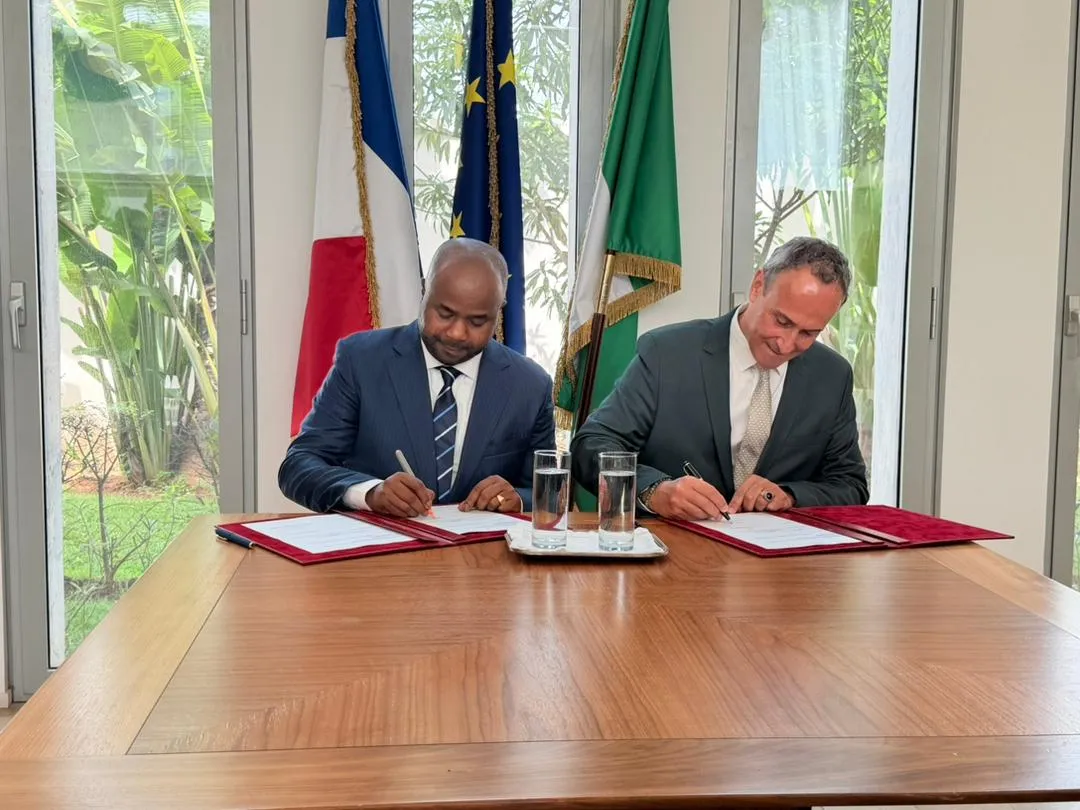
The agreement, signed at the French Embassy in Abuja by FIRS Chairman Zacch Adedeji and French Ambassador Marc Fonbaustier, positions the partnership as a framework for digital transformation, knowledge sharing, and capacity building as Nigeria prepares to transition from the Federal Inland Revenue Service to the Nigeria Revenue Service in January 2026. However, critics argue that the timing—just weeks before this institutional transformation—makes the arrangement particularly suspicious and potentially harmful to national interests.
According to Bello, the fundamental issue extends beyond technical cooperation to questions of strategic autonomy and data sovereignty. “Any nation that cedes control of its tax data to foreign entities risks becoming a puppet in the global financial system,” the PRP statement declared. “Such dependency erodes Nigeria’s economic independence and undermines our ability to craft policies that serve our people’s interests. No country with a sovereign future willingly subjects its fiscal backbone to external control.”
Three Critical Security Concerns
The party’s concerns center on three critical areas that opponents believe could compromise Nigerian sovereignty. First, the PRP warns that foreign-controlled digital platforms could enable mass surveillance and data exploitation, potentially exposing Nigerian citizens and institutions to what Bello termed “espionage, digital colonization, and economic sabotage.” This argument resonates with broader anxieties about data protection expressed by the Northern Elders Forum, where access to financial and tax information can provide significant strategic advantages.
Second, opposition voices argue that real-time visibility into Nigeria’s economic sectors—both thriving and struggling—would give France unwarranted leverage in future negotiations involving trade agreements, investment decisions, and loan conditions. The Northern Elders Forum has echoed similar concerns, describing the MoU as “an unprotected gateway into the heart of Nigeria’s tax infrastructure” that could expose sensitive economic information to foreign control.
Third, critics point to historical patterns of French influence in Africa, particularly in former French colonies where economic relationships have been characterized by what some analysts describe as neo-colonial arrangements. Former Vice President Atiku Abubakar explicitly referenced this history, warning that giving a foreign power “with a history of complex relationships with its former African colonies” access to Nigeria’s financial dealings could represent “a vicious and ruthless plan to turn Nigeria into France’s vassal state.”
Call for Indigenous Technology Solutions
The PRP has demanded immediate termination of the FIRS-France MoU and called for a comprehensive reorientation toward indigenous technological solutions. The party specifically advocated for contracting Nigerian institutions such as the Nigeria Inter-Bank Settlement System (NIBSS), Interswitch, Flutterwave, and Paystack to develop and manage the nation’s tax technology infrastructure. This recommendation aligns with a broader nationalist economic agenda that prioritizes local capacity building and technology development.
“The full implementation of Nigeria’s tax reforms must remain entirely in Nigerian hands,” Bello insisted. “Foreign entities should have no access to Nigerian tax data, financial transactions or digital records. Homegrown institutions such as NIBSS, Flutterwave, Paystack and Interswitch should be contracted to develop and manage our tax technology.”
The emphasis on indigenous technology firms reflects growing recognition of Nigeria’s substantial fintech capabilities. Nigerian companies have established themselves as regional leaders in digital payment systems and financial technology innovation, processing billions of dollars in transactions annually across Africa. The Northern Elders Forum has also criticized the perceived failure to leverage these local capabilities, noting that Nigerian-owned companies have built globally respected fintech and digital payment platforms that could effectively support tax modernization efforts.
Xpress Payment Solutions Controversy
Beyond the France MoU, the PRP raised parallel concerns about the Federal Government’s appointment of Xpress Payment Solutions Limited as a Treasury Single Account (TSA) collecting agent. The party warned that this move could replicate what it described as a “cartel-driven revenue collection model” previously associated with Lagos State during President Bola Tinubu’s tenure as governor.
The criticism builds on complaints raised by former Vice President Atiku Abubakar, who described the Xpress Payment appointment as a “dangerous resurrection of the Alpha Beta revenue cartel that dominated Lagos State.” Atiku argued in November 2025 that the appointment represented “state capture masquerading as digital innovation” and called for immediate suspension pending a public inquiry.
The PRP questioned the necessity of appointing a new collecting agent given improved revenue performance in recent years and demanded transparency regarding the ownership structure of Xpress Payment Solutions, the commission rates it will earn, and whether the appointment complied with open and competitive procurement processes. Atiku similarly raised questions about the selection process, alleging that the decision “was pushed into the public domain without consultation, stakeholder engagement or National Assembly oversight.”
The Treasury Single Account system, fully implemented in 2015 under President Muhammadu Buhari, was designed to consolidate government revenue into a single account at the Central Bank of Nigeria, eliminating the previous system where Ministries, Departments and Agencies maintained thousands of scattered bank accounts. The reform was credited with improving fiscal discipline and reducing opportunities for revenue diversion. However, debates have persisted about the appropriate role of private firms in TSA operations and the transparency of associated contractual arrangements.
Concerns about potential monopolistic control have been particularly acute, with analysts warning that allowing single companies to dominate revenue collection could create opportunities for political capture and reduce competitive pressures that encourage efficiency and transparency. The PRP’s statement reflects these broader anxieties about privatization of core government functions, particularly when procurement processes lack adequate public scrutiny.
FIRS Defense of the Arrangements
The Federal Inland Revenue Service has vigorously defended both the France MoU and the Xpress Payment appointment against mounting criticism. In a statement addressing stakeholder concerns, FIRS described the France partnership as a standard international cooperation framework focused on advisory support, knowledge sharing, and capacity building rather than operational control or data access.
According to FIRS, the agreement does not grant France access to Nigeria’s tax systems or individual taxpayer data and fully complies with Nigerian data protection laws. The agency emphasized that all existing Nigerian laws on data protection, cybersecurity, and national sovereignty remain fully applicable and strictly enforced, with the Nigeria Revenue Service maintaining the highest standards for taxpayer information protection.
The Service highlighted that similar cooperation agreements are common among tax authorities globally and are designed to promote collaboration, knowledge exchange, and adoption of international best practices. FIRS pointed to France’s Direction Générale des Finances Publiques as one of the world’s most advanced tax administrations, with over a century of institutional experience, a workforce exceeding 90,000 professionals, and globally recognized expertise in digital tax systems, institutional governance, and public finance management.
The agency also dismissed claims that the MoU sidelines local technology firms, maintaining that indigenous platforms remain central to its operations. “FIRS and the emerging Nigeria Revenue Service continue to work closely with Nigerian innovators such as NIBSS, Interswitch, PayStack, and Flutterwave,” the statement clarified. “The MoU does not include the provision of technical services; it is limited to knowledge sharing, institutional strengthening, workforce development, policy support, and best-practice guidance.”
Regarding Xpress Payment Solutions, FIRS explained that Nigeria operates a multi-channel revenue collection system involving multiple platforms including Remita, Quickteller, Etranzact, Flutterwave, and XpressPay. The agency insisted that no single private entity controls government revenue collection and that the TSA framework ensures transparent, diversified revenue processing that prevents monopolistic control.
One decision can change your entire career. Take that step with our Online courses in ACCA, HESI A2, ATI TEAS 7, HESI EXIT, NCLEX-RN, NCLEX-PN, and Financial Literacy. Join Serrari Ed and start building your brighter future today.
Context: Nigeria’s Comprehensive Tax Reform
The controversy unfolds against the backdrop of Nigeria’s most comprehensive tax reform in decades. President Bola Tinubu signed four landmark tax reform bills into law in June 2025, with implementation scheduled to begin on January 1, 2026. These reforms—the Nigeria Tax Act, Nigeria Tax Administration Act, Nigeria Revenue Service (Establishment) Act, and Joint Revenue Board (Establishment) Act—represent a fundamental restructuring of Nigeria’s fiscal architecture.
The reforms consolidate more than a dozen scattered tax laws into a unified framework, introduce progressive personal income tax rates that provide relief to low-income earners, remove Value-Added Tax on essential goods and services, and establish the Nigeria Revenue Service as the sole body responsible for collecting federally chargeable taxes. Taiwo Oyedele, Chairman of the Presidential Committee on Fiscal Policy and Tax Reforms, has emphasized that the reforms target elimination of multiple taxation and illegal levies that inflate business costs.
The transformation from FIRS to NRS involves substantial digitalization efforts, with AI-driven tools planned for detecting underreporting and cross-referencing data across bank accounts, payroll systems, and business filings. This digital transformation agenda makes the question of technological partnerships and data sovereignty particularly sensitive, as the new system will process unprecedented volumes of sensitive financial information.
Nigeria’s tax-to-GDP ratio has historically remained low—averaging between 6 to 10 percent compared to the African average of 15 percent—limiting government capacity to fund infrastructure, security, and social programs. The reforms aim to broaden the tax base, improve compliance, and modernize administration without imposing new taxes on vulnerable populations or small businesses. However, critics worry that foreign involvement in this modernization process could compromise the independence and security of the reformed system.
Legislative Urgency and Data Sovereignty
The PRP has called on the National Assembly to urgently enact comprehensive data sovereignty safeguards before the new tax laws take effect in January 2026. The party warned that Nigeria’s tax data represents “the backbone of the economy” and must not be surrendered to foreign control under any circumstances.
This call echoes demands from the Northern Elders Forum, which has pressed legislators to “reintroduce and pass all data-sovereignty amendments before the Nigeria Revenue Service begins operations in January 2026” and to “prohibit any foreign entity from processing or storing Nigeria’s tax data.” The Forum described the situation as “no longer a policy issue” but rather “a matter of national survival.”
The emphasis on legislative action reflects concerns that executive agreements like the FIRS-France MoU can be concluded without adequate parliamentary scrutiny or public consultation. The African Democratic Congress has similarly demanded full publication of the agreement, proper briefing of the National Assembly, and an independent assessment of its implications for data security, cybersecurity, and national sovereignty.
Critics have pointed to perceived legislative lapses that may have enabled the France agreement to proceed without the robust oversight mechanisms that such sensitive arrangements should require. The Northern Elders Forum specifically noted that proposed data-sovereignty amendments to existing laws could have prevented the MoU without thorough parliamentary review, suggesting that institutional safeguards remain inadequate despite the approaching implementation of major tax reforms.
Broader Regional Context
The controversy occurs within a broader regional context of evolving relationships between African nations and France. Multiple West African countries have recently reassessed or terminated various agreements with France, reflecting what observers describe as a generational shift in attitudes toward post-colonial economic relationships. Mali, Burkina Faso, and Niger have pursued policies explicitly aimed at reducing French influence over their economic and security affairs.
The African Democratic Congress referenced these regional dynamics in its criticism, noting that “across West Africa, France’s role and influence are being openly questioned. Former French colonies are loosening or severing their neo-colonial ties with the country. Yet, under the Bola Tinubu administration, Nigeria appears to have become more Francophone than the French.” This framing positions the FIRS-France agreement as potentially anachronistic—moving in the opposite direction from regional trends toward greater economic sovereignty and reduced dependency on former colonial powers.
However, defenders of international cooperation argue that Nigeria’s relationship with France differs fundamentally from that of former French colonies, which have historically operated under more restrictive monetary and economic frameworks. They contend that selective partnerships with advanced economies can accelerate institutional development without necessarily compromising sovereignty, provided appropriate safeguards are maintained.
The Trust Deficit Challenge
Analysts examining the controversy have noted that the debate reflects deeper issues of institutional trust and governance credibility. Even when official statements provide detailed assurances about data protection and limited scope, public skepticism persists based on historical experiences with governance failures, lack of transparency, and perceived patterns of elite capture of public resources.
The FIRS has emphasized that its clarifications should guide public discourse: “We welcome robust public engagement on tax reforms, but such conversations must reflect the actual content and purpose of the agreement. Rather than undermining Nigeria’s sovereignty, this MoU strengthens it by helping to build a modern, capable, globally competitive tax administration—one firmly in command of its systems, data, and strategic direction.”
However, critics argue that without full publication of the agreement’s detailed terms, independent oversight mechanisms, and clear legal frameworks governing foreign involvement in sensitive systems, assurances alone cannot adequately address legitimate sovereignty concerns. The PRP and other opposition voices have insisted that transparency must precede trust, and that the burden of proof lies with government to demonstrate through verifiable safeguards rather than statements that national interests are protected.
Economic Implications
The dispute carries significant economic implications beyond the immediate questions of the France MoU and Xpress Payment appointment. Nigeria’s ability to modernize its tax administration directly affects revenue generation capacity, which in turn influences government’s ability to address pressing challenges including infrastructure deficits, security threats, and economic diversification efforts.
The Federal Government projects substantial revenue increases from the 2026 tax reforms, including an estimated N1.9 trillion from a new Development Levy alone. Successfully implementing these reforms requires technological infrastructure capable of processing complex transactions, enforcing compliance, and providing taxpayer services at scale. The question of whether this infrastructure should be developed primarily through indigenous capacity, international partnerships, or some combination remains contentious.
Minister of Finance and Coordinating Minister of the Economy Wale Edun has argued that the tax reforms will boost purchasing power and business growth by eliminating multiple taxation and reducing compliance costs. However, implementation success depends not only on the technical quality of systems but also on public confidence that the reformed tax administration operates transparently and in the national interest rather than serving particular political or commercial interests.
The Xpress Payment controversy illustrates how privatization of revenue collection functions can generate suspicions about patronage and elite enrichment, even when such arrangements may offer legitimate efficiency benefits. If taxpayers perceive the system as captured by political networks or foreign interests, voluntary compliance—a critical factor in tax administration effectiveness—may suffer regardless of the system’s technical capabilities.
International Precedents and Best Practices
Supporters of international cooperation point to numerous examples of successful technical partnerships between tax authorities that have enhanced institutional capacity without compromising sovereignty. Similar memoranda of understanding exist between tax administrations worldwide, facilitating knowledge exchange on issues like transfer pricing, base erosion and profit shifting (BEPS), and digital taxation—areas where international coordination is increasingly necessary as economic activities transcend borders.
The FIRS has emphasized that its partnership with France focuses on areas including digital transformation guidance, workforce development, policy modernization, and taxpayer education—all advisory functions rather than operational control. The agency notes that many developing countries have benefited from technical assistance from more advanced tax administrations while maintaining full sovereignty over their systems and data.
However, critics counter that international best practices must be adapted to local contexts, and that Nigeria’s specific historical circumstances—including colonial legacies, governance challenges, and vulnerability to external pressure—require particularly robust safeguards. They argue that what works in relationships between developed economies with strong institutions may not translate safely to contexts where power asymmetries and institutional weaknesses create greater risks.
The debate ultimately reflects fundamental questions about how developing nations can leverage international expertise and resources for institutional modernization while preserving sovereignty and ensuring that partnerships serve national rather than external interests. Finding appropriate balances between openness to collaboration and protection of strategic autonomy remains a central challenge for countries seeking to strengthen state capacity in an interdependent global economy.
Path Forward
As implementation of Nigeria’s comprehensive tax reforms approaches, the controversies surrounding the France MoU and Xpress Payment appointment have crystallized competing visions for how this transformation should proceed. The PRP and allied critics demand a nationalist approach prioritizing indigenous capacity, strict data sovereignty, and minimal foreign involvement in critical fiscal infrastructure. Government defenders advocate pragmatic international cooperation that accelerates modernization while maintaining adequate safeguards.
Resolution of these tensions may require compromise solutions that address legitimate sovereignty concerns while enabling beneficial partnerships. Possible approaches could include:
- Full publication of the France MoU terms to enable informed public assessment and parliamentary oversight
- Legislative enactment of comprehensive data sovereignty frameworks with clear restrictions on foreign access to sensitive information
- Establishment of independent oversight mechanisms to monitor implementation of international agreements
- Transparent disclosure of ownership structures, fee arrangements, and selection criteria for revenue collection agents
- Regular public reporting on technology partnerships and data flows to maintain accountability
- Priority investment in developing indigenous technological capabilities while selectively leveraging international expertise
- Clear legal frameworks governing the role of private entities in revenue collection, including competitive procurement requirements and market share limitations
The January 2026 implementation deadline creates urgency for resolving these disputes. Whether Nigeria can successfully navigate the competing imperatives of modernization, sovereignty protection, and institutional development will significantly influence both the effectiveness of tax reforms and broader confidence in government’s capacity to manage sensitive economic transitions.
The PRP’s strong stance reflects broader public anxieties about Nigeria’s direction during a period of significant institutional change. How political leaders respond to these concerns—whether through substantive reforms that address sovereignty issues or through dismissal of opposition voices—will shape not only tax administration outcomes but also broader patterns of governance and public trust in the years ahead.
As Africa’s largest economy undertakes its most ambitious fiscal restructuring in decades, the world watches to see whether Nigeria can chart a path that combines openness to international partnership with robust protection of national sovereignty—a balance that remains elusive for many developing nations navigating the complexities of globalization and institutional modernization.
Ready to take your career to the next level? Join our Online courses: ACCA, HESI A2, ATI TEAS 7 , HESI EXIT , NCLEX – RN and NCLEX – PN, Financial Literacy!🌟 Dive into a world of opportunities and empower yourself for success. Explore more at Serrari Ed and start your exciting journey today! ✨
Track GDP, Inflation and Central Bank rates for top African markets with Serrari’s comparator tool.
See today’s Treasury bonds and Money market funds movement across financial service providers in Kenya, using Serrari’s comparator tools.
Photo source: Google
By: Montel Kamau
Serrari Financial Analyst
16th December, 2025