Nigeria has achieved a landmark diplomatic victory with the African Union Executive Council granting the nation a permanent seat on the Board of the African Central Bank, marking a pivotal moment in the country’s leadership within Africa’s financial and economic integration framework. The decision, announced at the conclusion of the 39th Session of the Executive Council in Addis Ababa, Ethiopia, reflects Nigeria’s strategic importance in shaping the continent’s monetary architecture as African nations advance toward greater economic unity.
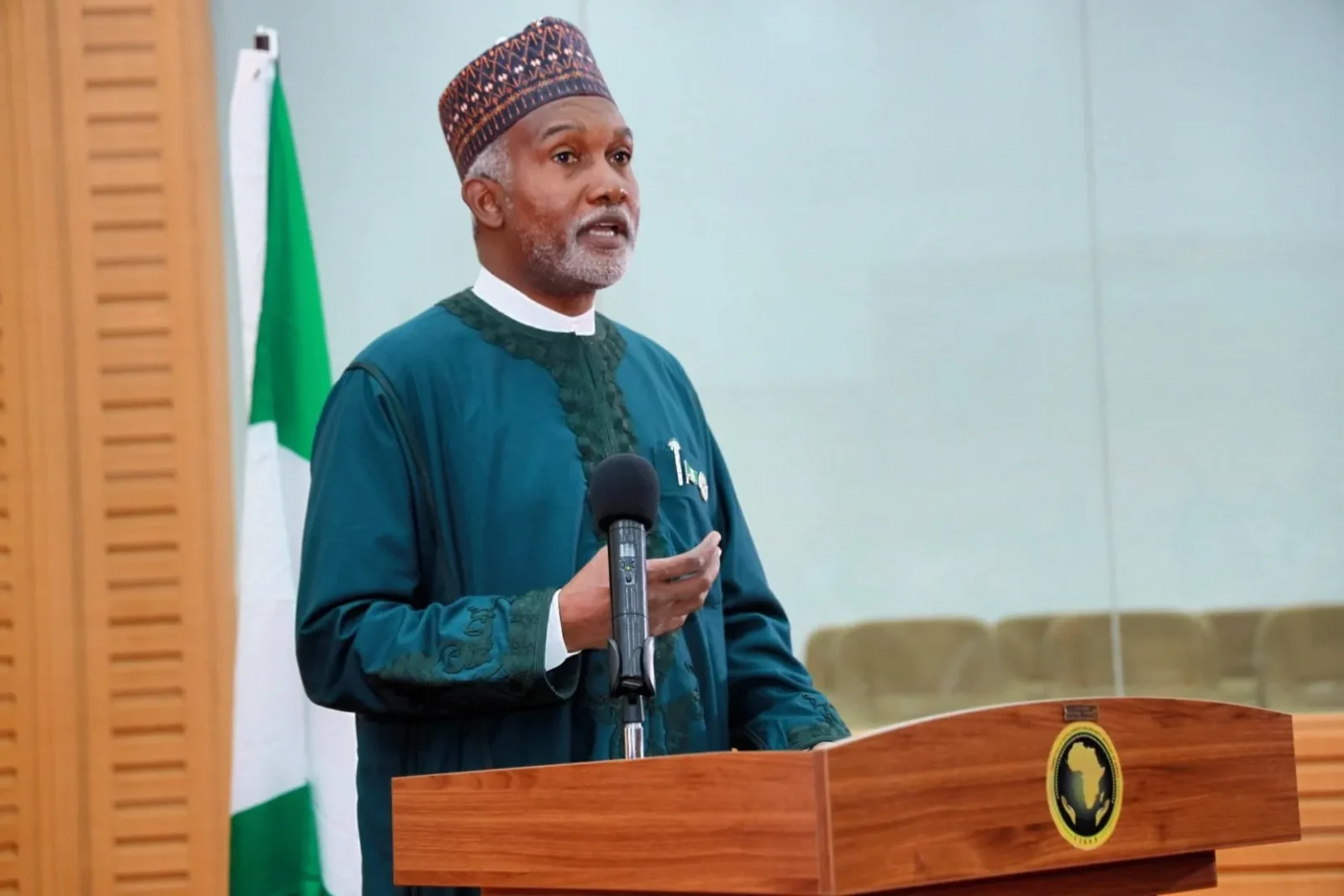
Ambassador Yusuf Tuggar, Nigeria’s Minister of Foreign Affairs, described the development as a “major milestone for Nigeria and for Africa’s monetary integration agenda,” emphasizing that the permanent seat underscores the country’s technical expertise, economic significance, and consistent commitment to building strong continental institutions. The announcement came during a week of intense diplomatic activity that saw multiple African nations vying for influential positions within various AU bodies.
Build the future you deserve. Get started with our top-tier Online courses: ACCA, HESI A2, ATI TEAS 7, HESI EXIT, NCLEX-RN, NCLEX-PN, and Financial Literacy. Let Serrari Ed guide your path to success. Enroll today.
A Hard-Won Diplomatic Achievement
The path to securing this seat was not without challenges. Minister Tuggar revealed that the development represents a diplomatic breakthrough, noting that the move initially faced opposition from some member states. “It is something that was initially resisted by some countries, so now we have a permanent seat on the African Central Bank board. This is huge,” Tuggar stated during a press briefing at the summit.
The significance of this achievement becomes clearer when viewed against the backdrop of Nigeria’s broader continental ambitions. The nation has simultaneously secured the hosting rights for the African Monetary Institute and the African Central Bank itself, with both institutions expected to be headquartered in Abuja once fully operational.
Dual Representation in Critical Financial Bodies
Beyond the African Central Bank Board seat, the Council’s resolution extends Nigeria’s representation to the Board of the Technical Convergence Committee of the African Monetary Institute. This precursor institution to the African Central Bank plays a crucial role in harmonizing fiscal and monetary policies across the continent ahead of the establishment of a single African currency.
According to Tuggar, this dual positioning places Nigeria at the center of ongoing efforts to harmonize fiscal and monetary policies across Africa. “Our presence at both levels ensures that Nigeria will play an active role in designing the frameworks that will define Africa’s financial future,” he explained in an official statement released by the Ministry of Foreign Affairs.
Understanding the African Central Bank Vision
The African Central Bank (ACB) is one of the original five financial institutions and specialized agencies mandated by the African Union’s Constitutive Act. When fully implemented, the ACB will serve as the sole issuer of a single African currency and become the banker to the African Government, private and public banking institutions, while regulating and supervising the continent’s banking industry.
The institution’s establishment is rooted in the 1991 Treaty Establishing the African Economic Community, commonly known as the Abuja Treaty, signed by 51 Organization of African Unity member states in Abuja, Nigeria. The treaty outlined a six-stage integration process culminating in an economic and monetary union, with the African Central Bank designated to manage a single African currency and coordinate monetary policy across the continent in the final stage.
According to the African Union’s official roadmap, the agreed timeframe under Agenda 2063 for establishing the ACB is between 2028 and 2034. Preparations for the ACB will be made through the African Monetary Institute, which is expected to be established before the ACB. Significantly, it is proposed that the ACB Headquarters will be in Abuja, Nigeria, cementing the nation’s central role in Africa’s monetary future.
Nigeria’s Economic Significance in Africa
Nigeria’s selection for this permanent seat reflects its substantial economic footprint on the African continent. As Africa’s largest economy with a population of approximately 230 million people—expected to reach 400 million within the next 24 years—the nation represents a critical player in any continental financial integration framework.
The country’s demographic and economic weight provides it with unique leverage in shaping monetary policy decisions that will affect over a billion Africans. As Tuggar noted at the summit, “We are the largest country in Africa, with a population of 230 million people. We’re going to be 400 million in the next 24 years. So water is a source of life. It’s very important, and we’re playing a very pivotal role in implementing the programs that are being set for the theme of the year.”
Nigeria’s central bank, under various governors, has played influential roles in continental monetary policy discussions. The groundwork for the establishment of the African Central Bank has been ongoing through a Steering Committee manned by experts from the African Union and the Association of African Central Banks, with the Steering Committee Secretariat located in Abuja, Nigeria—further demonstrating the country’s pivotal position in this process.
ECOWAS Unity and Regional Cooperation
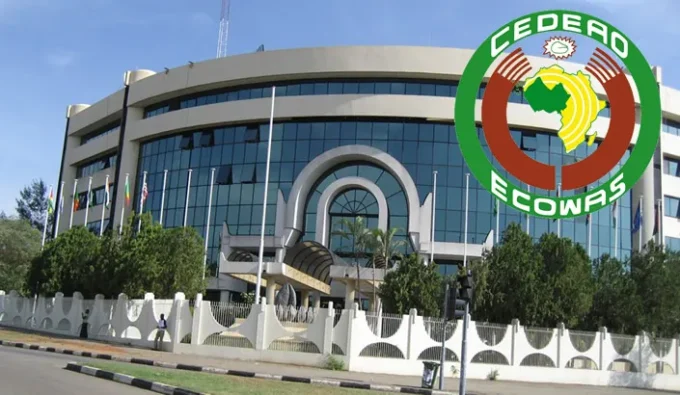
Nigeria’s diplomatic success at the AU summit extended beyond financial institution representation. In the area of peace and security, the session recorded the successful election of candidates jointly endorsed by the Economic Community of West African States (ECOWAS) to the Peace and Security Council.
The Peace and Security Council serves as the African Union’s standing decision-making organ for the prevention, management and resolution of conflicts on the continent. The Council has 15 members with equal voting powers, elected by the AU Executive Council and endorsed by the AU Assembly during its ordinary sessions.
The ECOWAS candidates’ successful election demonstrated remarkable regional unity at a time when West Africa faces significant security challenges. Sierra Leone, for instance, won one of four West African seats on the Peace and Security Council, with the region’s Foreign Ministers, led by Sierra Leone’s Alhaji Timothy Musa Kabba as Chair of the ECOWAS Executive Council, working together to ensure coordinated representation.
Tuggar described the outcome as “a reflection of the strong cohesion, cooperation, and unity among ECOWAS Member States,” adding that it demonstrates the region’s shared commitment to “promoting stability and collective security across the continent.”
One decision can change your entire career. Take that step with our Online courses in ACCA, HESI A2, ATI TEAS 7, HESI EXIT, NCLEX-RN, NCLEX-PN, and Financial Literacy. Join Serrari Ed and start building your brighter future today.
Advancing Democratic Governance Through Regional Partnerships
Nigeria further demonstrated continental leadership by convening a Ministerial High-Level Panel Discussion on Regional Partnerships for Democracy on the sidelines of the summit. The forum attracted wide participation from ministers, senior government officials, and delegates not only from the West African region but from across the continent and the international community.
According to the Ministry of Foreign Affairs statement, the panel facilitated constructive dialogue on strengthening democratic institutions, fostering inclusive governance, and enhancing collaborative regional approaches to sustaining democratic values. This initiative aligns with Nigeria’s broader foreign policy objectives of promoting democratic governance as a foundation for sustainable development and regional stability.
Tuggar emphasized that the dialogue reinforced Nigeria’s commitment to sustaining democratic values through regional collaboration, noting that the country would continue to work with member states to promote economic integration, institutional development, peace and sustainable development across the continent.
The Road Toward a Single African Currency
Nigeria’s new position on the African Central Bank Board comes at a crucial juncture in Africa’s monetary integration journey. The continent currently operates with multiple currencies and regional monetary zones, including the CFA franc zone in West and Central Africa, the South African Rand’s influence in Southern Africa, and various national currencies elsewhere.
The establishment of the African Central Bank represents the culmination of decades of planning toward monetary convergence. The African Monetary Institute, which will precede the ACB, is designed to facilitate the transition toward a single continental currency by harmonizing monetary policies, establishing convergence criteria, and building the institutional framework necessary for effective continental monetary management.
Regional economic communities have made varying degrees of progress toward this goal. The Economic Community of West African States, for instance, has been working toward the introduction of the “Eco” currency through the West African Monetary Zone, though the project has faced multiple delays due to challenges in meeting convergence criteria.
Nigeria’s dual representation on both the African Central Bank Board and the Technical Convergence Committee of the African Monetary Institute positions the nation to influence the pace, structure, and implementation mechanisms of this historic monetary integration.
Technical Capacity and Economic Clout
The Council’s decision to grant Nigeria a permanent seat reflects recognition of the country’s technical capacity, economic significance, and commitment to advancing Africa’s monetary integration agenda. Nigeria’s central bank has developed substantial expertise in monetary policy formulation, foreign exchange management, and financial sector regulation—skills that will prove invaluable in designing and implementing continental monetary frameworks.
The Central Bank of Nigeria has been at the forefront of regional monetary cooperation efforts. Nigerian officials have previously chaired various committees within the Association of African Central Banks, with former Governor Sanusi Lamido Sanusi serving as Chairperson of the Steering Committee for the establishment of the ACB, demonstrating the country’s longstanding commitment to continental monetary integration.
Broader Implications for African Economic Integration
Nigeria’s enhanced role in Africa’s financial architecture comes as the continent seeks to deepen economic integration amid global economic uncertainties. The COVID-19 pandemic and subsequent geopolitical disruptions have highlighted the vulnerability of African economies to external shocks and underscored the importance of strengthening intra-African economic ties.
The African Continental Free Trade Area (AfCFTA), which became operational in 2021, represents the trading framework through which monetary integration could deliver maximum benefits. A single currency would facilitate cross-border trade, reduce transaction costs, eliminate exchange rate risks, and create a more integrated continental market capable of competing globally.
However, significant challenges remain. African economies exhibit substantial disparities in development levels, fiscal disciplines, inflation rates, and monetary policy frameworks. Harmonizing these diverse systems while respecting national sovereignty and accommodating different economic structures will require careful negotiation and sustained political will—precisely the kind of diplomatic skill that Nigeria’s achievement at the AU summit demonstrates.
Nigeria’s Commitment to Continental Development
Tuggar concluded his statement by emphasizing Nigeria’s broader commitment to African Union ideals. “The engagements and outcomes at the 39th Executive Session reaffirm Nigeria’s commitment to the ideals and objectives of the African Union, particularly in promoting economic integration, institutional development, peace, security, and democratic governance across the continent,” he stated.
The Minister added that the Federal Government remains dedicated to working collaboratively with AU Member States and regional bodies to advance Africa’s shared prosperity and sustainable development. This commitment extends beyond financial institutions to encompass Nigeria’s active participation in peacekeeping operations, mediation efforts, and development initiatives across the continent.
Looking Ahead: Challenges and Opportunities
As Nigeria assumes its permanent seat on the African Central Bank Board and extends its representation to the African Monetary Institute’s Technical Convergence Committee, the nation faces both significant opportunities and substantial responsibilities. The road to establishing a functional African Central Bank and introducing a single continental currency will be long and complex, requiring sustained diplomatic engagement, technical expertise, and political commitment.
The permanent seat provides Nigeria with a platform to shape the architecture of Africa’s future monetary system, influence policy frameworks that will govern continental financial integration, and ensure that the interests of Africa’s largest population are adequately represented in decisions that will affect economic life for generations to come.
For West Africa specifically, Nigeria’s enhanced position offers an opportunity to bridge different monetary zones and facilitate greater coordination between the CFA franc zone and countries using independent currencies. This could prove crucial in achieving the long-delayed goal of establishing the Eco currency for the ECOWAS region, which could then serve as a building block for broader continental monetary integration.
The 39th Session of the Executive Council, which brought together ministers and senior officials from all AU member states, provided a platform for reviewing progress on continental priorities ahead of the upcoming AU Heads of State Summit. Nigeria’s achievements at this session—from the African Central Bank Board seat to successful ECOWAS representation on the Peace and Security Council to hosting the democracy dialogue—demonstrate the nation’s multifaceted engagement with continental governance.
As Africa moves toward 2028-2034, the timeframe envisioned for establishing the African Central Bank, Nigeria’s permanent seat ensures that Africa’s most populous nation will have a consistent voice in shaping an institution that could fundamentally transform the continent’s economic landscape. Whether this vision of monetary unity can be realized remains to be seen, but Nigeria’s diplomatic success ensures it will be at the table as these critical decisions are made.
Ready to take your career to the next level? Join our Online courses: ACCA, HESI A2, ATI TEAS 7 , HESI EXIT , NCLEX – RN and NCLEX – PN, Financial Literacy!🌟 Dive into a world of opportunities and empower yourself for success. Explore more at Serrari Ed and start your exciting journey today! ✨
Track GDP, Inflation and Central Bank rates for top African markets with Serrari’s comparator tool.
See today’s Treasury bonds and Money market funds movement across financial service providers in Kenya, using Serrari’s comparator tools.
photo source: Google
By: Montel Kamau
Serrari Financial Analyst
16th February, 2026