Madrid-based energy company Moeve has taken a major step toward accelerating Europe’s clean energy transition after announcing a final investment decision to build what is set to become the largest green hydrogen facility in Southern Europe.
The project, known as Onuba, forms the first phase of the broader Andalusian Green Hydrogen Valley, a large-scale initiative designed to produce renewable hydrogen and support the decarbonization of some of the most difficult sectors to electrify.
With an investment exceeding €1 billion (approximately $1.2 billion), the development represents one of the most significant green hydrogen commitments announced in Europe in recent years. The facility will initially have a capacity of 300 megawatts (MW), with the potential to expand by an additional 100 MW, subject to regulatory approvals and additional grid capacity.
Once operational, the plant is expected to produce around 45,000 tonnes of green hydrogen annually, helping avoid approximately 250,000 tonnes of carbon dioxide emissions each year.
More broadly, the project illustrates how major energy companies are shifting capital toward low-carbon technologies, positioning hydrogen as a key pillar of Europe’s industrial decarbonization strategy.
Build the future you deserve. Get started with our top-tier Online courses: ACCA, HESI A2, ATI TEAS 7, HESI EXIT, NCLEX-RN, NCLEX-PN, and Financial Literacy. Let Serrari Ed guide your path to success. Enroll today.
Europe’s Push to Scale Green Hydrogen Production
Green hydrogen has increasingly emerged as a central element in the global energy transition. Unlike conventional hydrogen, which is typically produced using fossil fuels, green hydrogen is generated through electrolysis powered by renewable electricity, producing no direct carbon emissions.
This makes it particularly valuable for industries where direct electrification is difficult or impractical.
Sectors such as aviation, shipping, heavy transport and industrial manufacturing often require high-energy fuels that electricity alone cannot easily provide. In these sectors, hydrogen and hydrogen-derived fuels are expected to play a critical role in reducing emissions.
Across Europe, policymakers view hydrogen as essential for achieving long-term climate targets under the European Green Deal and the REPowerEU strategy, which aims to accelerate the transition away from fossil fuels while strengthening energy independence.
The Onuba facility therefore arrives at a pivotal moment, as European governments intensify efforts to scale hydrogen infrastructure capable of supporting large industrial demand.
By committing significant capital to hydrogen production, Moeve is positioning itself at the forefront of this emerging energy market.
The Onuba Project: A Major Hydrogen Hub in Southern Europe
The Onuba project is designed to become the cornerstone of the Andalusian Green Hydrogen Valley, an industrial ecosystem that aims to integrate renewable energy generation, hydrogen production and downstream industrial applications.
Located in southern Spain, the region offers several advantages for hydrogen production.
Andalusia benefits from abundant solar energy resources, making it well suited for renewable electricity generation that can power electrolysers used to produce hydrogen.
In addition, the region’s port infrastructure and industrial clusters provide access to export routes and industrial consumers that will require hydrogen in the future.
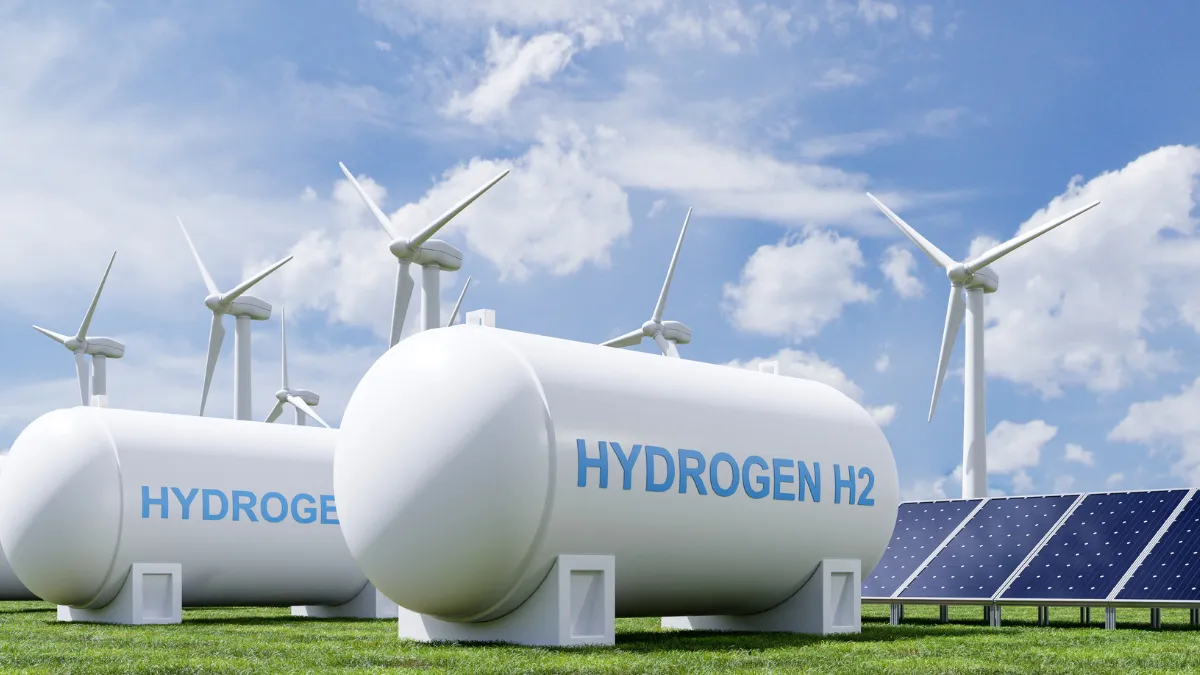
The first phase of the project will involve the installation of a 300 MW electrolyser system, supported by new infrastructure and a dedicated photovoltaic power plant designed for self-consumption.
The additional 100 MW expansion capacity could further increase the facility’s output if grid capacity and regulatory approvals allow.
According to Moeve, hydrogen produced at the plant will be used to support the decarbonization of multiple sectors, including:
- Aviation fuels
- Marine shipping fuels
- Heavy road transport
- Chemical manufacturing
- Fertilizer production
These industries represent some of the largest sources of industrial emissions globally, making them critical targets for decarbonization efforts.
Strategic Partnerships Strengthen the Project
The Onuba project is being developed through a strategic partnership between Moeve and major international energy players.
Moeve will retain a 51% majority stake in the project, ensuring operational leadership and strategic control.
The remaining stake will be held by Masdar, a global renewable energy company headquartered in Abu Dhabi, and Enalter, a renewable energy developer majority owned by Enagás Renovable.
The collaboration reflects a broader trend in which international capital and energy expertise are converging to support the hydrogen economy.
Masdar, for example, has been expanding its global clean energy portfolio across renewable power and hydrogen infrastructure.
Masdar Chief Executive Officer Mohamed Jameel Al Ramahi said the partnership reflects the company’s strategy of supporting commercially viable hydrogen projects in markets where demand is emerging.
“This partnership, under the leadership of Moeve, reflects our strategy of advancing commercially viable green hydrogen projects in markets where demand is clear.”
Enagás Renovable CEO Antón Martínez also highlighted the economic and industrial benefits of the project.
“The Onuba project represents a significant step forward for the development of green hydrogen in Spain,” Martínez said.
“Collaboration between companies and institutions can accelerate decarbonization while generating long-term economic and social value.”
European Funding Supports the Hydrogen Valley
Public funding has played an important role in enabling the project’s development.
The initiative has received approximately €304 million in support from the Spanish government, financed through the European Union’s NextGenerationEU recovery program.
The funding was awarded under the Hydrogen Valleys scheme, a European initiative designed to accelerate the development of hydrogen ecosystems that integrate production, infrastructure and industrial consumption.
Projects selected under the program are considered strategically important for Europe’s energy transition.
In fact, the Andalusian Green Hydrogen Valley has also been designated a Project of Common European Interest, highlighting its importance for the European Union’s decarbonization strategy.
Such public funding helps reduce financial risk for early-stage hydrogen projects, which often require large upfront investment before markets reach scale.
One decision can change your entire career. Take that step with our Online courses in ACCA, HESI A2, ATI TEAS 7, HESI EXIT, NCLEX-RN, NCLEX-PN, and Financial Literacy. Join Serrari Ed and start building your brighter future today
Grid Infrastructure and Renewable Power Integration
One of the most critical challenges facing hydrogen projects across Europe is access to electricity grid infrastructure.
Hydrogen production requires large amounts of renewable electricity to power electrolysers that split water into hydrogen and oxygen.
Without reliable grid connections, hydrogen plants cannot operate at scale.
Moeve recently secured a connection to the Spanish electricity grid, a development that significantly strengthens the feasibility of the project.
In addition to grid power, the company plans to build a dedicated solar power plant that will supply renewable electricity directly to the hydrogen facility.
This hybrid approach—combining grid electricity and on-site renewable generation—helps stabilize power supply while reducing the carbon intensity of hydrogen production.
For many hydrogen developers, securing grid access has become one of the most significant barriers to project deployment.
As a result, early approval for grid connections provides the Onuba project with an important strategic advantage.
Moeve’s Transformation From Oil to Low-Carbon Energy
The hydrogen investment is part of Moeve’s broader transformation strategy known as “Positive Motion.”
The company, formerly known as Cepsa, rebranded in 2024 to reflect its shift toward low-carbon energy businesses.
Over the past several years, Moeve has begun redirecting capital away from traditional oil production and toward renewable energy, biofuels and hydrogen infrastructure.
Since 2022, the company has sold many of its oil production assets, including operations in Abu Dhabi and South America.
This strategic pivot reflects a broader trend across the global energy industry, where traditional oil and gas companies are increasingly investing in clean energy technologies.
Chief Executive Officer Maarten Wetselaar described the Onuba investment as a defining milestone in the company’s transformation.
“This decision to launch Southern Europe’s largest green hydrogen plant marks a defining step in Moeve’s Positive Motion transformation strategy,” Wetselaar said.
“Onuba will anchor a world-class hub for green molecules in Spain, supplying renewable fuels to hard-to-abate sectors while reinforcing Europe’s energy and industrial resilience.”
Financial Strength Supports Energy Transition Investment
The scale of the hydrogen project has been made possible in part by Moeve’s improving financial performance.
This stronger profitability provides internal funding capacity for large infrastructure investments associated with the energy transition.
At the same time, Moeve is exploring potential strategic partnerships that could further strengthen its financial position.
The company has confirmed that it is currently in non-binding discussions with Portuguese energy firm Galp regarding a potential combination of refining, chemicals and fuel retail businesses.
If completed, such consolidation could free additional capital while improving resilience in legacy business segments during the transition period.
Geopolitics and Energy Security Considerations
The development of hydrogen infrastructure is also increasingly linked to geopolitical energy security.
European policymakers are seeking to reduce reliance on imported fossil fuels while strengthening domestic energy production.
Renewable hydrogen could eventually replace fossil fuels used in heavy industry and transport, reducing Europe’s exposure to volatile global energy markets.
Moeve Chief Financial Officer Carmen de Pablo noted that geopolitical tensions, including conflicts affecting global oil markets, have not had a direct operational impact on the company so far.
However, energy companies remain closely monitoring global developments that could influence supply chains and energy prices.
In this context, hydrogen production within Europe is increasingly seen as a strategic tool for strengthening long-term energy independence.
What the Hydrogen Valley Means for Europe’s Energy Future
For infrastructure investors and energy executives, the Andalusian Green Hydrogen Valley highlights several key trends shaping the future of Europe’s energy system.
First, public funding remains essential for early-stage hydrogen projects. EU subsidies exceeding €300 million significantly reduce investment risk and encourage private capital participation.
Second, international investment partnerships are expanding, particularly with sovereign wealth funds and global renewable energy developers.
Third, grid access and renewable electricity supply are emerging as decisive factors determining which hydrogen projects succeed.
In many cases, securing grid connections may prove just as important as developing electrolyser technology.
Together, these factors are shaping the emerging hydrogen economy across Europe.
Outlook
If completed on schedule, the Onuba project will position Spain as a major player in Europe’s developing hydrogen market.
The facility could serve as the foundation for a broader hydrogen ecosystem capable of supplying clean fuels to industries across the continent.
More broadly, the investment reflects a wider shift across the energy sector as traditional oil and gas companies redirect capital toward large-scale decarbonization infrastructure.
As hydrogen technologies mature and renewable electricity becomes more abundant, projects like the Andalusian Green Hydrogen Valley could help reshape Europe’s industrial energy system.
For Moeve, the project represents more than a single infrastructure development.
It signals a strategic transformation—one that aligns the company with the accelerating transition toward a low-carbon, hydrogen-enabled energy future.
Ready to take your career to the next level? Join our Online courses: ACCA, HESI A2, ATI TEAS 7 , HESI EXIT , NCLEX – RN and NCLEX – PN, Financial Literacy!🌟 Dive into a world of opportunities and empower yourself for success. Explore more at Serrari Ed and start your exciting journey today! ✨
Track GDP, Inflation and Central Bank rates for top African markets with Serrari’s comparator tool.
See today’s Treasury bonds and Money market funds movement across financial service providers in Kenya, using Serrari’s comparator tools.
photo source: Google
By: Rosemary Wambui
6th March 2026