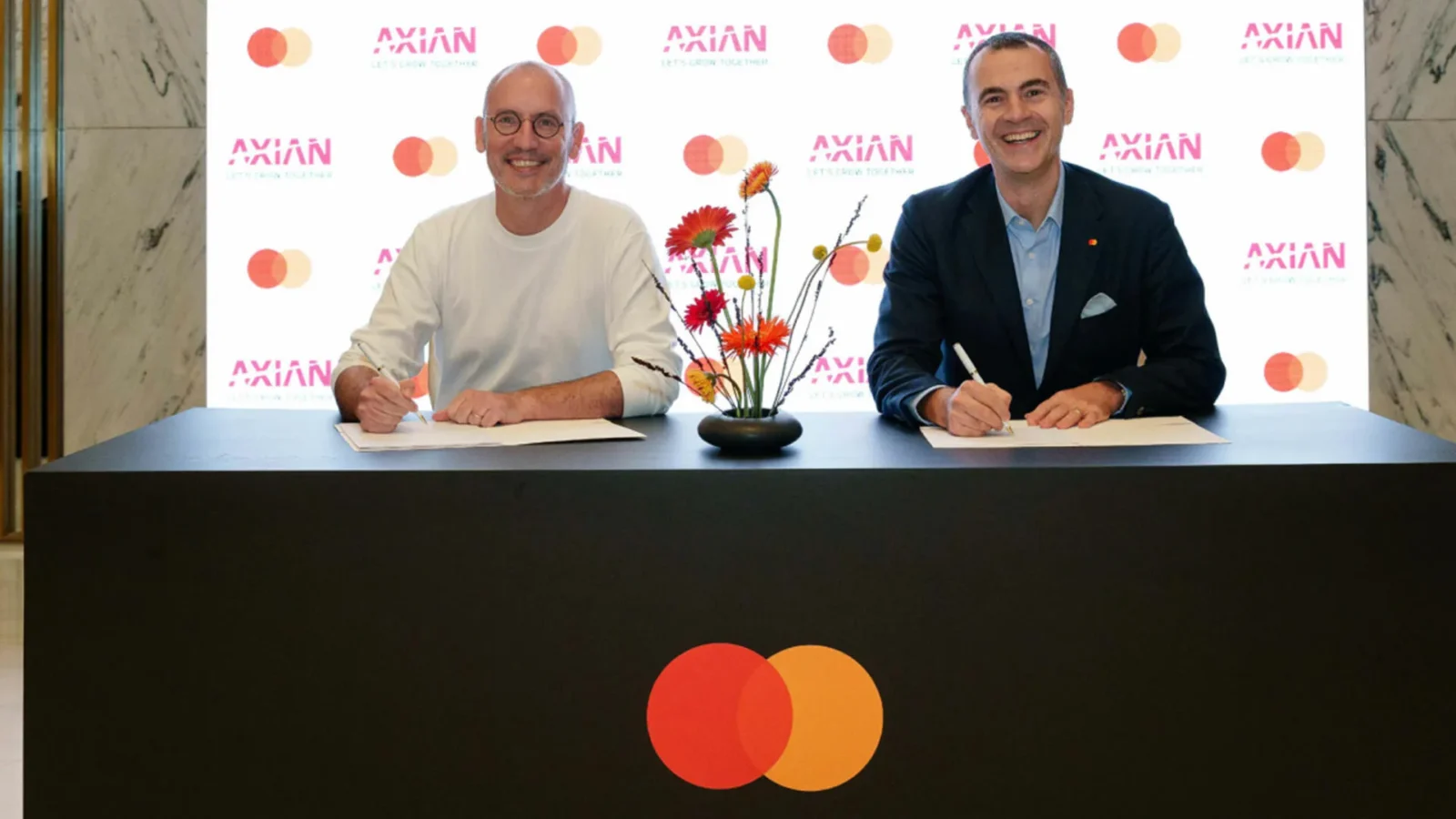
Mastercard has cemented a major strategic partnership with AXIAN Group to roll out a broad suite of digital payment tools across five pivotal African countries—Tanzania, Madagascar, Togo, Comoros, and Senegal. The initiative marks a significant milestone in expanding safe, modern, and inclusive financial services to millions of people across the continent, tackling the historical challenge of limited access to traditional banking infrastructure head-on. This comprehensive collaboration extends beyond simple payment provision; it aims to create an integrated financial ecosystem built entirely on mobile technology, which is the dominant platform for financial engagement in Sub-Saharan Africa.
The scale of the venture is immediately apparent, targeting diverse markets that span from the mobile-money mature environments of East Africa to the rapidly developing economies of West Africa. This geographical and economic breadth signals a coordinated effort to leverage AXIAN’s deep local market presence and telecommunications backbone, coupled with Mastercard’s global network, security, and payment processing capabilities. This unique synergy is positioned to unlock unprecedented levels of digital participation for consumers and, crucially, for the vast network of Small and Medium-sized Enterprises (SMEs) that form the economic engine of these nations.
Build the future you deserve. Get started with our top-tier Online courses: ACCA, HESI A2, ATI TEAS 7, HESI EXIT, NCLEX-RN, NCLEX-PN, and Financial Literacy. Let Serrari Ed guide your path to success. Enroll today.
The Imperative of Inclusion in a Mobile-First Economy
The need for this type of strategic alliance is underscored by the prevailing financial landscape across the continent. While traditional bank account penetration remains relatively low in many Sub-Saharan countries, the adoption of mobile money has exploded. According to recent industry reports, the region hosts over 850 million registered mobile money accounts, demonstrating that the mobile phone has become the primary conduit for financial transactions and savings. This reality forms the strategic bedrock of the Mastercard-AXIAN partnership, which seeks to fuse the ubiquity of mobile money with the security and international interoperability of global card networks.
Through this collaboration, consumers, small businesses, and entrepreneurs will gain access to virtual and physical payment cards, along with sophisticated merchant solutions integrated directly into AXIAN’s key digital platforms: Mixx and MVola. These tools are designed to help users pay and receive money securely from their mobile devices, dramatically reducing reliance on physical cash and strengthening formal participation in the digital economy. The integration is seamless; the moment a user activates a virtual card through the app, they gain instant access to a trusted global payment mechanism, bypassing the need for a traditional bank account or the often-prohibitive paperwork associated with credit or debit card applications.
The benefits for everyday consumers are transformational. For the first time, millions of users will have the ability to conduct transactions previously restricted to the banked population. This includes secure online shopping, subscription services, and international e-commerce. Crucially, the virtual cards allow users to view real-time exchange rates, and track or cancel transactions instantly within the Mixx or MVola app, giving them enhanced control over their financial activities. This transparency and security are paramount in fostering trust among new users in emerging digital markets.
Mastercard’s Executive Vice President for Market Development, Mete Guney, emphasised that technology continues to rapidly reshape how Africans engage with financial services. He noted that the partnership reflects Mastercard’s long-term commitment to supporting innovation, enabling safer transactions, and expanding financial access across Africa’s fast-growing digital ecosystem. For a global payment giant, the move represents a recognition that future growth is inextricably linked to collaboration with established local players who command the necessary customer trust and infrastructure.
Leveraging Local Infrastructure: The Power of Mixx and MVola
AXIAN Group, operating across numerous sectors including telecommunications, energy, and real estate, is uniquely positioned in the target markets, especially through its digital and telecom ventures. The selection of Mixx and MVola as the primary deployment vehicles is a reflection of their established consumer loyalty and deep integration into local economies.
MVola, specifically, is a dominant mobile money service in Madagascar, where it has played a significant role in driving financial inclusion within the island nation. Its success is built on providing accessible, low-cost services via mobile phones, catering to a population that is highly dispersed and often underserved by conventional banking institutions. By integrating Mastercard’s payment technology, MVola users—who already manage their day-to-day transactions on the platform—can now graduate to making international payments and engaging with the global e-commerce market using their existing mobile wallet balance. This integration instantly elevates the utility of the mobile money account from a domestic transfer and utility payment tool to a comprehensive global financial instrument.
Mixx, often associated with AXIAN’s broader telecommunications interests in markets like Togo and Senegal, provides a similar, potent channel for rapid adoption. These platforms are not merely apps; they are the financial lifelines for millions. Erwan Gelebart, CEO of AXIAN’s Digibank & Fintech cluster, highlighted the company’s ambition to play a central role in Africa’s digital transformation. He explained that the collaboration aims to provide practical, relevant financial tools that simplify daily life—whether for online shopping, sending money, or managing a business directly from a mobile app.
The merchant solution component is arguably the most impactful for economic growth. By equipping small businesses with integrated solutions, AXIAN and Mastercard are addressing the critical challenge of formalizing transactions. Merchants gain the ability to accept digital payments securely through their mobile devices or simple Point-of-Sale (POS) tools, moving them away from the risks and inefficiencies of cash handling. This immediate access to formal payment records not only streamlines their operations but also opens up pathways to formal credit and financial services later, which is essential for scaling up. For economies in the five target countries, increasing the rate of digital transactions directly contributes to improved GDP tracking and reduced shadow economies.
One decision can change your entire career. Take that step with our Online courses in ACCA, HESI A2, ATI TEAS 7, HESI EXIT, NCLEX-RN, NCLEX-PN, and Financial Literacy. Join Serrari Ed and start building your brighter future today.
Mastercard’s Vision for a Cashless Continent
The partnership with AXIAN fits squarely within Mastercard’s global commitment to bring 1 billion people and 50 million micro and small businesses into the digital economy by 2025. This commitment recognizes that, unlike mature markets where payment giants compete primarily with each other, in Africa, the true competition is against cash itself. Therefore, the strategy revolves around forging alliances with non-traditional financial actors, such as Mobile Network Operators (MNOs) and large regional conglomerates like AXIAN.
This approach is crucial in Sub-Saharan Africa, where the digital finance ecosystem is highly dynamic and competitive. While companies like Visa also vie for market share, Mastercard’s focus on co-creation with local platforms allows it to onboard users at scale without the heavy investment required to build infrastructure from scratch. The security and interoperability offered by the Mastercard network—which includes advanced features like tokenization and fraud prevention—are layered onto the existing trust and distribution channels of Mixx and MVola. This layering is what makes the virtual card feature so powerful: it provides the user with a payment credential that is globally accepted while ensuring that the underlying mobile money account remains protected.
The challenge of cross-border payments is a significant hurdle for African businesses and individuals. Sending money between the francophone West African markets (Togo, Senegal) and the East African/Indian Ocean markets (Tanzania, Madagascar, Comoros) is often slow, expensive, and complex, involving multiple intermediaries. The integration of Mastercard’s rails facilitates more efficient and affordable cross-border transactions, supporting the growing trend of intra-African trade and remittances. This capability empowers users, for example, to pay for goods from international suppliers or receive funds from family members abroad with greater speed and transparency than traditional methods.
Divergent Markets, Unified Strategy
The five markets targeted by the partnership represent a fascinating microcosm of the African digital economy, each with distinct characteristics that necessitate a tailored deployment approach, despite the unified product offering.
Madagascar and Tanzania, located in East Africa or the Indian Ocean region, possess comparatively high rates of digital adoption driven by mature mobile money ecosystems. In Madagascar, MVola’s strong presence means the immediate priority is adding global functionality and advanced merchant services to an already engaged user base. In Tanzania, where mobile money has flourished for over a decade, the new ecosystem must compete and integrate smoothly with established local providers, offering distinct value through international connectivity and card functionality.
Conversely, Togo and Senegal fall under the West African Monetary Union (UEMOA), where regulatory environments and market structures differ. While mobile money is popular, the push toward full interoperability and formal digital financial services is a major regulatory focus. In these markets, the introduction of Mastercard cards via Mixx helps formalize transactions and provides an essential on-ramp for users into the global financial system, aligning with regional efforts to boost financial inclusion. The regulatory landscape, which is often centralized under bodies like the Central Bank of West African States (BCEAO), demands a high degree of compliance and integration with national payment systems.
Comoros, being a smaller island nation in the Indian Ocean, represents a high-potential market where basic financial access is often limited due to geographical constraints and the lack of physical bank branches. Here, the mobile-first approach is truly revolutionary, allowing citizens to manage their finances and connect to the outside world without ever needing to step inside a physical bank. For these remote areas, empowering customers with modern financial solutions is essential to driving long-term economic participation, as noted by Erwan Gelebart.
The common thread across all five markets is the foundational presence of AXIAN’s infrastructure. By leveraging their existing customer relationships and distribution networks—from urban centers to rural villages—the partnership avoids the lengthy and capital-intensive process of establishing new physical touchpoints. Instead, they are utilizing the single most powerful device in the hands of the African consumer: the mobile phone.
The Future Economic Trajectory
The impact of this initiative extends well beyond individual transactions; it influences the economic trajectory of the participating nations. For governments and central banks, the shift to digital payments offers improved monetary policy tools, better data for economic planning, and enhanced mechanisms for tax collection, which are often challenging in cash-heavy economies. The security features embedded in the Mastercard system, including anti-fraud protocols and advanced tokenization technology, also enhance consumer confidence in using digital products. This reliability is vital for the long-term sustainability of the ecosystem.
Beyond immediate convenience, the partnership is expected to meaningfully expand financial inclusion across markets where access to traditional banking has historically been limited. By bridging gaps in service delivery, Mastercard and AXIAN hope to unlock new business opportunities, particularly for women entrepreneurs and youth, who are often marginalized by traditional financial institutions. Access to a universally accepted card platform provides small business owners with the ability to purchase inventory internationally, pay suppliers, and, most importantly, accept payments from tourists and international clients, integrating them into the global value chain.
The reaffirmed commitment to these high-growth markets by two major entities—a global payments leader and a major African conglomerate—signals strong confidence in the continent’s future. Industry leaders anticipate that continued investment in digital infrastructure will propel overall African economic growth, supporting entrepreneurship and contributing to the continent’s broader digital and economic advancement. As this ecosystem matures, the focus will undoubtedly shift toward developing more sophisticated financial products, such as micro-lending, digital insurance, and savings products, all layered onto the foundational payment rail established by this landmark agreement. The collaboration serves as a potent blueprint for how global technology and local expertise can be combined to drive significant, measurable change in emerging markets.
Ready to take your career to the next level? Join our Online courses: ACCA, HESI A2, ATI TEAS 7 , HESI EXIT , NCLEX – RN and NCLEX – PN, Financial Literacy!🌟 Dive into a world of opportunities and empower yourself for success. Explore more at Serrari Ed and start your exciting journey today! ✨
Track GDP, Inflation and Central Bank rates for top African markets with Serrari’s comparator tool.
See today’s Treasury bonds and Money market funds movement across financial service providers in Kenya, using Serrari’s comparator tools.
Photo source: Google
By: Montel Kamau
Serrari Financial Analyst
1st December, 2025