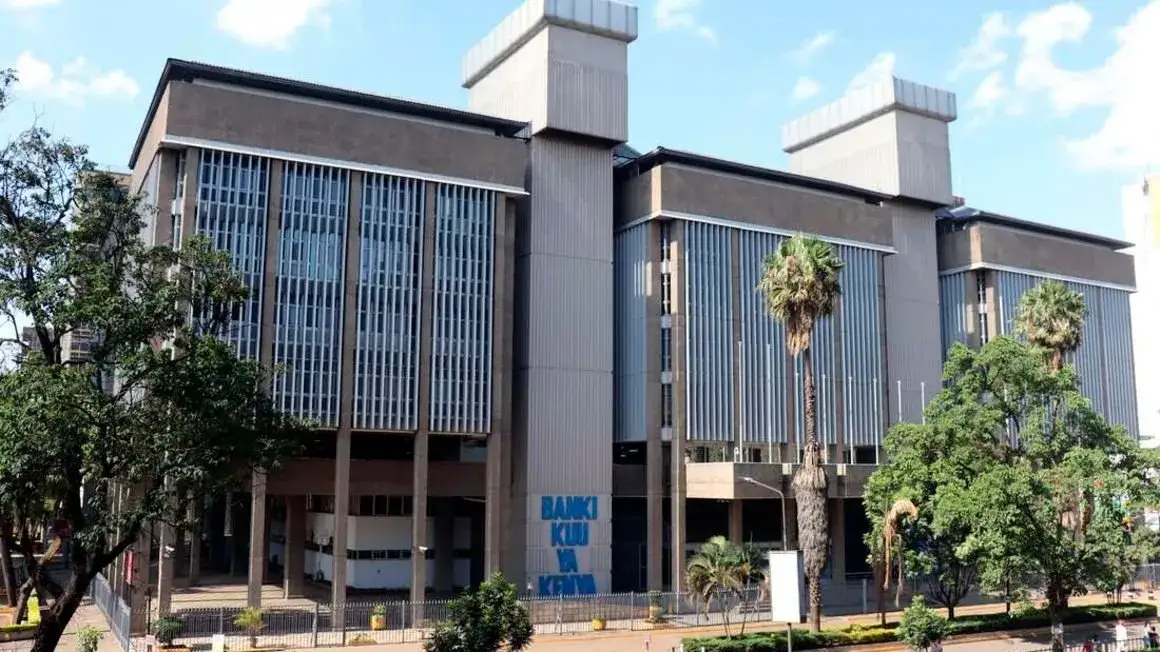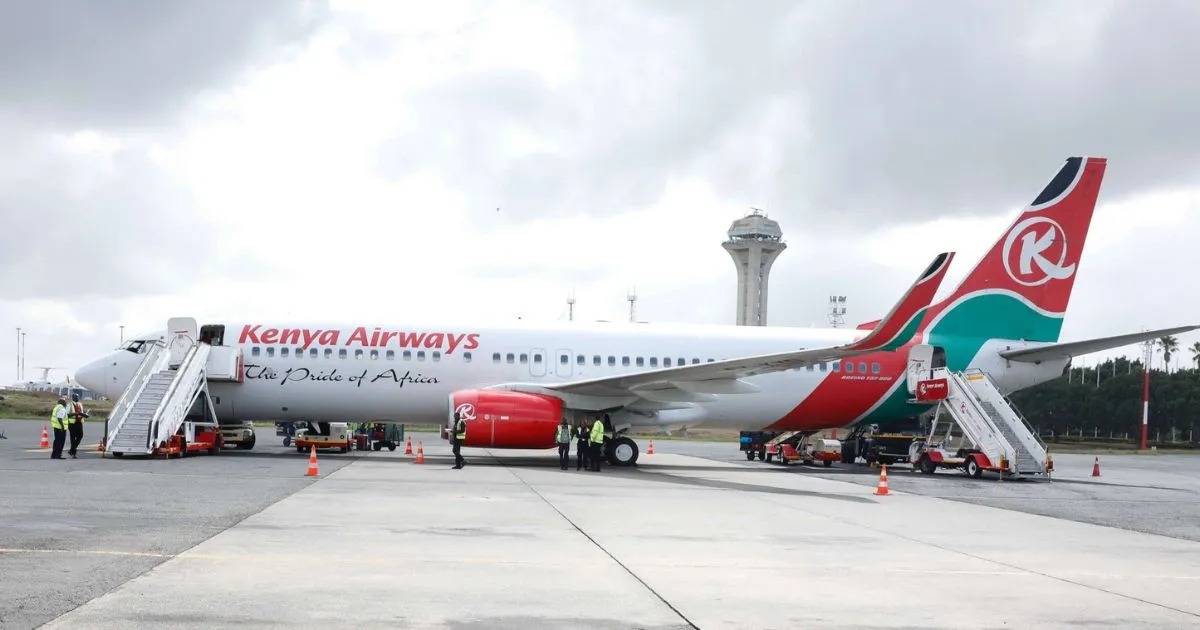











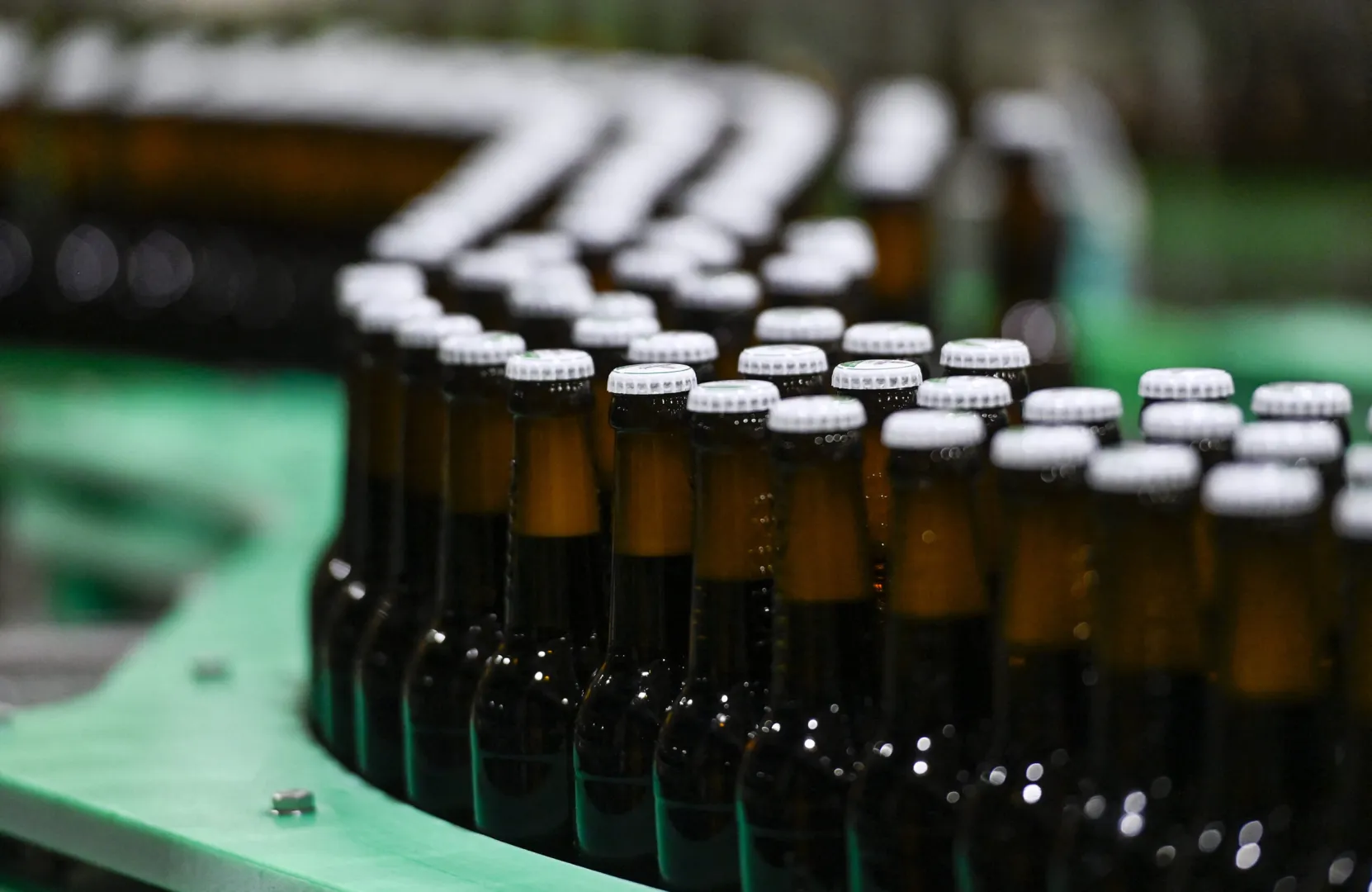
A longstanding commercial dispute has emerged as a potential obstacle to one of East Africa’s largest corporate transactions, as Kenyan beer distributor Bia Tosha has filed an urgent petition with Kenya’s High Court seeking to block British multinational Diageo’s $2.3 billion sale of its majority stake in East African Breweries Limited (EABL) to Japan’s Asahi Group Holdings. The legal challenge, rooted in a bitter distributorship dispute that dates back to 2016, threatens to delay or complicate completion of the transaction, which Diageo had planned to finalize in the second half of 2026.
The transaction encompasses Diageo’s entire stake in Diageo Kenya Limited, which holds 65% of EABL and a 53.68% stake in United Distillers Vintners Kenya (UDVK), representing Diageo’s complete exit from one of its most valuable African assets. According to information reported by Bloomberg, Bia Tosha requested suspension of the transaction because the distributor has pursued legal action since 2016 against Diageo, EABL, and UDVK over an alleged unfair competition dispute.
Build the future you deserve. Get started with our top-tier Online courses: ACCA, HESI A2, ATI TEAS 7, HESI EXIT, NCLEX-RN, NCLEX-PN, and Financial Literacy. Let Serrari Ed guide your path to success. Enroll today.
Court Certifies Case as Urgent
Kenya’s High Court has certified the case as urgent and scheduled a hearing for Friday, January 9, 2026, when the court is expected to issue its first directions on the matter. Kenneth Kiplagat, Bia Tosha’s lawyer, told Reuters that if Diageo succeeds in disposing of its only asset in Kenya, the firm would be unable to execute any judgment against the company. “If they succeeded in disposing [of] their only asset in Kenya, we will not be able to execute a judgment against Diageo,” Kiplagat explained to the news agency.
The application, filed under a certificate of urgency, asks the court to preserve the status quo over ownership and control of Diageo’s EABL stake until the underlying case is resolved. Bia Tosha’s legal team argues that the court’s jurisdiction and authority are at risk of being frustrated if the intended share sale proceeds, warning that Diageo would exit the country and make enforcement of any final orders “practically impossible.”
At this stage, Diageo has not publicly commented on the legal challenge. However, industry observers and legal experts suggest that the court action could delay completion of the transaction, which represents one of the largest corporate deals in Kenya’s recent history and marks the largest investment ever made by a major Japanese brewing group in an African alcohol business.
Origins of the Distribution Dispute
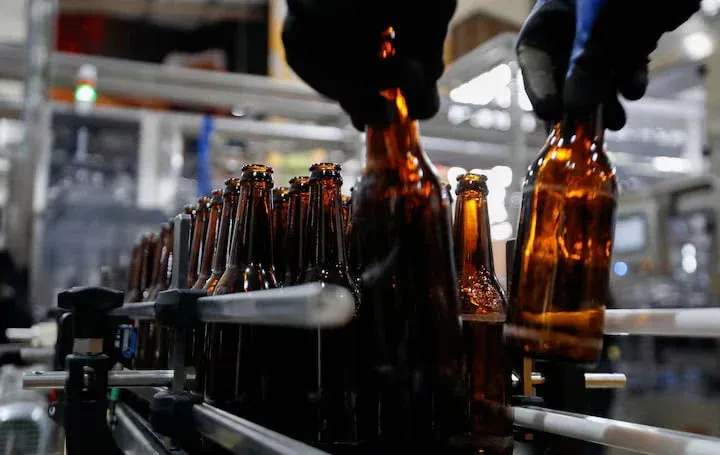
The dispute has its roots in distribution agreements between Bia Tosha and companies within the Diageo group. Bia Tosha has for years accused Kenya Breweries, UDV (Kenya), EABL, and Diageo of unlawfully repossessing its distribution territories and refusing to refund goodwill payments, actions it claims breached constitutional and competition law protections.
The long-running court battle started in 2016 after Bia Tosha accused Kenya Breweries Ltd (KBL) of terminating the distributorship contract entered between them in 2006. According to court documents, Bia Tosha had been operating as a distributor for EABL products across multiple territories including parts of Nairobi, Machakos, and Kajiado. When EABL terminated the contract, Bia Tosha took legal action over the alleged breach of contractual obligations.
The dispute escalated when EABL repossessed certain distribution routes, including Baba Dogo, Dandora, and Karobangi North, directing Bia Tosha to concentrate on larger routes. When the distributor asked for a refund of goodwill payments made under the original agreement, KBL rejected the demand, saying the amount was non-refundable. This refusal triggered intensive litigation as Bia Tosha accused KBL of unfair trade practices.
The case has wound through multiple levels of Kenya’s judicial system. The High Court initially referred the matter to arbitration, but Bia Tosha appealed against that decision and lost. The distributor then escalated the matter to the Supreme Court, which in February 2023 allowed the appeal by Bia Tosha and directed EABL to reinstate the distributor to the contested routes.
Allegations of Contempt and Continued Violations
In a supporting affidavit sworn by its managing director, Anne-Marie Burugu, Bia Tosha lists what it describes as “continued and contemptuous” disregard of orders issued by the High Court, the Court of Appeal, and the Supreme Court. Despite multiple court rulings in favor of the distributor, Bia Tosha alleges that EABL continues to trade illegally along distribution routes in Nairobi, Machakos, and Kajiado, in violation of the Supreme Court order.
Against this background, the distributor contends that Diageo’s proposed sale of its EABL stake is not an ordinary commercial transaction but a calculated move to defeat the court process. The application claims the transaction was timed for the Christmas holiday period to allow it to be fast-tracked before courts fully resumed in January. Bia Tosha’s advocate argues that the matter cannot wait until the next court term because regulatory approvals under capital markets rules could be sought and granted within days.
For years, Bia Tosha has sought a fine of up to $300 million from East African Breweries Limited, along with a six-month imprisonment penalty for the company’s directors. The fine Bia Tosha is seeking could be one of the largest ever imposed on a distributor by EABL, representing roughly 20% of the company’s sales.
Market Reaction and Transaction Details
The announcement of the legal challenge had immediate market impact. Diageo’s shares slipped 1.6% following news of the court petition, while EABL, which is listed on the Nairobi Securities Exchange, declined 0.5%. Market reaction has been measured, with analysts suggesting that investors are weighing whether the legal challenge could slow the transaction rather than fundamentally alter it.
The proposed transaction, announced by Diageo in December 2025, represents a significant restructuring of the British spirits giant’s African footprint. Under the terms of the deal, Asahi will acquire Diageo’s 100% shareholding in Diageo Kenya Limited, which in turn holds the majority stake in EABL, as well as Diageo’s interest in the Kenyan spirits business UDVK. The transaction values EABL at approximately $4.8 billion and would mark Asahi’s first major investment in African alcoholic beverages.
Despite the ownership transfer, Diageo will maintain its East African market presence through long-term licensing agreements. EABL will continue producing flagship brands including Guinness, Smirnoff, Captain Morgan, Smirnoff Ice, and Orijin under license, while also distributing Diageo’s international premium spirits portfolio. Local brands, including Tusker, Kenya Cane, and Serengeti Lager, will remain EABL-owned assets.
For Asahi, the acquisition represents entry into a growing regional market. “This business is a high-quality, leading company in Kenya, Uganda, and Tanzania, with an unrivalled brand portfolio and marketing capabilities,” said Atsushi Katsuki, president and CEO at Asahi Group Holdings. The company operates across these three East African nations and reported net sales of $996 million in fiscal year 2025.
Diageo’s Strategic Retreat from African Beer Markets
The proposed EABL sale forms part of Diageo’s broader strategic reconfiguration of its brewing activities across Africa, a systematic withdrawal that has accelerated significantly over the past three years. For several years, the British group has pursued targeted divestments to streamline its portfolio and shift toward a business model focused more heavily on licensing and local partnerships rather than direct ownership of brewing operations.
The African retreat began in earnest in 2022 when Diageo sold its Guinness Cameroon subsidiary to France’s Castel Group, marking the beginning of a comprehensive exit strategy from the continent’s brewing markets. The strategy continued in October 2024, when Diageo sold its stake in Guinness Nigeria to Singapore-based conglomerate Tolaram, ending decades of direct operations in Africa’s most populous nation.
In January 2025, Diageo announced the sale of its 80.4% stake in Guinness Ghana Breweries to Castel Group for $81 million, a transaction that was completed in July 2025. Under the terms of that agreement, Diageo retained ownership of the Guinness brand and other brands currently produced by Guinness Ghana, licensing them to the company under a new long-term licence and royalty agreement.
During the same month in July 2025, Diageo finalized the sale of its majority stake in Seychelles Breweries to Phoenix Beverages, a unit of Mauritius-based IBL Group, for approximately $80 million. As with other transactions, Diageo retained ownership of its brands and established licensing and royalty agreements, allowing it to maintain brand presence while exiting direct brewing operations.
Earlier exits also included Meta Abo Brewery in Ethiopia, sold to Castel Group in 2022. These sequential divestments underscore Diageo’s systematic pivot away from the continent’s volatile brewing markets toward what company officials describe as a “flexible and asset-light beer operating model” that allows it to select the most appropriate structure and route to market based on local conditions.
One decision can change your entire career. Take that step with our Online courses in ACCA, HESI A2, ATI TEAS 7, HESI EXIT, NCLEX-RN, NCLEX-PN, and Financial Literacy. Join Serrari Ed and start building your brighter future today.
Rationale Behind the African Exit Strategy
Diageo’s exit from direct brewing operations in Africa reflects multiple strategic considerations. The EABL divestment forms part of Diageo’s broader Accelerate program, unveiled in May 2025, which targets $500 million in cost savings over three years. That initiative came as Diageo braced for the impact of US tariffs, which the company estimated would cost approximately $150 million annually.
Chief Financial Officer Nik Jhangiani announced the substantial cost-cutting programme and indicated the company’s intention to offload non-core assets by 2028. The plan targets an increase in annual free cash flow to $3 billion, up from approximately $2.6 billion. Industry analysts from Bernstein and Jefferies have identified EABL as Diageo’s last significant brewing investment in Africa, arguing that the company’s brand equity makes it a valuable asset and a logical candidate for divestment.
The African continent contributes just 9% to Diageo’s global net sales, making the financial logic of exits increasingly compelling as the company faces pressure to improve profitability and streamline operations. With the continent’s beer markets characterized by intense competition, price sensitivity, regulatory complexity, currency volatility, and infrastructure challenges, Diageo has determined that an asset-light licensing model offers superior returns compared to direct ownership and operation of brewing facilities.
The pivot also reflects Diageo’s global strategic direction toward premium spirits rather than mass-market beer. As a spirits-focused company owning brands like Johnnie Walker, Smirnoff, Captain Morgan, Tanqueray, and Baileys, Diageo has determined that beer operations in challenging African markets represent a strategic misfit requiring disproportionate management attention and capital relative to their contribution to group profitability.
East African Breweries: A Crown Jewel Asset
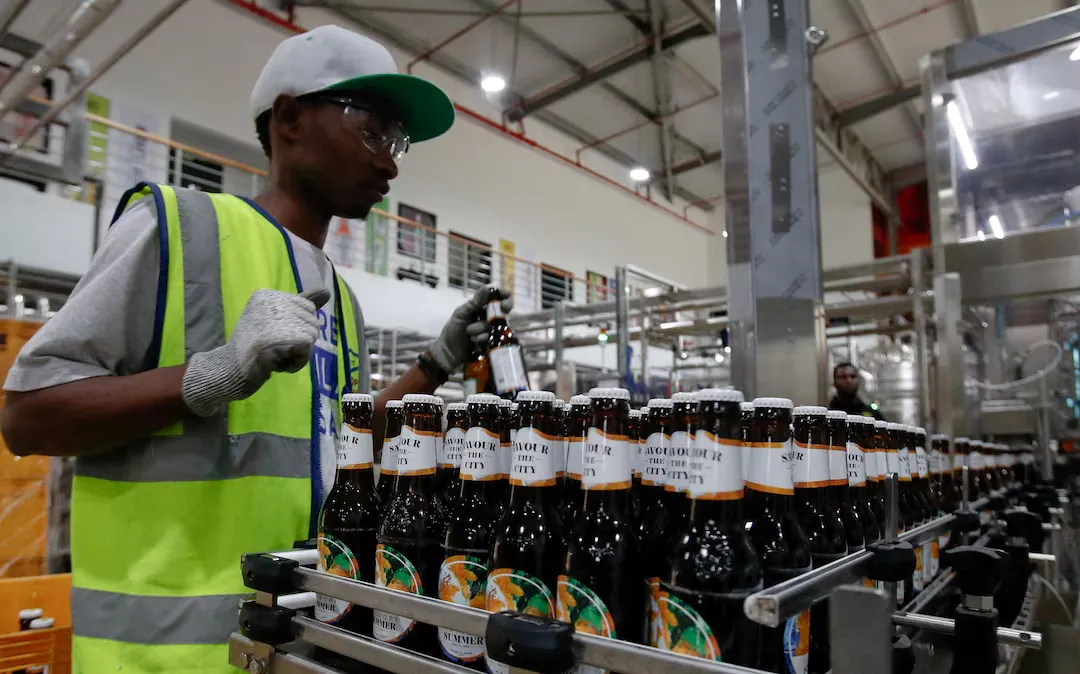
EABL represents Diageo’s most valuable African brewing asset and one of the continent’s premier beverage companies. Headquartered in Nairobi, Kenya, EABL has subsidiaries across East Africa including Kenya Breweries Limited, Uganda Breweries Limited, International Distillers Uganda Limited, Serengeti Breweries Limited, UDV (Kenya) Limited, and East African Maltings Limited. The business was created around its flagship product, Tusker, more than 100 years ago and has since expanded to encompass a comprehensive portfolio of beer, spirits, and adult non-alcoholic beverages.
The company’s financial performance has shown resilience despite regional challenges. In the first half of the 2025 financial year, EABL reported profit after tax surged by 19.6% to $61 million, while finance costs declined by more than 14%. Product volumes across Kenya, Tanzania, and Uganda recorded steady growth, with the company’s flagship brands—Tusker, Bell, and White Cap—continuing to enjoy strong loyalty and market penetration in East Africa.
For the full fiscal year 2025, EABL grew revenue 4% to Kes 128.8 billion (approximately $1 billion), with volume growing 2% as both beer and spirits enjoyed growth across markets. Currently, 65% of the business is owned by Diageo Kenya Limited, while 35% is held by other public shareholders. The company employs 1,674 people across its operations.
EABL’s significance to Kenya’s economy extends far beyond employment figures. The company contributes substantially to government tax revenue, supports extensive agricultural supply chains including barley and sorghum farmers, and plays a central role in Kenya’s capital markets as a blue-chip counter on the Nairobi Securities Exchange. Any change in ownership structure carries implications for employment, local suppliers, distributors, and broader investor confidence in Kenya’s corporate sector.
Implications for Kenya’s Beverage Sector
The potential completion of the Diageo-Asahi transaction, if it overcomes the current legal challenge, would reshape Kenya’s alcoholic beverages landscape. EABL commands dominant market positions in Kenya, Uganda, and Tanzania, making the change in controlling shareholder a significant event for the regional industry. Asahi’s entry brings a different strategic perspective and operational approach compared to Diageo’s historical management of the asset.
For Asahi, the acquisition represents a major strategic move into African markets and aligns with the Japanese brewer’s strategy to grow into new business areas and expand its geographical footprint. The African beer market is estimated to be worth $44 billion in 2024, with a compound annual growth rate of 6% from 2024 to 2033, according to Market Data Forecast. This growth is driven by Africa’s young and rapidly urbanizing population, rising disposable incomes among emerging middle classes, and increasing adoption of modern retail and consumption patterns.
However, success in African markets requires navigation of complex challenges including regulatory environments that can be unpredictable, infrastructure deficits that complicate distribution and cold chain management, intense price competition from both formal and informal competitors, and currency volatility that can erode profitability. Asahi will need to demonstrate that it can manage these challenges effectively while maintaining EABL’s market-leading positions and operational performance.
The licensing arrangements for Diageo’s global brands add an additional layer of complexity. EABL will continue to manufacture and distribute Guinness, Johnnie Walker, Smirnoff, and other Diageo brands under license, but strategic decisions about brand positioning, marketing investment, and product innovation will require coordination between Asahi as owner-operator and Diageo as brand owner. The success of similar arrangements in Ghana, Nigeria, and other markets where Diageo has exited direct operations while maintaining brand licensing will provide relevant precedents.
Legal Uncertainties and Transaction Timeline
The immediate question facing the transaction is how the High Court will respond to Bia Tosha’s petition at the January 9 hearing. The court has several options: it could grant Bia Tosha’s request for an injunction blocking the sale pending resolution of the underlying dispute; it could deny the injunction and allow the transaction to proceed; or it could impose conditions or require undertakings from Diageo to ensure that any eventual judgment in favor of Bia Tosha could still be enforced.
Legal experts note that courts typically consider several factors when evaluating requests for injunctions in commercial transactions. These include the likelihood of success on the merits of the underlying case, the balance of hardships between the parties, and the public interest. Bia Tosha will need to demonstrate that it has a strong case in the underlying distribution dispute and that irreparable harm would result if the sale proceeds before that dispute is resolved.
Diageo, when it eventually responds to the petition, is likely to argue that Bia Tosha’s concerns can be addressed through alternative mechanisms such as security for any potential judgment, and that blocking a $2.3 billion transaction affecting thousands of stakeholders based on a single distributor’s claims would be disproportionate. The company may also argue that Asahi, as the incoming owner, should not be prevented from acquiring the asset due to disputes between Bia Tosha and the current Diageo entities.
If the court grants even a temporary injunction, the transaction timeline would be significantly disrupted. Diageo had planned to finalize the sale in the second half of 2026, but extended litigation could push completion into 2027 or beyond, potentially affecting deal terms, financing arrangements, and regulatory approvals that may be time-sensitive. Extended delays could also create uncertainty for EABL’s management team, employees, suppliers, and shareholders, potentially affecting operational performance during the transition period.
Regulatory Approvals and Stakeholder Considerations
Beyond the court challenge, the transaction requires approvals from multiple regulatory authorities. In Kenya, the Competition Authority must review the transaction to ensure it does not create anti-competitive effects in the beer and spirits markets. The Capital Markets Authority must approve the change of control given EABL’s status as a publicly listed company with minority shareholders whose interests must be protected.
Similar regulatory reviews will be required in Uganda and Tanzania, where EABL operates substantial brewing operations. Regional competition authorities will examine whether Asahi’s entry and Diageo’s exit create any concerns about market concentration, vertical integration, or potential foreclosure of competitors. Given EABL’s dominant market positions, regulators will scrutinize the transaction carefully.
The transaction also raises questions about employee rights and protections. EABL’s 1,674 employees will technically be transferred to new ultimate ownership, although the local management and operational structures are expected to remain largely intact initially. Labor unions and employee representatives will want assurances about job security, compensation, benefits, and working conditions under the new ownership structure.
Suppliers to EABL, including barley farmers, packaging manufacturers, logistics providers, and other businesses in the extended value chain, will be watching closely to understand whether Asahi’s ownership might change procurement policies, payment terms, quality standards, or other aspects of commercial relationships. Any significant changes could ripple through Kenya’s agricultural and industrial sectors.
Conclusion: High-Stakes Transaction at Critical Juncture
The Bia Tosha legal challenge places one of East Africa’s largest corporate transactions at a critical juncture. What appeared to be a straightforward divestment by Diageo as part of its systematic exit from African brewing operations has encountered a significant legal obstacle rooted in a complex, years-long distribution dispute. The January 9 hearing will provide the first indication of how Kenya’s judicial system will balance the competing interests at stake.
For Diageo, successful completion of the transaction is important both financially and strategically. The $2.3 billion proceeds would strengthen the company’s balance sheet and provide capital for investment in higher-priority markets and brands. Continued ownership of EABL would tie up capital and management attention in a market the company has determined to be non-core to its long-term strategy.
For Asahi, the transaction represents a major strategic initiative to establish a significant presence in African beverage markets. Delay or complications in completing the acquisition could affect the company’s broader international expansion plans and potentially create uncertainty about its commitment to the African market opportunity.
For Bia Tosha, the legal challenge represents what it views as a final opportunity to secure meaningful remedies for what it alleges has been years of unfair treatment and disregard for court orders. The distributor’s argument that Diageo’s exit from Kenya would make enforcement of any favorable judgment “practically impossible” highlights the stakes from its perspective.
For Kenya’s broader business community and capital markets, the case will be watched as a test of how the country’s legal system handles complex commercial disputes involving major international corporations, large transactions, and competing stakeholder interests. The outcome could influence future foreign investment decisions and perceptions of Kenya’s legal and regulatory environment.
The coming weeks and months will determine whether this legal challenge proves to be a temporary obstacle that is resolved through negotiation or court decision, or whether it develops into a protracted dispute that fundamentally affects the trajectory and timing of one of East Africa’s most significant corporate transactions. Whatever the outcome, the case underscores the complex interplay between commercial strategy, legal obligations, and stakeholder interests that characterizes major cross-border transactions in African markets.
Ready to take your career to the next level? Join our Online courses: ACCA, HESI A2, ATI TEAS 7 , HESI EXIT , NCLEX – RN and NCLEX – PN, Financial Literacy!🌟 Dive into a world of opportunities and empower yourself for success. Explore more at Serrari Ed and start your exciting journey today! ✨
Track GDP, Inflation and Central Bank rates for top African markets with Serrari’s comparator tool.
See today’s Treasury bonds and Money market funds movement across financial service providers in Kenya, using Serrari’s comparator tools.
Photo source: Google
By: Montel Kamau
Serrari Financial Analyst
8th January, 2026
Article, Financial and News Disclaimer
The Value of a Financial Advisor
While this article offers valuable insights, it is essential to recognize that personal finance can be highly complex and unique to each individual. A financial advisor provides professional expertise and personalized guidance to help you make well-informed decisions tailored to your specific circumstances and goals.
Beyond offering knowledge, a financial advisor serves as a trusted partner to help you stay disciplined, avoid common pitfalls, and remain focused on your long-term objectives. Their perspective and experience can complement your own efforts, enhancing your financial well-being and ensuring a more confident approach to managing your finances.
Disclaimer: This article is for informational purposes only and does not constitute financial advice. Readers are encouraged to consult a licensed financial advisor to obtain guidance specific to their financial situation.
Article and News Disclaimer
The information provided on www.serrarigroup.com is for general informational purposes only. While we strive to keep the information up to date and accurate, we make no representations or warranties of any kind, express or implied, about the completeness, accuracy, reliability, suitability, or availability with respect to the website or the information, products, services, or related graphics contained on the website for any purpose. Any reliance you place on such information is therefore strictly at your own risk.
www.serrarigroup.com is not responsible for any errors or omissions, or for the results obtained from the use of this information. All information on the website is provided on an as-is basis, with no guarantee of completeness, accuracy, timeliness, or of the results obtained from the use of this information, and without warranty of any kind, express or implied, including but not limited to warranties of performance, merchantability, and fitness for a particular purpose.
In no event will www.serrarigroup.com be liable to you or anyone else for any decision made or action taken in reliance on the information provided on the website or for any consequential, special, or similar damages, even if advised of the possibility of such damages.
The articles, news, and information presented on www.serrarigroup.com reflect the opinions of the respective authors and contributors and do not necessarily represent the views of the website or its management. Any views or opinions expressed are solely those of the individual authors and do not represent the website's views or opinions as a whole.
The content on www.serrarigroup.com may include links to external websites, which are provided for convenience and informational purposes only. We have no control over the nature, content, and availability of those sites. The inclusion of any links does not necessarily imply a recommendation or endorsement of the views expressed within them.
Every effort is made to keep the website up and running smoothly. However, www.serrarigroup.com takes no responsibility for, and will not be liable for, the website being temporarily unavailable due to technical issues beyond our control.
Please note that laws, regulations, and information can change rapidly, and we advise you to conduct further research and seek professional advice when necessary.
By using www.serrarigroup.com, you agree to this disclaimer and its terms. If you do not agree with this disclaimer, please do not use the website.
www.serrarigroup.com, reserves the right to update, modify, or remove any part of this disclaimer without prior notice. It is your responsibility to review this disclaimer periodically for changes.
Serrari Group 2025