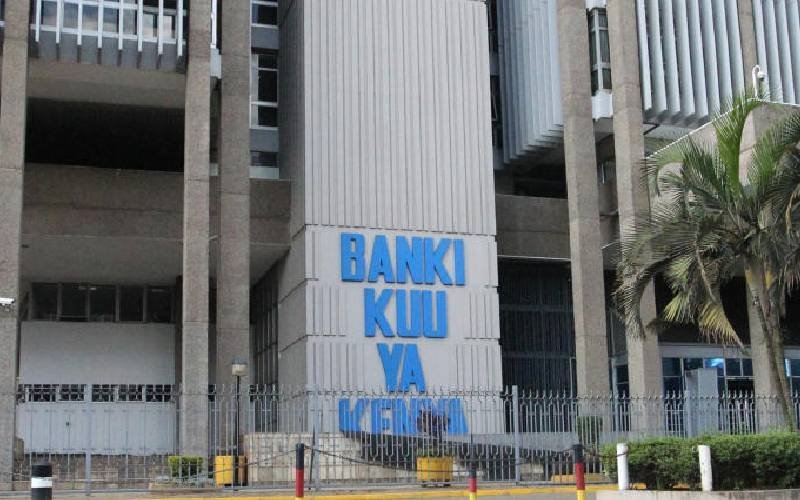
The Kenyan Treasury has managed to raise just Sh7.9 billion from the sale of government securities this week, falling significantly short of its target of Sh43 billion. Investor apathy and the Central Bank of Kenya’s (CBK) rejection of costly bids have weighed down on the nation’s financial market.
The sales, which included Treasury bills and a tap sale of September’s bond issue, were anticipated to generate substantial demand due to the enticing high interest rates on offer. However, investor bids failed to meet expectations.
The Treasury aimed to secure Sh24 billion from the sale of Treasury bills across three tenors: three, six, and twelve months. Regrettably, the government only managed to raise Sh4.52 billion. Investors submitted bids totaling Sh13.66 billion, but the CBK rejected Sh9.1 billion in a bid to curb the recent surge in interest rates on short-term securities. Just last week, the one-year paper hit an eight-year high of 15.22 percent in the previous auction.
During the recent sale, bidders demanded an average of 15.09 percent, 15.31 percent, and 16.5 percent on the 91-day, 182-day, and 364-day T-bills, respectively, marking an increase of 30 to 120 basis points compared to the previous week. The CBK, in a move to combat expensive bids, accepted rates averaging 14.82 percent, 14.95 percent, and 15.05 percent for the three, six, and twelve-month papers.
In the tap sale of the reopened 10-year and two-year bonds, investors offered the government Sh3.45 billion out of a Sh15 billion target, with the CBK accepting Sh3.39 billion. Bond yields were set at the rate of accepted bids in the initial sale earlier this month: 17.92 percent for the 10-year and 17.45 percent for the two-year option. Investors whose bids were previously rejected opted to abstain from the tap sale, signaling a standoff over interest rates with the CBK.
These developments have raised concerns about the escalating cost of domestic debt, prompting the Treasury to revise the net borrowing target for the current fiscal year to Sh415.3 billion, down from the initial budgeted amount of Sh586.5 billion. There are also apprehensions about the potential transmission of high interest rates to private sector borrowing costs, potentially hindering economic growth by making it challenging for businesses to secure funding for investment.
Photo Source: Google
October 1st, 2023
Delino Gayweh
Serrari Financial Analyst