Kenya is preparing for one of the most consequential capital-markets events in its modern history. For the first time in more than a decade, the government is bringing a strategic state-owned enterprise to the stock market in a deal that is not only large by local standards but also regionally significant. The planned Initial Public Offering (IPO) of Kenya Pipeline Company (KPC) will see the state sell a 65 percent stake in the country’s fuel transportation monopoly, raising approximately KSh 106.3 billion (about $824 million).
If successful, the KPC IPO will become the largest public offering in Kenya’s history, surpassing the landmark Safaricom listing of 2008 in local-currency terms and marking the country’s most ambitious privatisation since the early 2000s. But this transaction is not just about market records. It sits at the intersection of public debt stress, energy security, investor confidence, and the future of state ownership in Kenya.
At a time when Kenya’s public debt stands at roughly 72 percent of GDP, the government is under mounting pressure to find non-debt funding sources. The KPC IPO is therefore as much a fiscal strategy as it is a capital-markets milestone. It represents a deliberate shift away from borrowing and toward equity-based financing—while testing investor appetite for large-scale infrastructure assets in emerging markets.
Build the future you deserve. Get started with our top-tier Online courses: ACCA, HESI A2, ATI TEAS 7, HESI EXIT, NCLEX-RN, NCLEX-PN, and Financial Literacy. Let Serrari Ed guide your path to success. Enroll today.
A Landmark Offering After a Decade of Silence
Kenya’s equity market has not seen a major IPO since 2015, and the drought has weighed heavily on the Nairobi Securities Exchange (NSE). Trading volumes have thinned, listings have stagnated, and retail participation has ebbed and flowed with market cycles.
The KPC listing changes that narrative overnight.
The IPO opened for subscription on January 19, 2026, and will close on February 19, 2026, giving investors a full month to apply. Allocation results are scheduled to be announced on March 4, with final payments due on March 5, shares credited to CDS accounts on March 6, and trading officially commencing on the NSE on March 9, 2026.
In scale alone, the offering is historic. The government is offering 11.81 billion ordinary shares at a price of KSh 9.00 per share, implying a total equity valuation of approximately KSh 163.6 billion ($1.27 billion) for the company.
This eclipses Safaricom’s 2008 IPO, which raised just over KSh 50 billion, and signals a renewed willingness by the state to use public markets as a funding and governance tool.
Why Kenya Pipeline Company Matters
To understand why the KPC IPO is attracting such attention, one must first appreciate the company’s strategic importance.
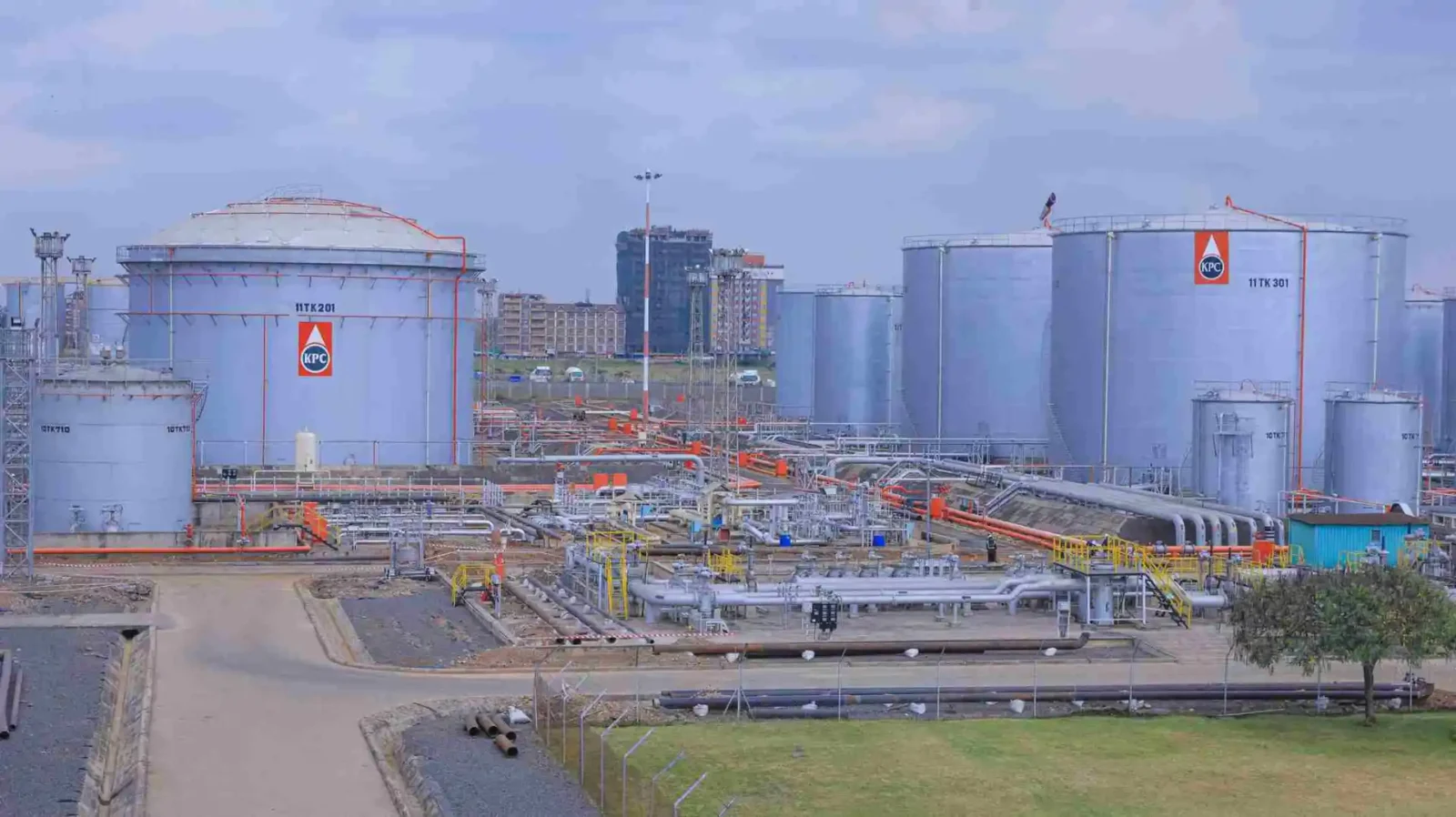
Kenya Pipeline Company operates the backbone of the country’s fuel transportation system. It owns and manages an extensive pipeline network stretching 1,342 kilometers, running from the Port of Mombasa to major consumption and storage centers across Kenya and into the broader East African region.
With an annual transportation capacity of approximately 14 billion litres of petroleum products, KPC plays a central role in:
- National energy security
- Fuel price stability
- Regional trade logistics
In practical terms, nearly every litre of fuel consumed in Kenya passes through KPC’s infrastructure at some point. This gives the company a near-monopoly in petroleum transportation—a rare feature among IPO candidates and a key driver of investor interest.
Unlike competitive consumer-facing businesses, KPC operates a regulated, infrastructure-based model with predictable demand, long asset life, and relatively stable cash flows.
Strong Financial Performance Underpins the Valuation
KPC is coming to market at a time of solid financial momentum.
For the financial year ended June 2025, the company reported:
- Pre-tax profit of KSh 16.5 billion, representing a 65 percent increase year-on-year
- EBITDA of KSh 18.59 billion, reflecting strong operational margins
- Earnings Per Share (EPS) of KSh 412.2 (pre-split)
- Dividend Per Share (DPS) of KSh 324.7 (pre-split)
After adjusting for the share split ahead of listing, these figures translate to:
- EPS: KSh 0.4122
- DPS: KSh 0.347
These metrics place KPC among the most profitable state-owned enterprises in Kenya and provide a strong foundation for its IPO valuation.
The government has priced the shares using an earnings-based valuation, specifically applying an EV/EBITDA multiple of 8.1 times. This multiple is broadly in line with regional infrastructure peers and reflects both KPC’s monopoly position and the regulatory environment in which it operates.
One decision can change your entire career. Take that step with our Online courses in ACCA, HESI A2, ATI TEAS 7, HESI EXIT, NCLEX-RN, NCLEX-PN, and Financial Literacy. Join Serrari Ed and start building your brighter future today.
How the Shares Will Be Allocated
One of the most carefully designed aspects of the KPC IPO is its share allocation framework, which seeks to balance public participation, institutional stability, and strategic stakeholder interests.
The 11.81 billion shares on offer will be distributed across six investor categories:
- 20% to Kenyan retail investors
(~2.36 billion shares) - 20% to Kenyan institutional investors
(pension funds, insurers, asset managers) - 20% to international investors
(to attract foreign capital and enhance liquidity) - 15% to Oil Marketing Companies (OMCs)
(key users of the pipeline infrastructure) - 5% to KPC employees
(to align staff incentives with company performance)
The government will retain 35% stake, ensuring continued strategic influence while significantly reducing direct state control.
This structure reflects lessons learned from past privatisations, particularly the importance of having:
- A stable institutional shareholder base
- Broad retail participation
- Alignment with industry stakeholders
Oil Marketing Companies: Strategic Buyers, Not Speculators
The decision to allocate 15 percent of the IPO to Oil Marketing Companies is especially noteworthy.
OMCs are not passive investors. They are core users of KPC’s infrastructure, and their inclusion in the shareholder base serves multiple purposes:
- Aligning customer and owner interests
- Reducing counterparty risk
- Enhancing long-term demand stability
By giving OMCs an equity stake, the government is effectively embedding KPC more deeply into the regional fuel supply chain, creating shared incentives for efficiency, expansion, and reliability.
Employees as Shareholders: A Cultural Shift
The 5 percent employee allocation represents a significant cultural shift for a traditionally state-run enterprise.
Employee ownership is expected to:
- Improve productivity and accountability
- Strengthen internal governance
- Reduce resistance to post-listing reforms
For KPC staff, the IPO is not just a liquidity event—it is a transformation in how the company is perceived and managed internally.
A Fiscal Strategy Disguised as a Market Event
While the IPO has been framed as a capital-markets milestone, its underlying motivation is unmistakably fiscal.
Kenya’s public debt burden has climbed steadily over the past decade, reaching approximately 72 percent of GDP. Servicing costs have risen sharply, consuming a growing share of government revenue and limiting fiscal flexibility.
Against this backdrop, the KPC IPO offers several advantages:
- Raises large-scale funding without new borrowing
- Reduces future dividend dependence on SOEs
- Signals fiscal discipline to international markets
- Supports the shilling by attracting foreign inflows
President William Ruto has made it clear that reducing state ownership in commercial enterprises is a central pillar of his economic strategy. The KPC listing follows closely on the heels of moves to partially divest holdings in other major entities, including Safaricom.
Why Investors Are Paying Attention
Investor interest in the KPC IPO is being driven by a combination of factors rarely seen together in emerging-market listings:
- Monopoly Infrastructure Asset
Predictable demand and regulated pricing - Strong Profitability and Dividends
KPC’s dividend profile is attractive in a yield-hungry market - Large Deal Size
Meaningful enough to interest global funds - Scarcity Value
Few large Kenyan IPOs in recent years - Macro Context
Equity funding as an alternative to debt
For international investors in particular, the deal offers exposure to East Africa’s energy logistics sector without the operational complexity of greenfield projects.
Risks Investors Will Be Watching Closely
Despite its strengths, the IPO is not without risks.
Regulatory Risk
Fuel transportation tariffs are regulated, meaning revenue growth depends partly on government policy.
Political Risk
State retention of a 35% stake ensures influence but also raises questions about future interference.
Concentration Risk
KPC’s fortunes are tightly linked to petroleum demand, even as the global energy transition accelerates.
Market Absorption Risk
At this size, the IPO will test the depth of Kenya’s capital markets and the ability of investors to absorb such a large issuance without crowding out other stocks.
A Turning Point for Kenya’s Capital Markets
Beyond KPC itself, the IPO has wider implications for Kenya’s financial ecosystem.
A successful listing could:
- Revive the IPO pipeline
- Encourage other state-owned and private firms to list
- Boost retail investor confidence
- Deepen market liquidity
Failure, by contrast, would reinforce skepticism about the NSE’s ability to support large-scale offerings.
In this sense, KPC’s IPO is a referendum on Kenya’s capital markets as much as it is an investment opportunity.
Comparing KPC to the Safaricom IPO
The Safaricom IPO of 2008 was driven by consumer enthusiasm and brand recognition. KPC’s offering is different:
- Less emotional
- More institutional
- More infrastructure-focused
Yet both share a common theme: redefining the relationship between the Kenyan state, its citizens, and the capital markets.
What Happens After Listing?
Post-listing, KPC will face new expectations:
- Higher disclosure standards
- Market-driven valuation discipline
- Pressure to optimize operations
- Scrutiny from global investors
The government, meanwhile, will need to balance its remaining ownership role with respect for minority shareholders.
Conclusion: More Than an IPO
The Kenya Pipeline Company IPO is not just the largest share sale in Kenya’s history. It is a statement of intent.
It signals a shift in how the Kenyan state funds itself, how it manages strategic assets, and how it engages with both domestic and global investors. In an era of fiscal constraint and rising debt, the move toward equity financing marks a pivotal change in policy thinking.
Whether the IPO ultimately succeeds will depend on execution, pricing discipline, and investor confidence. But regardless of the outcome, KPC’s market debut will stand as one of the defining economic events of the decade—reshaping Kenya’s capital markets and setting a precedent for future privatisations across the region.
photo source: Google
By: Elsie Njenga
26th January, 2026