










Kenya’s agriculture sector recorded its slowest growth rate in over two years during the third quarter of 2025, expanding by just 3.2 percent as declining production in key export crops overshadowed gains in dairy and horticulture sectors. The subdued performance, down from 4.0 percent growth in the corresponding period of 2024, reflects mounting challenges facing Kenya’s agricultural backbone including adverse weather conditions, global market volatility, and persistent structural constraints that continue to undermine the sector’s potential.
According to the latest Quarterly Gross Domestic Product report released by the Kenya National Bureau of Statistics (KNBS), the agricultural slowdown occurred despite the sector’s critical role in supporting Kenya’s broader economy, which expanded by 4.9 percent during the review period, up from 4.2 percent in Q3 2024. Agriculture, forestry, and fishing remained among the main pillars supporting Kenya’s economic growth, highlighting the sector’s continued importance despite its deceleration.
Build the future you deserve. Get started with our top-tier Online courses: ACCA, HESI A2, ATI TEAS 7, HESI EXIT, NCLEX-RN, NCLEX-PN, and Financial Literacy. Let Serrari Ed guide your path to success. Enroll today.
Bright Spots: Dairy and Floriculture Performance
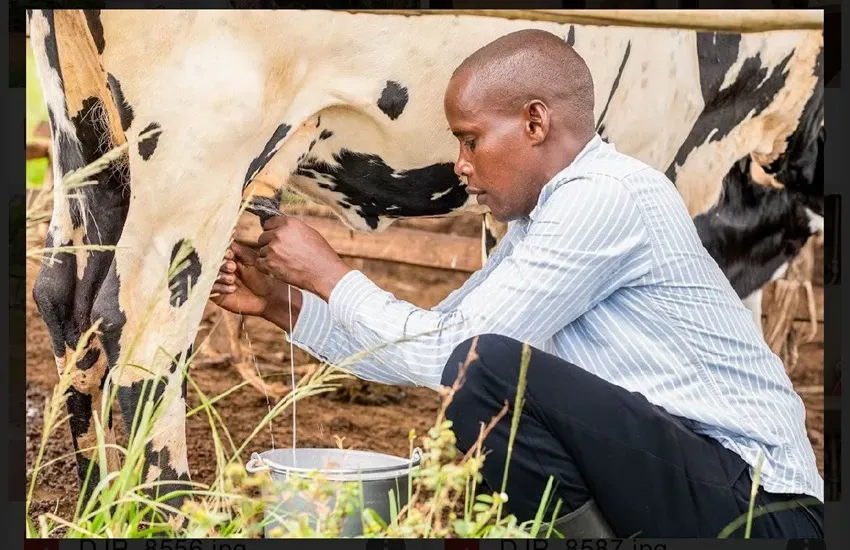
The quarter’s agricultural performance was anchored by two subsectors that demonstrated exceptional strength. Milk deliveries to processors surged by 9.7 percent to 249.0 million litres, reflecting improved productivity in dairy farming regions and benefiting from favorable weather conditions in key milk-producing counties including Kiambu, Nakuru, and Nyandarua. The dairy sector’s robust performance improved household cash flow in dairy-dependent regions and generated increased economic activity for input suppliers, veterinary services, cooling and storage facilities, and packaging firms throughout the value chain.
Cut flower exports registered even more impressive growth, jumping 36.2 percent to 31,277 metric tonnes during the quarter. Kenya’s floriculture sector, which primarily serves European markets including the Netherlands, United Kingdom, and Germany, benefited from strong demand ahead of the holiday season, favorable exchange rates that enhanced competitiveness, and continued improvements in cold chain logistics and air freight capacity. The flower sector’s performance provided crucial foreign exchange earnings and sustained employment for thousands of workers, predominantly women, in flower farms concentrated around Naivasha, Thika, and other horticultural zones.
“The growth was supported by an increase in milk production and exports of cut flowers,” KNBS noted in its quarterly report, underscoring these two subsectors’ outsized contribution to maintaining positive agricultural growth despite widespread challenges elsewhere in the sector.
Sharp Declines in Key Export Crops
The positive dairy and flower performance, however, could not offset significant contractions in Kenya’s traditional export crops that have historically formed the backbone of agricultural foreign exchange earnings. Coffee exports experienced a dramatic collapse, plummeting from 17,732.8 metric tonnes in Q3 2024 to just 8,312.7 metric tonnes in the quarter under review—a decline of more than 53 percent. This steep drop reflects multiple factors including reduced production due to aging coffee trees and inadequate replacement planting, processing delays that affected bean quality and market timing, fluctuating global commodity prices that created uncertainty, and logistical challenges in getting coffee from farms to export markets.
Vegetable exports similarly suffered steep declines, falling from 20,480.9 metric tonnes to 16,617.0 metric tonnes between Q3 2024 and Q3 2025. The vegetable export sector, which supplies European supermarkets with products including French beans, snow peas, and Asian vegetables, faced headwinds from increased competition from other producing countries, stringent food safety and quality standards that some Kenyan producers struggled to meet consistently, and transportation cost increases that eroded profit margins.
Fruit exports also recorded concerning weakness, declining by 5 percent to 58,414.5 metric tonnes. The fruit sector, which includes avocados, mangoes, and other produce destined for Middle Eastern and European markets, encountered challenges from weather-related quality variations, market access barriers in key destinations, and competition from South American producers who have aggressively expanded their market share.
Staple Crops Face Production Challenges
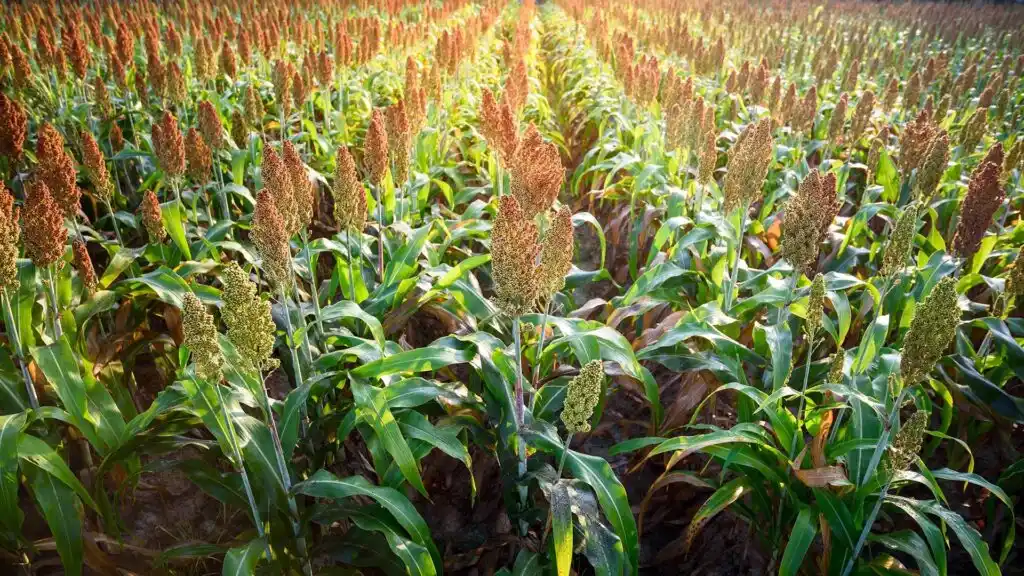
Beyond export crops, Kenya’s staple agricultural commodities recorded notable contractions that raised concerns about domestic food security and industrial supply chains. Cane deliveries for sugar production dropped precipitously from 2,526.7 thousand metric tonnes in Q3 2024 to 1,350.0 thousand metric tonnes in Q3 2025—a decline of nearly 47 percent that reflected both production challenges at farm level and operational difficulties at sugar mills.
The sugar sector’s troubles stem from multiple interrelated factors including delayed payments to farmers that discourage cane cultivation, aging factory equipment at many mills that reduces processing efficiency, organizational and governance challenges within sugar companies, and competition from imported sugar that has undermined local production incentives despite protective tariffs. The sharp production decline threatens to widen Kenya’s sugar deficit, potentially necessitating increased imports and raising concerns about the sector’s viability.
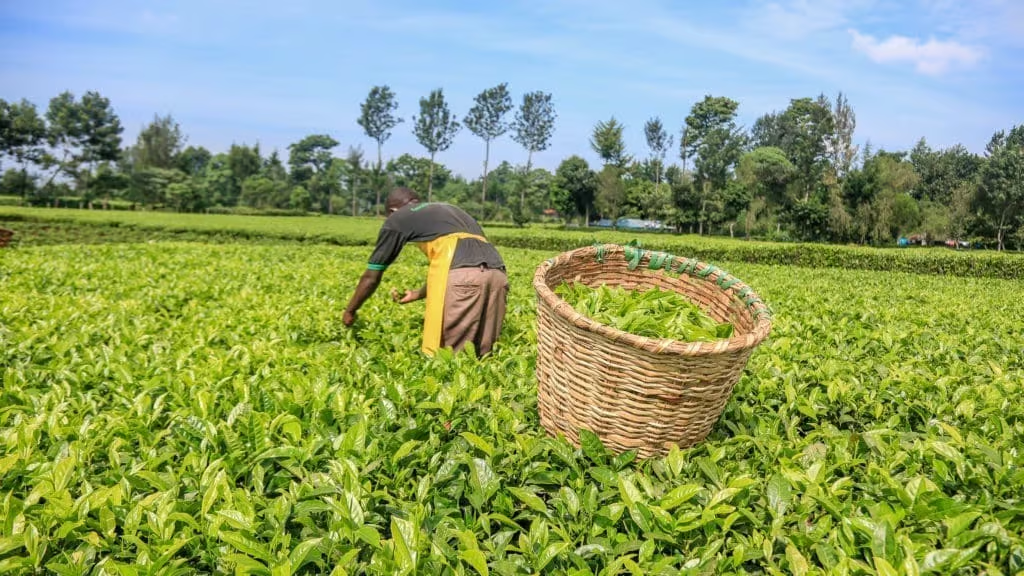
Tea production, Kenya’s largest agricultural export earner, declined by 2.8 percent to 118.4 thousand metric tonnes during the quarter. This contraction occurred amid challenging conditions that have characterized Kenya’s tea sector throughout 2025. The country’s tea production fell 12 percent in the first half of 2025 to 283.25 million kilograms from 323.30 million kilograms in the corresponding period of 2024, attributed to prolonged dry and sunny conditions and reduced rainfall following the end of the long rains season.
Weather patterns remained the primary culprit affecting tea yields, with prolonged dry periods and inadequate rainfall in key tea-growing regions including Kericho, Nandi, and parts of Nyamira County reducing bush productivity. Tea bushes require consistent moisture to produce optimal yields, and the rainfall deficits experienced during critical growing periods translated directly into lower green leaf harvests. Estate production faced particular challenges, with large-scale plantations recording steeper declines than smallholder farms in some regions.
The tea sector’s struggles extended beyond production volumes to encompass market and pricing challenges. Kenya’s tea exports declined in the first half of 2025, dropping to 274.6 million kilograms between January and June compared to 302.8 million kilograms during the same period in 2024. Auction prices remained under pressure, with average prices falling below historical levels as global oversupply conditions persisted and demand from key markets including the United Kingdom, Russia, and Sudan remained subdued due to economic challenges and geopolitical factors.
Sectoral Volatility Throughout 2025
The Q3 agricultural slowdown represents a continuation of uneven performance throughout 2025. Q2 growth came in at 4.4 percent, down slightly from 4.5 percent in the corresponding quarter of 2024, while Q1 2025 posted more robust 6.0 percent growth. This volatility reflects agriculture’s inherent vulnerability to weather variations, market price fluctuations, and the challenges of coordinating production and marketing across millions of smallholder farmers who dominate Kenyan agriculture.
The sectoral growth pattern throughout the year underscores agriculture’s sensitivity to seasonal rainfall variations that affect planting, growing, and harvesting cycles. Kenya’s heavy reliance on rain-fed agriculture—with less than 20 percent of cultivated land under irrigation—means that rainfall timing and distribution exercises outsized influence on agricultural outcomes. The disappointing performance of short rains in late 2024 and early 2025 established challenging baseline conditions that persisted through subsequent quarters.
Underlying Structural Challenges
The slowdown in Kenya’s agricultural sector reflects both immediate cyclical pressures and deeper structural challenges that have constrained the sector’s performance for years. Kenya’s reliance on smallholder production—with an estimated 75 percent of agricultural output coming from farms smaller than five hectares—creates coordination challenges in adopting improved practices, accessing quality inputs, and reaching export markets with consistent volumes and quality standards.
Smallholder farmers face persistent challenges including limited access to affordable credit for purchasing improved seeds, fertilizers, and equipment, inadequate extension services to provide technical guidance on best practices, poor rural road networks that increase transportation costs and post-harvest losses, and limited bargaining power when selling to middlemen and processors. These constraints compound weather-related production challenges and reduce the sector’s resilience when facing external shocks.
Climate variability has intensified in recent years, with increasingly unpredictable rainfall patterns, more frequent droughts in arid and semi-arid regions, and occasional flooding events that damage crops and infrastructure. Kenya’s agriculture sector remains largely dependent on seasonal rainfall rather than irrigation, leaving production highly exposed to weather variations. While the government has prioritized irrigation expansion, progress remains slow and the vast majority of agricultural land continues to depend on natural rainfall.
Global commodity market volatility has affected Kenyan farmers’ returns, particularly for export crops like coffee and tea where international prices are set by global supply-demand dynamics beyond Kenya’s control. When global coffee or tea prices decline due to oversupply or weak demand in consuming countries, Kenyan farmers receive lower returns regardless of their production efforts. This price risk, combined with production uncertainties, creates income instability that discourages investment and undermines long-term planning.
One decision can change your entire career. Take that step with our Online courses in ACCA, HESI A2, ATI TEAS 7, HESI EXIT, NCLEX-RN, NCLEX-PN, and Financial Literacy. Join Serrari Ed and start building your brighter future today.
Economic and Social Implications
The agricultural sector’s subdued performance carries significant implications for Kenya’s broader economy and society. Agriculture remains Kenya’s largest employer, with an estimated 40 percent of the total workforce and over 70 percent of the rural population deriving their livelihoods from farming and related activities. Lower agricultural growth translates directly into reduced rural incomes, affecting purchasing power and living standards for millions of Kenyans concentrated in agricultural regions.
Foreign exchange earnings from agricultural exports represent a critical component of Kenya’s balance of payments, helping finance imports of petroleum, machinery, and other essential goods. The sharp declines in coffee, vegetable, and fruit exports during Q3 2025 reduced dollar inflows at a time when Kenya faces pressure to service external debt obligations and maintain adequate foreign exchange reserves. The widening current account deficit to KSh 135.3 billion from KSh 43.5 billion in Q3 2024 reflects in part the agricultural sector’s export challenges.
Supply chains for agro-based industries—including food processing, packaging, transportation, and retail sectors—depend heavily on consistent agricultural output. Production shortfalls in crops like sugarcane affect sugar mills’ capacity utilization and employment levels, while reduced coffee volumes impact the operations of coffee processors, exporters, and related logistics firms. These downstream effects multiply the agricultural sector’s economic impact beyond farm-gate production.
Other Sectors Compensate for Agricultural Weakness
Despite the agricultural slowdown, Kenya’s overall economy maintained respectable 4.9 percent growth during Q3 2025 thanks to strong performances in other sectors that cushioned agriculture’s underperformance. The construction sector staged a remarkable recovery, rebounding from a 2.6 percent contraction in Q3 2024 to record 6.7 percent growth, driven by a 16.2 percent rise in cement consumption, increased imports of iron, steel, and bitumen for infrastructure projects, and expanded credit to construction enterprises rising from KSh 129.2 billion to KSh 195.3 billion.
The mining and quarrying sector posted even more impressive recovery, expanding by 16.6 percent after contracting 12.2 percent in Q3 2024. This rebound reflected increased extraction of minerals including titanium, quarrying of construction materials to support the building boom, and improved commodity prices for some mineral products.
Several service sectors also contributed robustly to economic growth. Accommodation and food services surged by 17.7 percent, boosted by Kenya co-hosting the African Nations Championship (CHAN) football tournament, which drove a 9.9 percent increase in international visitor arrivals through major airports and generated substantial tourism revenue. Real estate expanded by 5.7 percent, financial and insurance services by 5.4 percent, and transport and storage by 5.2 percent, demonstrating the economy’s diversification beyond traditional agricultural dependence.
The Central Bank of Kenya’s monetary policy easing—lowering the Central Bank Rate from 12.75 percent in September 2024 to 9.50 percent by September 2025—stimulated lending across sectors. Average commercial bank loan rates declined to 15.07 percent, easing the cost of capital for businesses and supporting economic activity even as agriculture struggled.
Government Response and Policy Initiatives
The Kenyan government has acknowledged agriculture’s challenges and implemented various initiatives aimed at boosting sector performance. President William Ruto’s administration has emphasized agricultural transformation as a priority, citing the registration of seven million farmers in a digital platform as evidence of reform progress. This digitization effort aims to improve farmer access to inputs, credit, extension services, and market information.
Fertilizer subsidy programs have sought to reduce input costs and encourage increased fertilizer application to boost yields. However, implementation challenges including delayed delivery, inadequate quantities, and quality concerns have limited effectiveness in some regions. The government has also pursued irrigation expansion initiatives, though progress remains below targets set in national development plans.
For the troubled tea sector, the government introduced tax exemptions on tea packaging materials to lower production costs and implemented reforms in tea governance and payment systems aimed at ensuring farmers receive better returns more promptly. Plans for establishing Special Economic Zones at Dongo Kundu in Mombasa for local processing of tea and coffee before export aim to capture more value addition domestically rather than exporting raw commodities.
Coffee sector reforms have focused on addressing payment delays, improving quality standards, and connecting farmers directly to international markets through the Nairobi Coffee Exchange. However, structural challenges including aging trees, fragmented holdings, and limited investment in processing infrastructure continue to constrain sector revitalization.
Looking Ahead: Challenges and Opportunities
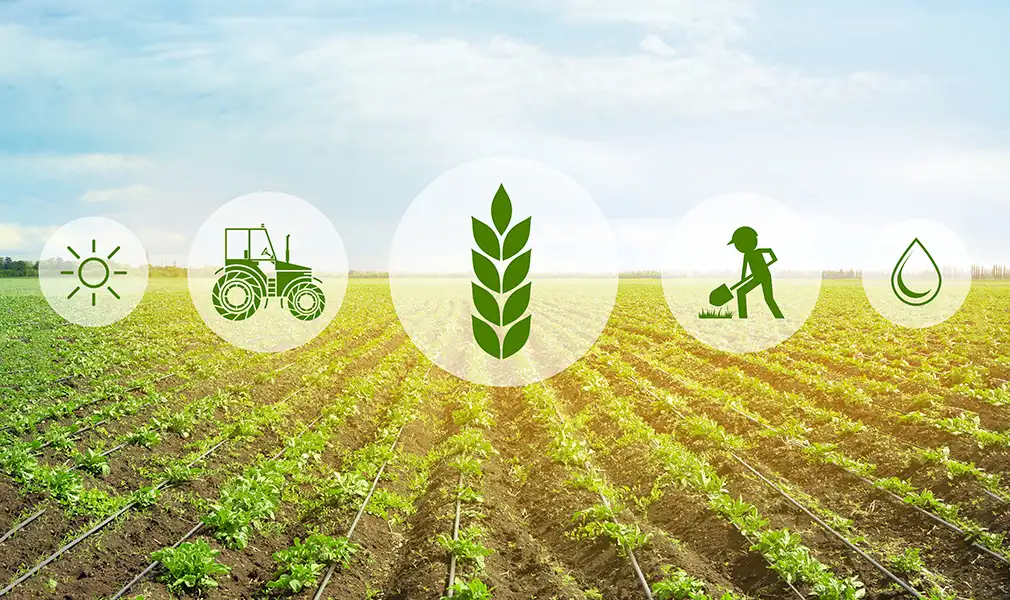
The agricultural sector’s trajectory in coming quarters will depend critically on weather patterns, global commodity prices, and the effectiveness of ongoing reform initiatives. Early forecasts from the Kenya Meteorological Department suggest mixed prospects, with normal to above-average rainfall expected in some regions but flood risks in low-lying areas and potential dry spells in arid and semi-arid lands.
Climate adaptation strategies will prove increasingly important as weather patterns become more unpredictable. Expansion of irrigation infrastructure, adoption of drought-resistant crop varieties, improved soil and water conservation practices, and enhanced early warning systems represent critical interventions for building agricultural resilience. However, these measures require sustained investment and effective implementation reaching millions of smallholder farmers.
Diversification beyond traditional export crops offers opportunities for reducing vulnerability to single commodity price swings. Growth in African indigenous vegetables, expansion of avocado and other fruit production for emerging markets, development of dairy value chains beyond liquid milk to include cheese and yogurt products, and cultivation of high-value crops like macadamia could broaden income sources and reduce dependence on coffee and tea.
Value addition and processing domestically rather than exporting raw agricultural commodities would capture more economic value within Kenya, create additional employment in processing and packaging, and potentially command premium prices in international markets for branded Kenyan products. However, achieving this requires investment in processing facilities, meeting stringent food safety standards, developing marketing and distribution capacity, and overcoming logistical challenges.
The informal sector’s dominance in agricultural marketing and distribution creates both opportunities and challenges. While informal markets provide flexibility and reach remote areas, they also involve quality losses, price inefficiencies, and limited ability to meet export standards. Strengthening formal market channels while preserving informal networks’ benefits represents a delicate balancing act.
The Broader Economic Context
Agriculture’s 3.2 percent growth, while disappointing relative to recent performance and the sector’s potential, must be viewed within Kenya’s broader economic context. The economy’s overall 4.9 percent expansion demonstrates that Kenya has achieved some level of economic diversification beyond pure agricultural dependence, with services, construction, and other sectors capable of sustaining growth even when agriculture struggles.
However, this diversification remains incomplete and uneven. Agriculture continues to employ the majority of Kenya’s workforce and dominates rural economies where poverty rates are highest. The sector’s performance therefore retains outsized influence on poverty reduction, food security, rural incomes, and social stability. A prolonged agricultural slowdown would eventually constrain economy-wide growth by limiting rural purchasing power, reducing raw material supplies for industry, constraining export earnings, and potentially triggering food price inflation.
Kenya’s development plans target achieving middle-income status and the Sustainable Development Goals, objectives that require broad-based economic growth reaching all regions and population segments. Agriculture’s inclusive potential—given its dispersed nature and employment of less-skilled workers—makes sector transformation critical for achieving these broader development objectives. The Q3 2025 growth slowdown underscores the urgency of addressing agriculture’s structural constraints while managing cyclical challenges.
Conclusion: Navigating Uncertain Terrain
Kenya’s agricultural sector faces a challenging period characterized by weather uncertainties, global market volatility, and persistent structural constraints that limit productivity and resilience. The 3.2 percent growth recorded in Q3 2025—the slowest in over two years—reflects immediate pressures from declining production in key crops including coffee, tea, and sugar, which overwhelmed positive contributions from dairy and floriculture subsectors.
The sharp declines in traditional export crops raise concerns about foreign exchange earnings, farmer incomes, and the viability of agricultural enterprises that have sustained rural economies for decades. The collapse in coffee exports by more than half, significant contractions in tea production, and nearly 50 percent decline in sugarcane deliveries point to deep-seated challenges requiring urgent and comprehensive policy responses.
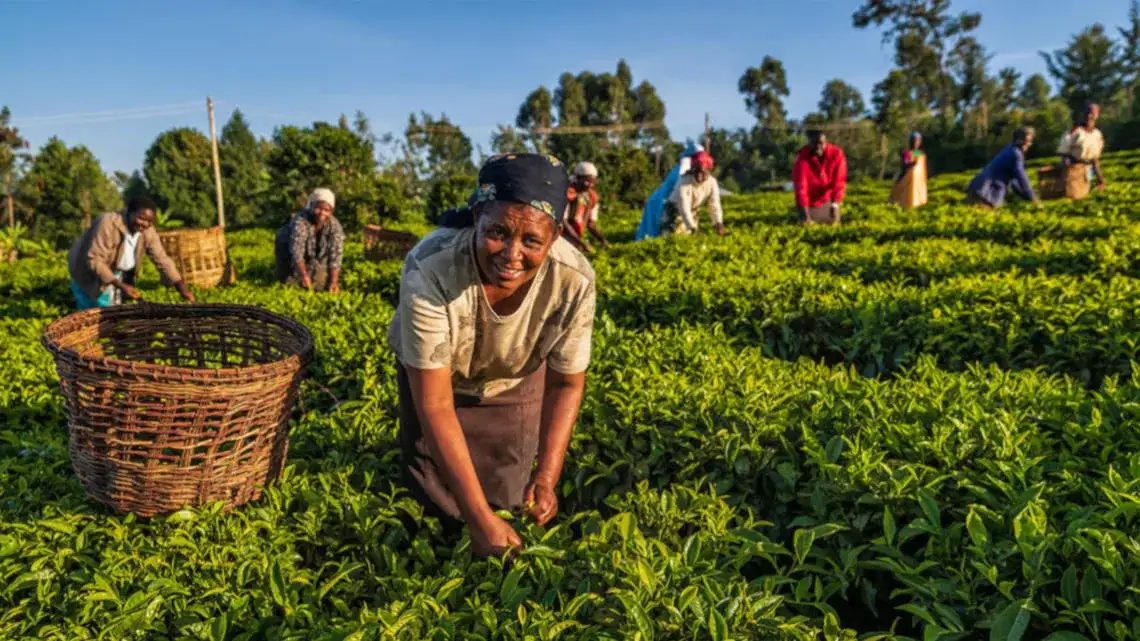
Yet agriculture’s critical role in Kenya’s economy—as demonstrated by its contribution to overall 4.9 percent GDP growth despite sectoral struggles—underscores both the importance of addressing current challenges and the economic costs of continued underperformance. The sector’s volatility throughout 2025, with quarterly growth ranging from 3.2 to 6.0 percent, reflects agriculture’s inherent vulnerability to weather, market, and structural factors.
Moving forward, sustained agricultural transformation will require coordinated action across multiple fronts: expanding irrigation to reduce rainfall dependence, improving access to quality inputs and credit, strengthening extension services and farmer training, developing value addition and processing capacity, enhancing market access and price information systems, building climate resilience through appropriate technologies, and addressing governance and institutional weaknesses in key subsectors.
The stakes extend beyond agricultural statistics to encompass rural livelihoods, food security, foreign exchange earnings, and Kenya’s broader development trajectory. As the country navigates ongoing economic challenges including debt servicing pressures, inflation concerns, and global economic uncertainties, agriculture’s recovery and transformation remain essential for achieving inclusive, sustainable, and resilient economic growth that benefits all Kenyans.
Ready to take your career to the next level? Join our Online courses: ACCA, HESI A2, ATI TEAS 7 , HESI EXIT , NCLEX – RN and NCLEX – PN, Financial Literacy!🌟 Dive into a world of opportunities and empower yourself for success. Explore more at Serrari Ed and start your exciting journey today! ✨
Track GDP, Inflation and Central Bank rates for top African markets with Serrari’s comparator tool.
See today’s Treasury bonds and Money market funds movement across financial service providers in Kenya, using Serrari’s comparator tools.
Photo source: Google
By: Montel Kamau
Serrari Financial Analyst
8th January, 2026
Article, Financial and News Disclaimer
The Value of a Financial Advisor
While this article offers valuable insights, it is essential to recognize that personal finance can be highly complex and unique to each individual. A financial advisor provides professional expertise and personalized guidance to help you make well-informed decisions tailored to your specific circumstances and goals.
Beyond offering knowledge, a financial advisor serves as a trusted partner to help you stay disciplined, avoid common pitfalls, and remain focused on your long-term objectives. Their perspective and experience can complement your own efforts, enhancing your financial well-being and ensuring a more confident approach to managing your finances.
Disclaimer: This article is for informational purposes only and does not constitute financial advice. Readers are encouraged to consult a licensed financial advisor to obtain guidance specific to their financial situation.
Article and News Disclaimer
The information provided on www.serrarigroup.com is for general informational purposes only. While we strive to keep the information up to date and accurate, we make no representations or warranties of any kind, express or implied, about the completeness, accuracy, reliability, suitability, or availability with respect to the website or the information, products, services, or related graphics contained on the website for any purpose. Any reliance you place on such information is therefore strictly at your own risk.
www.serrarigroup.com is not responsible for any errors or omissions, or for the results obtained from the use of this information. All information on the website is provided on an as-is basis, with no guarantee of completeness, accuracy, timeliness, or of the results obtained from the use of this information, and without warranty of any kind, express or implied, including but not limited to warranties of performance, merchantability, and fitness for a particular purpose.
In no event will www.serrarigroup.com be liable to you or anyone else for any decision made or action taken in reliance on the information provided on the website or for any consequential, special, or similar damages, even if advised of the possibility of such damages.
The articles, news, and information presented on www.serrarigroup.com reflect the opinions of the respective authors and contributors and do not necessarily represent the views of the website or its management. Any views or opinions expressed are solely those of the individual authors and do not represent the website's views or opinions as a whole.
The content on www.serrarigroup.com may include links to external websites, which are provided for convenience and informational purposes only. We have no control over the nature, content, and availability of those sites. The inclusion of any links does not necessarily imply a recommendation or endorsement of the views expressed within them.
Every effort is made to keep the website up and running smoothly. However, www.serrarigroup.com takes no responsibility for, and will not be liable for, the website being temporarily unavailable due to technical issues beyond our control.
Please note that laws, regulations, and information can change rapidly, and we advise you to conduct further research and seek professional advice when necessary.
By using www.serrarigroup.com, you agree to this disclaimer and its terms. If you do not agree with this disclaimer, please do not use the website.
www.serrarigroup.com, reserves the right to update, modify, or remove any part of this disclaimer without prior notice. It is your responsibility to review this disclaimer periodically for changes.
Serrari Group 2025