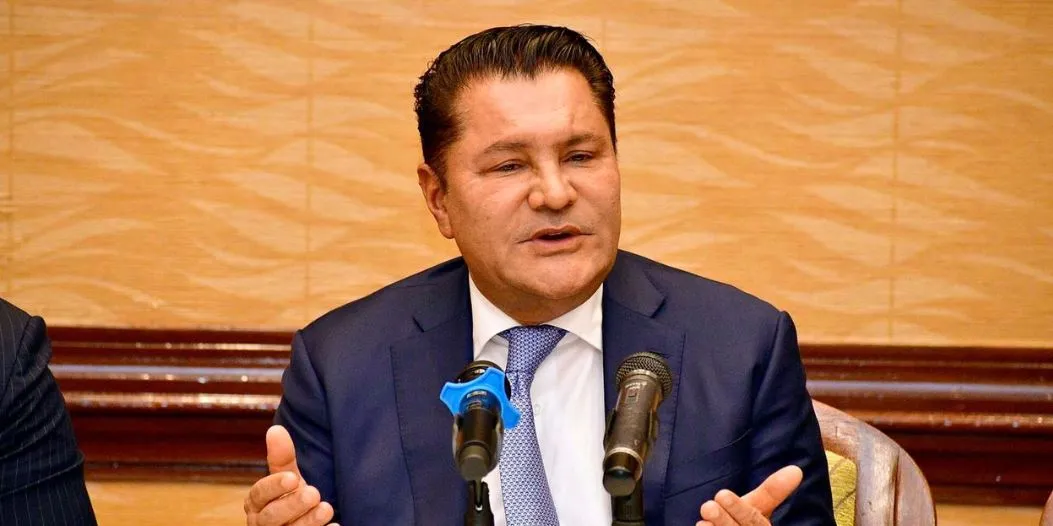











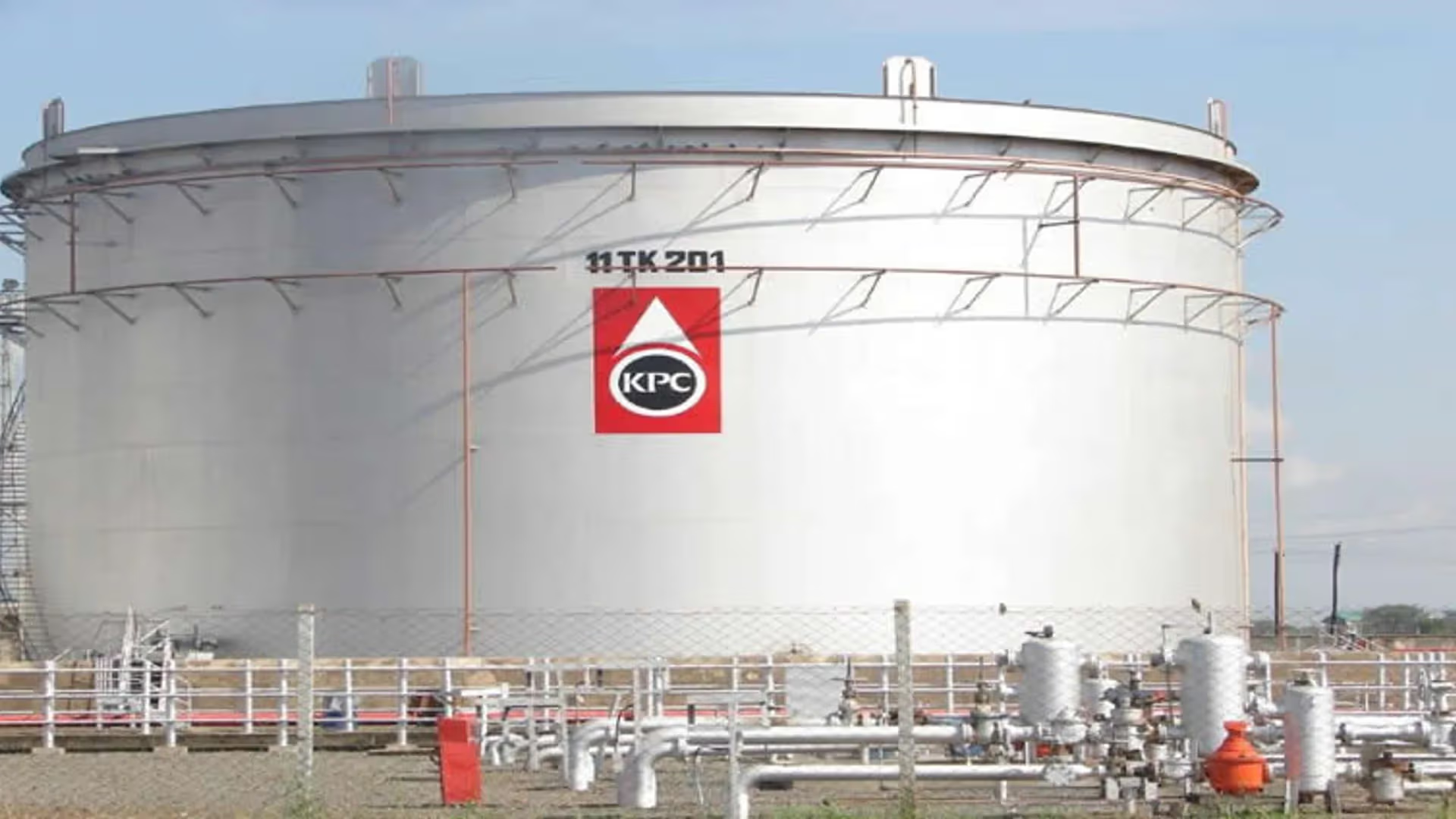
President William Ruto has announced that shares of the Kenya Pipeline Company (KPC) will begin trading on the Nairobi Securities Exchange (NSE) in January 2026, marking a significant milestone in the government’s privatisation programme and what is expected to be the largest initial public offering in Kenya since Safaricom’s historic listing in 2008.
Speaking in West Pokot County, the President confirmed that the listing would allow ordinary Kenyans to purchase shares in the state-owned petroleum transporter, opening ownership of one of the country’s most profitable state corporations to the public for the first time in its five-decade history.
“We have said the shares will be sold to everyone. Even if you have Sh200 or Sh300, come and buy, so that when profits are announced, you are part of it. You take your share and use it to grow your business,” President Ruto said during the announcement, urging Kenyans from all walks of life to participate in what the government has framed as a democratisation of ownership in a strategic national asset.
Build the future you deserve. Get started with our top-tier Online courses: ACCA, HESI A2, ATI TEAS 7, HESI EXIT, NCLEX-RN, NCLEX-PN, and Financial Literacy. Let Serrari Ed guide your path to success. Enroll today.
Parliamentary Approval and Legal Framework
The imminent listing follows the National Assembly’s approval of Sessional Paper No. 2 of 2025 in October 2025, which provides the policy framework for the partial divestment of KPC. The approval authorises the government to sell up to 65 percent of its stake in the strategic petroleum transporter while retaining a minimum 35 percent holding to safeguard national interests and energy security.
The parliamentary approval came after sometimes contentious debate, with opposition MPs vowing to challenge the sale in court. Deputy Minority Leader Robert Mbui accused the House Leadership of conspiring to sneak in the sessional paper through a Supplementary Order Paper, claiming the motion sailed through in a record 28 minutes. However, Majority Leader Kimani Ichung’wah defended the privatisation, noting that the government would still maintain control as no single investor would be able to take up the entire 65 percent stake.
President Ruto signed the Privatisation Act 2025 in October 2025, establishing a new legal framework for the divestment of state corporations. The Act provides for the establishment of the Privatisation Authority, which will steer the privatisation programme and replaces the Privatisation Commission that was set up under the now-repealed Privatisation Act 2005. The government has set a March 31, 2026 deadline for the listing of KPC shares at the NSE, providing a six-month window to complete the privatisation process.
Expected Proceeds and Budget Support
According to government projections, the divestment is expected to raise approximately Sh100 billion to help address budget shortfalls in the 2025/26 fiscal year. Treasury Cabinet Secretary John Mbadi has previously defended the plan, arguing that it could quadruple state revenues from KPC while attracting professional management and strengthening governance standards.
“Although it is profit-making, the government gets just about Sh3 billion or Sh4 billion annually as dividends,” Mbadi stated when explaining the rationale for the privatisation. “Listing will be a good idea especially as KPC expands into the region because it will provide much-needed liquidity and capital for expansion and diversification into LPG. Kenyans will have a chance to own a piece of KPC.”
The proceeds from the transaction have been ring-fenced for utilisation in either development expenditure, pending bills, or liability management. The Treasury paper tabled in Parliament indicated that the proceeds would support critical development priorities, reduce reliance on borrowing, and deepen Kenya’s capital markets.
KPC’s Financial Performance and Operations
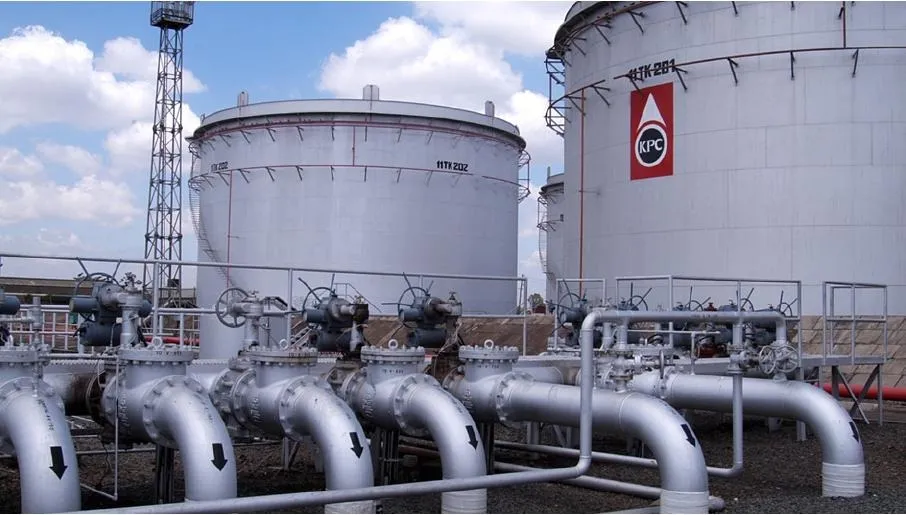
The Kenya Pipeline Company has established itself as one of Kenya’s most profitable state corporations, consistently delivering strong returns to the National Treasury. In February 2025, KPC remitted Sh7 billion in dividends to the Treasury for the fiscal year ending June 30, 2024, reflecting strong financial performance and operational efficiency.
KPC Managing Director Joe Sang reported that the corporation achieved a 20 percent growth in profit before tax, reaching Sh10.05 billion compared to Sh7.6 billion in the previous year. The company also outperformed global benchmarks for product loss in pipeline transportation, reducing losses from the industry standard of 0.25 percent to just 0.06 percent.
The company, incorporated in 1973 and operational since 1978, operates an extensive pipeline network spanning 1,342 kilometres from Mombasa to western Kenya towns of Nakuru, Kisumu, and Eldoret. The infrastructure is capable of handling approximately 14 billion litres of petroleum products annually and serves as the backbone for petroleum transportation and storage in Kenya and neighbouring countries.
Under its Vision 2025 strategic plan, KPC is targeting an annual turnover of Sh150 billion, positioning itself to become Africa’s premier oil and gas company and establishing Kenya as a regional energy hub.
Regional Expansion and Strategic Significance
One of the key drivers of KPC’s value proposition is its dominant position in regional petroleum logistics. The company currently controls 90 percent of fuel transportation to Uganda and is on the verge of securing a similar market share in Rwanda, demonstrating its strategic importance to East African energy security.
Through its pipelines, KPC transports close to 8 billion litres of petroleum products annually, with 60 percent consumed locally and the remaining 40 percent distributed to transit markets including Uganda, Rwanda, Burundi, South Sudan, and Eastern Democratic Republic of Congo.
President Ruto has formally invited Uganda to acquire a significant stake in KPC, describing the move as aligned with ongoing regional infrastructure plans, including the extension of the Eldoret-Kampala fuel pipeline deeper into Rwanda and the DRC. Speaking during the launch of a Devki Steel factory in Kampala in November 2025, Ruto emphasised that KPC is not just a Kenyan facility but a regional one.
“The government of Kenya has approved for our two governments to co-invest in extending that pipeline so that it can serve East Africa,” the President stated, adding that Uganda had already expressed readiness to participate in the investment.
One decision can change your entire career. Take that step with our Online courses in ACCA, HESI A2, ATI TEAS 7, HESI EXIT, NCLEX-RN, NCLEX-PN, and Financial Literacy. Join Serrari Ed and start building your brighter future today.
Ending the IPO Drought
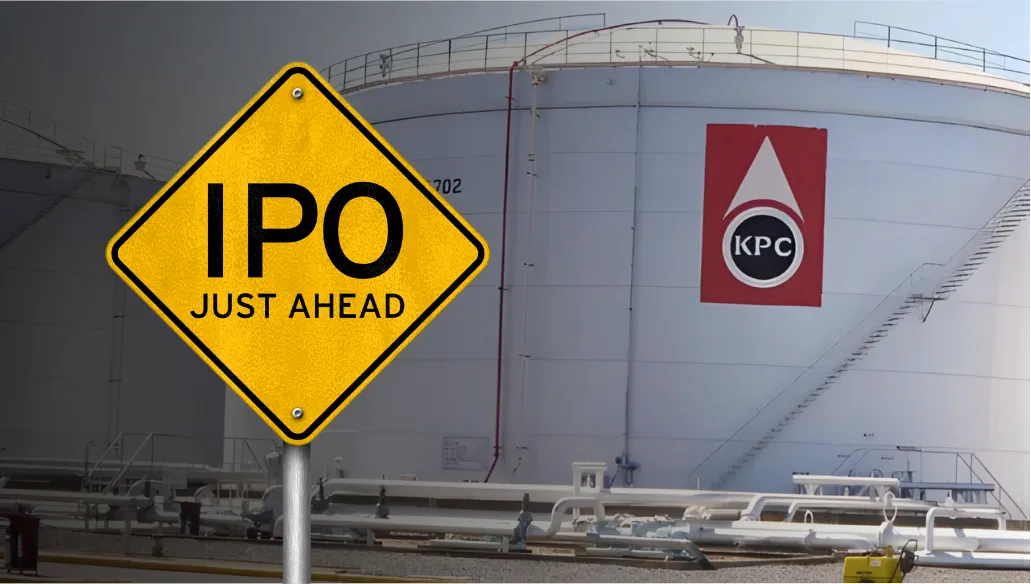
The KPC listing is poised to end what has been described as a prolonged IPO drought at the Nairobi Securities Exchange. The NSE last recorded an Initial Public Offering in 2015 when Stanlib Investments issued the first Real Estate Investment Trust (Fahari I-Reit), which only managed to raise Sh3.6 billion against a target of Sh12.5 billion, representing a 28.8 percent success rate.
The last successful government privatisation was the Safaricom IPO in 2008, which remains the largest in NSE’s history. The sale of a 25 percent stake in the telecommunications company saw 896,213 new brokerage accounts opened, with investors offering Sh236 billion against the Sh50 billion the State sought from the sale. Safaricom’s listing nearly doubled the number of investors at the NSE to 1.5 million.
The KPC IPO is poised to be the largest equity issuance in Kenya since that Safaricom listing, offering what analysts describe as a unique opportunity to inject fresh dynamism into Kenya’s capital markets, which have struggled with declining investor participation and low liquidity in recent years.
According to analysis from Standard Investment Bank, the listing could attract substantial local and foreign investment, potentially mirroring the success of previous state-backed IPOs such as Safaricom and KenGen, which was oversubscribed three times when it listed in 2006.
Diversification and Growth Strategy
Beyond its core petroleum transportation and storage business, KPC has been diversifying its revenue streams in recent years. The company operates a ninety-six core Fibre Optic Cable (FOC) that runs along the oil pipeline, offering connectivity services to telecommunications companies including Safaricom, Jamii Telcom, MTN Uganda, and Wananchi Telecom.
KPC also owns and operates the Morendat Institute of Oil and Gas (MIOG), a wholly-owned subsidiary that has been gazetted as a National Polytechnic. The institute serves as the region’s centre of excellence on matters of oil and gas, training professionals in oil and gas management, operations, and maintenance.
The company is also exploring the establishment of a petroleum trading hub in Mombasa to facilitate the receipt, trading, and distribution of petroleum and petroleum products, which would further cement its position as a regional energy hub. Additionally, KPC has been expanding investments in Liquefied Petroleum Gas (LPG) distribution to support the government’s initiative to ensure cooking gas is available in schools.
Treasury CS Mbadi has noted that the National Treasury would support plans to wind down Kenya Petroleum Refinery Limited (KPRL) and integrate it into KPC’s operations, a move that would further consolidate the company’s position in the petroleum value chain.
Outstanding Liabilities and Investor Concerns
The privatisation process must address several outstanding liabilities before proceeding to the IPO. According to policy resolutions adopted by Parliament, pending lawsuits and unresolved compensation claims will consume at least Sh10.7 billion of the proceeds from the privatisation.
These liabilities include pending lawsuits amounting to Sh5.75 billion, unresolved compensation claims of Sh3.8 billion to residents of Makueni County due to historical grievances linked to pipeline operations, loss of approximately Sh400 million in the Mzima pipeline project due to stalled execution and procurement lapses, a garnishee order of Sh485 million in favour of Zakhem International following contractual disputes over the Line V project, and a potential loss of public funds amounting to Sh192.6 million related to an LPG facility dispute.
The Privatisation Commission is mandated to ensure that all liabilities, debts, credits, and risks affecting the valuation of KPC are comprehensively assessed, transparently disclosed, and factored into the transaction valuation before proceeding with the IPO.
Employee Share Ownership and Broad Participation
The privatisation framework includes provisions for an Employee Share Ownership Plan (ESOP), ensuring that KPC staff share in the company’s future growth. The eligibility of investors shall include a minimum level of participation by Kenyan citizens, with specific considerations for the youth, women, and persons with disabilities.
“The proposed privatisation balances economic empowerment, national interest, and institutional modernisation in a manner that will benefit both the public and the economy at large,” Mbadi stated in the Sessional Paper. “It will empower ordinary Kenyans to own a stake in one of the country’s profitable and strategic enterprises, promote inclusive economic growth, and strengthen transparency and corporate governance through stock exchange listing and regulatory oversight.”
The Office of the Auditor-General is required to undertake a post-audit process to ensure value for money and submit a report to the National Assembly within six months of completing the privatisation processes.
Impact on Capital Markets
A public listing would subject KPC to NSE disclosure requirements, including the publication of audited financial statements, enhanced corporate governance standards, and regular reporting to shareholders and the market. This increased transparency is expected to benefit both the company and investors.
The listing could significantly boost the NSE’s market capitalisation, which reached Sh2.5 trillion according to recent data. Currently, a few large-cap stocks, namely Safaricom PLC, Equity Group Holdings, KCB Group Ltd, and East African Breweries Ltd, hold almost 75 percent of the total market capitalisation, creating concentration risk. The addition of a large, profitable company like KPC would help diversify the market.
President Ruto, speaking at the London Stock Exchange market opening ceremony in July 2025, highlighted that reforms had helped the NSE emerge as Africa’s top performer in dollar returns in 2024, according to Morgan Stanley Capital International. The KPC listing is seen as part of a broader strategy to maintain this momentum and attract both local and international investors.
Looking Ahead
The KPC listing represents a watershed moment for Kenya’s capital markets and privatisation programme. If successfully executed, it would demonstrate the government’s commitment to unlocking value from state assets while providing Kenyans with the opportunity to participate directly in the country’s economic growth.
The 11 state corporations earmarked for privatisation include Kenya Literature Bureau, Kenyatta International Convention Centre, National Oil Corporation of Kenya (NOCK), Kenya Seed Company Limited, Mwea Rice Mills, Western Kenya Rice Mills Ltd, New Kenya Co-operative Creameries, Numerical Machining Complex, Kenya Vehicle Manufacturers Limited, and Rivatex East Africa Limited.
However, KPC remains the crown jewel of this programme, and its successful listing will likely set the tone for future privatisations. The coming weeks will be critical as transaction advisors complete due diligence, valuations are finalised, and the IPO prospectus is prepared for what promises to be one of the most closely watched financial events in Kenya’s recent history.
For ordinary Kenyans, the listing offers a rare opportunity to own a piece of critical national infrastructure that has consistently delivered profits while supporting the country’s energy security and regional economic integration. As President Ruto emphasised, even those with modest savings can participate, potentially transforming the shareholding landscape of one of Kenya’s most strategic state corporations.
Ready to take your career to the next level? Join our Online courses: ACCA, HESI A2, ATI TEAS 7 , HESI EXIT , NCLEX – RN and NCLEX – PN, Financial Literacy!🌟 Dive into a world of opportunities and empower yourself for success. Explore more at Serrari Ed and start your exciting journey today! ✨
Track GDP, Inflation and Central Bank rates for top African markets with Serrari’s comparator tool.
See today’s Treasury bonds and Money market funds movement across financial service providers in Kenya, using Serrari’s comparator tools.
photo source: Google
By: Montel Kamau
Serrari Financial Analyst
6th January, 2026
Article, Financial and News Disclaimer
The Value of a Financial Advisor
While this article offers valuable insights, it is essential to recognize that personal finance can be highly complex and unique to each individual. A financial advisor provides professional expertise and personalized guidance to help you make well-informed decisions tailored to your specific circumstances and goals.
Beyond offering knowledge, a financial advisor serves as a trusted partner to help you stay disciplined, avoid common pitfalls, and remain focused on your long-term objectives. Their perspective and experience can complement your own efforts, enhancing your financial well-being and ensuring a more confident approach to managing your finances.
Disclaimer: This article is for informational purposes only and does not constitute financial advice. Readers are encouraged to consult a licensed financial advisor to obtain guidance specific to their financial situation.
Article and News Disclaimer
The information provided on www.serrarigroup.com is for general informational purposes only. While we strive to keep the information up to date and accurate, we make no representations or warranties of any kind, express or implied, about the completeness, accuracy, reliability, suitability, or availability with respect to the website or the information, products, services, or related graphics contained on the website for any purpose. Any reliance you place on such information is therefore strictly at your own risk.
www.serrarigroup.com is not responsible for any errors or omissions, or for the results obtained from the use of this information. All information on the website is provided on an as-is basis, with no guarantee of completeness, accuracy, timeliness, or of the results obtained from the use of this information, and without warranty of any kind, express or implied, including but not limited to warranties of performance, merchantability, and fitness for a particular purpose.
In no event will www.serrarigroup.com be liable to you or anyone else for any decision made or action taken in reliance on the information provided on the website or for any consequential, special, or similar damages, even if advised of the possibility of such damages.
The articles, news, and information presented on www.serrarigroup.com reflect the opinions of the respective authors and contributors and do not necessarily represent the views of the website or its management. Any views or opinions expressed are solely those of the individual authors and do not represent the website's views or opinions as a whole.
The content on www.serrarigroup.com may include links to external websites, which are provided for convenience and informational purposes only. We have no control over the nature, content, and availability of those sites. The inclusion of any links does not necessarily imply a recommendation or endorsement of the views expressed within them.
Every effort is made to keep the website up and running smoothly. However, www.serrarigroup.com takes no responsibility for, and will not be liable for, the website being temporarily unavailable due to technical issues beyond our control.
Please note that laws, regulations, and information can change rapidly, and we advise you to conduct further research and seek professional advice when necessary.
By using www.serrarigroup.com, you agree to this disclaimer and its terms. If you do not agree with this disclaimer, please do not use the website.
www.serrarigroup.com, reserves the right to update, modify, or remove any part of this disclaimer without prior notice. It is your responsibility to review this disclaimer periodically for changes.
Serrari Group 2025