










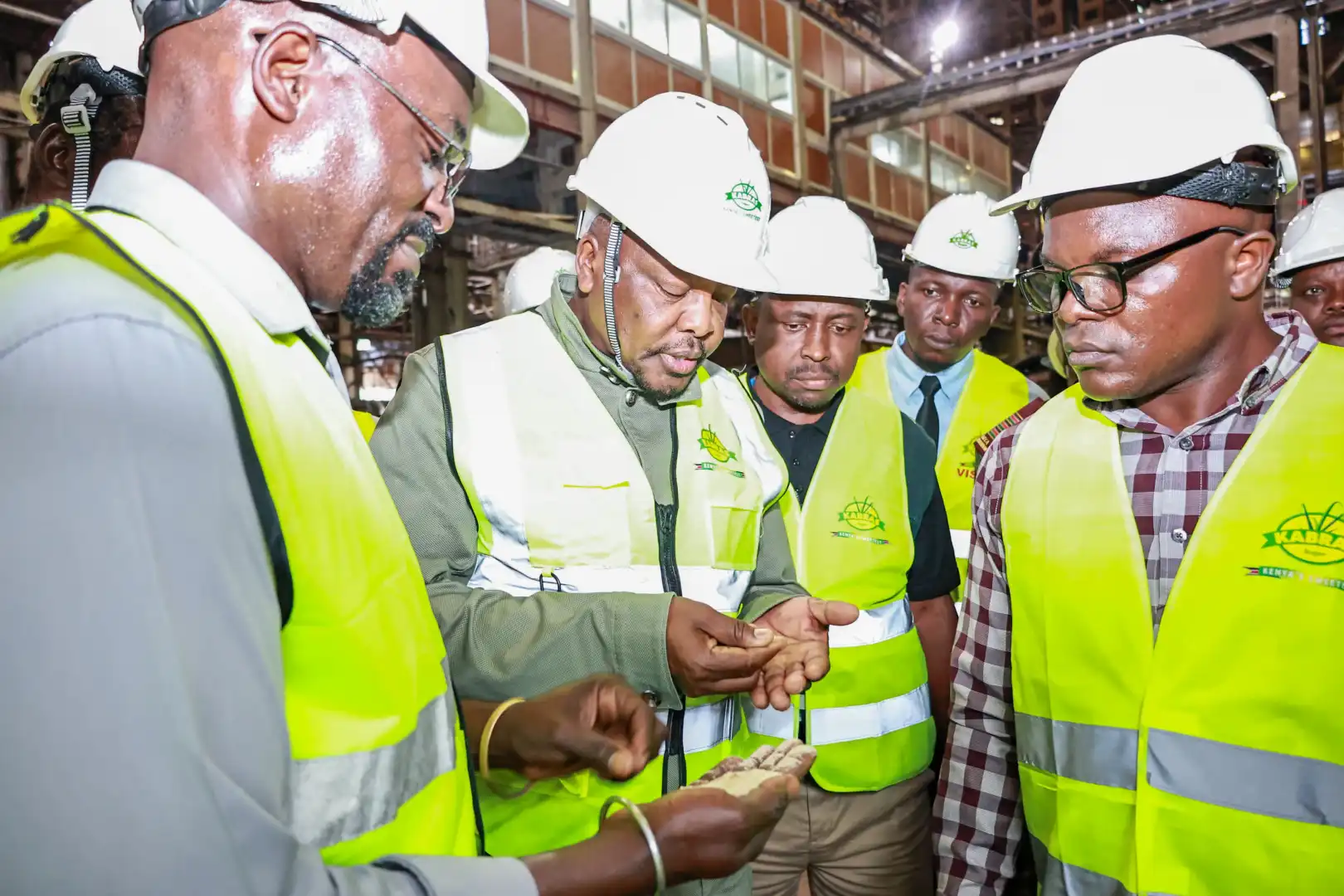
For nearly a quarter of a century, the story of Kenyan sugar was one of survival under a safety net. Since 2001, the industry has lived behind a protective wall known as the COMESA sugar safeguard—a legal shield that kept cheaper regional imports at bay while the country tried to fix its aging, debt-ridden mills. But on November 30, 2025, that era quietly came to an end. Kenya has officially let the safeguard lapse, effectively telling the world—and its neighbors—that its sugar industry is finally ready to fight for its own dinner.
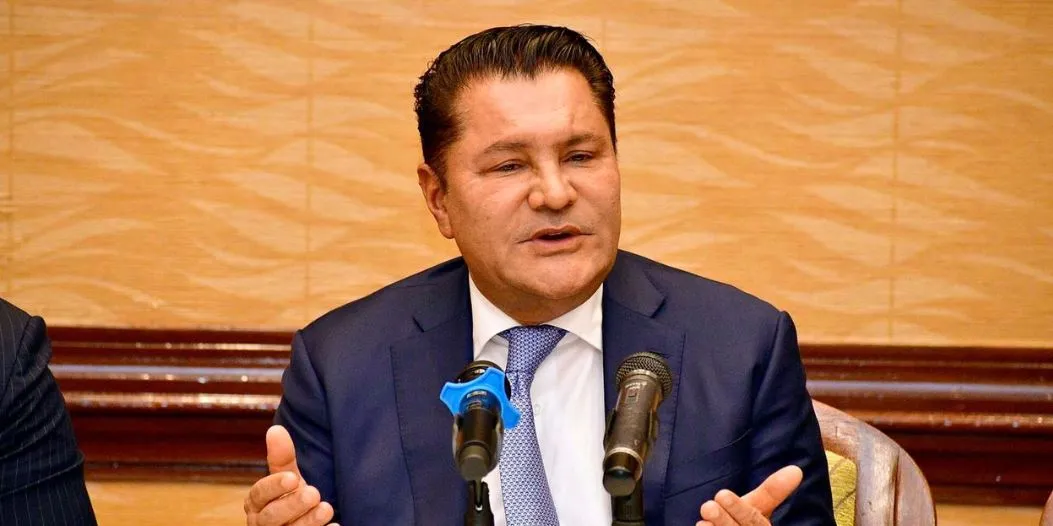
This isn’t just a technical trade update; it’s a high-stakes gamble on modernization. The Kenya Sugar Board (KSB) is betting that 24 years of “training wheels” have finally taught the local sector how to ride. As Jude Chesire, CEO of the KSB, recently put it, this isn’t a sign of weakness—it’s a declaration of maturity.
Build the future you deserve. Get started with our top-tier Online courses: ACCA, HESI A2, ATI TEAS 7, HESI EXIT, NCLEX-RN, NCLEX-PN, and Financial Literacy. Let Serrari Ed guide your path to success. Enroll today.’
The Long Walk to Competition: 2001 to 2025
To understand why this exit is such a big deal, you have to look back at the mess the industry was in when the Common Market for Eastern and Southern Africa (COMESA) first launched its Free Trade Area. In 2001, Kenya’s sugar sector was the “sick man” of regional trade. State-owned mills were literal rust buckets, weighed down by billions in “political” debt and operating with technology that belonged in a museum. Meanwhile, countries like Malawi and Egypt were producing sugar at a fraction of the cost.
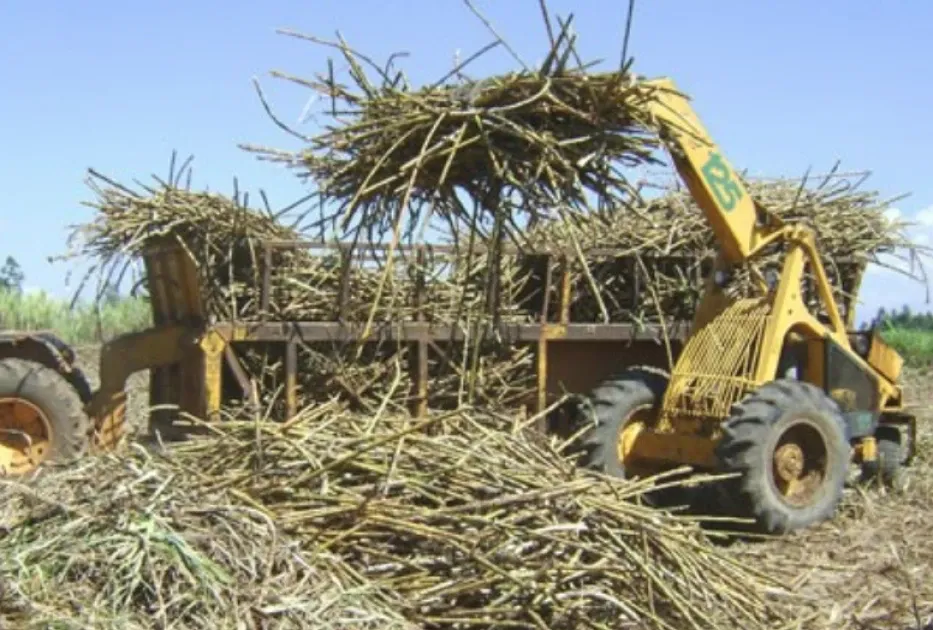
Under Article 61 of the COMESA Treaty, Kenya was granted a temporary “safeguard” to protect its farmers from being wiped out by a flood of cheap imports. That “temporary” measure was extended eight times. For years, every time the deadline approached, the COMESA Council of Ministers would demand reforms: privatize the mills, fix the infrastructure, and stop paying farmers by weight (which encouraged “water-heavy” cane) and start paying for sugar content. For two decades, progress was glacial—until the current push for long-term private leasing finally broke the deadlock.
The New Industrial Logic
If you ask a Kenyan official about the future of sugar, they’ll tell you it’s not actually about sugar. The industry is undergoing a fundamental “identity crisis”—the good kind. The old model was simple: crush cane, make brown sugar, sell it in a bag. The new model treats sugarcane as a biological goldmine where “table sugar” is just one of many products.
The real money is moving into “diversification.” Take ethanol production, for example. By taking molasses—a sticky byproduct that used to be a disposal headache—and turning it into fuel-grade ethanol, millers are creating a second, highly profitable revenue stream. Then there’s “cogeneration.” Modern mills like Butali and West Kenya are no longer just consumers of electricity; they are producers. By burning bagasse (the leftover cane fiber) in high-pressure boilers, they generate enough power to run their factories and sell the excess back to the national grid. This integrated approach lowers the “break-even” price of sugar, allowing Kenyan millers to finally compete with the low-cost giants of the region.
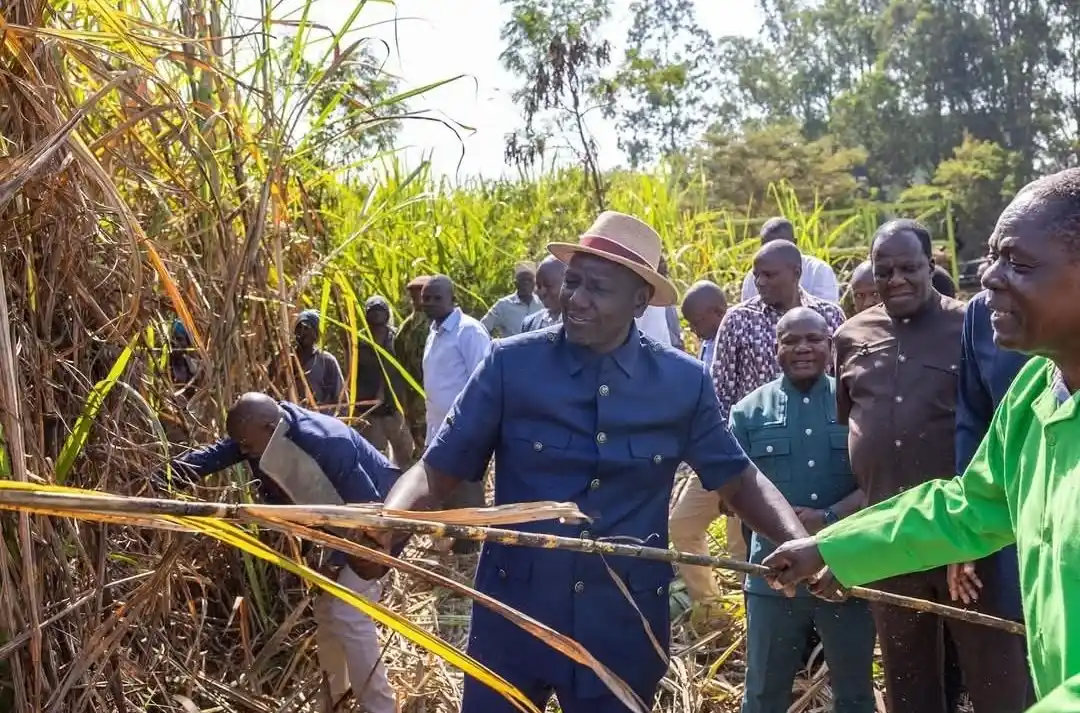
While the policy debates happen in Nairobi boardrooms, the real transformation is visible from the air. Kenya’s “Sugar Belt” is greener and more productive than it has been in decades. According to the latest data, sugarcane acreage has surged by nearly 20%. This isn’t just luck; it’s the result of targeted fertilizer subsidies that have actually reached the smallholder farmers who provide the bulk of the country’s cane.
The production numbers are even more staggering. In 2022, the country managed about 472,773 metric tonnes. By the end of 2025, production had jumped to 815,454 metric tonnes—a 76% increase. This wasn’t just about planting more cane; it was about rehabilitating the factories so they actually extract the sugar instead of letting it go to waste in the “mud.” Improved agronomic practices and better-quality seed cane mean that the “yield per hectare” is finally beginning to mirror international standards.
Out with the Old
The biggest hurdle to exiting the safeguard was always the state-owned mills. Nzoia, Sony, Chemelil, Muhoroni, and Miwani were essentially black holes for taxpayer money. Full privatization was a political third rail that no one wanted to touch. The solution? A 20-year leasing framework that allowed the government to keep the land but let private experts run the show.
This move was the “silver bullet” that COMESA had been waiting for. By bringing in private capital and management, the factories are finally being run like businesses rather than government departments. These private players have a direct incentive to ensure farmers are paid on time and that the mills are running at peak efficiency. It’s this shift—from state-led stagnation to private-sector dynamism—that gave the government the confidence to finally drop the safeguard.
One decision can change your entire career. Take that step with our Online courses in ACCA, HESI A2, ATI TEAS 7, HESI EXIT, NCLEX-RN, NCLEX-PN, and Financial Literacy. Join Serrari Ed and start building your brighter future today.
The Import Question
Despite the production boom, Kenya still has a “sweet tooth” that outpaces its supply. With a national demand of 1.1 million metric tonnes, there is still a gap of about 300,000 tonnes. Removing the safeguard doesn’t mean opening the floodgates to chaos; it means moving to a “balanced sourcing framework.”
This is a sophisticated balancing act. The Kenya Sugar Board now monitors domestic production in real-time. When local supply dips, they allow imports; when local production is high, they throttle back. The goal is to find a price point that is “just right”—low enough for the mother in Nairobi buying sugar for her children’s porridge, but high enough for the farmer in Mumias to keep planting cane. By sourcing primarily from COMESA partners, Kenya is also playing by the regional rules, ensuring that the sugar imported is actually grown in the region and not dumped from overseas.
Diplomacy
Dropping the safeguard is also a major diplomatic olive branch. For years, trade relations between Kenya and Uganda were marred by bitter “sugar wars”. Kenyan authorities often blocked Ugandan sugar, claiming it was actually cheap Brazilian sugar being smuggled across the border. Uganda countered that Kenya was simply using the COMESA safeguard to protect its inefficient mills.
By ending the safeguard, Kenya is signaling that it’s ready to be a “team player” in the East African Community. But there’s a bigger prize on the horizon: becoming an exporter. Industry analysts are already predicting that Kenya could hit self-sufficiency by 2027. Once that happens, the script flips. Kenya will no longer be the one trying to keep sugar out; it will be the one looking to push its own “Sweet Kenya” brand into the landlocked markets of South Sudan and the DRC, leveraging the Northern Corridor trade routes to dominate the regional market.
Threats
If the safeguard isn’t the threat anymore, what is? The answer is twofold: climate and cost. Sugar is a thirsty crop, and Kenya’s dependence on seasonal rainfall makes it vulnerable. One bad El Niño or a prolonged drought can wipe out the production gains of the last three years. To fight this, the government is pushing for more irrigation, trying to make the “Sugar Belt” weather-proof.
The second threat is the sheer efficiency of countries like Egypt. To survive without a safeguard, Kenyan millers have to keep cutting costs. This is where the new Sugar Bill comes in. Currently working its way through Parliament, the bill aims to create a dedicated fund for research and infrastructure. If Kenya can get its “farm-to-factory” logistics right—reducing the time it takes for harvested cane to reach the mill—it can close the final gap in competitiveness.
Conclusion
After 24 years, the training wheels are officially off. Kenya’s exit from the COMESA sugar safeguard isn’t just about trade law; it’s a moment of national pride. It’s the conclusion of a long, often painful reform cycle that saw the industry move from the brink of collapse to record-breaking production.
The “Sweet Sovereignty” that Jude Chesire talks about isn’t about isolation; it’s about having the strength to compete. With private millers leading the charge and a government focused on value addition rather than just protection, the Kenyan sugar industry has finally graduated. The next few years will be the real test, but for the first time in a generation, the industry is stepping onto the field not as a victim looking for a shield, but as a competitor ready to win. It’s been a long, 24-year wait, but the harvest finally looks promising.
Ready to take your career to the next level? Join our Online courses: ACCA, HESI A2, ATI TEAS 7 , HESI EXIT , NCLEX – RN and NCLEX – PN, Financial Literacy!🌟 Dive into a world of opportunities and empower yourself for success. Explore more at Serrari Ed and start your exciting journey today! ✨
Track GDP, Inflation and Central Bank rates for top African markets with Serrari’s comparator tool.
See today’s Treasury bonds and Money market funds movement across financial service providers in Kenya, using Serrari’s comparator tools.
photo source: Google
By: Montel Kamau
Serrari Financial Analyst
6th January, 2026
Article, Financial and News Disclaimer
The Value of a Financial Advisor
While this article offers valuable insights, it is essential to recognize that personal finance can be highly complex and unique to each individual. A financial advisor provides professional expertise and personalized guidance to help you make well-informed decisions tailored to your specific circumstances and goals.
Beyond offering knowledge, a financial advisor serves as a trusted partner to help you stay disciplined, avoid common pitfalls, and remain focused on your long-term objectives. Their perspective and experience can complement your own efforts, enhancing your financial well-being and ensuring a more confident approach to managing your finances.
Disclaimer: This article is for informational purposes only and does not constitute financial advice. Readers are encouraged to consult a licensed financial advisor to obtain guidance specific to their financial situation.
Article and News Disclaimer
The information provided on www.serrarigroup.com is for general informational purposes only. While we strive to keep the information up to date and accurate, we make no representations or warranties of any kind, express or implied, about the completeness, accuracy, reliability, suitability, or availability with respect to the website or the information, products, services, or related graphics contained on the website for any purpose. Any reliance you place on such information is therefore strictly at your own risk.
www.serrarigroup.com is not responsible for any errors or omissions, or for the results obtained from the use of this information. All information on the website is provided on an as-is basis, with no guarantee of completeness, accuracy, timeliness, or of the results obtained from the use of this information, and without warranty of any kind, express or implied, including but not limited to warranties of performance, merchantability, and fitness for a particular purpose.
In no event will www.serrarigroup.com be liable to you or anyone else for any decision made or action taken in reliance on the information provided on the website or for any consequential, special, or similar damages, even if advised of the possibility of such damages.
The articles, news, and information presented on www.serrarigroup.com reflect the opinions of the respective authors and contributors and do not necessarily represent the views of the website or its management. Any views or opinions expressed are solely those of the individual authors and do not represent the website's views or opinions as a whole.
The content on www.serrarigroup.com may include links to external websites, which are provided for convenience and informational purposes only. We have no control over the nature, content, and availability of those sites. The inclusion of any links does not necessarily imply a recommendation or endorsement of the views expressed within them.
Every effort is made to keep the website up and running smoothly. However, www.serrarigroup.com takes no responsibility for, and will not be liable for, the website being temporarily unavailable due to technical issues beyond our control.
Please note that laws, regulations, and information can change rapidly, and we advise you to conduct further research and seek professional advice when necessary.
By using www.serrarigroup.com, you agree to this disclaimer and its terms. If you do not agree with this disclaimer, please do not use the website.
www.serrarigroup.com, reserves the right to update, modify, or remove any part of this disclaimer without prior notice. It is your responsibility to review this disclaimer periodically for changes.
Serrari Group 2025