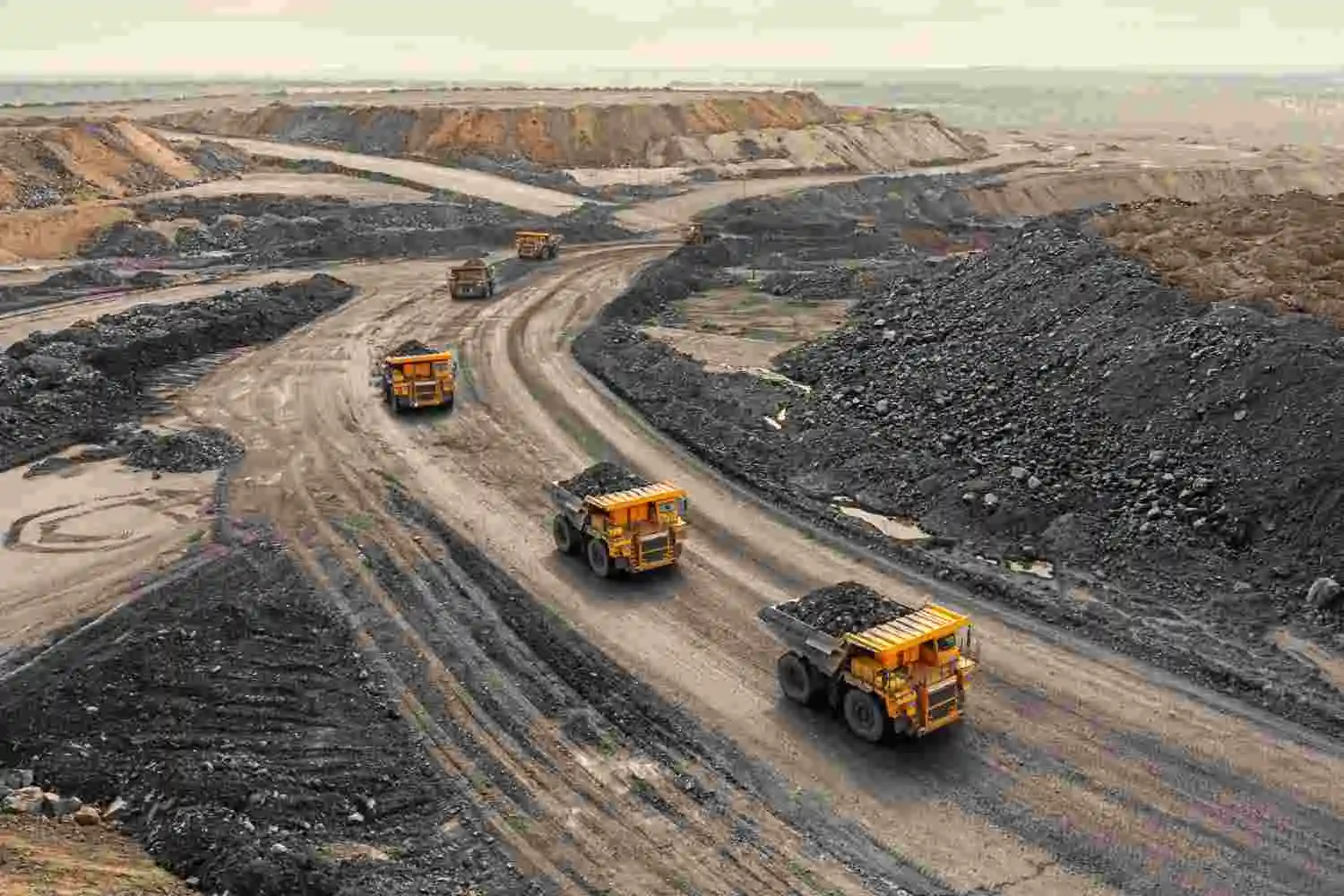











Kenya is positioning itself as a strategic frontier for American mining investment as the government implements comprehensive regulatory reforms designed to unlock largely untapped rare earth mineral reserves, aiming to boost export revenues and diversify an economy that has historically underutilized its significant geological endowments. The East African nation’s mining sector currently contributes approximately 0.7 percent to GDP, a figure government officials acknowledge falls dramatically short of the sector’s potential contribution to national economic development.
Speaking at the US–Kenya Critical Supply Chains Conference in Nairobi, Cabinet Secretary for Mining, Blue Economy and Maritime Affairs Hassan Joho delivered a direct invitation to American mining firms, emphasizing Kenya’s readiness to engage international partners in developing the country’s mineral wealth. “I want to tell Americans that, as a country, we are willing and ready to engage them in this sector,” Joho declared, adding that infrastructure development initiatives are currently underway to support expanded mining operations across multiple regions.
Build the future you deserve. Get started with our top-tier Online courses: ACCA, HESI A2, ATI TEAS 7, HESI EXIT, NCLEX-RN, NCLEX-PN, and Financial Literacy. Let Serrari Ed guide your path to success. Enroll today.
Strategic Minerals and Global Supply Chain Implications
The timing of Kenya’s outreach to American investors carries significant strategic implications, as global powers increasingly compete for access to critical minerals essential for modern technology manufacturing, renewable energy systems, and electric vehicle production. Kenya holds substantial deposits of rare earth minerals, which have become highly sought-after commodities for industries spanning electronics, clean energy technologies, and electric vehicles—positioning the country as an attractive partner for U.S. firms actively seeking to diversify global supply chains away from concentrated sources.
The government has identified and designated strategic minerals for priority development while completing a nationwide Airborne Geophysical Survey that generated high-resolution geological data designed to significantly reduce exploration risks for potential investors. Mining Principal Secretary Harry Kimtai has emphasized that this comprehensive geological survey has unlocked new mineral corridors and fresh frontiers for investors in what remains one of Africa’s least explored mineral terrains, offering substantial first-mover advantages for companies willing to commit resources and technical expertise.
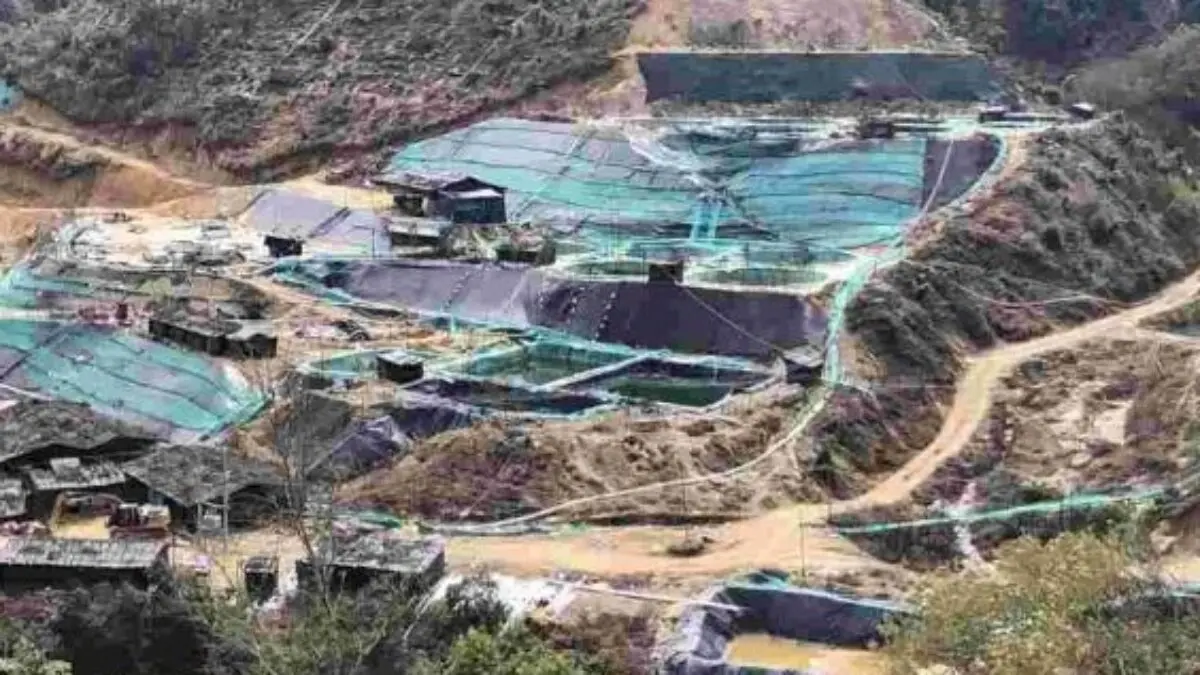
At the center of Kenya’s mineral wealth lies Mrima Hill in Kwale County, approximately 50 kilometers from Mombasa port facilities. This forested elevation has attracted intense international attention following geological assessments indicating it hosts one of the world’s top five rare earth deposits. A 2013 report by Cortec Mining Kenya, a subsidiary of UK and Canada-based Pacific Wildcat Resources, estimated the site’s rare earth and niobium deposits could be worth over $62 billion, including large stores of niobium—a metal critical for strengthening steel and used extensively in advanced manufacturing applications.
The deposit reportedly contains approximately 40 million tonnes of ore with around 5% total rare earth oxide content, along with an estimated 680 million kilograms of niobium. These resources include light and heavy rare earth elements such as neodymium, praseodymium, dysprosium, and terbium, which are essential for producing permanent magnets used in wind turbines, electric vehicle motors, and numerous high-tech applications. The strategic significance of these minerals has attracted visits from American officials, with then-U.S. interim ambassador Marc Dillard visiting Mrima Hill in June 2025, while Australian mining firms and Chinese interests have also expressed exploration intentions.
Economic Performance and Reform Imperatives
Despite Kenya’s geological potential, the mining sector’s economic contribution has remained stubbornly modest for decades. Data from the Kenya National Bureau of Statistics indicates that the mining sector generated Sh223.6 billion ($1.7 billion) in revenue during the 2024 financial year, representing a slight decline from previous periods and underscoring persistent structural challenges that have prevented the sector from realizing its potential. Industry experts note that mining’s contribution to GDP has historically remained below one percent, dramatically under its theoretical capacity given Kenya’s geological endowments.
Most of the revenue recorded in 2024 followed the issuance of mining licences after the government lifted a four-year moratorium that had been imposed in 2019 amid widespread concerns about corruption, environmental damage, and inadequate benefit-sharing with local communities. The moratorium’s lifting reflected the government’s commitment to implementing comprehensive policy reforms aimed at revitalizing the sector while addressing historical grievances and establishing more robust regulatory frameworks to govern extraction activities and ensure equitable distribution of mineral wealth.
The Kenyan government has set an ambitious target to raise the mining industry’s share of GDP from less than 1% to 10% by 2030, recognizing the sector’s transformative potential for economic diversification, employment generation, and foreign exchange earnings. Achieving this goal will require not only attracting substantial foreign investment but also developing local processing capacity, establishing transparent governance mechanisms, and ensuring mining activities deliver tangible benefits to host communities while protecting environmental integrity.
A nationwide geological survey conducted in 2023 identified 970 mineral occurrences across the country, including industrial minerals, precious metals, rare earth elements, and gemstones, highlighting the breadth and diversity of Kenya’s mineral endowment. Kenya’s geology, shaped over billions of years, holds vast untapped wealth across four key geological zones, each with distinct mineralization patterns and commercial potential requiring targeted exploration and development strategies.
Regulatory Reforms and Investment Incentives
Cabinet Secretary Joho has emphasized that Kenya is fundamentally reforming its regulatory framework to remove obstacles that have historically slowed foreign investment in the mining sector. The government has introduced a comprehensive package of reforms designed to restore investor confidence while strengthening regulatory oversight and ensuring environmental and social safeguards are effectively implemented and enforced.
At the Africa Down Under 2025 Mining Conference in Perth, Australia, Joho highlighted Kenya’s determination to transform its largely untapped mineral wealth into a globally competitive, sustainable, and investor-friendly industry. The government has assured potential investors that their interests are protected by a robust legal framework including constitutional safeguards for property rights, the Foreign Investments Protection Act, and Kenya’s membership in the International Centre for Settlement of Investment Disputes (ICSID) and the Multilateral Investment Guarantee Agency (MIGA).
Beyond legal protections, the government has unveiled lucrative tax incentives and streamlined licensing procedures designed to reduce bureaucratic delays and provide greater certainty for companies making long-term capital commitments. The reforms include simplified application processes, standardized environmental impact assessment requirements, and clarified revenue-sharing frameworks that specify how mining proceeds will be distributed among national government, county administrations, and local communities.
The government has emphasized its commitment to sustainability, community benefit-sharing, and adherence to global Environmental, Social, and Governance (ESG) standards—recognition that modern mining operations must deliver measurable social and environmental benefits alongside commercial returns. This commitment reflects both international best practices and domestic political imperatives, as previous mining operations that failed to adequately engage communities or protect environmental resources generated significant backlash and contributed to the sector’s checkered reputation.
Community Engagement and Cultural Considerations
The push to develop Kenya’s mineral resources, particularly at sensitive sites like Mrima Hill, has generated complex dynamics involving local communities, traditional authorities, environmental advocates, and government officials. For the Digo people and other communities surrounding Mrima Hill, the forest represents far more than a mineral reserve—it is a sacred landscape that holds profound cultural, spiritual, and ecological significance accumulated over more than 1,300 years.
Cabinet Secretary Joho has moved to address mounting tensions by engaging directly with stakeholders in Kwale County. In January 2026, he held consultative meetings with traditional elders, representatives of the Mrima Community Forest Association, Kwale-based professionals, and members of the Kwale Mining Alliance to hear concerns about compensation, environmental protection, and how benefits from mining would be shared among different constituencies.
Joho has pledged that transparency and accountability will characterize the proposed Mrima Hill mining project, assuring Kwale County leaders that any development will follow an open and competitive tendering process. He described Mrima Hill as set to become Kenya’s first mining project subjected to fully transparent procurement procedures, representing a deliberate departure from historically opaque licensing practices that bred corruption and undermined public confidence.
The Mining CS has emphasized that the government will not permit shortcuts when it comes to mining projects of national strategic importance, stressing that legal requirements must be followed and communities protected from harm. “I reaffirmed my commitment that any mining activity in the area will strictly adhere to the Mining Act, with full consideration given to environmental sustainability, social safeguards, and the preservation of cultural heritage,” Joho stated following community consultations, acknowledging that local interests and wellbeing must remain paramount in all mining development decisions.
Community responses to potential mining development reflect deeply divided perspectives. Some residents view mineral extraction as a rare opportunity to escape poverty and underdevelopment that has characterized coastal regions despite proximity to valuable resources. Domitilla Mueni, treasurer of a local community forest association, has been improving her land by planting trees and crops to increase its value in anticipation of potential purchases by mining companies. “Why should we die poor while we have minerals?” she asked, expressing hopes shared by residents who believe mining could bring schools, jobs, healthcare facilities, and improved infrastructure to marginalized communities.
However, many traditional leaders, environmental advocates, and community members harbor deep concerns about potential environmental degradation, loss of access to medicinal plants and sacred sites, inadequate compensation frameworks, and the erosion of cultural heritage that has sustained communities for generations. Kaya elders have expressed particular anxiety about losing century-old traditions and access to indigenous trees that have provided physical and spiritual treatment for more than thirteen centuries, warning that mining operations could destroy irreplaceable cultural and natural resources.
One decision can change your entire career. Take that step with our Online courses in ACCA, HESI A2, ATI TEAS 7, HESI EXIT, NCLEX-RN, NCLEX-PN, and Financial Literacy. Join Serrari Ed and start building your brighter future today.
Competitive Landscape and International Interest
Kenya’s mineral wealth has not escaped the attention of global powers and international mining companies actively seeking to secure access to critical minerals amid intensifying geopolitical competition. The site has attracted interest from the United States, China, Australia, and other nations seeking to diversify supply chains currently dominated by a small number of producing countries, particularly China, which controls approximately 60-70% of worldwide rare earth production.
Several foreign companies have recently announced or initiated investments in Kenya’s mining sector. In October 2024, Shanta Gold Kenya, a subsidiary of UK-based Shanta Gold listed on the London Stock Exchange’s AIM market, announced plans to invest approximately Sh17.71 billion ($140 million) in new gold mining projects across Siaya and Vihiga counties. The proposed open-pit mining operations are expected to cover 175 hectares across multiple sites, reflecting growing international confidence in Kenya’s geological potential and improving regulatory environment.
In May 2024, Abu Dhabi’s International Holding Company (IHC) expanded its African mining ventures through its International Resource Holdings (IRH) subsidiary, entering advanced discussions to mine various metals in Kenya as part of IHC’s strategy to invest approximately $1 billion in mining acquisitions during 2024. These investments signal that Kenya’s reforms are beginning to attract serious interest from well-capitalized international players with technical expertise and market access necessary to develop complex mineral deposits.
The government is also seeking strategic partnerships to revitalize critical mining operations and attract investors capable of developing large-scale projects requiring substantial capital and advanced processing technologies. Two Australian mining firms have applied for permits through the National Mining Corporation to prospect for rare earth elements, niobium, phosphate, and manganese at Mrima Hill, while Base Titanium, which has been operating successfully in Kwale County, has also expressed interest in rare earth exploration as its current titanium operations approach completion.
Export Performance and Market Dynamics
Kenya’s mineral export profile currently reflects the sector’s early development stage and limited processing capacity. The country is a significant exporter of minerals, with titanium ores—including ilmenite, rutile, and zircon—forming the largest share of mineral exports. In 2022, mineral production generated approximately Sh35.23 billion (around $272 million), with titanium ore minerals accounting for 80% of revenue, illustrating the sector’s current narrow commodity base.
Total mineral output rose to approximately 399,022 metric tons in 2023, up from 326,805 metric tons in 2021, reflecting gradual production growth as new operations commenced and existing facilities expanded capacity. In Kwale County specifically, titanium mining contributes nearly 1% of GDP, with Base Titanium exporting over 280,000 metric tons of ilmenite and 52,000 metric tons of rutile in 2024 alone—demonstrating that well-managed mining operations can generate substantial economic value and foreign exchange earnings.
Gold production has shown considerable variability, with 565 kilograms produced in 2022 compared to 292 kilograms in 2021, reflecting the small-scale and artisanal nature of much current gold mining activity. However, exploration by international mining companies indicates significant potential for larger-scale gold production if appropriate investments in exploration, development, and processing infrastructure can be secured.
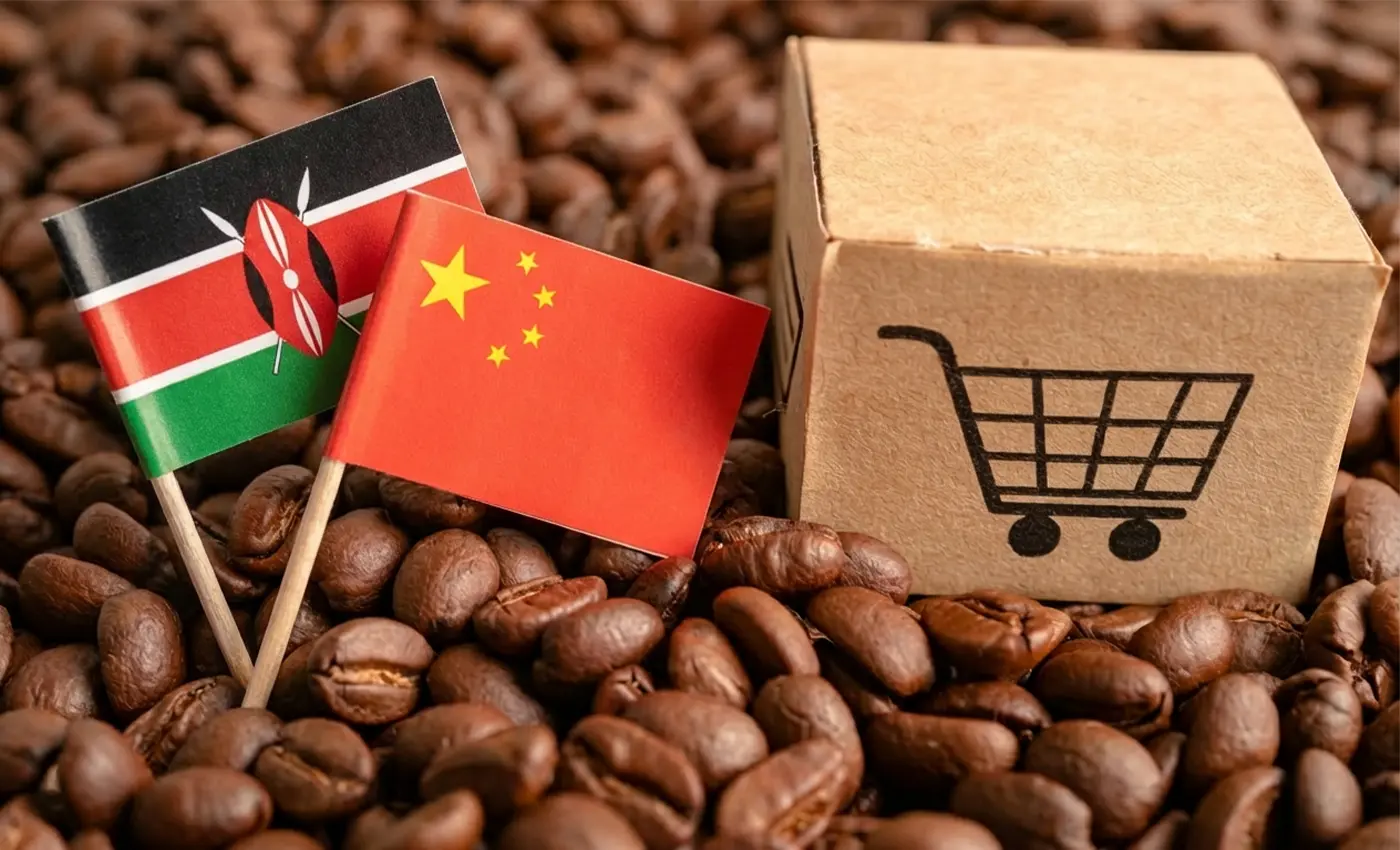
Kenya’s mineral exports in 2022 were dominated by China, which purchased minerals valued at $164.6 million, representing 70.42% of total mineral export value. Uganda purchased $100.5 million worth of Kenyan minerals, while the United States imported $92.7 million—indicating existing commercial relationships that could potentially expand substantially if Kenya successfully develops its rare earth resources and attracts American investment in processing facilities.
Infrastructure and Operational Considerations
Cabinet Secretary Joho has emphasized that infrastructure development represents a critical enabler for mining sector expansion, acknowledging that inadequate transportation networks, power supply constraints, and limited processing facilities have historically deterred investment and constrained operational efficiency. The government is investing significantly in road infrastructure, railway connectivity, port facilities, and energy generation to facilitate industrial capacity and reduce operating costs for mining companies.
Kenya’s coastal location provides strategic advantages for mineral exports, with Mombasa port offering established container and bulk cargo handling capabilities accessible to major shipping routes serving Asian, European, and American markets. Mrima Hill’s proximity to Mombasa—approximately 50 kilometers—offers potentially lower transportation costs compared to landlocked mineral deposits, enhancing commercial viability and reducing infrastructure investment requirements.
However, successful rare earth development will require specialized processing infrastructure capable of separating, refining, and purifying rare earth elements—technically complex and capital-intensive processes that few African countries have successfully established. Rare earth processing generates significant waste streams requiring specialized management approaches, while radioactive elements naturally occurring within rare earth ores necessitate careful handling protocols and long-term storage solutions, adding complexity to environmental compliance requirements and operational costs.
Broader Economic Context and Development Objectives
Kenya’s push to develop its mining sector occurs within a broader economic context characterized by steady but uneven growth and persistent fiscal challenges. The International Monetary Fund forecasts real GDP growth at approximately 5.03% in 2024, with slight moderation to 5.02% in 2025, while inflation is expected to remain relatively stable around 5.12-5.15%. However, GDP per capita is projected to decline slightly due to population growth outpacing economic expansion, underscoring the imperative to identify new engines of economic growth and employment generation.
General government gross debt is projected to rise from 69.87% of GDP in 2024 to 72.36% in 2025, highlighting fiscal sustainability challenges that make diversifying revenue sources through mining development particularly attractive to policymakers. Natural resources broadly defined account for roughly 42% of Kenya’s GDP, with agriculture remaining dominant at approximately 25%, while mining and tourism add smaller but potentially expandable contributions.
The government has articulated an ambitious vision recognizing the mining industry as one of the key drivers of the country’s economic development under its Vision 2030 framework. Growth in the extractive sector is expected to increase employment opportunities, raise worker incomes, and boost GDP while generating foreign exchange earnings that can finance imports and service external debt obligations. President William Ruto’s administration has made reforming the mining sector a priority policy objective, viewing mineral development as essential for achieving broader economic transformation goals.
Looking Forward: Opportunities and Uncertainties
As Kenya seeks to attract American mining firms and other international investors, the country faces the challenge of balancing competing imperatives: maximizing economic returns from mineral extraction, ensuring environmental protection and sustainability, respecting community rights and cultural heritage, maintaining transparent governance, and positioning for long-term sectoral competitiveness. Success will require sustained political commitment, technical capacity development, infrastructure investment, and careful navigation of complex stakeholder relationships.
For American mining companies evaluating opportunities in Kenya, the country offers several potential advantages: significant unexplored geological potential, improving regulatory frameworks, strategic coastal access, political stability relative to some neighboring countries, and government commitment to attracting foreign investment. However, companies must also carefully assess regulatory uncertainties, infrastructure limitations, community engagement requirements, environmental compliance complexities, and the technical challenges associated with rare earth processing.
Cabinet Secretary Joho’s direct invitation to American firms reflects recognition that Kenya cannot develop its mineral sector without substantial foreign capital, technical expertise, and market access that international mining companies can provide. As global competition for critical minerals intensifies amid the clean energy transition and ongoing supply chain restructuring, Kenya’s timing may prove opportune—if the government can deliver on commitments to transparency, community benefit-sharing, environmental protection, and regulatory stability.
The coming years will test whether Kenya can successfully translate geological potential into operational mines, processing facilities, and sustained economic benefits—or whether the country will join the long list of African nations whose mineral wealth has generated more conflict than prosperity. For the villages surrounding Mrima Hill and mining communities across Kenya, the stakes could hardly be higher as they navigate between hopes for economic transformation and fears of environmental destruction and cultural erasure.
A2, ATI TEAS 7 , HESI EXIT , NCLEX – RN and NCLEX – PN, Financial Literacy!🌟 Dive into a world of opportunities and empower yourself for success. Explore more at Serrari Ed and start your exciting journey today! ✨
Track GDP, Inflation and Central Bank rates for top African markets with Serrari’s comparator tool.
See today’s Treasury bonds and Money market funds movement across financial service providers in Kenya, using Serrari’s comparator tools.
photo source: Google
By: Montel Kamau
Serrari Financial Analyst
2nd February, 2026
Article, Financial and News Disclaimer
The Value of a Financial Advisor
While this article offers valuable insights, it is essential to recognize that personal finance can be highly complex and unique to each individual. A financial advisor provides professional expertise and personalized guidance to help you make well-informed decisions tailored to your specific circumstances and goals.
Beyond offering knowledge, a financial advisor serves as a trusted partner to help you stay disciplined, avoid common pitfalls, and remain focused on your long-term objectives. Their perspective and experience can complement your own efforts, enhancing your financial well-being and ensuring a more confident approach to managing your finances.
Disclaimer: This article is for informational purposes only and does not constitute financial advice. Readers are encouraged to consult a licensed financial advisor to obtain guidance specific to their financial situation.
Article and News Disclaimer
The information provided on www.serrarigroup.com is for general informational purposes only. While we strive to keep the information up to date and accurate, we make no representations or warranties of any kind, express or implied, about the completeness, accuracy, reliability, suitability, or availability with respect to the website or the information, products, services, or related graphics contained on the website for any purpose. Any reliance you place on such information is therefore strictly at your own risk.
www.serrarigroup.com is not responsible for any errors or omissions, or for the results obtained from the use of this information. All information on the website is provided on an as-is basis, with no guarantee of completeness, accuracy, timeliness, or of the results obtained from the use of this information, and without warranty of any kind, express or implied, including but not limited to warranties of performance, merchantability, and fitness for a particular purpose.
In no event will www.serrarigroup.com be liable to you or anyone else for any decision made or action taken in reliance on the information provided on the website or for any consequential, special, or similar damages, even if advised of the possibility of such damages.
The articles, news, and information presented on www.serrarigroup.com reflect the opinions of the respective authors and contributors and do not necessarily represent the views of the website or its management. Any views or opinions expressed are solely those of the individual authors and do not represent the website's views or opinions as a whole.
The content on www.serrarigroup.com may include links to external websites, which are provided for convenience and informational purposes only. We have no control over the nature, content, and availability of those sites. The inclusion of any links does not necessarily imply a recommendation or endorsement of the views expressed within them.
Every effort is made to keep the website up and running smoothly. However, www.serrarigroup.com takes no responsibility for, and will not be liable for, the website being temporarily unavailable due to technical issues beyond our control.
Please note that laws, regulations, and information can change rapidly, and we advise you to conduct further research and seek professional advice when necessary.
By using www.serrarigroup.com, you agree to this disclaimer and its terms. If you do not agree with this disclaimer, please do not use the website.
www.serrarigroup.com, reserves the right to update, modify, or remove any part of this disclaimer without prior notice. It is your responsibility to review this disclaimer periodically for changes.
Serrari Group 2025