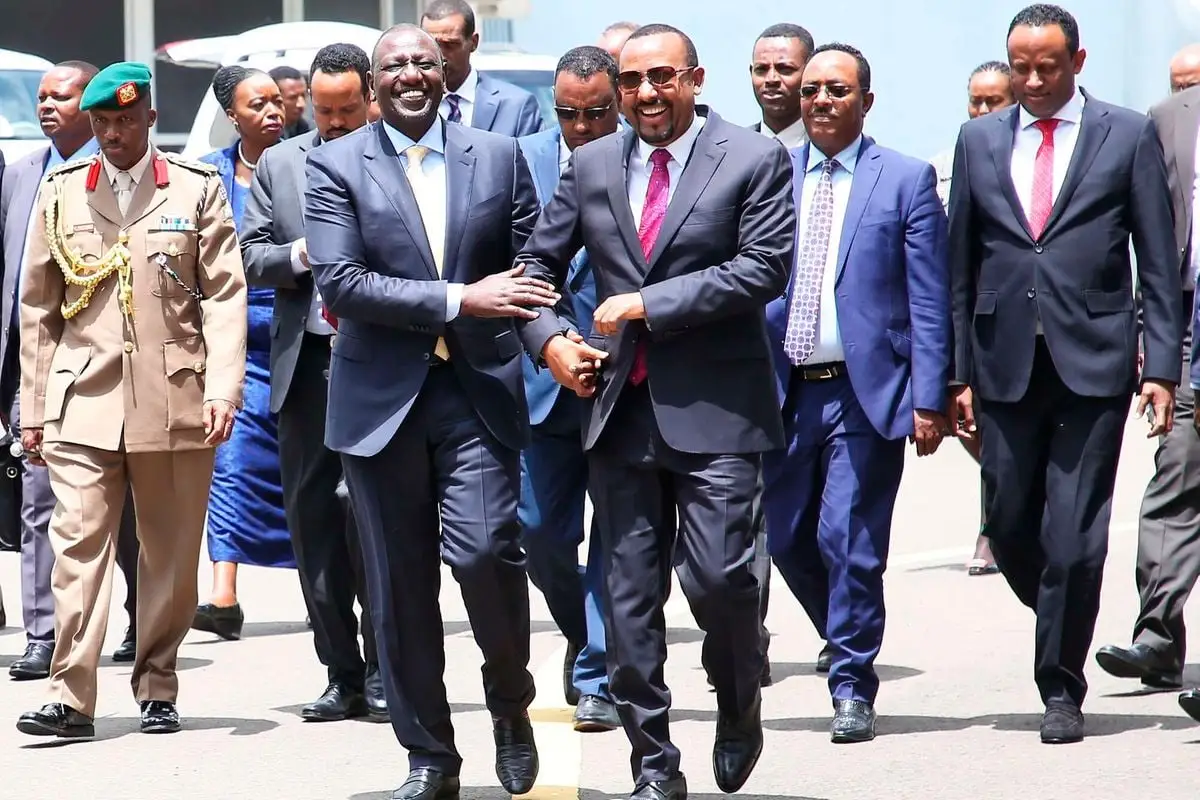
Kenya and Ethiopia are poised to serve as the primary engines of Africa’s economic expansion in 2026, driving East Africa to a projected 5.8% growth rate—the highest among all African sub-regions—according to the United Nations’ World Economic Situation and Prospects 2026 report. This performance comes amid a complex landscape of improving macroeconomic stability in several major economies, yet significant headwinds persist including crushing debt burdens, constrained fiscal space, and persistent food inflation that continue to threaten the prospects for truly inclusive and sustainable development across the continent.
The UN report, released in January 2026, projects that Africa’s overall economic growth will reach 4.0% in 2026 and 4.1% in 2027, representing a marked acceleration from the 3.5% recorded in 2024 and the 3.9% estimated for 2025. While this regional performance remains below the robust growth rates seen in parts of Asia, it signals improving momentum supported by stronger macroeconomic fundamentals in key African economies, enhanced regional integration initiatives, and the ongoing expansion of renewable energy infrastructure across the continent.
Build the future you deserve. Get started with our top-tier Online courses: ACCA, HESI A2, ATI TEAS 7, HESI EXIT, NCLEX-RN, NCLEX-PN, and Financial Literacy. Let Serrari Ed guide your path to success. Enroll today.
East Africa’s Economic Leadership
East Africa’s projected growth of 5.8% in 2026, up from 5.4% in 2025, positions the sub-region as Africa’s undisputed growth champion. The acceleration is largely attributable to the economic outlook for Ethiopia and Kenya, two countries that together represent a substantial share of the region’s economic output and are benefiting from complementary policy approaches and structural reforms.
Ethiopia, Africa’s second-most populous nation, is projected to expand by 6.3% in 2026, supported by improved macroeconomic stability, robust agricultural output, and favorable commodity prices. The country’s ambitious industrialization agenda, centered around industrial parks that primarily produce textiles and garments for export markets, has created significant employment opportunities, particularly for young women who constitute the majority of the workforce in these facilities. The ongoing development of the Grand Ethiopian Renaissance Dam and other renewable energy projects is reshaping the country’s energy profile and creating new possibilities for energy-intensive manufacturing.
Kenya, serving as East Africa’s economic anchor with Nairobi functioning as the region’s business and financial capital, maintains its position as a sophisticated hub for finance, technology, and logistics. The country’s relatively developed capital markets, growing technology ecosystem exemplified by the vibrant Nairobi tech scene, and strategic position as a gateway for trade throughout the broader East African region provide competitive advantages that support sustained economic activity.
Regional Variations and Divergent Trajectories
While East Africa demonstrates robust momentum, economic performance varies considerably across Africa’s sub-regions, reflecting diverse challenges and opportunities. North Africa is expected to slow slightly to 4.1% in 2026 after recording 4.3% in 2025, while West Africa is set to decelerate to 4.4% in 2026 from 4.6% in 2025. Both regions face headwinds from global economic uncertainties, policy shifts affecting key trading partners, and domestic challenges related to security and governance in several countries.
Central Africa, on the other hand, is projected to expand by 3.0% in 2026 compared to 2.8% in 2025, reflecting modest improvements in macroeconomic conditions and the resumption of commodity production in certain countries following disruptions in previous years. Southern Africa is poised to expand by 2.0% in 2026, up from 1.6% in 2025, though this sub-region continues to grapple with the aftermath of energy shortages, particularly in South Africa, the continent’s most industrialized economy, as well as climate-related shocks affecting agricultural production.
The Debt Crisis Constraining Development
Despite the positive growth projections, the UN report delivers sobering warnings about the debt dynamics threatening to undermine Africa’s development prospects. The continent’s average public debt-to-GDP ratio is estimated to reach 63% in 2025, with interest payments absorbing nearly 15% of public revenue—a proportion that diverts critical resources away from essential investments in education, healthcare, infrastructure, and social protection.
Ethiopia exemplifies the stark challenges facing heavily indebted African nations. The UN identifies Ethiopia as one of seven African countries remaining in debt distress at the end of 2025, while fourteen others are classified as being at high risk of joining them. Under the G20 Common Framework, Ethiopia reached an agreement in principle with official creditors covering approximately $8.4 billion of external debt. Negotiations with private investors over its $1 billion eurobond, which defaulted in late 2023, produced a draft restructuring deal in early 2026, though certain non-financial terms remain under discussion.
The UN emphasizes that Ethiopia’s projected 6.3% GDP expansion will only translate into tangible improvements in living standards if debt management proves effective and international support continues. Without these critical elements, strong headline growth figures risk remaining largely symbolic rather than serving as genuine drivers of poverty reduction and shared prosperity for Ethiopia’s more than 120 million people.
The broader African context is similarly challenging. While a few countries have regained access to international capital markets through new bond issuances—a positive sign of improving investor confidence—approximately 40% of African nations remain in situations of over-indebtedness or face high risk of becoming so. Several countries are actively seeking to restructure their debt under the G20’s Common Framework, though progress has been uneven and the process often prolonged.
AGOA Expiry Threatens Key Export Sectors
Adding to Africa’s economic challenges is the recent expiry of the African Growth and Opportunity Act (AGOA) in September 2025, which for a quarter-century provided preferential access to U.S. markets for eligible sub-Saharan African countries. The end of AGOA has caused immediate trade disruptions across the continent, particularly affecting countries like Kenya, Ethiopia, Madagascar, and Lesotho that had developed significant export industries dependent on duty-free access to American consumers.
For Kenya, AGOA’s benefits were substantial. The country’s apparel-dominated AGOA sales grew from $55 million in 2001 to $603 million in 2022, accounting for 67.6% of Kenya’s total exports to the United States. Over 66,000 people, predominantly women, found employment in textile and apparel production for the American market. Without AGOA’s preferential treatment, Kenyan exporters in the clothing sector now face significantly higher tariffs that threaten the viability of their businesses and the livelihoods of tens of thousands of workers.
Ethiopia’s experience with AGOA underscores both the program’s importance and the vulnerability created by dependence on such arrangements. Ethiopia’s exports to the U.S. increased from $29 million to $525 million in 2020, with 45.3% benefiting from AGOA preferences. Textile and garment exports grew from just 10% of trade in 2014 to 69% over subsequent years, attracting 66 foreign firms that invested approximately $740 million. However, when Ethiopia was removed from AGOA in January 2022 due to alleged human rights violations during the Tigray conflict, major manufacturers including PVH closed facilities and exited the market, leading to thousands of job losses.
According to UNCTAD, the expiry of AGOA would disproportionately affect Africa’s light-manufacturing exports to the U.S., particularly apparel and agro-food products. Nine African countries will face average U.S. tariffs of 15% or more—up from just three previously. Small exporters specializing in apparel and agricultural products, such as Lesotho, Kenya, Cabo Verde, Madagascar, and Tanzania, would be among the most severely affected, with average trade-weighted tariffs potentially doubling to 20% or higher.
The UN report specifically highlights that the expiry of AGOA and the introduction of new tariff measures pose challenges for exporters in the clothing sector—an area of particular relevance for both Ethiopia and Kenya. From garment factories and horticultural producers in Kenya to automotive assembly plants in South Africa, approximately 300,000 direct jobs and 1 million indirect jobs are at risk with AGOA’s end.
One decision can change your entire career. Take that step with our Online courses in ACCA, HESI A2, ATI TEAS 7, HESI EXIT, NCLEX-RN, NCLEX-PN, and Financial Literacy. Join Serrari Ed and start building your brighter future today.
AfCFTA Implementation: Promise and Reality
The slow and uneven progress in implementing the African Continental Free Trade Area (AfCFTA) represents another significant challenge highlighted in the UN report. Launched in 2021 with the ambitious goal of creating a single continental market for goods and services across Africa’s 1.3 billion people, the AfCFTA holds tremendous potential to boost intra-African trade, foster regional value chains, and reduce the continent’s vulnerability to external trade shocks.
According to the Economic Commission for Africa, a meticulous implementation of the AfCFTA could enable Africa to increase its GDP by $141 billion and intra-African trade by $276 billion—a 45% increase—by 2045. In the short term, the AfCFTA could help African industries threatened by rising international tariffs, such as the automotive and fertilizer sectors, accelerate their shift toward alternative regional markets, potentially compensating for lost access to markets like the United States.
However, implementation has been far slower than originally envisioned. While trading under the AfCFTA regime officially commenced on January 1, 2021, little actual trading has occurred under the agreement to date due to the need to finalize administrative processes and negotiations on critical issues including rules of origin for key sectors such as textiles, clothing, and automobiles. At least 25 countries have gazetted their provisional schedules of tariff concessions and are theoretically able to trade with each other under the AfCFTA’s preferential trade regime, but practical barriers remain substantial.
The challenges are multifaceted. Work continues on implementing the AfCFTA’s non-tariff agenda, including trade facilitation issues, electronic certificates of origin, implementation of services commitments, and mutual recognition agreements on qualifications and standards. Infrastructure deficits—inadequate roads, railways, ports, and border facilities—create bottlenecks that significantly increase the time and cost of moving goods across African borders. Regulatory harmonization across the continent’s eight regional economic communities, each with different rules and procedures, remains incomplete.
Nevertheless, some progress has been made. Enabling instruments critical to intra-African trade functionality have been finalized, including the e-Tariff Book providing businesses with essential tariff and rules of origin information, and the Pan-African Payment and Settlement System (PAPSS) allowing cross-border payment transactions in local currencies. The Guided Trade Initiative, a pilot project supporting early commercially meaningful trade, was successfully deployed to test the operational, institutional, and legal policy environment.
For Kenya and Ethiopia, more effective AfCFTA implementation could provide crucial alternatives to lost AGOA benefits. Enhanced intra-African trade could absorb some of the textile and apparel production currently facing higher U.S. tariffs, while deeper regional integration could support the development of more diversified and resilient export sectors. However, realizing this potential will require accelerated progress on the remaining implementation barriers.
Trade Performance and Diversification Efforts
Despite the challenges, the UN report notes that African trade grew in 2025, supported by significant exports of precious metals and agricultural products as well as increased imports of transport equipment. The region’s exposure to global trade tensions remains somewhat limited thanks to the diversification of export partnerships and exemptions from higher U.S. tariffs on key products such as crude oil and gold—commodities that constitute a significant share of exports from countries like Nigeria, Angola, and the Democratic Republic of Congo.
However, this diversification is uneven. Mineral and energy exporters have fared relatively well, benefiting from sustained global demand and generally favorable prices for their exports. Countries focused on manufacturing and agricultural exports face greater challenges, particularly those like Kenya and Ethiopia whose products now face higher barriers in key markets.
The shifting global trade landscape is prompting African countries to reassess their trade strategies. Some, including Kenya, are pursuing bilateral trade negotiations with major partners. China has announced a zero-tariff policy granting duty-free access to all 53 African countries with which it maintains diplomatic relations, potentially opening new opportunities even as U.S. market access becomes more restricted. The European Union, India, Turkey, and other trading partners are also strengthening economic ties with African countries.
China-Africa trade already totaled $295 billion in 2024, dramatically exceeding the approximately $8 billion in AGOA-linked trade with the United States. As African focus shifts from preferential access arrangements to developing long-term competitiveness, achieving regional self-sufficiency, and building diversified economic partnerships, the continent’s position in and influence on the global trading system will continue to evolve.
Fiscal Space Constraints and Food Inflation
The UN report emphasizes that limited fiscal space continues to constrain development spending across Africa, even as reform and consolidation efforts progress in some of the larger economies. With debt service consuming an increasing share of government budgets, many African countries struggle to maintain adequate funding for critical areas including education, healthcare, infrastructure, and social safety nets.
Food inflation presents a particularly acute challenge. Rising food prices disproportionately affect the poorest households, which spend a larger share of their incomes on food and have limited ability to absorb price increases. Climate-related shocks—droughts, floods, changing rainfall patterns—are disrupting agricultural production in many regions, contributing to food price volatility and threatening food security. These pressures are compounded by the indirect effects of global events including the war in Ukraine, which has affected grain supplies and fertilizer availability in international markets.
For countries like Kenya and Ethiopia, where agriculture remains a critical sector employing large shares of the population, addressing food inflation while supporting agricultural productivity represents a fundamental development challenge. Success requires investments in climate-smart agriculture, improved water management, better transportation and storage infrastructure to reduce post-harvest losses, and social protection systems to shield the most vulnerable from price shocks.
Renewable Energy Expansion
A positive development highlighted in the UN report is the ongoing expansion of renewable energy across East Africa, which is supporting both current growth and creating foundations for more sustainable future development. Ethiopia’s Grand Ethiopian Renaissance Dam, when fully operational, will be Africa’s largest hydroelectric facility, providing abundant clean energy for domestic use and potential exports to neighboring countries. Kenya has emerged as a leader in geothermal power development, with the Olkaria geothermal complex representing one of the world’s largest geothermal installations.
Solar and wind energy are also expanding rapidly across the region, supported by declining technology costs and growing recognition of renewable energy’s advantages including energy security, reduced import dependence, and lower greenhouse gas emissions. The International Energy Agency and other organizations have identified Africa’s enormous renewable energy potential—abundant sunshine, wind resources, geothermal opportunities, and hydropower capacity—as a foundation for sustainable industrialization if adequately developed.
Regional integration of electricity grids, allowing countries to trade power across borders, could enhance energy security and efficiency while supporting the development of energy-intensive industries. The Eastern Africa Power Pool is working to facilitate such integration, though progress has been gradual due to infrastructure limitations and institutional challenges.
Looking Ahead: Balancing Optimism with Realism
As Kenya, Ethiopia, and the broader East African region move through 2026, the economic outlook presents a complex picture of significant opportunities tempered by substantial challenges. The projected 5.8% growth rate for East Africa, if realized, would represent strong performance by international standards and would support job creation, income growth, and poverty reduction across the sub-region.
However, translating this headline growth into broad-based improvements in living standards will require addressing several critical factors. Debt sustainability must be restored through some combination of debt relief, restructuring, enhanced domestic revenue mobilization, and more efficient use of borrowed resources. The AfCFTA implementation must accelerate to create genuine alternative markets and reduce vulnerability to external trade shocks. Fiscal space must be expanded to allow for necessary investments in human capital, infrastructure, and social protection. Food security must be strengthened through climate-resilient agricultural practices and better supply chain management.
International support will play an important role, particularly as official development assistance to Africa has been declining even as needs remain acute. The Sevilla Commitment, the outcome document from the Fourth International Conference on Financing for Development held in June-July 2025, provides a framework for mobilizing the resources needed to support sustainable development, but its effectiveness will depend on whether countries and international institutions follow through with concrete actions and resources.
For the global community, Africa’s economic trajectory matters not just for the 1.4 billion people living on the continent but for international prosperity and stability more broadly. A growing, prosperous Africa can be an important market for goods and services, a source of investment opportunities, and a partner in addressing shared global challenges from climate change to public health. Conversely, an Africa mired in debt distress, food insecurity, and limited economic opportunity risks becoming a source of instability through migration pressures, conflict, and humanitarian crises.
The UN’s call for strengthened global coordination, collective action, and renewed commitment to an open, rules-based multilateral trading system is particularly relevant for Africa. The continent’s exposure to the currents of global trade policy—whether the expiry of AGOA, new tariff measures, or the fragmentation of international economic cooperation—underscores the importance of a stable, predictable international economic order that provides space for developing countries to pursue their own development pathways.
Conclusion: Drivers of Change with Uncertainties Ahead
Kenya and Ethiopia’s projected role as drivers of East Africa’s economic growth in 2026 reflects genuine progress in macroeconomic management, structural reforms, and strategic investments in key sectors including renewable energy, manufacturing, and services. Both countries have demonstrated resilience in the face of global economic headwinds and domestic challenges, and their continued growth can provide important spillover benefits for neighboring countries through trade, investment, and labor mobility within the region.
However, this positive trajectory is far from guaranteed. The debt burdens both countries carry, the loss of preferential market access through AGOA’s expiry, the slow progress on AfCFTA implementation, persistent food inflation, and the limited fiscal space for development spending all represent significant risks that could derail or substantially slow economic progress. Climate-related shocks—which are becoming more frequent and severe—pose additional threats to agricultural production, infrastructure, and overall economic stability.
The experience of recent years has shown that headline growth figures, while important, don’t automatically translate into broadly shared prosperity. Ensuring that economic expansion benefits all segments of society, particularly the poorest and most vulnerable, requires deliberate policy choices including progressive taxation, well-targeted social programs, investments in public services that serve disadvantaged communities, and labor market policies that promote quality job creation.
For international partners seeking to support Africa’s development, the UN report’s findings suggest several priority areas: providing debt relief and restructuring on terms that restore fiscal sustainability; maintaining and ideally expanding trade access for African exports; supporting AfCFTA implementation through technical assistance and infrastructure investment; mobilizing climate finance to support adaptation and mitigation efforts; and ensuring that development assistance reaches adequate levels and targets the sectors and countries where needs are greatest.
As the world navigates an era of trade tensions, technological disruption, climate change, and geopolitical competition, Africa’s economic future will be shaped by decisions made both on the continent and in capitals around the world. The projected 5.8% growth rate for East Africa in 2026, driven by Kenya and Ethiopia, offers reasons for optimism. But transforming that potential into lasting progress for the hundreds of millions of people whose lives depend on it will require sustained effort, smart policies, adequate resources, and genuine international partnership. The foundations are being laid; whether a structure of inclusive prosperity can be built upon them remains to be determined.
Ready to take your career to the next level? Join our Online courses: ACCA, HESI A2, ATI TEAS 7 , HESI EXIT , NCLEX – RN and NCLEX – PN, Financial Literacy!🌟 Dive into a world of opportunities and empower yourself for success. Explore more at Serrari Ed and start your exciting journey today! ✨
Track GDP, Inflation and Central Bank rates for top African markets with Serrari’s comparator tool.
See today’s Treasury bonds and Money market funds movement across financial service providers in Kenya, using Serrari’s comparator tools.
photo source: Google
By: Montel Kamau
Serrari Financial Analyst
12th January, 2026